
1. Introduction: Market Outlook and the Inevitability of Technological Upgrading
1.1 Global Base Layer Market Size and Outlook
The global base layer fabric market is entering a steady growth phase. According to the forecasts, the market size is expected to exceed $10 billion in size by the year 2026, with the potential of reaching $14 billion in size by the year 2035, with a CAGR of around 4%.
There are several factors that are contributing to the growth of the market, including the fact that outdoor sports have become increasingly popular, with the gradual integration of these sports into the lifestyles of the people as a form of expression.
However, the autumn/winter season is the peak season for the base layer, with the fabric playing a critical role in defining the wearing experience as well as the efficiency of the clothing system itself.
1.2 Why FW 2026 Is a Critical Moment for Base Layer Fabric Technology
The reason 2026 has become a key turning point for technological upgrading is that the industry is undergoing a fundamental transformation—from “specification stacking” to “experience-driven design.”
In the past, both brands and consumers tended to focus excessively on single laboratory metrics such as moisture permeability rates or thermal resistance values. Today, however, the focus has shifted toward:
Long-term wearing comfort
Moisture management under dynamic conditions
Stability of body temperature during extended use
At the same time, the continued expansion of athleisure means that base layers are no longer limited to sports scenarios. They are now widely used in urban commuting, daily office work, and even home leisure environments.
This cross-scenario integration imposes complex requirements on base layer fabrics:
Professional moisture-wicking performance
Skin-friendly tactile comfort
Effective warmth retention
Excellent breathability
High performance with long-term durability
It is precisely this dual force of blurred usage scenarios and the pursuit of ultimate wearing comfort that has pushed 2026 to become a historic milestone for technological upgrading in base layer materials.
2. Core Functional Requirements: Temperature–Moisture Regulation and Lasting Comfort
2.1 Temperature and Moisture Regulation: The Technical Core of Dynamic Climate Management
The primary task of autumn and winter base layers is to maintain a stable microclimate close to the skin.
When the human body produces sweat during activity, fabrics must quickly transport moisture away from the skin surface to avoid cold dampness and heat loss.
Achieving excellent temperature-moisture regulation requires optimization at three levels:
Fiber Moisture Management
Different fibers manage moisture differently:
Hydrophobic fibers such as polyester mainly rely on surface conduction and provide excellent quick-drying performance.
Hydrophilic fibers such as merino wool absorb moisture into the fiber core, maintaining a dry tactile feeling.
Special-shaped cross-section fibers accelerate moisture transfer through capillary channels.
Fabric Structural Design
Structural engineering enhances moisture movement:
Double-layer fabrics enable one-way moisture transfer.
Mesh structures increase breathability.
Microporous coatings improve moisture diffusion efficiency.
Balancing Thermal Resistance and Moisture Transport
Technologies such as:
Variable-density knitting
Hollow fibers
help achieve the optimal balance between warmth retention and moisture permeability.
2.2 Long-Lasting Comfort: From Instant Performance to Dynamic Stability
A core trend for 2026 is the shift from maximizing a single performance indicator to achieving “stable sensory comfort.”
Fabrics must maintain stable thermal and moisture conditions for 6–10 hours of continuous wear, adapting to dynamic changes in activity levels and environmental conditions.
Long-term comfort after sweating has become particularly important:
Fabrics must avoid stickiness when wet
Drying speed must remain rapid and efficient
Long-lasting odor resistance is essential
Durability has also become a basic requirement:
Anti-pilling performance
Elastic recovery
Long-term functional stability after repeated washing
Different scenarios define comfort differently and require precise adaptation:
| Scenario | Key Comfort Focus |
| Urban commuting | Softness and temperature adaptability |
| Outdoor sports | Moisture transfer and abrasion resistance |
| Professional training | Quick drying and antibacterial properties |
| Casual daily wear | Natural tactile comfort |
3. Major Base Layer Fabric Types and 2026 Trends
3.1 Merino Wool: A Classic Choice with Blended Evolution
Merino wool remains the preferred material for high-performance base layers due to its:
Natural temperature regulation
Excellent moisture absorption and sweat management
Natural odor resistance
In 2026, merino wool blending becomes the mainstream direction:
Merino + Nylon enhances elasticity, fit and improves abrasion.
Merino + recycled polyester combines quick drying with environmental sustainability.
The application of ultra-fine merino fibers (<17.5 μm) provides a silk-like tactile sensation, meeting the urban consumer demand for ultimate comfort.
Another emerging structure uses double-sided construction combined with jacquard and air-layer technology, enabling two functional material layers within one fabric.
This allows the inner side to provide soft skin-contact comfort, while the outer layer offers thermal insulation and temperature control.
Our company has introduced several trending fabrics this year:
Outer wool + inner bamboo viscose
Outer wool + inner Lenzing TENCEL™
Both styles are currently experiencing strong demand growth, and many major brands have already placed orders.
Additionally, jacquard technology can produce fabrics with:
Outer layer: 100% wool
Inner layer: 100% polypropylene
This design allows the inner layer to rapidly transport moisture away from the skin, keeping the skin dry and even creating a momentary warming sensation, while the wool outer layer protects against the harsh cold conditions of winter outdoor sports.
3.2 Recycled Synthetic Fibers and Blends: Integration of Sustainability and Performance
Recycled polyester (rPET) and recycled nylon are produced from recycled plastic bottles or industrial waste fibers, significantly reducing environmental impact.
The 2026 trend emphasizes “natural + eco-synthetic intelligent blending.”
Examples include:
Merino wool + recycled polyester
TENCEL™ + recycled polyester
Recycled nylon + bio-based elastic fibers
These combinations merge the comfort of natural fibers with the functional advantages of synthetics.
Supply chain certifications such as GRS are becoming basic procurement requirements for brands.
3.3 Natural Fiber Blends: Performance Improvement Through Complementary Design
Natural fibers such as cotton, silk, and bamboo fibers offer excellent tactile comfort but have inherent limitations, including:
Slow drying speed
Lower durability
The 2026 development direction focuses on performance improvement through blending:
Cotton + quick-dry fibers preserves cotton’s softness while improving drying speed.
Silk + modal blends reduce costs and improve durability.
Bamboo fiber + nylon blends increase wet-state strength.
Additionally, technologies such as:
Hydrophilic/hydrophobic bicomponent structures
Special cross-section fibers
can physically accelerate moisture transfer.
3.4 Emerging Smart Fabric Technologies: Future Performance Breakthroughs
Cutting-edge technologies are redefining the performance boundaries of base layers.
Thermal-Responsive Temperature Regulation (PCM)
Phase change materials (PCM) encapsulated in microcapsules absorb or release heat according to body temperature changes, enabling dynamic temperature control.
Microstructure Optimization (3D Knitting)
3D knitting technology enables zonal functionality:
Breathable mesh in sweat-prone areas
Thickened structures in cold-sensitive zones
Bio-Based Smart Materials
Plant-based PCM materials combine intelligent temperature control with environmental sustainability.
Graphene-Modified Fibers
Graphene fibers provide:
Far-infrared heating
Antibacterial properties
However, challenges remain in dispersion technology and cost control.
4. Base Layer Fabric Design Trends: Human-Centered Experience
4.1 Experience-Driven Design
In 2026, design focus shifts from laboratory metrics to real wearing sensations.
The wearing experience can be broken down into five dimensions:
Tactile comfort – soft and skin-friendly
Thermal-moisture comfort – dynamic dryness
Olfactory comfort – odor-free experience
Visual comfort – smooth appearance without pilling
Psychological comfort – confidence and reassurance
Achieving experience-driven design requires:
Consumer co-creation
Scenario simulation testing
Sensory evaluation systems
These processes allow designers to reverse engineer fiber selection and fabric structure based on experience targets.
4.2 Tiered Product Line Functional Design
Base layer fabrics should form a clear product pyramid according to market positioning.
Core Mass-Production Models
Designed for the mass market:
Stable performance
High cost-performance ratio
Mature fiber technologies such as recycled polyester blends
Performance Upgrade Models
Targeting advanced consumers:
Scenario-specific comfort optimization
Use of special cross-section fibers and zonal knitting technologies
Example: merino wool + recycled polyester
High-End Flagship Models
Designed for professionals and premium users:
Advanced smart materials
Ultimate comfort and technological leadership
Example: ultra-fine merino wool + PCM technology
Tiered design requires deep collaboration between brands and fabric suppliers, including:
Shared market insights
Joint development
Tiered performance testing
4.3 Hygiene and Odor Control: From Added Value to Basic Requirement
Antibacterial and deodorizing performance has become a fundamental requirement for base layer fabrics, rather than an added bonus.
The reasons include:
Longer wearing durations
Increased health awareness
More multi-day wearing scenarios
Mainstream antibacterial technologies include:
Natural Antibacterial Fibers
Examples:
Merino wool
Bamboo fiber
Advantages: natural and durable
Limitation: higher cost
Antibacterial Finishing
Technologies include:
Silver ions
Quaternary ammonium compounds
Chitosan
Advantages: strong antibacterial effects
Considerations: wash durability and safety
Physical Antibacterial Structures
Surface microstructures suppress bacterial growth without chemical additives, though the technical threshold is high.
The New Hygiene Standard for 2026
The next generation of hygiene performance standards includes:
Long-lasting durability (effective after more than 50 washes)
Safety certification through skin compatibility testing
Transparency and traceability with third-party test reports
At the same time, odor control is evolving from simple antibacterial solutions to comprehensive odor management, including:
Odor adsorption technologies
Odor neutralization chemistry
Photocatalytic deodorization
These technologies create a more comprehensive freshness experience.
5. Base Layer Fabric Requirements Across Different Wearing Scenarios
The value of base layer fabrics must ultimately be verified in real wearing environments.
The 2026 trend requires fabric development to move from generic solutions to scenario-specific performance design, tailoring functional combinations according to activity intensity, environmental conditions, and wearing duration.
5.1 Outdoor Sports and Extreme Climate Challenges
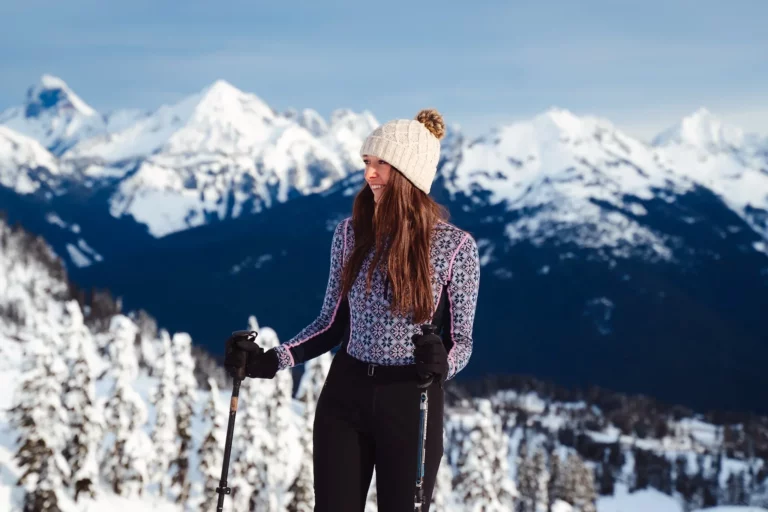
Outdoor activities such as mountaineering, skiing, and high-altitude trekking present the most demanding conditions for base layer fabrics.
These environments are characterized by:
Rapid environmental changes
High activity intensity
Frequent interaction with equipment
If a base layer fails in these scenarios, it may even threaten the wearer’s safety.
Core Requirements
Efficient sweat management to prevent cold dampness
Dynamic warmth that adapts to activity intensity
Abrasion resistance and tear strength
Rapid moisture permeability during high activity
Quick recovery to dryness during rest periods
Lightweight construction
Odor resistance during multi-day wear
Technical Implementation
Outdoor fabrics often adopt the golden combination of merino wool and nylon:
Merino wool provides natural thermal regulation and odor resistance
Nylon enhances durability and abrasion resistance
Through zonal knitting technology:
Mesh structures are used in sweat-prone areas
Higher density knitting strengthens high-wear zones
High-end products introduce phase change materials (PCM) that absorb or release heat when activity levels change, stabilizing body temperature.
5.2 Urban Commuting and All-Day Wear
With the popularity of athleisure, base layers have evolved into core components of urban daily outfits.
Urban commuting environments feature:
Long periods of sitting
Frequent indoor–outdoor temperature changes
Strong social context
Continuous wear exceeding 8 hours
Core Requirements
Soft skin-friendly texture without itchiness
Comfortable indoors and warm outdoors
Resistance to pilling and shrinkage for outerwear use
Lightweight warmth with a clean silhouette
Odor control throughout the day
Technical Implementation
Design focus shifts from extreme performance to balanced comfort:
Ultra-fine merino wool (<17.5 μm) for silk-like softness
Cotton + modal + spandex blends for softness and elasticity
High-gauge knitting and anti-pilling finishes for a smooth appearance
Hollow fiber technology for lightweight warmth
5.3 Sports and Fitness Scenarios
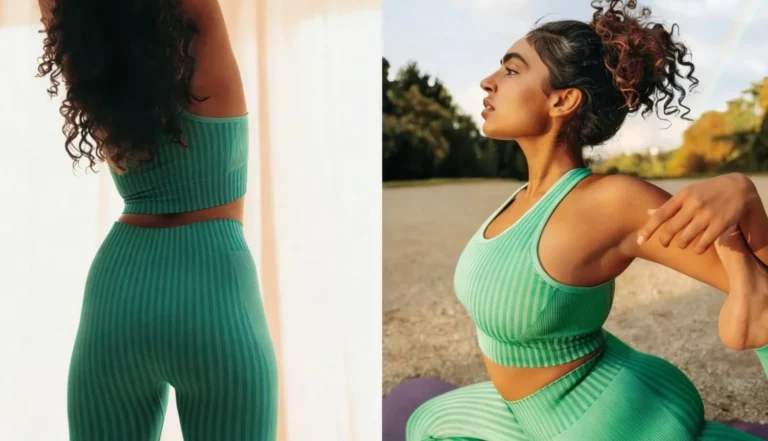
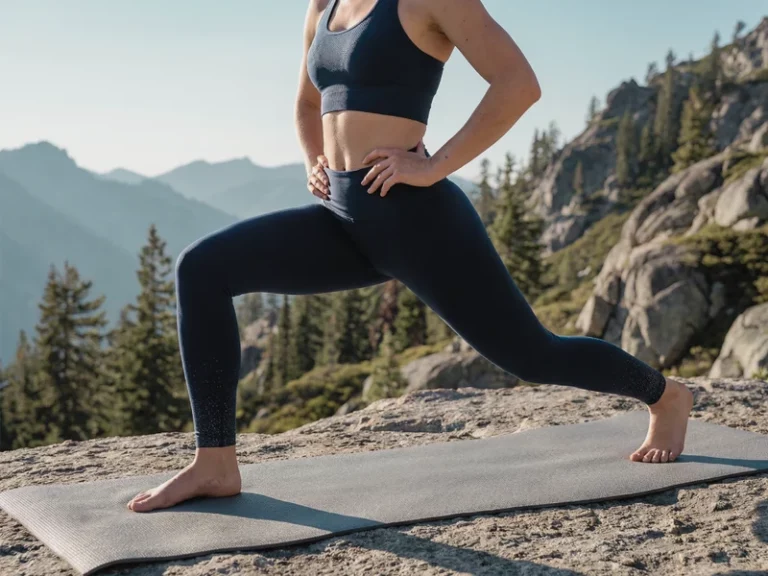
Fitness activities such as gym training, running, and yoga remain the most classic application scenarios for base layer fabrics.
These activities involve:
Heavy sweating
Large body movements
Frequent reuse
Social environments where odor control matters
Core Requirements
Rapid sweat transfer without moisture accumulation
Quick drying between exercise intervals
Full stretchability for unrestricted movement
Long-lasting antibacterial freshness
Extremely lightweight wearing experience
Technical Implementation
The core principle of sports fabrics is speed.
The mainstream solution is recycled polyester or nylon blended with spandex:
Polyester provides quick-drying performance
Nylon improves durability
Spandex delivers elasticity
Additional technologies include:
Special cross-section fibers to increase surface area and accelerate moisture transport
One-way moisture-wicking double-layer structures to keep the skin surface dry
Fiber-level antibacterial technology for long-lasting wash durability
5.4 Scenario Integration and Cross-Boundary Trends
These three scenarios are no longer strictly separated.
Consumers’ diversified lifestyles are creating cross-scenario wearing demands.
A single base layer may need to support:
Morning commuting
Midday fitness
Evening relaxation
Examples of cross-scenario fabric solutions include:
Commuting + Fitness
Requires both aesthetic appearance and sports functionality.
Ideal solutions include:
Merino wool + recycled polyester blends
TENCEL™ blends with antibacterial properties
Outdoor + Urban
The “urban outdoor” trend promotes lightweight fabrics such as:
Lightweight merino wool
Recycled fiber blends
Fitness + Daily Wear
The core of sports-casual fashion, requiring fabrics that combine athletic functionality with stylish daily wear.
6. Driving Forces Behind FW 2026 Trends
6.1 Changes in Consumer Behavior and Demand
From Parameter Worship to Experience Priority
Consumers in 2026 are becoming more rational. Instead of focusing on laboratory specifications, they emphasize:
Real long-term wearing experience
Stability of body sensation
Adaptability across scenarios
This shift forces brands to move design priorities from laboratories to real-life usage environments.
Sustainability: From Bonus to Mandatory Requirement
Consumers actively pay attention to eco labels such as:
GRS
bluesign®
OEKO-TEX®
They demand transparent material sourcing and alignment with brand values, while refusing to sacrifice performance for sustainability.
Health Awareness and Self-Care
Features such as:
Antibacterial properties
Odor resistance
Low allergenicity
have evolved from professional needs into mass-market expectations.
Comfortable clothing is increasingly viewed as a form of self-care.
6.2 Market Expansion and Segmentation
Multi-Scenario Integration
Outdoor sports are becoming part of daily life, athleisure continues to expand, and urban outdoor culture is rising.
These three sectors are converging rapidly.
A single base layer may need to simultaneously provide:
Outdoor durability and moisture management
Urban aesthetic smoothness
Sports elasticity and quick drying
This drives the development of balanced multi-performance fabrics.
Specialized Market Segments
Consumers expect solutions tailored to specific activities, including:
Running-specific base layers
Skiing base layers
Yoga base layers
Commuting base layers
Fabric suppliers must develop deeper scenario insights.
Price Tier Differentiation
The mass market emphasizes cost efficiency and scalable materials.
The premium market is willing to pay a premium for differentiated experiences, creating testing grounds for new technologies.
6.3 Supply Chain and Sustainability Standards Accelerating Innovation
Environmental Certifications as Market Entry Requirements
Certification systems such as:
GRS
bluesign®
OEKO-TEX®
Higg Index
are forming a passport system for sustainable fabrics. Products without certification will gradually be marginalized.
Regulatory Pressure Driving Supply Chain Upgrading
Policies such as the EU Ecodesign for Sustainable Products Regulation (ESPR) require textiles to meet standards for:
Recyclability
Durability
Digital product passports
This forces fabric companies to plan ahead.
Circular Economy in Practice
Key developments include:
Mono-material design for easier recycling
Biodegradable fibers to reduce waste burden
Waterless dyeing and clean production technologies
New business models such as rental and recycling programs
Supply Chain Collaboration
Brands and fabric suppliers are moving from simple transactions to co-creation partnerships, including:
Early development participation
Information sharing
Joint innovation
This accelerates the commercialization of sustainable innovations.
7. Opportunities for Harvest SPF in the FW 2026 Base Layer Material Trend
7.1 Harvest SPF Fabric Trend Strategy
Trend Identification and Strategic Planning
Harvest SPF has identified three core trend directions:
Experience-driven comfort upgrades
Integration of natural and recycled materials
Commercialization of intelligent temperature regulation technologies
Based on these insights, the company has developed a “2026 dual-track strategy”:
Deep development of natural and eco-friendly fabrics
System innovation in high-performance blended fabrics
R&D Planning and Resource Investment
Harvest SPF has established specialized R&D teams focusing on three major technology platforms:
Bio-based intelligent materials
High-performance recycled fiber technologies
Microstructure optimization
The company currently holds more than 30 patented technologies.
7.2 Harvest SPF Technical Competitive Advantages
Existing Core Technology Systems
Moisture Management System
Through the synergy of double-layer structures and special-shaped fibers, one-way moisture transport and rapid drying are achieved, increasing moisture transfer efficiency by over 30%.
Temperature Control Technology
Based on PCM finishing processes, intelligent temperature regulation is expected to reach large-scale application by 2026.
Long-Lasting Odor Control Technology
Antibacterial rate reaches 99.8% (ISO 20743) and maintains over 70% effectiveness after 30 washes.
Durability Enhancement Technology
Sirospun® spinning technology ensures orderly fiber arrangement, significantly improving anti-pilling performance.
2026 Trend-Related Innovative Solutions
Merino / Recycled Polyester Intelligent Blending Series
Ultra-fine merino blended with recycled polyester in a 50/50 ratio, combining natural comfort with quick drying and obtaining GRS certification.
One-Way Moisture-Wicking Zoned Knitting Series
Variable density knitting provides precise temperature and moisture regulation.
Bio-Based Elastic Fiber Series
Developed with suppliers to create bio-based spandex, enabling low-carbon full lifecycle products.
7.3 Harvest SPF Market Positioning and B2B Cooperation Strategy
Partner Empowerment System
Harvest SPF supports partners through:
Regular trend reports and fabric sample collections
7-day rapid prototyping services
Flexible MOQ (minimum 200 pieces per style)
End-to-end ODM/OEM services from fiber selection to garment production
Performance Testing and Data Support
The company provides third-party reports covering:
Antibacterial testing
Temperature control performance
Moisture management
Durability evaluation
Global Service Network
Harvest SPF serves clients in more than 60 countries, including:
Large retailers
D2C brands
Amazon sellers
Localized product recommendations are provided for different markets.
8. Frequently Asked Questions (FAQ)
Q1: What base layer materials are recommended for FW 2026?
Recommended options include three mainstream categories:
Merino wool and its blends, ideal for premium outdoor and daily commuting due to natural temperature regulation and odor resistance. The 2026 trend blends merino with nylon or recycled polyester to improve durability and quick-drying performance.
Recycled synthetic fiber blends, primarily recycled polyester or nylon combined with spandex, offering sustainability, quick drying, and good cost efficiency for sports scenarios.
Innovative natural fiber blends, such as TENCEL™, bamboo fiber, or cotton blended with elastic fibers, providing skin-friendly comfort and smooth appearance for urban casual wear.
Recommended scenario selection:
Outdoor: merino wool + nylon blends
Sports: recycled polyester + spandex combinations
Commuting: TENCEL™ blends or ultra-fine merino wool
Q2: How should base layer fabrics be selected according to exercise intensity?
Exercise intensity determines fabric choice:
Low-intensity activities (commuting, yoga): prioritize comfort; recommended fabrics include ultra-fine merino or cotton/modal blends, 150–180 g/m².
Medium to high intensity (running, gym training): require strong moisture management and quick drying; recommended fabrics include recycled polyester or nylon with spandex, 140–160 g/m², with special cross-section fibers or one-way moisture structures.
Extreme intensity and environments (mountaineering, skiing): require both warmth and moisture management; recommended fabrics include merino wool + nylon blends, 200–260 g/m², often combined with zonal knitting or PCM temperature regulation.
Q3: How can sustainable fabrics maintain high performance?
Several approaches enable sustainability without sacrificing performance:
Material blending, combining natural fibers like merino or TENCEL™ with recycled polyester or nylon.
High-performance recycled fibers, using special cross-section designs to improve moisture transport and integrating antibacterial agents during spinning.
Structural engineering, such as zonal knitting and hollow fiber insulation.
Clean production technologies, including waterless dyeing and low-temperature finishing.
Consumers no longer accept products that sacrifice performance for sustainability. Sustainable fabrics must deliver equal or better wearing performance while maintaining eco-friendly sourcing and production processes.
Q4: Does Harvest SPF provide base layer fabric samples or performance testing services?
Yes. Harvest SPF offers comprehensive support for partners.
Fabric samples
Seasonal trend sample collections
7-day rapid custom sampling
Minimum order quantity 500 pieces per style
Performance testing
Third-party reports covering:
Antibacterial performance (ISO 20743, 99.8% rate)
Temperature control performance
Moisture management performance
Durability testing including anti-pilling and elastic recovery
Sustainability documentation
Support for certifications including:
GRS
bluesign®
OEKO-TEX®
Partners are welcome to contact the company through the official website or business representatives to obtain FW 2026 fabric samples and technical documentation.
9. Conclusion
Base layer fabrics, often described as the “second skin” of functional clothing systems, are occupying an increasingly central position in the FW 2026 market landscape.
They are no longer simple undergarments. Instead, they have become:
Key components determining all-day comfort
Essential safety layers for outdoor sports
Invisible support for urban lifestyle quality
Throughout this report, it is clear that FW 2026 base layer material innovation is advancing along three major paths:
Experience-driven design
Scenario-specific functionality
Deepening sustainability integration
From the refined blending of merino wool to the high-performance development of recycled synthetic fibers, from the commercialization of phase-change materials to the widespread adoption of zonal knitting technologies, every technological advancement responds to consumers’ demand for long-lasting comfort.
Consumer behavior is redefining market standards:
Experience first
Sustainability as a necessity
At the same time:
Market expansion and segmentation create complex multi-scenario requirements.
Supply chain upgrades and certification systems provide continuous innovation momentum.
Leading brand practices further confirm that there is no single correct technology route. The key lies in aligning materials and technologies with brand positioning.
In the 2026 base layer competition, success will depend on whether brands and suppliers can:
Understand scenario-specific needs
Configure technologies precisely
Transform sustainability into verifiable product features
Build value resonance with consumers
The window for trend adoption is brief. Product development for FW 2026 has already entered a critical phase.
Whether you are:
A sports brand planning the next season’s product line
A retailer seeking differentiated selling points
An ODM/OEM partner requiring technical support
Harvest SPF is ready to become your trusted co-creation partner.
We invite you to collaborate with us to seize the opportunities in the FW 2026 base layer fabric trend:
Get trend fabric samples
Experience innovative materials such as:
Merino blends
One-way moisture-wicking zonal knits
Bio-based elastic fibers
Request technical documentation
Access testing data covering:
Antibacterial performance
Temperature regulation
Moisture management
Sustainability certifications
Develop customized solutions
Work with our technical team to create differentiated fabrics tailored to your brand positioning, with full support from fiber selection to garment production.
Join our trend co-creation program
Gain early insights into FW 2026 trends, participate in joint R&D, and secure your competitive advantage.
Harvest SPF has specialized in functional fabrics for more than 30 years. Guided by the brand philosophy “Dress for Health, Dress for Energy,” the company combines:
Over 30 patented technologies
A global service network
A customer-centered collaboration model
Harvest SPF currently serves partners in more than 60 countries worldwide.
With 7-day rapid sampling, flexible MOQs, and third-party testing support, we help transform your product ideas into market-ready solutions.
The FW 2026 season has already begun. Let us work together to create the future of comfortable base layers.
Click here to contact us and obtain samples and cooperation plans
Website: https://www.spftex.com/
Email: joy@spftex.com (example email)
Phone: +86 (example phone)
Harvest SPF — Innovative Fabrics, Comfortable Future.