
1. Introduction — Background of Transportation and Logistics Challenges
1.1 Cross-Border Logistics Trends and Pressure in the Middle East
The Middle Eastern market for e commerce is in a state of rapid growth. By the year 2026, the market size is projected to exceed USD 15 billion.
There will be a double-digit growth rate every year. This directly impacts the demand for efficient, stable, and scalable cross-border logistics services.
Though there exists a demand for logistics infrastructure development, there exists an unbalanced state. Along with the huge regulations in different countries and the increasing uncertainty in international trade routes, the supply chain is under immense pressure.
In cross-border logistics, the timely and economic delivery of products has become critical parameters in determining whether the brand can successfully enter the market in the Middle Eastern region.
1.2 Why the Middle East Has Higher Requirements for Logistics Services
In addition, consumers in the Middle East have increasing demand for sportswear, functional clothing, and other high-value products, indicating that companies need to enhance their speed, inventory, and transparency in the delivery process.
In addition, even though the member countries in the Gulf Cooperation Council (GCC) have been advocating for a uniform policy in customs, they have different customs systems, import taxes, and processes.
This has made it difficult to carry out the logistics process between countries. Any mistake in the process can cause delays in cargo.
2. Key Challenges in Middle Eastern Logistics and Supply Chains
2.1 Regulatory and Compliance Challenges
The Middle East involves more than 50 different customs regulations, and each country has different requirements for product labeling, certifications, restricted items, and documentation. As a result, preparing cross-border transportation documents is complicated and prone to errors.
For example:
Saudi Arabia requires all imported goods to pass SABER system certification.
The United Arab Emirates requires additional inspections for certain categories such as textiles.
Harvest SPF works with local compliance teams and professional customs clearance agents to ensure that every shipment completes documentation preparation in advance, thereby reducing customs clearance delays.
2.2 Infrastructure and Operational Cost Issues
“Last-mile delivery” remains challenging in the Middle East. This is especially true in countries such as Saudi Arabia and Oman, where land areas are large and populations are widely distributed.
Warehouse facilities and delivery networks are not yet fully covered nationwide.
At the same time:
Fuel price fluctuations
High labor costs
High-temperature environments requiring special warehouse conditions
all contribute to logistics costs in the Middle East being significantly higher than the global average.
Harvest SPF reduces final delivery costs by implementing regional warehouse distribution strategies, such as establishing forward warehouses in Dubai and Riyadh.
2.3 Geopolitical Risks
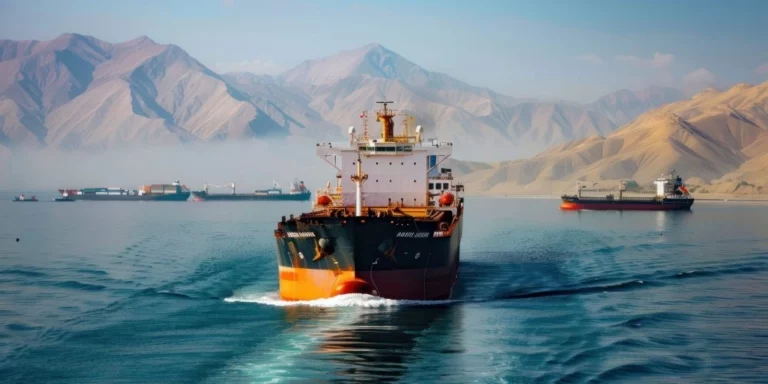
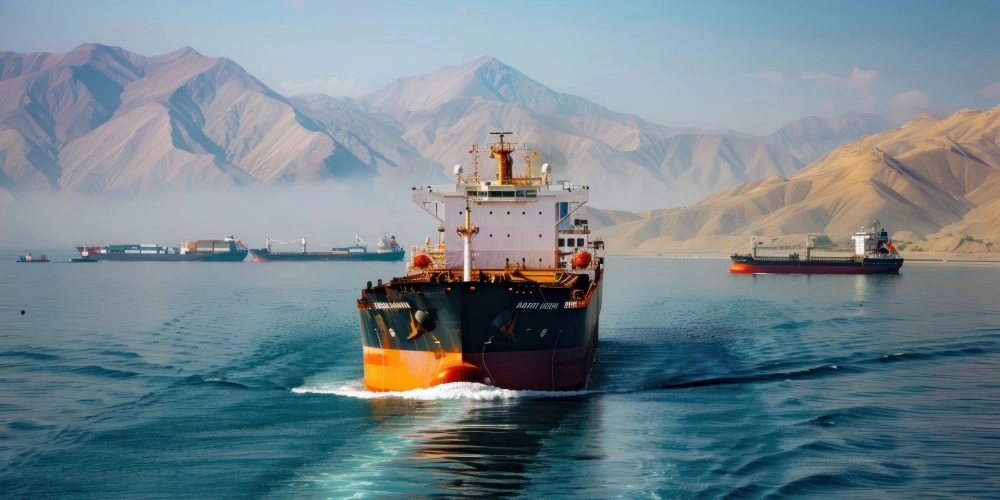
Key shipping routes such as the Strait of Hormuz and the Red Sea frequently face geopolitical risks. This can lead to:
Frequent route adjustments
Increased insurance costs
Extended transportation cycles
Harvest SPF helps clients avoid delivery risks caused by route disruptions through:
diversified transportation solutions (such as air freight backup plans and sea freight detour strategies)
full cargo insurance coverage.
3. Logistics Support and Response Strategies of Harvest SPF
3.1 Intelligent Transportation Management and Cooperation Network
Harvest SPF has established long-term cooperation with leading global logistics providers such as DHL, Aramex, and FedEx, ensuring a strong transportation capacity network across the Middle East.
For high-risk regions, Harvest SPF provides:
alternative route planning
cargo insurance recommendations
real-time shipment tracking
These measures help clients reduce transportation uncertainty.
3.2 Multi-Modal Transportation Solutions
Depending on order urgency, cargo volume, and budget, Harvest SPF offers flexible transportation combinations including:
sea freight
air freight
express delivery
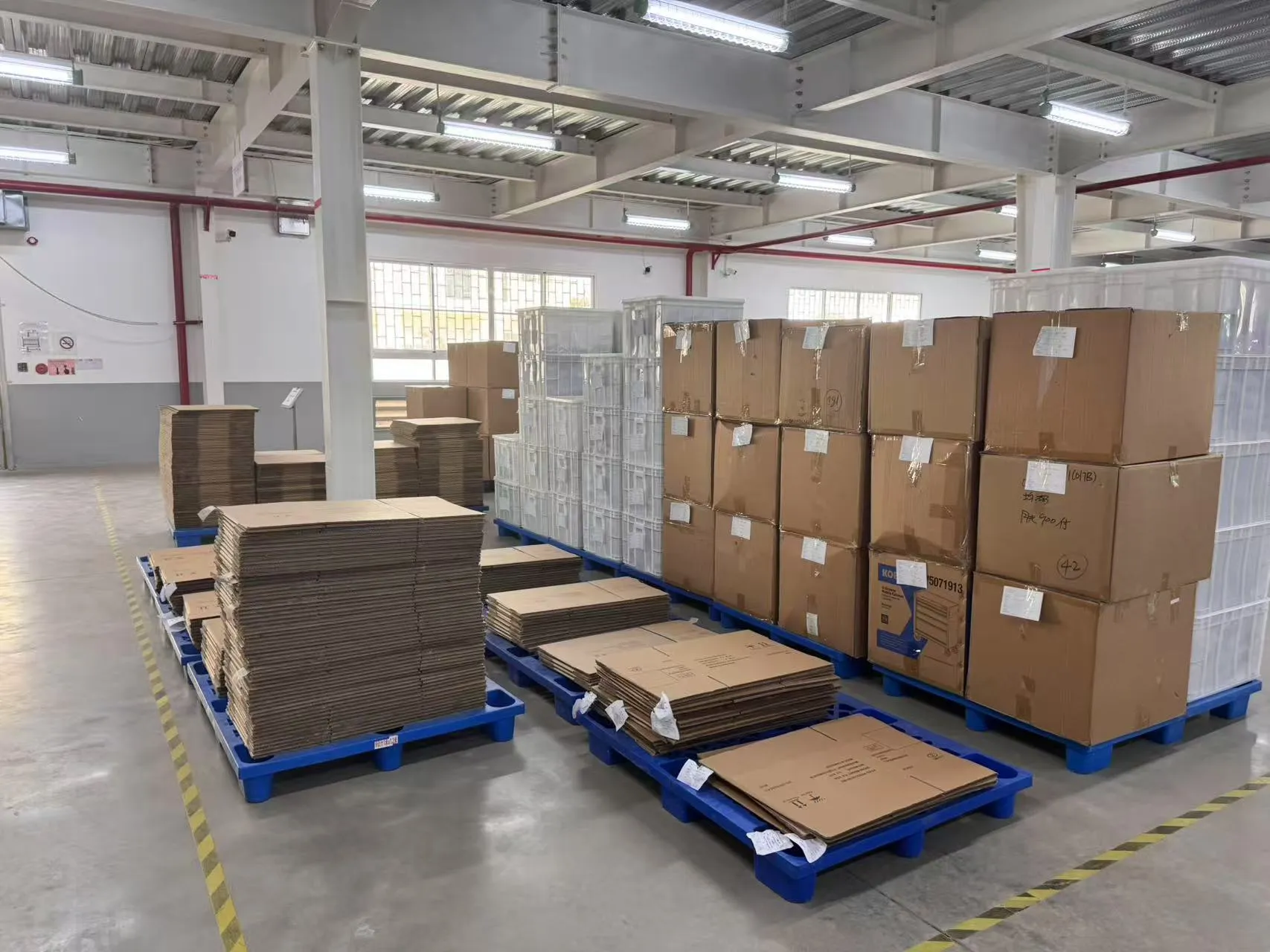
For seasonal bulk orders or promotional peaks, Harvest SPF can advise clients to pre-position inventory by shipping products in advance to partner warehouses in Dubai or Riyadh, thereby shortening replenishment cycles.
3.3 Transparent Supply Chain Management
Harvest SPF is actively building a logistics visualization system. In the future, it will connect with client ERP systems through API interfaces, enabling:
real-time order tracking
exception alerts
delivery confirmation
Meanwhile, Harvest SPF provides an Arabic-speaking customer service team to support Middle Eastern clients with localized communication and quick responses to logistics inquiries and after-sales issues.
4. Customized Logistics Solutions for Middle Eastern Clients
4.1 Bulk Orders and Seasonal Inventory Management
Harvest SPF provides inventory forecasting services based on historical sales data, helping clients plan stocking quantities more accurately and avoid losses caused by stockouts or overstock.
For major regional promotional events such as Ramadan and White Friday, Harvest SPF can coordinate production schedules and transportation plans with clients in advance to ensure products are available on shelves on time.
4.2 Customized Delivery Experience
Harvest SPF supports localized services such as:
Arabic labeling
packaging materials compliant with GCC standards
culturally appropriate packaging design
These services enhance the brand’s professional image in the Middle Eastern market.
For lightweight products such as sportswear, Harvest SPF can optimize packaging volume and weight to reduce logistics costs while improving delivery efficiency, thereby improving the consumer experience.
5. Harvest SPF’s Operational Experience and Practical Cases in the Middle Eastern Market
5.1 Understanding Culture and Market Demand
Harvest SPF has deep insights into Middle Eastern consumers’ needs for functional clothing features such as:
breathability
sun protection
religious compatibility
The company recommends that clients prioritize stocking products suited to local climates and lifestyles.
5.2 Successful Case Study
A client was an emerging Saudi local sportswear brand specializing in high-performance sports T-shirts.
Before Ramadan, one of its flagship products experienced unexpectedly strong demand, causing an urgent inventory shortage. The client needed to replenish 500 units within 30 days, otherwise they would miss the Ramadan sales peak.
However:
Standard sea freight requires 25–30 days, which could not meet the deadline.
Since 2021, Saudi Arabia has required all imported products to pass SABER certification.
Textile products must also meet certain testing standards from the SFDA (Saudi Food and Drug Authority).
The client had never worked with Harvest SPF before and had doubts about cross-border logistics capabilities.
After receiving the inquiry, Harvest SPF formed a special project team within 2 hours, including members from sales, logistics, and compliance departments.
The solution included:
Air freight priority plan: direct flight from Guangzhou to Riyadh with fully reserved cargo space to ensure stable capacity
Simultaneous launch of Saudi SABER certification assistance, preparing product test reports, certificates of origin, and commercial invoices in advance
Within 20 days, the goods were delivered from the Chinese factory to the client’s warehouse in Saudi Arabia — 10 days earlier than the client’s original expectation.
The client highly recognized Harvest SPF’s response speed and professional capabilities.
6. Market Trends and Logistics Development Outlook
6.1 Growth Trends of Middle Eastern E-Commerce and Logistics
With the increasing penetration of cross-border e-commerce, the demand for efficient, transparent, and traceable logistics services in the Middle East will continue to grow.
Logistics capability will become one of the key competitive advantages for brands entering the Middle Eastern market.
6.2 Technological Innovation and the Future of Logistics
In the future, Harvest SPF will continue to introduce advanced technologies such as:
digital warehousing
AI route optimization
intelligent customs clearance systems
to improve logistics efficiency.
At the same time, Middle Eastern countries are increasing investment in logistics infrastructure, such as:
Dubai South Logistics District
Khalifa Industrial Zone in Abu Dhabi
These developments will further strengthen regional distribution capabilities.
7. Frequently Asked Questions (FAQ)
7.1 Logistics and Transportation
Q: Can Harvest SPF ensure on-time delivery for Middle Eastern orders?
A: Through partnerships with logistics providers such as DHL and Aramex, combined with multi-modal transportation and forward warehouse strategies, Harvest SPF achieves over 95% on-time delivery rate.
Q: How can delays caused by complicated customs procedures be avoided?
A: Harvest SPF and its long-term freight forwarding partners provide complete customs clearance documentation, including certificates of origin, SABER certification, invoices, and coordination with local customs brokers.
Q: How are urgent orders handled?
A: Harvest SPF provides air freight priority channels or regional warehouse stock allocation services, enabling delivery within 10–15 days at the fastest.
Q: Do you support customized logistics and packaging services?
A: Yes. Harvest SPF supports custom brand labels, packaging, manuals, and localized materials that meet import requirements in Middle Eastern countries.
8. Conclusion
With professional logistics strategies, localized service capabilities, flexible transportation solutions, and extensive practical experience, Harvest SPF helps Middle Eastern clients transform complex logistics challenges into efficient delivery capabilities.
This ensures that every piece of sportswear arrives on time, safely, and professionally, supporting brands to grow steadily and sustainably in the Middle Eastern market.
The golden era of Middle Eastern e-commerce has arrived, and logistics capability will determine how far your business can go in this promising market.
Whether you are:
a sportswear brand just entering the Middle Eastern market, or
an experienced wholesaler looking to expand your business,
Harvest SPF will be your most reliable logistics partner.
Why Choose Harvest SPF?
✅ We Understand the Middle East — and Your Needs
Years of experience in Middle Eastern logistics
Familiar with customs regulations, cultural practices, and market characteristics
From SABER certification to Arabic labeling, we remove localization barriers for you
Proven real-world cases show that we can save time in emergencies and protect your shipments in crises
✅ We Provide Customized Solutions, Not Standardized Services
Every order receives a tailor-made logistics plan based on product characteristics, budget, and delivery requirements
Flexible solutions for bulk sea freight, urgent air freight, and forward warehouse inventory
We are not just a carrier — we are your supply chain strategic partner
✅ We Make Logistics Transparent, Controllable, and Predictable
Real-time tracking systems keep you informed about shipment status
Proactive risk warning mechanisms
Multilingual customer service teams ready to respond to your needs at any time
9. Contact Us and Request Samples
Learn More:
If you would like to learn more about how we help the Middle Eastern market solve logistics challenges and provide customized services, please click the link below to contact us.
Request Samples:
Please contact us to request samples and learn more about our product quality and services.
Email: joy@spftex.com
WhatsApp: +86 18310458626