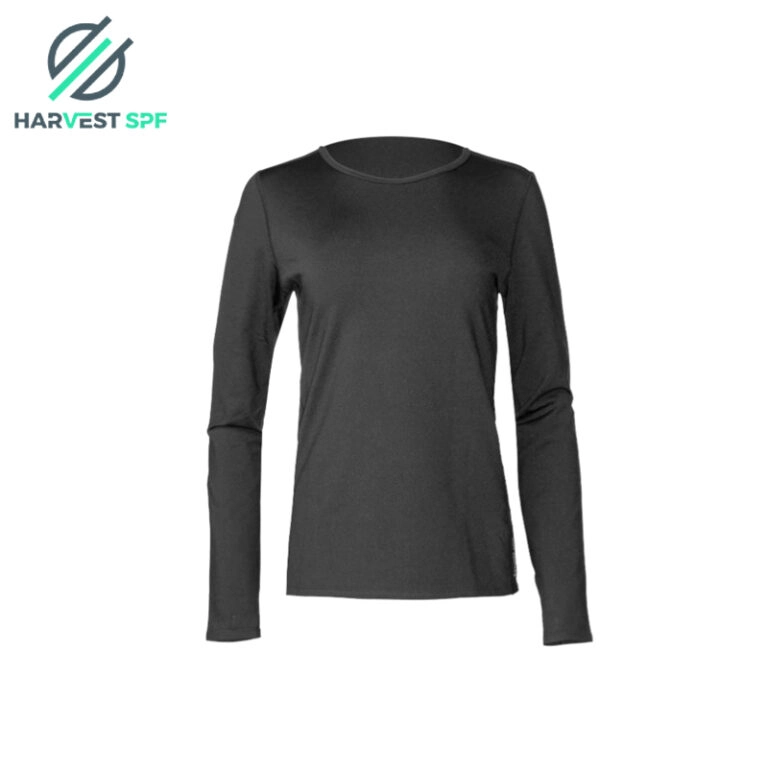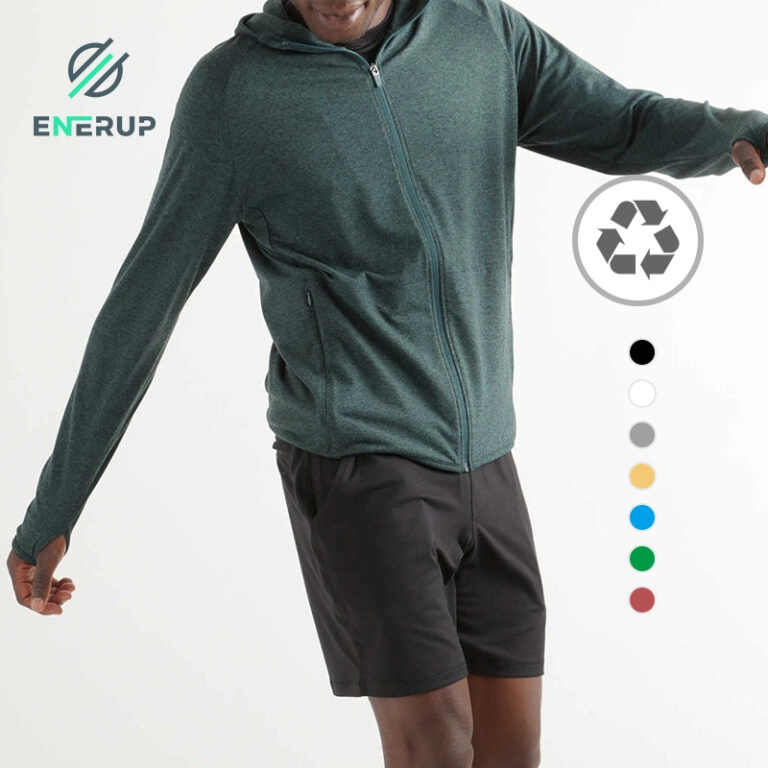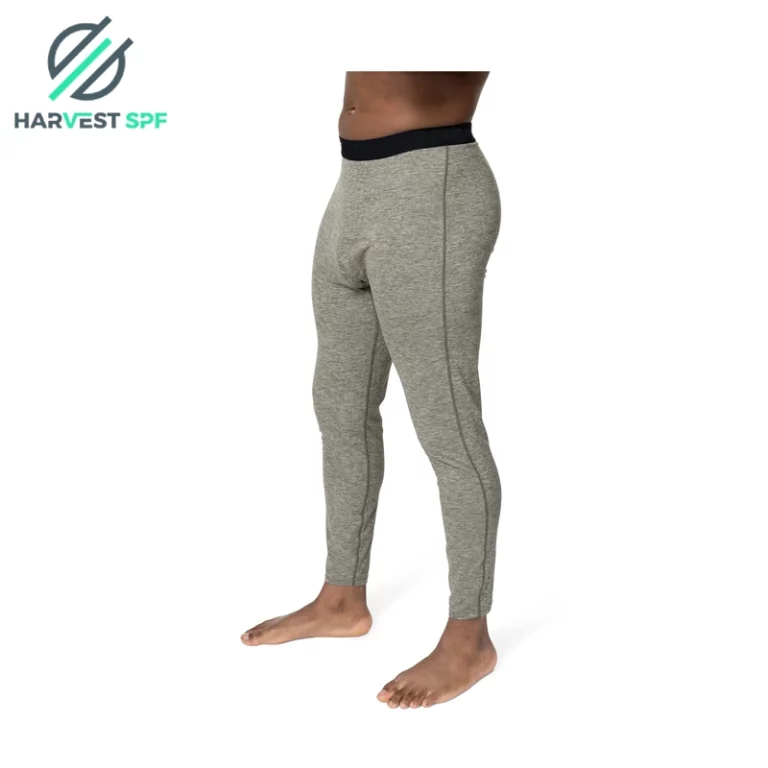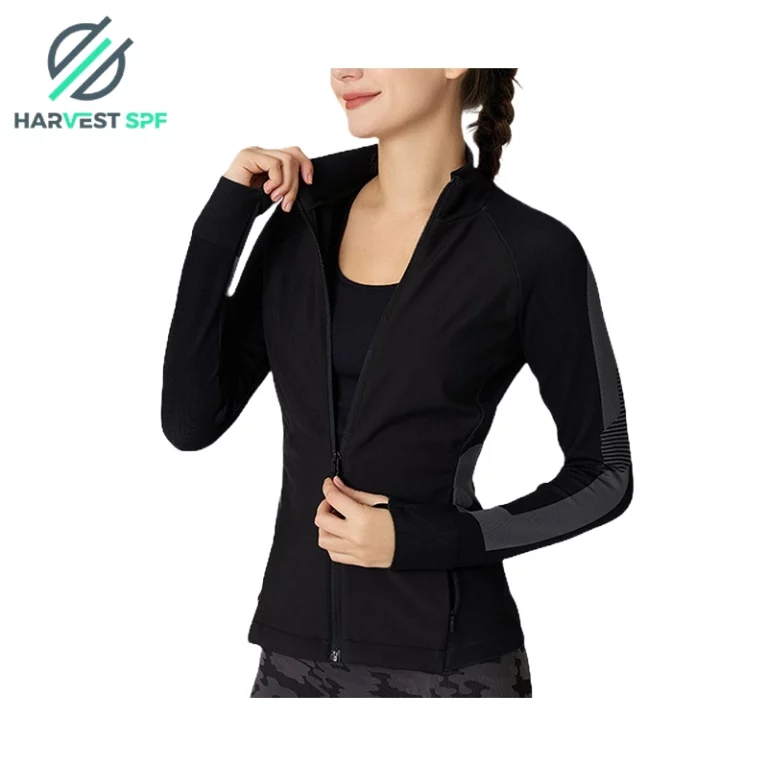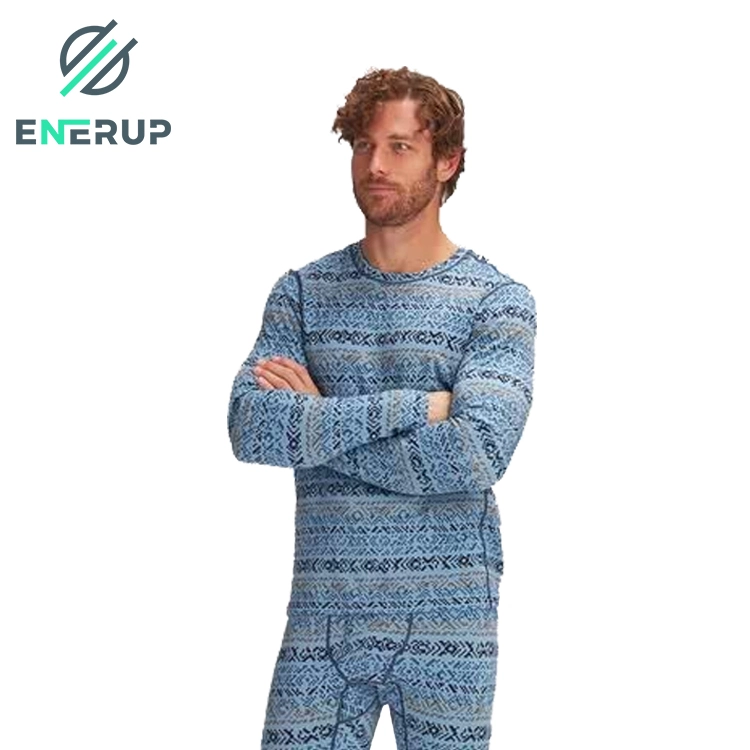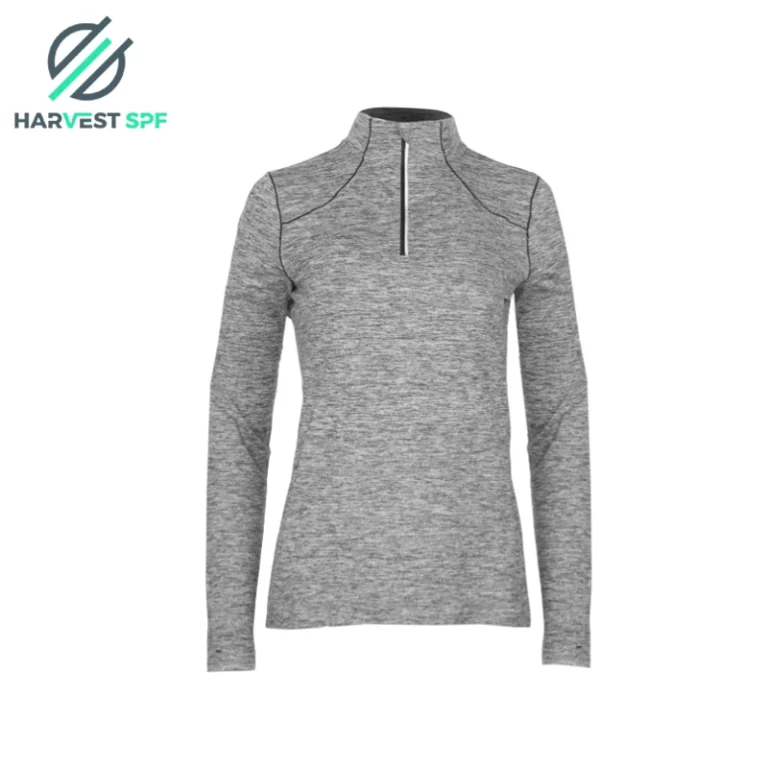

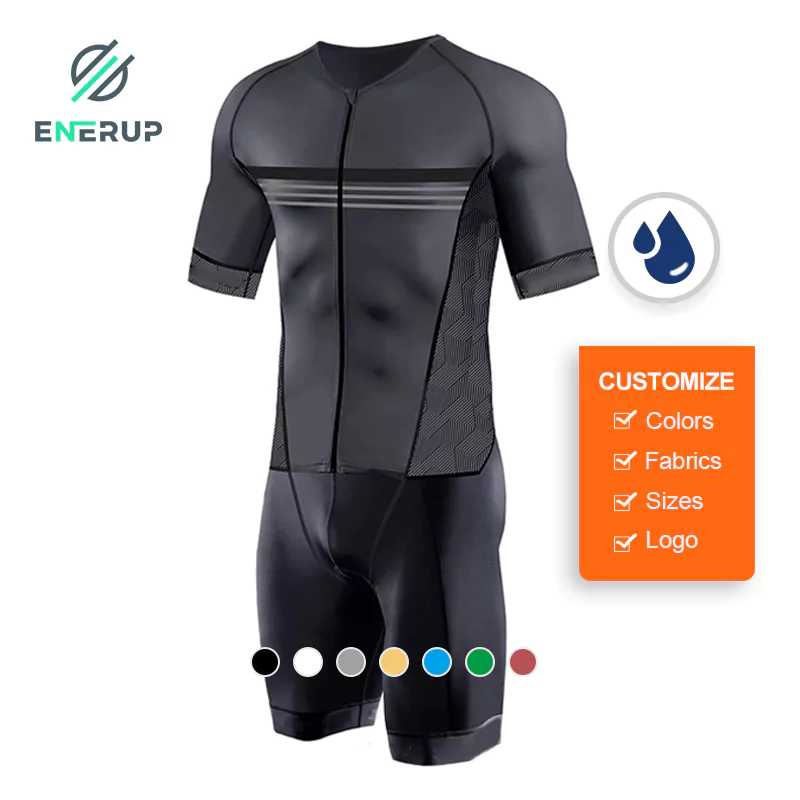
Picture this. You’re pushing hard on a long climb. The sun feels hot on your back. You are working at your limit. In this moment, your cycling jersey becomes your most important piece of gear. It is not just clothing anymore. It works like your own personal cooling system. Why do you feel cool and dry in one jersey, but wet and sticky in another? The secret lives in the fabric itself. It is a story that starts with a single thread. Some companies really know how to make this special fabric. Take Harvest SPF Textile Co, Ltd, for example. They have been making these smart fabrics for over ten years. They are experts in creating cloth that pulls sweat away and makes you feel good. You can see their smart way of making fabric on their website.
What Is the Foundation of All Performance Fabrics?
Every great cycling jersey begins with a simple idea. It needs to pull sweat from your skin, and it needs to do it quickly. This whole process starts with the fiber. Think about cotton. It soaks up water and holds it right next to you. This feels cold and heavy. Synthetic fibers are different. They are made to fight water.
So, why do most great jerseys use synthetic fibers? Polyester is the real hero here. Its tiny shape lets it pull moisture through a special action. This is called wicking. Imagine the fiber is a tiny straw. It drinks your sweat from your skin and pulls it to the outside of the fabric. There, the air can dry it. This keeps you much drier. It also stops you from getting cold after you finish your ride. Another fiber called Nylon is often mixed in. It is famous for being super strong. It helps the jersey last longer, even with lots of use. Then we have Merino Wool. This is a natural magic. Its fibers can take in moisture without feeling wet. They also naturally fight bad smells. This makes them perfect for long trips or for anyone who wants to stay fresh.

How Is Fabric Engineered for Action?
Single fibers are just the beginning. The real magic happens when they are spun and woven into cloth. This is where science turns into something you can wear. The aim is to make a fabric that moves sweat, lets air in, stretches with you, and doesn’t wear out.
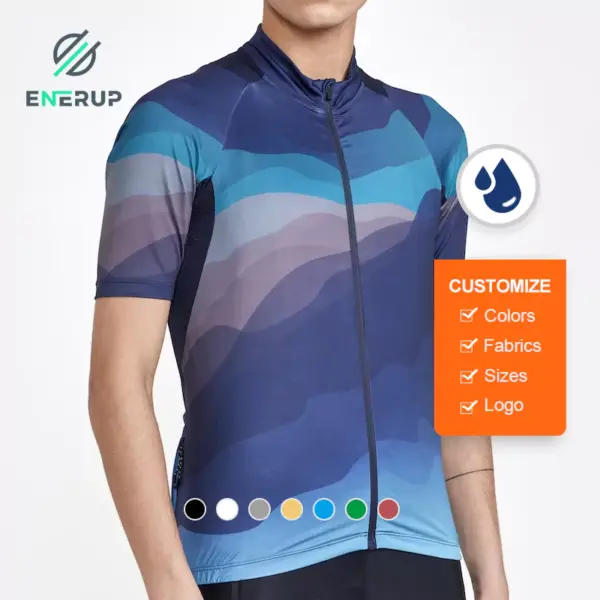
How the cloth is knitted really matters. Often, one cycling jersey will use different knits in different places. You will find mesh panels in the hottest spots, like under your arms. This mesh has a loose, open weave. Its job is to let as much air through as possible. It acts like a tiny window for your skin. The main part of the jersey uses a stretchy knit. This lets the fabric move in all directions. It moves with your body when you change position on the bike. Besides the weave, the fabric gets special treatments. Some finishes help it pull sweat even better. Other treatments stop stinky bacteria from growing. This keeps the jersey smelling fresh. It is this mix of smart weaving and special finishes that makes the fabric so active. To see how this comes together in a real product, you can check out this cycling jersey.
What Are the Real-World Tests of a Great Fabric?
All the technical details are nice, but how does the fabric feel on a real ride? The best fabrics perform well in all sorts of situations a cyclist faces. On a boiling hot day, a top-quality fabric makes you feel cooler. The drying process itself takes heat away. A fabric that is good at this can make a hot ride feel much better. What if you get splashed with water? A good jersey will not get heavy and wet. It will let the water run off and dry in no time.
How long the jersey lasts is another big test. Can it handle the rub from a backpack? What about friction from the saddle? A strong fabric that mixes in nylon will handle this much better than a very thin, delicate one. The biggest test is how the jersey acts after many, many rides. After lots of washing and miles, does it still look good? Does it still pull sweat away? A jersey that still works like new after a whole season is a winner. This shows the fabric was made very well from the very first thread. Specialists like Harvest SPF Textile Co, Ltd work on making these strong, smart fabrics for all kinds of active wear.
How Do You Match the Fabric to Your Ride?
With so many choices, how do you pick the right one? Think about how you ride most often. If you love speed and ride hard in the heat, choose a light, polyester jersey with lots of mesh. Its job is to be light and cool. If you love all-day adventures, a Merino wool blend is amazing. It keeps you comfortable as the weather changes. It also fights smells, so you still feel fresh many hours later.
For the rider who wants something tough for all conditions, a polyester-nylon mix is a great pick. It gives you good performance and can take a beating. It works well on rough roads and will last for years. In the end, buying a jersey with great fabric is a smart choice for your ride. It is the difference between noticing your damp shirt the whole time, and forgetting about it completely. Then you can just focus on the joy of cycling. If you want to look at a group of jerseys made with these ideas, the outdoor thermal section is a good place to start.
FAQ
Q1: Is polyester always the best choice for a cycling jersey?
A: Polyester is fantastic for most rides because it dries so fast. But for long tours where you cannot wash often, Merino wool is better. It handles smells naturally.
Q2: How can I tell if a fabric will be durable just by looking at it online?
A: Read the description carefully. Look for words like “tough weave,” “hard-wearing,” or “with nylon.” These all point to a jersey that is made to last. Reviews from other riders also help a lot.
Q3: Why does my expensive jersey still feel wet sometimes?
A: Even the best fabric has a limit. When you sweat a huge amount, the fabric can only work so fast. It is still moving the moisture out. It is working to keep you as dry as it can.
Q4: What is the biggest mistake people make when choosing a jersey fabric?
A: Many people pick the lightest and thinnest jersey. But sometimes, a very thin fabric is not very strong. It might also stick to your skin. A slightly stronger fabric often feels better.
Q5: Can a fabric really help keep me warm as well as cool?
A: Yes, it can. Staying dry is the key to staying warm. A dry jersey stops the wind from making you cold on a fast downhill. Some jerseys even have a soft, fuzzy inside that traps a little warm air to keep you cozy.