
Most people think wool is just for winter. They imagine heavy sweaters and cold snow days. But what if the same fabric could keep you feeling good in spring, summer, and fall? Merino wool does exactly that. It’s not just about keeping warm. It’s a smart system that helps control your body temperature. This article looks at how merino wool keeps you comfortable in all kinds of weather.
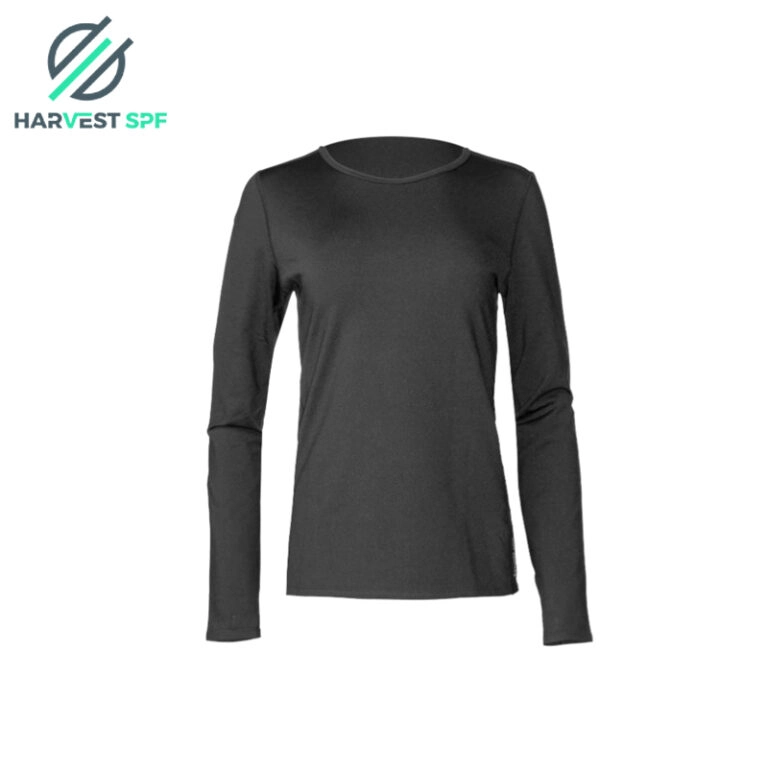
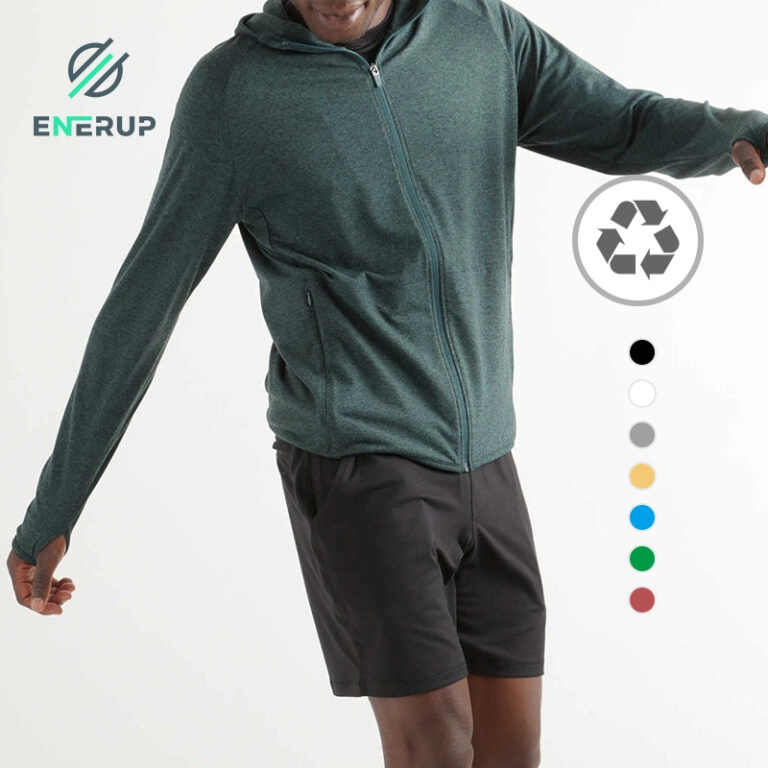
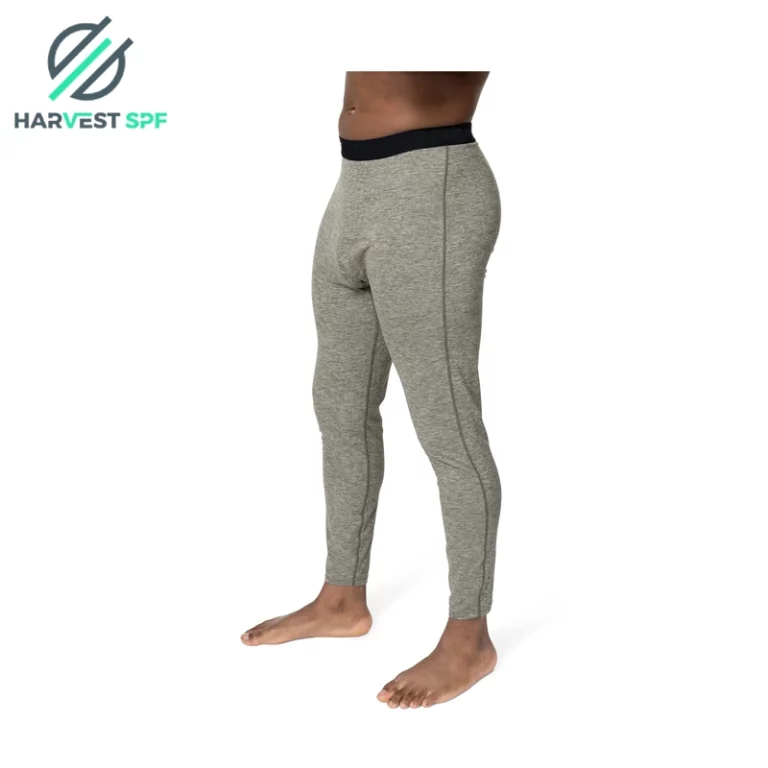
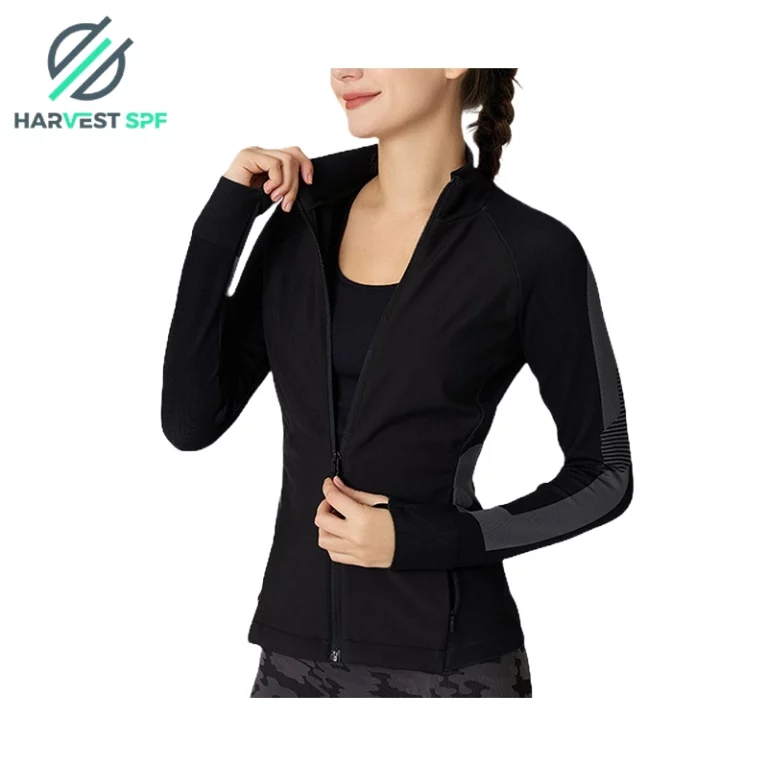
The special thing about merino wool is its fiber structure. Regular wool can feel rough and thick. But merino wool fibers are very thin and soft. This lets companies make better fabrics from it. Harvest SPF Textile Co., Ltd. knows how to work well with this material. Their way of making Merino wool base layers keeps the wool’s natural good points. They also make it stronger and better fitting. They choose good wool and use careful knitting methods. This turns raw wool into clothes that really help your body.
How Does Merino Wool’s Fiber Structure Create Natural Insulation?
If you look at merino wool under a microscope, you see something special. The fibers have a natural bend to them. They curve and wave. When made into yarn, these curves create many small air pockets. These air pockets work like natural insulation. They trap your body heat when it’s cold outside. The bend in the fibers also makes merino wool stretchy. This means it keeps its air pockets even when you move around.
The fiber surface has tiny scales. They overlap like fish scales or roof shingles. These scales help control heat and make you warmer. More importantly, they help the wool handle moisture well. The scale structure gives the fiber lots of surface area. This helps it work well with both moisture and air. This complex design is why merino wool beats man-made fabrics in changing weather.
What Happens When Merino Wool Encounters Moisture?
This is where merino wool shows how smart it is. When you sweat, merino fibers take in water vapor from your skin. This taking in process makes a little bit of heat. It’s called adsorption thermodynamics. In simple terms, this means when sweat starts making you feel cold, merino wool actually makes warmth to help.
Man-made fabrics move liquid sweat to the outside. Merino wool works with water vapor instead. The fibers can take in a lot of moisture before feeling wet. This stops that damp, sticky feeling you get with other materials. As the air around you changes, the wool slowly lets out this stored moisture. If you go from cold, dry air to warmer, wetter air, the wool lets out moisture to help cool you.
How Does Merino Wool Breathe Across Different Conditions?
Breathable fabric isn’t just about having holes. Merino wool breathes through a smart system of fiber spacing and moisture control. The natural bend in the fibers stops them from packing too tight. This makes permanent air channels throughout the fabric. These channels let air move and water vapor escape, even when the fabric looks thick.
The amazing part is how this system changes with your activity. When you’re not moving much, the wool keeps steady air flow to prevent getting too hot. When you exercise more and make more body heat and sweat, the fibers get a bit bigger with absorbed moisture. This swelling actually makes bigger paths for vapor to escape. It’s a self-adjusting system that needs no technology—just the natural intelligence of the fiber structure.
Why Does Merino Wool Feel Comfortable Across Temperature Ranges?
Merino wool feels comfortable because it responds to weather changes. In cold conditions, the trapped air pockets give good insulation. But unlike some materials that can make you too hot during activity, merino wool controls heat buildup through its moisture cycle. This stops sudden temperature changes that make other base layers uncomfortable during mixed activities like hiking with ups and downs.
In warm conditions, merino’s cooling system works. The slow evaporation of stored moisture from the fiber surface makes a steady cooling effect. This is very different from synthetic materials that dry quickly. Those can sometimes cool too fast and make you feel chilled. Merino wool keeps a more stable environment next to your skin. It avoids the big temperature changes that make you uncomfortable.
How Should You Choose Merino Wool Base Layers for Different Seasons?
Picking the right merino wool clothes means thinking about weight and how they’re made. Lighter weights around 150-200 gsm work well for summer and hard exercise. They give enough warmth but let lots of air through. Middle weights around 200-250 gsm are good for spring and fall. Heavier weights above 250 gsm work well for winter sports and cold weather when you’re not moving much.
How the fabric is knitted matters too. Some use tight knitting to block wind. Others focus on stretch and air flow. For most uses, a balanced knit around 200 gsm works best across seasons. The great thing about merino wool is that even lighter weights give good warmth when needed. This is thanks to the fiber’s natural temperature control.
FAQ
Q1: Can merino wool really keep me cool in hot weather?
A: Yes, through its moisture system. The absorbed water vapor dries slowly from the fiber surface, making steady cooling instead of sudden chills.
Q2: How does merino wool compare to synthetic fabrics for temperature control?
A: Synthetic fabrics are good at moving liquid sweat quickly. Merino wool handles water vapor and gives more steady temperature control during different activity levels.
Q3: Is merino wool too warm for summer hiking?
A: Not always. Lightweight merino wool (150 gsm or less) works for summer activities because it protects from sun while handling sweat well.
Q4: Why does merino wool feel warmer than synthetic fabrics of the same thickness?
A: The natural curves create more air pockets for insulation, and the fiber’s moisture absorption makes slight warmth when needed.
Q5: How long does merino wool’s temperature control last?
A: The natural fiber qualities don’t go away with washing, so the temperature control stays effective for the garment’s life, usually 2-5 years with good care.