
Basics of Thermal Base Layers
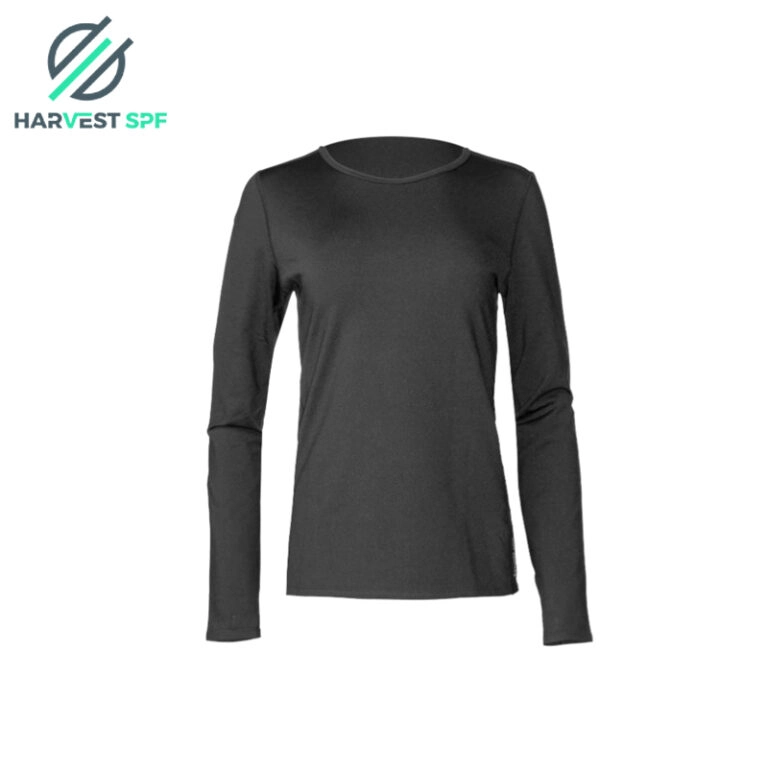
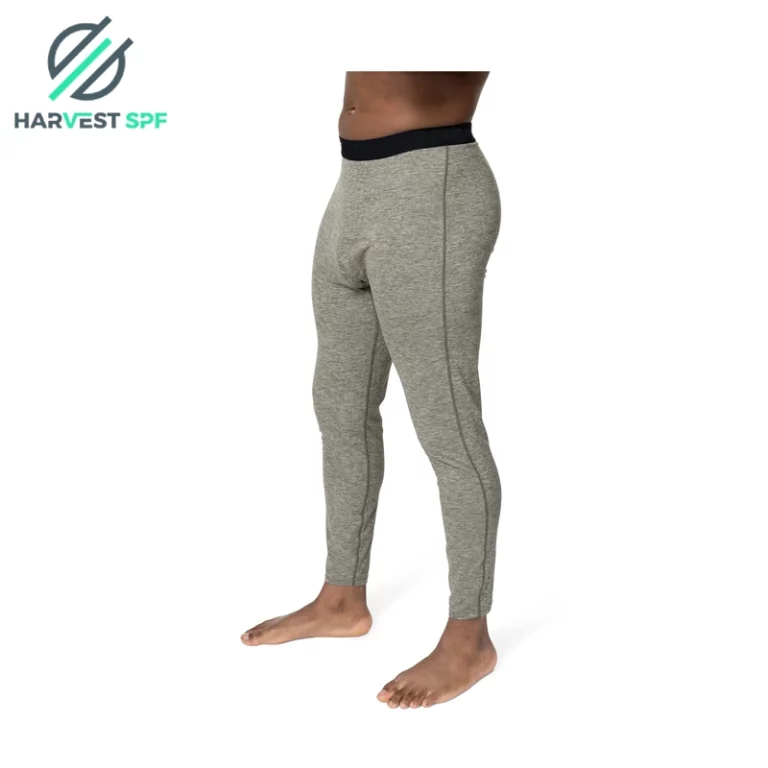
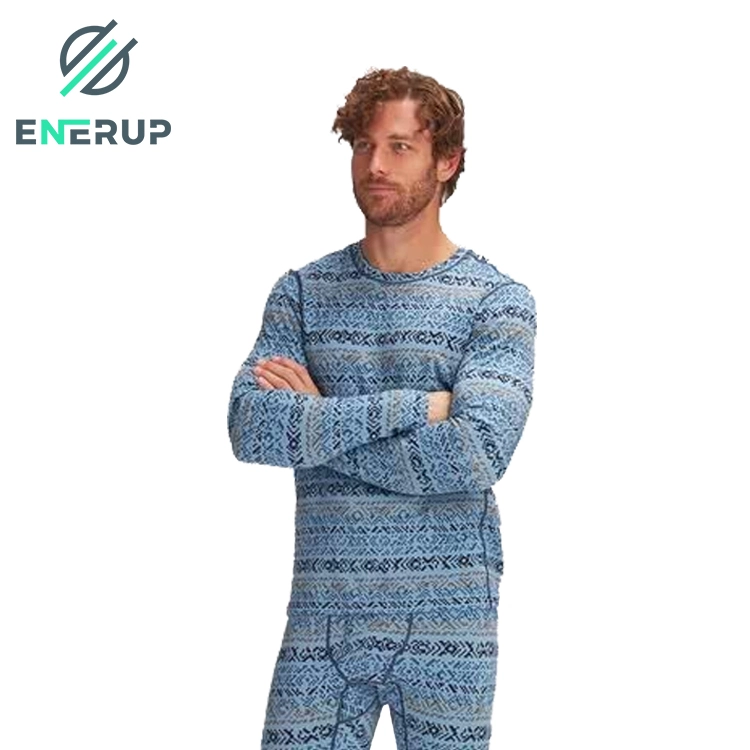
Thermal base layers are the first piece of winter gear. They rest against the skin to trap warmth and wick away sweat. These layers keep the body at a comfy temperature. They form a snug, cozy space while pulling dampness off the skin. Their performance depends on the material, thickness, and fit.
They’re really important for staying toasty and avoiding that chilly feeling that can spoil outdoor fun. Whether racing down snowy slopes or fishing by a frozen lake, a good base layer keeps the body dry, warm, and happy during adventures.
Factors to Consider When Choosing a Base Layer
Activity Level
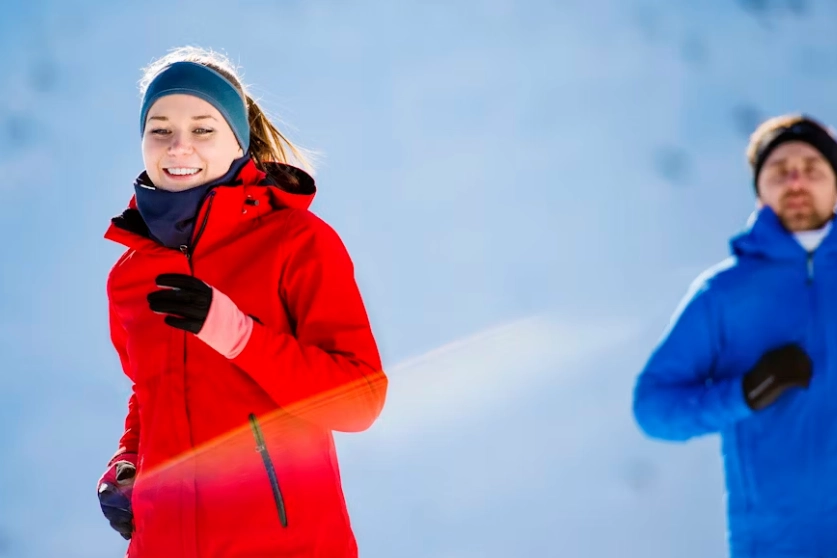
How much movement happens decides the best thermal base layer. For fast activities like skiing or snowshoeing, choose thin, airy fabrics that manage sweat well. High-energy sports like skiing or snowboarding need light, breezy layers to prevent overheating. For slower tasks like ice fishing, thicker materials that hold heat are the way to go.
Weather Conditions
Consider temperature, wetness, and wind when picking gear. In snowy or rainy weather, a base layer that wicks moisture is key to avoid getting soaked and dangerously cold. For super frosty days, layering with medium or heavy thermal gear offers extra protection.
Material Properties
Merino Wool: Natural Insulation and Odor Resistance
Merino wool is a favorite for thermal base layers. It naturally keeps the body warm and fights bad smells. It’s soft, breathable, and cozy, made from a Merino Wool mix that’s light and stops odor buildup. Plus, it pulls sweat away and stays warm even when damp. It also keeps feet dry with its moisture-wicking magic.
Synthetic Fabrics: Quick-Drying and Durable
Man-made materials like polyester and nylon are tough and dry quickly. They’re perfect for active folks where sweat management matters. For example, men’s cycling jersey short sleeves use fast-drying fabric. This wicks moisture and keeps the body feeling great.
Blended Fabrics: Balancing Performance and Comfort
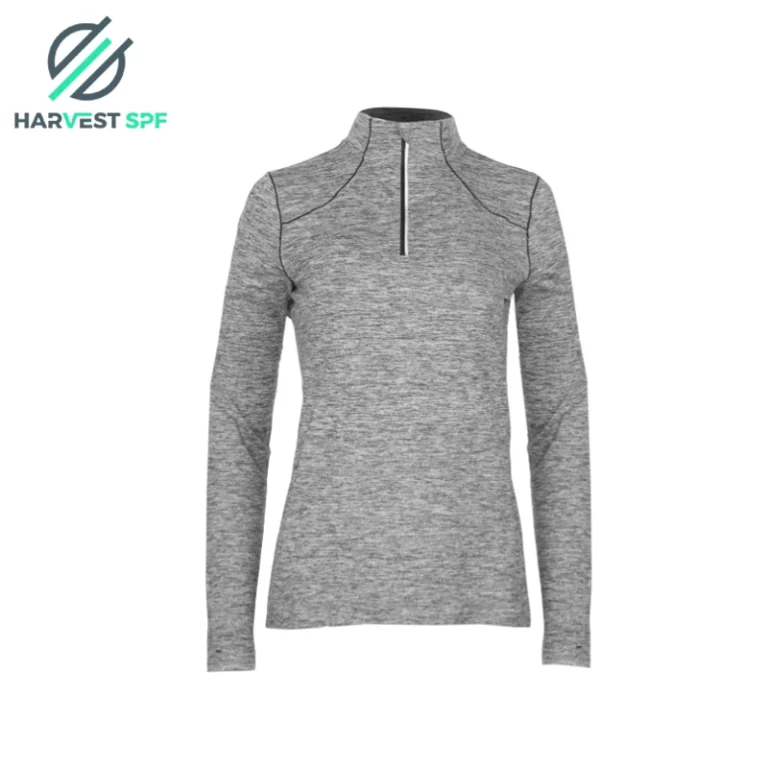
Blended fabrics mix the best of natural and synthetic fibers. Harvest SPF Textile Co., Ltd, for example, uses blends like 40% merino wool with 40% acrylic or 27% bamboo viscose with merino wool. These are airy and stretchy. They’re sustainable, breathable, warm, moisture-wicking, odor-fighting, soft, cozy, and stretchy.
Fit and Weight: Lightweight, Midweight, and Heavyweight Options
Base layers come in different thicknesses for various weather and activities:
- Lightweight: Great for sweaty, fast sports.
- Midweight: Nice balance of warmth for medium effort.
- Heavyweight: Best for freezing days or low-movement tasks.
The weather outside helps choose the right material and thickness for the base layer.
Base Layer Recommendations for Different Activities
Skiing and Snowboarding
Ideal Fabric Choices for Dynamic Movement
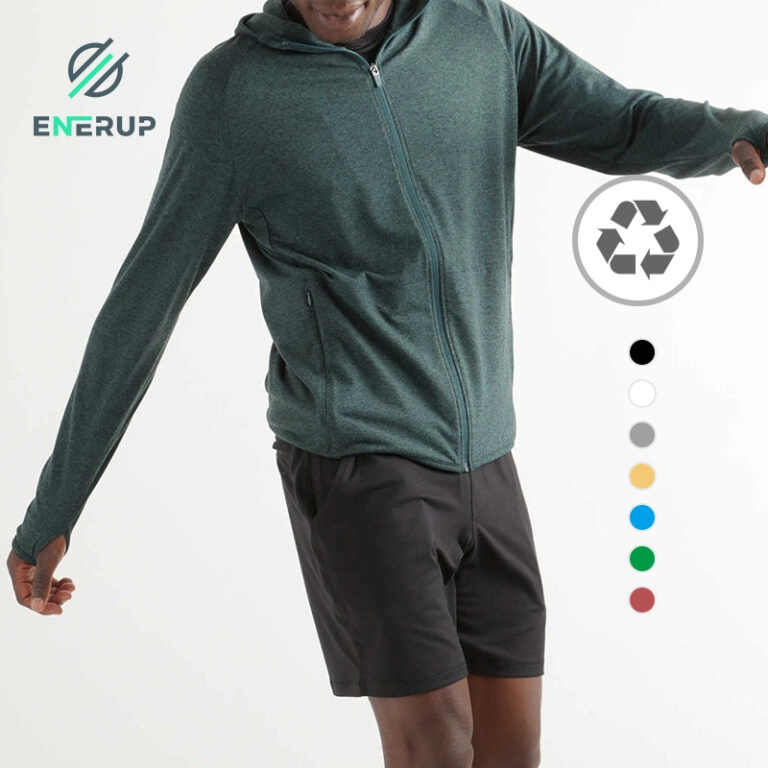
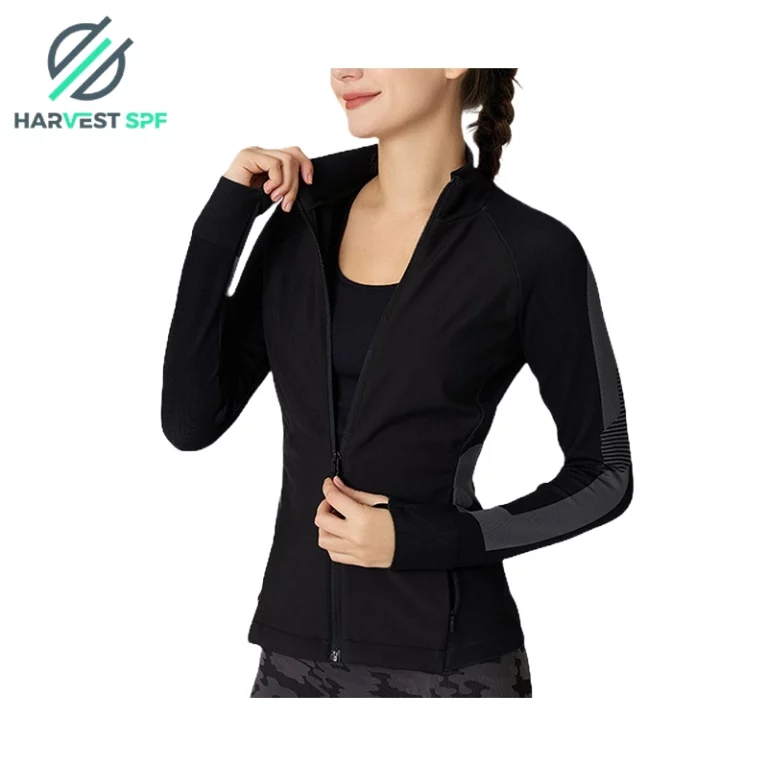
Skiers love light, sturdy fabrics that allow easy movement. Harvest’s cycling jerseys share similar traits, perfect for lively winter sports. They use lightweight material with tidy stitching, ideal for all outdoor fun, no matter the skill level.
Layering Strategies for Changing Altitudes
Altitude changes can shift temperatures fast. A thin thermal base layer under a medium fleece lets you adjust comfortably without losing warmth.
Hiking and Snowshoeing
Breathability and Moisture Control in Motion
These activities need fabrics that handle sweat during long walks. Medium-weight blended merino wool layers are awesome. They let air flow while keeping the body toasty.
Managing Heat During Uphill Climbs
On steep climbs, the body heats up quickly. The base layer must wick sweat fast to prevent buildup. Harvest excels at crafting sports fabrics that soak up moisture, cool the body, and stay breathable.
Ice Fishing or Stationary Activities
Maximizing Insulation for Minimal Movement
For low-movement winter tasks like ice fishing, heavy thermal gear is key to trap heat for hours. Merino wool blends with more acrylic or nylon offer great warmth while staying soft to the touch.
Importance of Heavier Weights and Wind Resistance
Full thickness and padding under the foot gently support and protect the arch. Plus, high-quality merino wool socks keep feet warm and dry during treks. Pairing windproof outerwear with heavy thermal base layers shields against sharp winds common in ice fishing.
Care and Maintenance
Washing Guidelines for Longevity
To keep base layers working well for ages:
- Use cold water.
- Choose a mild soap.
- Avoid fabric softeners.
- Air dry when possible. Enjoy a scratch-free snowy day with this awesome merino wool blend. It’s machine washable and built to last.
Proper Storage Between Seasons
Store clean gear in breathable boxes, away from sunlight or damp spots. This prevents mold and keeps the fabric stretchy.
Maintaining Fabric Performance Over Time
Avoid machine drying too often, as it can wear out stretchiness. Always check care labels, especially for gear from Harvest SPF Textile Co., Ltd.
FAQ
Q1: What’s better—merino wool or synthetic?
A1: Merino feels softer and fights smells better; synthetics are tougher and dry faster.
Q2: Can I wear my thermal base layer by itself?
A2: Yes, but only in mild weather or indoors. It’s mainly for layering setups.
Q3: How often should I wash my base layers?
A3: After heavy use. Merino can be worn a few times due to its odor-blocking power.
Custom Thermal Base Layer from Harvest SPF Textile Co., Ltd
Started in 1993, Harvest SPF Textile Co., Ltd lives by Dress for Health, Dress for Energy. They focus on research, development, and custom production. Their products include seamless designs using Santoni machines with MOQs starting at 500 pcs per style/size/color combo. Seamless isn’t like cut & trim, and the MOQ stays at 500 pcs per style per color per size.
Harvest SPF Textile Co., Ltd’s custom steps are:
1 – Design & Techpack creation
2 – Picking fabrics (like Merino wool blends)
3 – Making samples & fitting
4 – Large-scale production with quality checks
They specialize in crafting base and mid-layers, suggesting ideal fabrics for retail needs. Their eco-friendly choices include Merino Wool mixed with TENCEL™, Bamboo Lyocell®, and Organic Cotton. These blend performance with a green focus. They offer a wide range of sustainable fabrics like Merino Wool, TENCEL™, and Bamboo Lyocell.
For shop owners wanting private-label options or direct-to-consumer brands targeting green markets, Harvest has a skilled trade team. Their main buyers are big retailers and Amazon sellers. Teaming up with Harvest SPF Textile Co., Ltd means getting top-quality products backed by years of expertise in functional textiles.