

Passion for sports and fashion often sparks many successful sportswear businesses. Starting an activewear line brings chances for new ideas and expansion. Yet, the early steps need careful planning.
Harvest SPF, a top manufacturer in functional textiles since 1993, focuses on sustainable ODM/OEM solutions for sportswear. They offer skills in green fabrics like merino wool and recycled polyester. This helps brands go from idea to production. With more than 30 patents and customers in 60 countries, Harvest SPF makes it easy to add performance-focused designs.

Step 1: Identify a Problem in the Market
A strong sportswear brand starts with spotting unmet needs in the industry. Do not rush into branding. Begin with market research to find gaps.
Successful founders, such as Christian Guzman of Alphalete, Lewis Morgan, Ben Francis of GymShark, and Phil Knight of Nike, all used specific shortages in athletic clothing. They turned simple observations into big companies through hard work and smart choices.
The sportswear world is huge. Finding a clear segment is vital. Solving a specific problem guides choices like customer profiles and marketing. For example, 2XU grew by meeting the need for compression garments that boost recovery and performance.
Define your niche with two main questions:
- What shortages exist in current products?
- What unique value can the brand give?
This method creates clear focus. It matches real demand and sets the brand apart in a crowded market.
Step 2: Create Your Customer Avatar
After finding a market gap, build a clear customer avatar. This profile describes the main buyer. It shapes product creation and marketing plans.
Key points include:
- Demographics: Age groups, jobs, and locations. Think about family status, like singles or parents.
- Lifestyle: Daily habits, from work at home to active jobs.
- Preferences: Favorite sports or activities. Tell apart casual athleisure fans from those who want top performance gear.
- Pain Points: Issues with current clothes, such as poor fit or low durability, that your line can fix.
A good avatar lets you make sportswear that fits well. It helps the brand stand out in tough competition and builds loyalty through real connection.
Step 3: Designing Your Logo
Brand identity begins with a logo. This visual element captures the brand’s core. It needs careful work.
Components of a Logo
Logos combine two parts: the wordmark with the brand name in custom text, and the emblem as a graphic symbol. Together, they make a strong mark.
Recognizing the Importance
A logo is more than art. It builds quick recognition. It shapes how customers see the brand over time.
Logo Creation Options
Many tools exist for logo design. Free online generators give basic templates with fonts and icons for fast creation. Advanced users prefer Procreate on iPad or Adobe Illustrator on various devices. These allow exact blending of text and symbols for unique results.
Choosing Fonts for Your Logo
Font choice shows personality. In recent years, bold sans-serif fonts lead. They suggest modern style and sharpness—perfect for sportswear. Examples include clean, strong typefaces that stay readable and energetic.
Hiring Professional Logo Design
For better results, hire experts. This matches business goals. Though it costs more, skilled work raises value and makes the logo memorable.
The logo is the first thing people see. It affects interest. Make it yourself or hire help. Either way, it must show values, spirit, and goals. This builds a strong base for identity.
Step 4: Developing Your Product Line – What Will You Offer?

Product line creation mixes strategy and creativity to turn ideas into real items.
Determining Launch Timing
Timing affects choices. Fashion follows seasons. Launch winter items like warm layers or summer pieces like breathable clothes. This fits customer needs.
Defining Your Minimum Viable Product (MVP)
Focus on a simple MVP first. It solves the main problem without extras. This keeps costs and time low. It allows later improvements. A performance line might start with 12 basic items.
Selecting Product Types
Seasons guide picks. Winter launches can include warm joggers, flexible hoodies, and long-sleeve tops. This keeps everything connected and appealing.
Drawing Inspiration and Creating a Mood Board
Visual boards spark ideas. Use Pinterest to collect images for each category—like joggers or hoodies. Gather pictures that match your vision.
Shaping Your Designs with a Tech Pack
Move from ideas to action. The tech pack gives exact details to production partners. It links design to making.
Step 5: Financial Planning and Budgeting
After picking products, plan money. Good budgeting keeps the business going. Many startups fail due to poor finance. Forecast early.
Main costs include:
- Design and development: Tech packs, prototypes, and first runs.
- Website and e-commerce setup: Domain, platform, and payments.
- Marketing: Digital ads, partnerships, and outreach.
- Business registration and legal fees: Incorporation, trademarks, and rules to avoid issues.
List costs upfront. This checks if the idea works. It helps use resources well for growth.
Step 6: Create a Line Sheet and Begin Prototyping
With budget set, make line sheets. These list the first collection with details:
- Product types: Basics like tees, bottoms, and outerwear.
- Colors and fabrics: Exact shades and material info.
- Features: New things like moisture-wicking or better seams.
Prototyping comes next. Work with makers for real samples. Check and change them to meet standards.
Step 7: Creating a Tech Pack — Bringing Designs to Life
(Note: This step builds on the tech pack idea. It stresses clear records.)
Tech packs act as blueprints for factories. They give exact instructions for custom clothes.
What is a Tech Pack?
This guide tells factories how to build unique garments. It sets custom work apart from basic items.
- Purpose: Gives clear build rules.
- Components: Includes drawings, material lists, variants, sizes, methods, and specs.
Creating Your Tech Pack
Tools like TechPacker make it easier. Templates help beginners with ready setups.
Components of a Tech Pack
- Markup: Sketches or images with notes.
- Material Specification: Fabric details—weight, color, mix.
- Colorway Schedule: Variant lists.
- Sizing Chart: Standard sizes.
- Technical Sheet: Build methods—stitches, finishes.
- Spec Sheet: Hardware info—zips, details.
Careful records reduce errors. They keep products true to the original.
Step 8: Finding Reliable Suppliers – Turning Designs into Products
With tech packs ready, find partners to make visions real. Platforms like Alibaba help pick trusted ones with ratings.
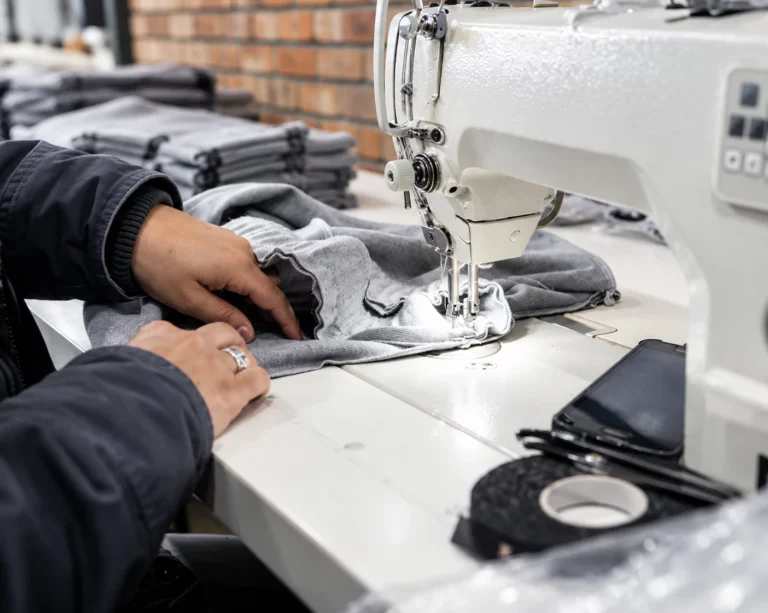
Ask for custom samples to test skills. Avoid plain stock. Choose full-service cut-and-sew makers. They handle fabrics to labels. This simplifies work for new brands.
MOQs usually range from 100-500 units per style. Quotes come after sending details. Fit samples confirm before orders. Production takes 2-3 months. Then pick shipping—air for speed or sea for savings—and plan storage.
Step 9: Setting Up an E-commerce Store
Online stores reach the world. They handle sales from platform choice to delivery.
Creating Your E-commerce Store
- Choosing the Right Platform: Shopify, WooCommerce, or Squarespace offer easy builds with flexible themes.
- Customization: Use built-in options or hire help for unique looks.
Streamlining Order Fulfillment
- Third-Party Label Generation Apps: Automate shipping.
- Print-On-Demand Services: Make items on order to skip stock.
- Shipping Integration: Link with carriers like DHL or UPS.
User Experience and Convenience
- Responsive Design: Work well on phones.
- Secure Payment Gateways: Add trusted options.
Driving Traffic and Sales
- Marketing Strategies: Use SEO, social media, and ads.
- Engaging Content: Create strong stories with images and text.
A good site builds trust. It helps sales and keeps customers.
Step 10: Shipping Strategy and Partner Selection – Get Your Products to Customers
Good logistics keep customers happy as orders grow.
Choosing Your Shipping Partners
- Global Shipping Options: DHL, UPS, FedEx for wide reach.
- Regional Considerations: Local services like USPS at home.
- Efficiency and Reliability: Pick trusted ones.
Negotiating Shipping Rates
- Rate Negotiations: Use volume for better deals.
- Comparing Quotes: Get many options.
- Volume Discounts: Gain savings as sales rise.
Optimizing the Shipping Process
- Integration: Automate data.
- Shipping Labels and Tracking: Give real-time info.
- Customer Communication: Share clear times.
- Packaging: Use safe, branded boxes.
Customer-Centric Approach
- Delivery Options: Offer different speeds.
- Returns and Exchanges: Make policies easy.
Smooth shipping shows reliability. It builds support.
Strategy Tips for Success in Launching Your Sportswear Brand
Long-term success needs many approaches:
- In-Depth Market Research
- Know Your Target Audience: Profile age, activities, and issues.
- Analyze Competitors: Find their weak spots.
- Spot Trends: Watch fabrics and tech.
- Pricing Strategy: Balance costs and position.
- Building a Powerful Brand Identity
- Brand Story: Share origins and mission.
- Visual Identity: Keep looks consistent.
- Brand Voice: Use steady tone.
- Effective Marketing Strategies
- Social Media: Build community.
- Influencer Marketing: Get real support.
- Content Marketing: Share helpful info.
- Email Marketing: Keep in touch with leads.
- Paid Advertising: Reach specific groups.
- Networking and Mentorship
- Industry Events: Make contacts.
- Mentorship: Learn from others.
- Collaborations: Boost visibility.
- Uncompromising Quality
- Premium Materials: Strong and functional.
- Ethical Manufacturing: Use sustainable ways.
- Rigorous Testing: Check performance.
FAQ
What is the first step in starting a sportswear brand?
The first phase involves identifying market gaps through research, focusing on unmet needs in athletic apparel.
How do you find reliable suppliers?
Use platforms with verified ratings, request custom samples, and prioritize full-service providers with low MOQs.
How long does manufacturing typically take?
Production often spans 2-3 months, depending on materials and order size.
Partner with Leading Manufacturers and Suppliers for Sportswear Success
Boost production by working with strong manufacturers and suppliers in functional textiles. Harvest SPF provides ODM/OEM excellence, from green fabric sourcing to full assembly. They help brands with new, eco-certified options like merino wool baselayers and seamless activewear. Contact the team today to talk about custom prototyping, low-MOQ runs starting at 300 units, and global logistics—turn ideas into ready collections fast.