
A Complete Guide for Sportswear Brands, Retailers & D2C Businesses
1. Introduction: The Core Role of Order Management in Sportswear Supply Chains
In the global industry of sportswear products, it is considered one of the most important factors in ensuring the timely delivery of quality products. A sportswear product, from its designing phase to the stores, passes through various phases in its supply chain. If there is a stoppage in the supply chain of a product, it may get affected in its timely delivery.
For a brand dealing with manufacturers in overseas countries, a transparent and well-structured order management workflow ensures the efficiency of production in a timely manner.
1.1 Supply Chain Requirements in the Global Sportswear Market
The international sportswear market has extremely high standards for production efficiency, delivery timelines, and quality consistency. Whether a brand sells through retail stores, e-commerce platforms, or D2C channels, products must arrive on schedule to match seasonal launches and marketing campaigns.
However, several risks may arise during the process:
Delivery delays due to material shortages
Incorrect logo placement or branding errors
Missing trims or accessories close to the shipment date
Fabric inconsistencies affecting performance features
Miscommunication between design teams and factories
From brand design → sampling → production → packaging → global delivery, each node of the supply chain requires coordination and quality monitoring.
1.2 Overview of Harvest SPF’s Position in Sportswear Manufacturing
Harvest SPF operates as a specialized manufacturer in the global sportswear supply chain. The company focuses on OEM and ODM production for international sportswear brands and retailers.
The company’s product portfolio covers multiple sportswear categories, including:
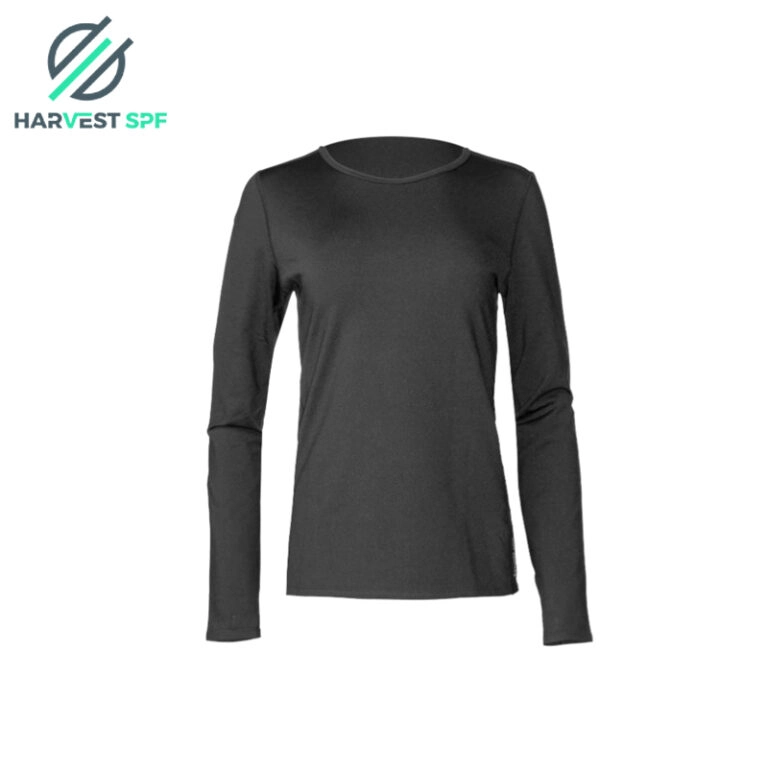
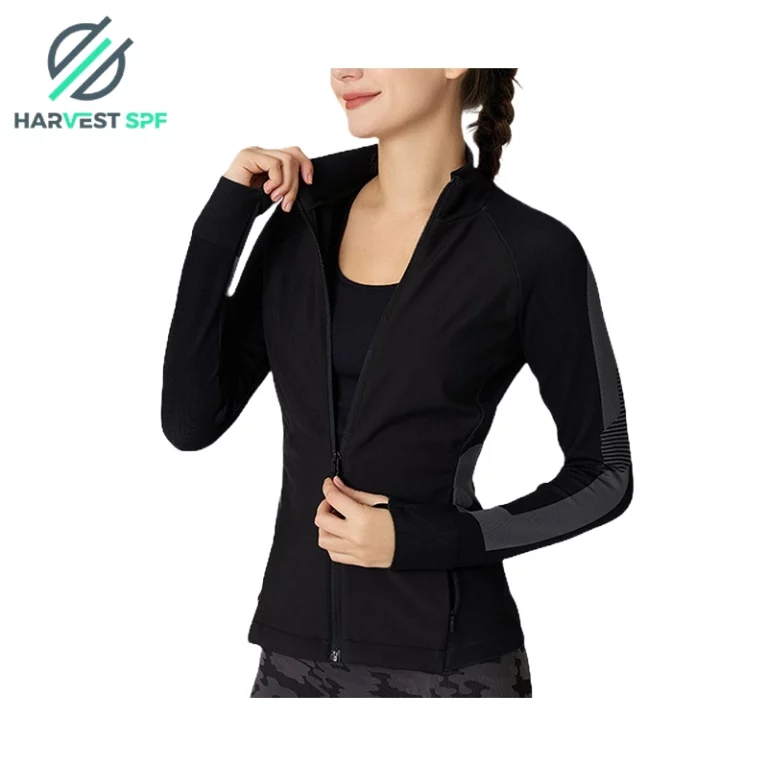
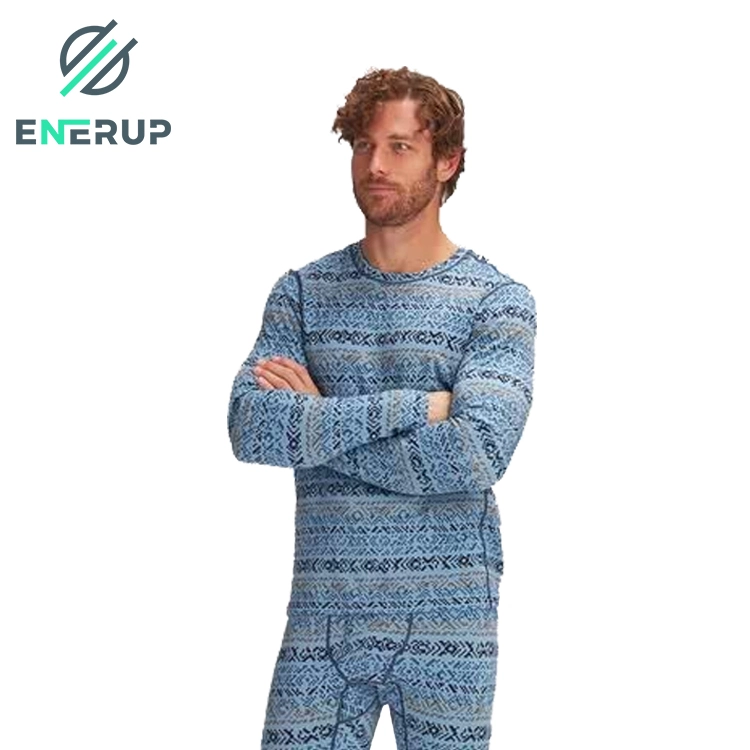
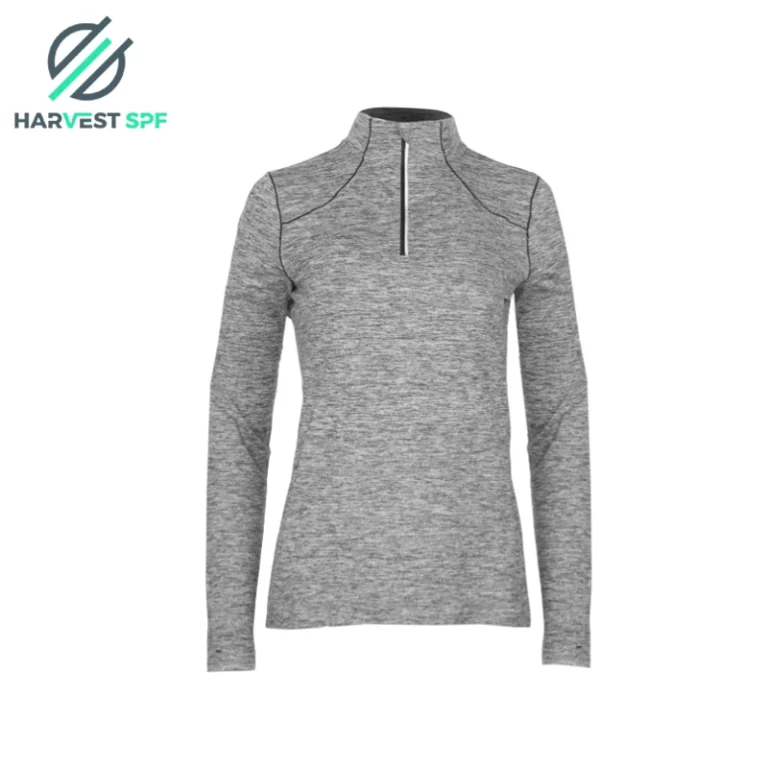
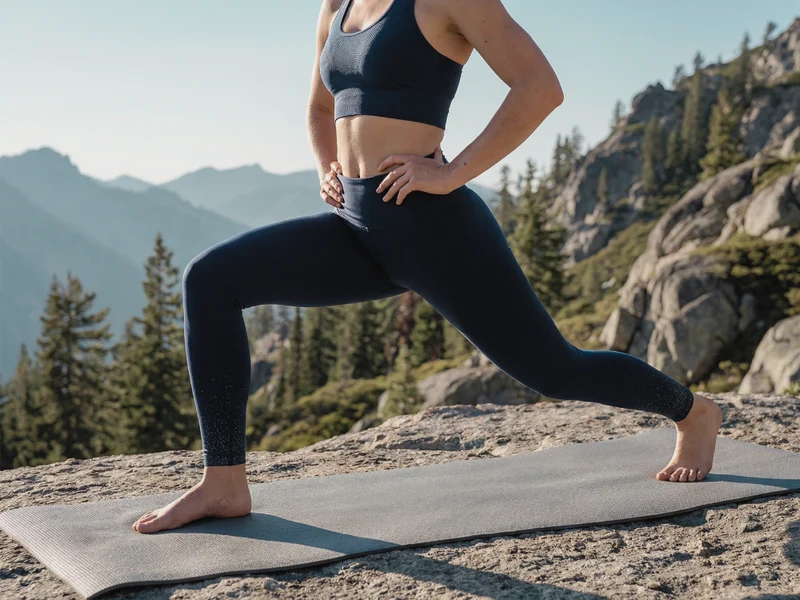
Fitness apparel
Sports T-shirts
Athletic shorts
Seamless garments
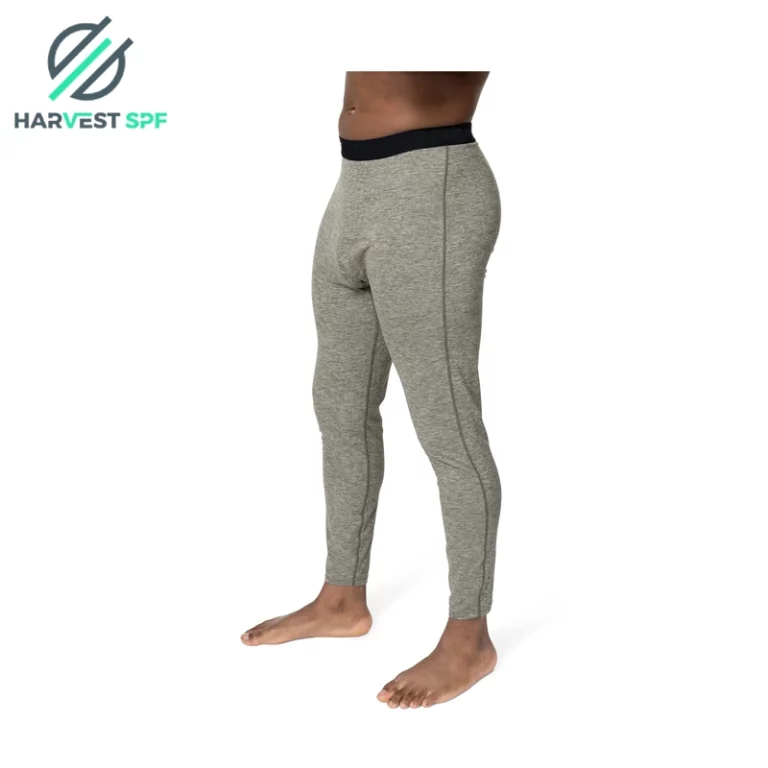
Compression wear
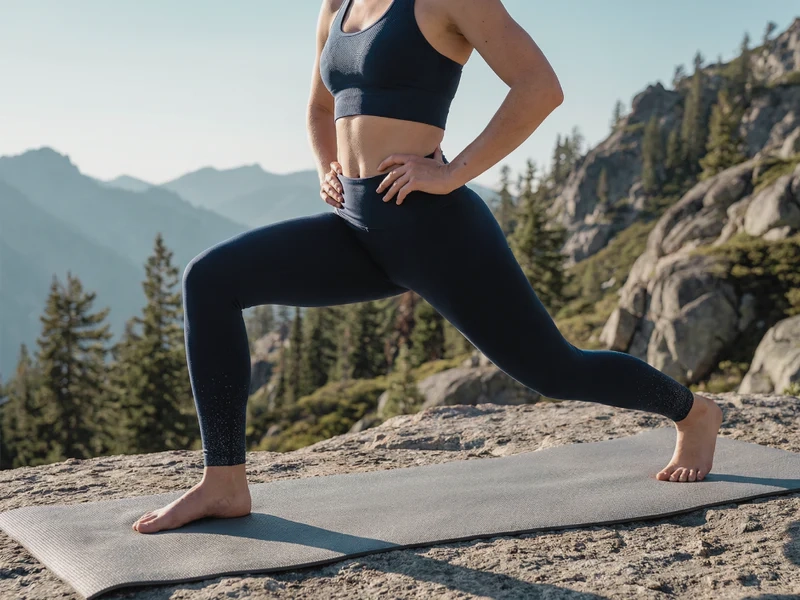
Men’s, women’s, and unisex activewear
These products are commonly used in:
Gym workouts
Running
Outdoor sports
Skiing
Trekking
Hiking
Fishing and hunting
Harvest SPF collaborates with a wide range of clients, including retail chains, D2C brands, and e-commerce sellers. The company has also supported OEM manufacturing for many well-known brands.
2. Stage One: From Inquiry to Quotation
The first stage of the order management process involves understanding the client’s needs and preparing an accurate quotation.
2.1 Customer Requirement Collection
Before a quotation can be prepared, the manufacturer must gather detailed information from the client.
Key elements include:
Target market
Brand positioning
Product type
Preferred fabrics
Functional requirements (moisture wicking, stretch, quick-dry, etc.)
Clients are usually asked to clarify:
Usage scenarios (gym, outdoor sports, running)
Product functionality requirements
Seasonality (summer, winter, all-season)
Target audience
Sales region
Estimated order quantity
These factors help determine whether half-package or full-package manufacturing is the most suitable production model, which also influences delivery lead time.
Clients can explore product references here:
https://www.spftex.com/product-category/activewear-fitness-yoga/regular-loos-fit/
Tech Pack and Design Files
To ensure precise production, brands are encouraged to provide:
Tech Pack (technical design specifications)
Size chart
Logo files
Printing or embroidery specifications
If a client does not have a complete tech pack, Harvest SPF can reference previous production archives or similar projects to support development.
Fabric Confirmation
Fabric is one of the most important components of sportswear.
The process includes:
Confirming fabric composition and performance requirements
Checking whether the fabric is available in inventory
Deciding whether custom fabric sampling is required
If new fabric development is needed, a fabric sampling fee may be charged initially, which is usually refunded once a bulk order is placed.
Style Development
For garment styles, clients may:
Send existing sample garments
Use design references
Select from the factory’s archived designs
Size Chart Confirmation
After receiving the size chart, the factory reviews it to ensure manufacturability and production accuracy before confirming it with the client.
Trims and Packaging
Logos, labels, and packaging components are also discussed in this stage, including:
Hangtags
Brand labels
Packaging bags
Box labels
Samples can be produced based on customer requirements or existing trim archives.
2.2 Technical Discussion of Fabric Performance
Sportswear relies heavily on technical fabrics. Harvest SPF works with a variety of functional materials designed for athletic performance.
Common performance features include:
Moisture-wicking
Breathability
Quick drying
High elasticity
Durability
Common Fabric Types
Nylon (Polyamide)
Moisture-wicking quick-dry nylon performs well in activities involving frequent friction and stretching, such as climbing, cycling, and hiking. It offers excellent resistance to abrasion and tearing.
Polyester
Polyester provides high tensile strength and dimensional stability. It retains strength even when wet and offers strong UV resistance, making it ideal for prolonged outdoor exposure.
Merino Wool
Merino wool regulates microclimates through moisture absorption and thermal regulation. In mountaineering base layers, it converts sweat from intense activity into insulating warmth.
Cotton and Linen
Cotton and linen provide excellent moisture absorption. Linen, in particular, dissipates heat rapidly, making it ideal for breathable summer garments.
Sustainable Materials
Clients may also request eco-friendly fabrics such as:
Organnic cotton
Bamboo
Tencel
Modal
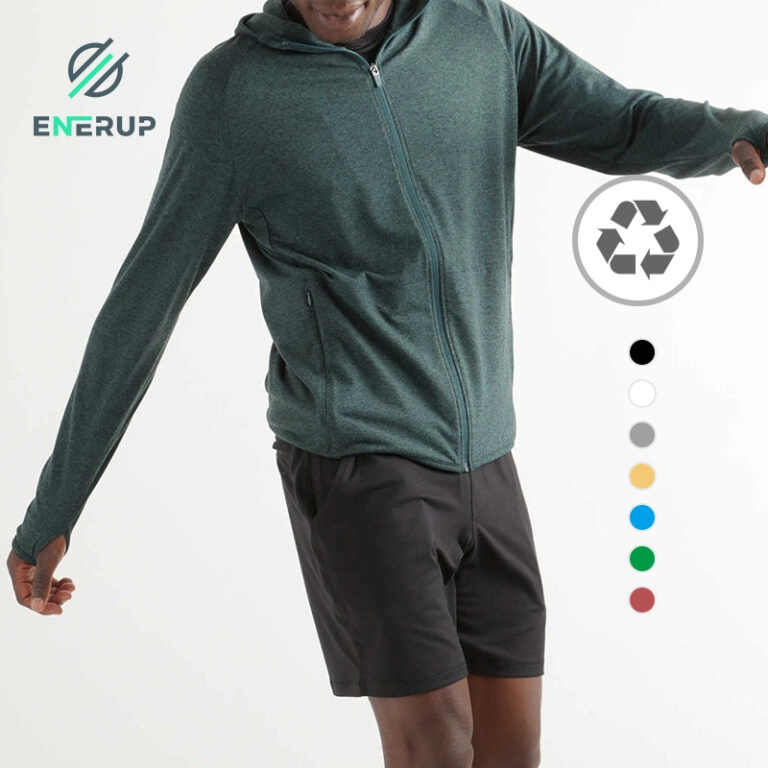
Recycled polyester
Recycled nylon
These materials help brands meet sustainability goals and consumer demand for environmentally responsible apparel.
2.3 Quotation Preparation
After confirming product specifications, Harvest SPF prepares a detailed quotation.
Cost Structure
The quotation typically includes:
Fabric cost
Manufacturing cost
Sample development cost
Trim and accessory cost
Sample fees are usually 2–3 times the production cost.
Payment Terms
Common payment conditions include:
30% deposit before production
Full payment before shipment
Orders below $2000 may require 100% deposit
MOQ and Validity
Minimum order quantities vary depending on product type.
Cut-and-sew garments (e.g., T-shirts):
MOQ: 500 pieces per color with logo
Price validity: 1 month
Wool products:
Price validity: 1 week due to raw material price fluctuation
MOQ: 300 pieces if fabric is in stock
Custom fabric production:
MOQ: 1000 pieces per style
Seamless garments and socks:
MOQ: 500 pieces per style per color
3. Stage Two: Sampling & Prototype Development
3.1 Rapid Sampling Process
Sampling plays a critical role in validating design concepts before mass production.
The typical workflow includes:
Tech Pack → Fabric Selection → Prototype Development → Customer Feedback
Steps:
Confirm design details, fabric composition, and fabric weight
Estimate bulk production quantity
Select appropriate fabric
Pay for sample development
Send finished sample to the client
3.2 Sample Evaluation Criteria
The sample is evaluated based on several factors:
Structure and garment fit
Fabric functionality
Appearance details
Logo and label placement
Tag and packaging design
Client feedback is collected and improvements are made if necessary.
3.3 Sample Confirmation and Order Placement
Once the sample is approved, the client confirms the bulk order.
A Proforma Invoice (PI) is issued containing:
Product pricing
Quantity
Accessories and trims
Delivery timeline
30% prepayment requirement
4. Stage Three: Pre-Production Planning
4.1 Raw Material Procurement
Fabric sourcing begins immediately after order confirmation.
This may include:
Standard fabric procurement
Custom fabric production
Yarn sourcing
Fabric finishing processes
Strong collaboration with supply chain partners ensures timely material arrival.
4.2 Production Scheduling
Harvest SPF develops annual and quarterly production plans.
Production batches are allocated based on:
Order size
Production complexity
Delivery deadlines
Schedules can be adjusted dynamically based on market changes.
4.3 Quality Standard Preparation
Strict quality standards are defined before production begins.
This includes:
Fabric inspection
Process quality checkpoints
Final inspection standards
Preventive quality management significantly reduces production errors.

5. Stage Four: Mass Production & Quality Control
5.1 Production Execution
Bulk production strictly follows the approved tech pack and sample.
Production lines are optimized for key processes such as:
Fabric cutting
Sewing
Heat transfer labels
Seamless construction
Fabric must be stored properly. During holidays, if fabrics remain exposed for too long, they may lose moisture and elasticity. Therefore, materials are sealed carefully to maintain performance.
Before mass production begins, heat transfer label testing is conducted to ensure durability.
5.2 In-Process Quality Control
Quality checks are conducted during production.
Inspectors examine:
Garment measurements
Stitching quality
Appearance defects
Functional garments such as compression wear and seamless apparel undergo additional inspections.
5.3 Final Product Inspection
Before shipment, finished garments undergo final inspection.
Quality checks include:
Size consistency
Color accuracy
Fabric strength tests
Stitching durability
Logo placement accuracy
Quality control teams follow AQL sampling standards to determine inspection quantities and acceptable defect levels.
6. Stage Five: Packaging, Logistics, and Global Delivery
6.1 Packaging and Labeling
Packaging is customized according to brand requirements.
Elements include:
Carton labels
Hangtags
Stickers
Folding instructions
Factories take photos of packed goods to confirm accuracy before shipment.
6.2 Logistics Options
Several shipping options are available:
Sea freight
Air freight
Express shipping
For clients in regions such as the Middle East or South America—or companies importing from China for the first time—DDP shipping is often recommended. This allows freight forwarders to handle customs clearance and import duties.
For experienced buyers with their own logistics partners, FOB shipping is commonly used, where the factory delivers goods to the designated port.
6.3 Global Delivery Tracking and After-Sales Support
After shipment, tracking information is provided to clients immediately.
If delays occur:
Freight forwarders are contacted
Updates are provided to the client
Communication is maintained to reduce concerns
In the event of product damage during transportation, solutions may include:
Replacement in the next order
Compensation agreements
7. Client Case Examples
7.1 Orders from Different Brand Sizes
Harvest SPF serves clients of varying sizes:
Small D2C startups
Growing e-commerce brands
Large retail chains
Order size influences:
Pricing structure
Sampling process
Production scheduling
Delivery logistics
7.2 Customer Feedback
Clients frequently highlight:
Consistent product quality
Reliable delivery timelines
Professional packaging
Responsive customer service
8. Key Performance Metrics
8.1 Time Efficiency
Typical timelines include:
Inquiry to quotation: 48 hours
Sample development: 20–25 days
Mass production lead time: 30–35 days
8.2 Cost Control
Cost components include:
Fabric
Manufacturing
Domestic logistics
Third-party QC inspections (if required)
Cost efficiency strategies include:
Large-scale production for popular products
Purchasing fabrics during low-price periods
Stocking materials for repeat orders
For frequently reordered items, clients may also secure fabric supply by paying deposits in advance.
8.3 Quality Metrics
Harvest SPF follows international AQL inspection standards.
Typical targets include:
Customer complaint rate: 0%
Inspection pass rate: 100%
9. FAQ
What is the MOQ? Can you support small orders?
Stock fabrics typically allow 100–200 pieces with logo customization.
Custom garments usually require 300–500 pieces per color.
Custom fabrics generally require 1000–1200 pieces.
Small-batch dyeing is also possible with an additional dyeing fee.
How long does sampling take?
Sampling usually takes 12–15 days, depending on product complexity.
How is shipping cost calculated?
Shipping costs depend on destination and shipping method.
DDP door-to-door service is available upon request.
Can orders be paid in installments?
Standard payment terms:
30% deposit before production
70% balance before shipment
10. Conclusion
A well-structured order management system is essential for sportswear brands seeking reliable manufacturing partners. From inquiry and sampling to production, packaging, and global delivery, each stage of the process must be transparent, efficient, and professionally managed.
Harvest SPF emphasizes rapid response, clear communication, and precise production control. By quickly confirming fabric selections, sharing photos and videos of materials, and accelerating sample development, the company helps brands move efficiently from concept to market.
Ready to Start Your Sportswear Production?
💡 Contact Harvest SPF today to get a custom quotation and sample support.
📧 Email: joy@spftex.com
📱 WhatsApp: +86 18310458626
👉 Visit the website inquiry form to discuss OEM/ODM sportswear manufacturing and global delivery solutions.