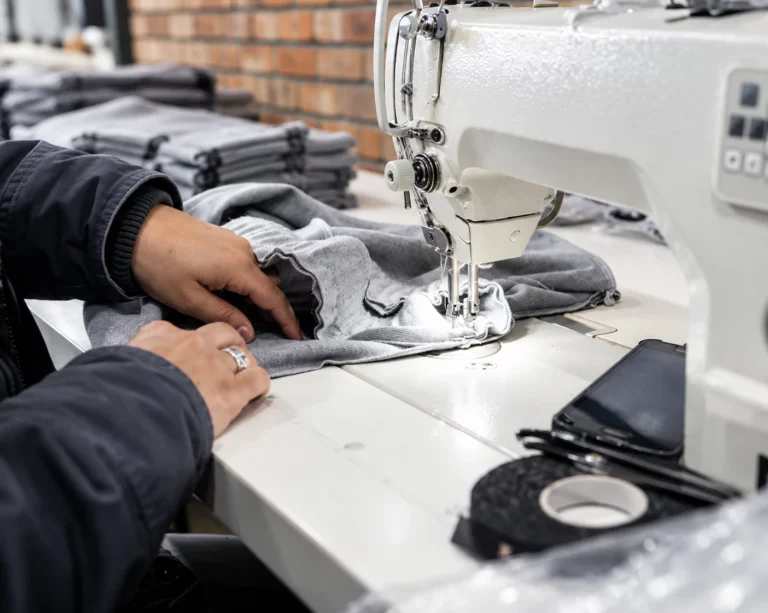

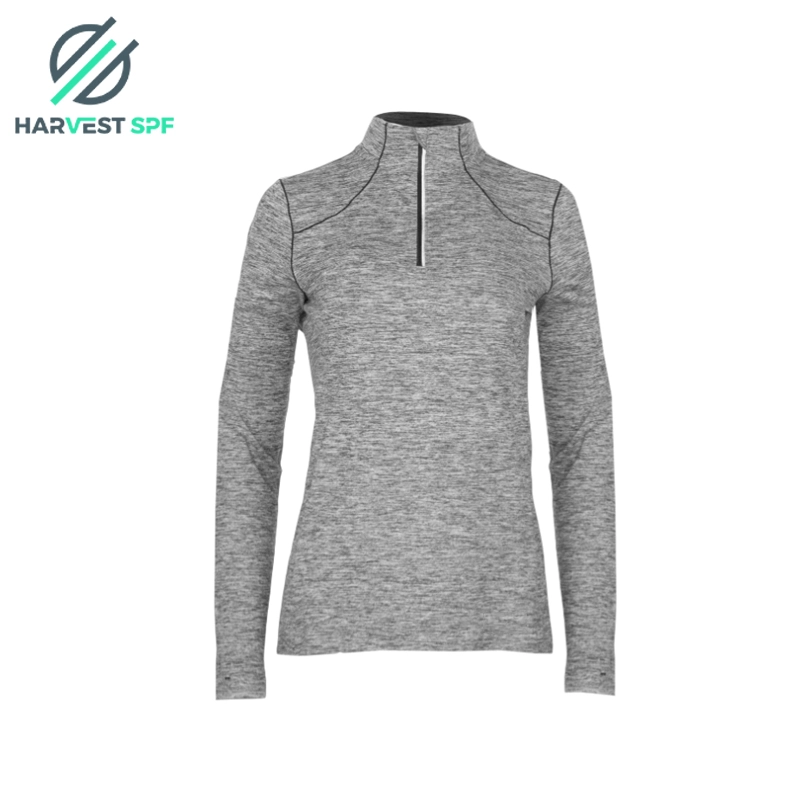
For B2B sourcing teams, an OEM thermal underwear quotation is only meaningful when the specification behind the number is visible. Two factories can quote the same style differently because fabric weight, fiber composition, knitting method, seams, dyeing, testing, packaging and order quantity are not equivalent. A lower price can reflect lighter fabric, less Merino wool, simpler construction or basic packaging rather than better manufacturing efficiency. Procurement comparison therefore starts with one normalized specification and examines which costs are included, excluded or amortized.
What Makes Up an OEM Thermal Underwear Unit Price?
A useful cost breakdown does not require a manufacturer to disclose confidential internal margins. Instead, buyers should understand which product and commercial variables are included in the quotation and which factors drive changes in unit price.
| Cost Component | What It Includes | Main Variables |
| Fabric / Yarn | Fiber, yarn, knitting and finishing | GSM, fiber blend, yarn type, fabric width |
| Garment Making | Cutting, sewing, flatlock or seamless processing | Construction and complexity |
| Dyeing / Finishing | Color development and functional finishing | Color MOQ and treatment |
| Trims | Labels, elastic, zippers and thread | Design and specification |
| Testing / Compliance | Performance and market-required testing | Destination market and test scope |
| Packaging | Bags, hangtags, inserts and cartons | Retail-ready requirements |
| Development / Setup | Sampling, programming and setup | MOQ and product complexity |
1. GSM: The First Material-Cost Variable
Higher GSM Usually Means More Fiber per Garment
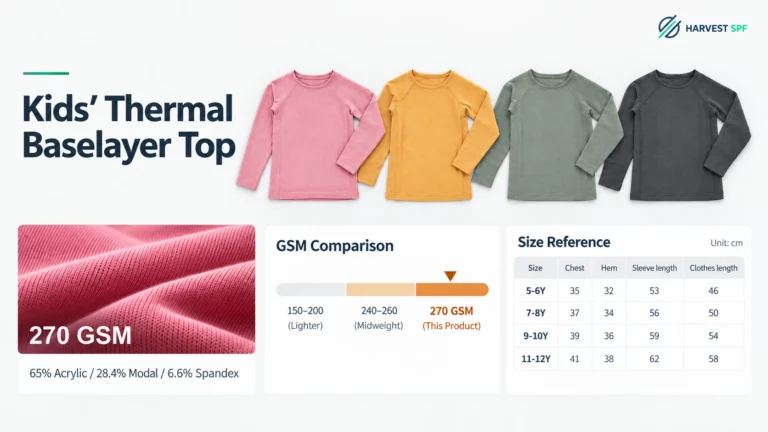
GSM means grams per square meter and expresses fabric mass per unit area; ASTM D3776/D3776M covers this measurement. With comparable pattern area, higher GSM generally means more material mass in each garment, increasing the fabric portion of thermal underwear cost. Fiber price, yarn structure, knit density and finishing also matter. A 200 GSM synthetic knit and a 200 GSM Merino-rich knit can therefore have very different costs.
RFQs Should Lock GSM and Tolerance
A procurement RFQ should state target GSM, acceptable tolerance, composition, knit structure and whether the figure refers to finished fabric. Without those controls, suppliers may be pricing technically different fabrics under the same garment description.
GSM should therefore be treated as a controlled sourcing specification rather than a general indication of warmth. Thermal performance depends on the complete material system, including fiber composition and fabric construction.
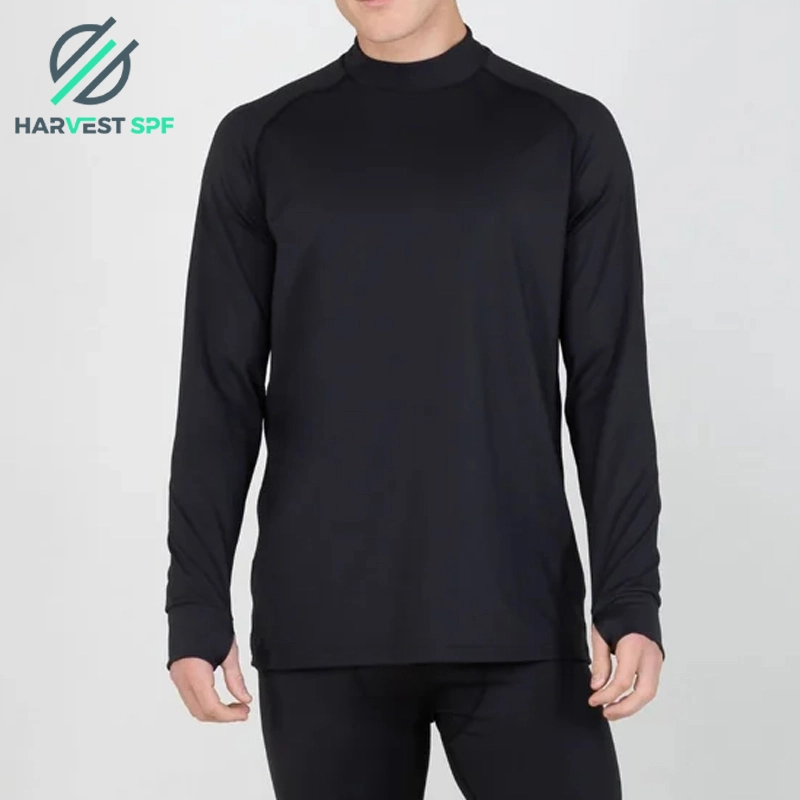
GSM and Fabric Consumption Must Be Evaluated Together
GSM affects material weight per square meter, but garment cost also depends on actual fabric consumption. Pattern dimensions, usable fabric width, size ratio and marker efficiency determine how many square meters of fabric are required per garment. Two garments using the same GSM can therefore have different material costs when their pattern efficiency, dimensions or fabric widths differ.
Fabric width should be included in quotation comparison because GSM alone does not determine garment material consumption. Usable width affects marker efficiency, fabric waste and ultimately unit cost.
2. Fiber Blend: Merino, Polyester and Elastane
Merino Percentage Changes the Raw-Material Structure
Merino wool belongs to the apparel-wool segment and has its own supply and price dynamics. Increasing the Merino share generally changes yarn cost compared with a polyester-dominant blend. Fiber fineness, yarn count and shrinkage-control requirements can also affect cost. A generic “wool blend” specification is insufficient for quotation comparison.
For purchasing teams, a quote for 30% Merino and a quote for 70% Merino should not be treated as alternative prices for the same product. They represent different material architectures and potentially different market positioning.
Polyester and Elastane Should Match the Performance Target
Polyester can support durability, moisture management and cost control, while elastane provides stretch and recovery. More elastane is not automatically better: yarn type, knit density and recovery targets also matter.
For OEM thermal underwear, procurement teams should compare composition together with stretch, recovery, pilling, dimensional stability and wash requirements. This prevents a lower-cost blend from being accepted solely because the fiber percentages appear similar.
Merino Micron Affects Cost and Product Positioning
Merino wool should not be compared only by percentage. Fiber diameter, commonly expressed in microns, affects next-to-skin softness, raw-material selection and product positioning. A fine Merino base layer designed for direct skin contact represents a different material specification from a coarser wool blend intended primarily for warmth.
100% Merino vs. Merino Blends
Fiber blends should be engineered around performance rather than treated only as a cost-reduction tool. 100% Merino supports premium natural positioning and thermoregulation; Merino-polyester blends can improve durability, moisture transport and cost control; Merino-nylon blends can add strength and abrasion resistance; and elastane may be introduced where stretch and recovery are required.
3. Construction: Seamless, Cut-and-Sew and Flatlock
Seamless and Cut-and-Sew Have Different Cost Curves
Seamless garments are knitted in a shaped tubular or near-finished form, reducing conventional cutting and some sewing operations. Cut-and-sew production depends on fabric spreading, pattern cutting, panel handling and sewing.
Seamless construction can reduce waste and seam bulk, but programming and machine setup create fixed or semi-fixed costs. At smaller volumes, those costs are spread across fewer units. At larger production volumes, the cost curve can become more favorable.
This means a procurement team should not assume that seamless construction is automatically cheaper because fewer sewing operations are visible.
Flatlock Can Increase the CM Component
Flatlock seams are common in close-to-skin base layers because they create a low-profile join. Compared with basic overlock construction, flatlock may require specialized equipment, operator skill and careful tension control, so the cutting-and-making component can increase.
Quote comparison should specify seam type, stitch density, thread and seam placement. These details affect comfort, appearance, durability and production time.
Fabric Construction Also Changes Cost
Thermal underwear cost is influenced not only by seam construction but also by the knitted fabric architecture. Single jersey, interlock, double-layer knits, brushed or peached fabrics and engineered seamless structures have different yarn consumption, machine time and finishing requirements. Double-layer thermal constructions can combine different inner and outer yarn systems to balance warmth, moisture management and next-to-skin comfort, but they also change knitting complexity and material usage.
For seamless programs, costing can also be affected by machine diameter, size range, yarn feeding requirements and the number of engineered zones or structures within the garment.
4. Dyeing and Certification: Common Hidden Adders
Custom Colors Introduce Dye-Lot Minimums
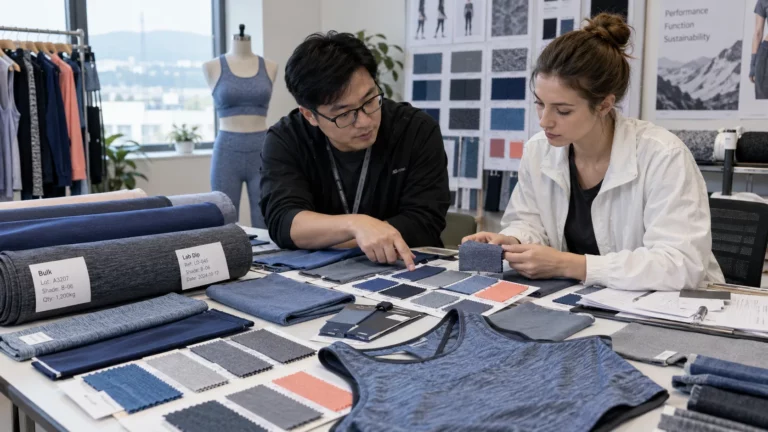
Custom shades can require lab dips, approvals, dye-bath setup, cleaning and shade control. Dyehouse minimums may become the practical MOQ constraint even when garment assembly could run fewer pieces.
This is why a clothing manufacturer MOQ may apply per style and color rather than only per purchase order. A 1,000-piece program divided into five colors can create very different production economics from 1,000 pieces in a single color.
Stock colors can sometimes reduce development and dyeing complexity, while highly customized color programs require closer attention to minimum dye lots and shade consistency.
Certification Scope Should Be Confirmed Before Pricing
Chemical-safety testing, recycled-content traceability and responsible-fiber documentation can add testing, administration or material-sourcing costs.
Textile safety certification involves restricted-substance testing, while recycled-content standards introduce chain-of-custody requirements. Incremental cost depends partly on whether valid certified inputs and reports already cover the program.
For comparable quotations, certification and testing requirements should be included in the initial RFQ rather than introduced after sample approval.
Fabric MOQ Is Not the Same as Garment MOQ
In many OEM thermal underwear programs, the practical MOQ is determined upstream by yarn, knitting, dyeing or finishing rather than by garment sewing capacity. A factory may be able to assemble a small garment quantity, while the required custom yarn or dye lot still carries a higher minimum. For this reason, MOQ should be confirmed by material, style and color rather than interpreted only as a total garment quantity.
5. Packaging and Trims Must Be Included in the Comparison
Retail-Ready Packing Changes Unit Cost
Care labels, size labels, heat transfers, hangtags, barcode stickers, individual bags, inserts and export cartons all affect commercial cost. Custom packaging can also carry minimums and setup charges.
A factory quoting basic bulk packing will naturally appear cheaper than a supplier quoting a fully retail-ready product. The difference is not necessarily manufacturing competitiveness; it may simply be a difference in quotation scope.
Packaging Specifications Should Be Explicit
The RFQ should define label count, print method, folding method, bag specification, barcode format, carton quantity and sustainability requirements.
Packaging should appear either inside the unit price or as a clearly separated cost item. Undefined packaging specifications create one of the easiest ways for apparently similar factory quotations to become commercially incomparable.
6. MOQ: Why Lower Volume Usually Raises Unit Price
Fixed Costs Are Spread Across Fewer Garments
Pattern development, sampling, machine setup, color development, testing and material minimums do not fall in direct proportion to order quantity. When those costs are allocated across fewer pieces, the unit price rises. Larger orders can improve purchasing and line utilization.
General apparel costing practice separates fabric, trims, labor, overhead and packing rather than treating the quotation as one unexplained number.
MOQ should therefore be evaluated as a cost-allocation issue as well as an inventory decision.
MOQ Should Be Checked by Style, Color and Size
A 1,000-piece order split across many colors can behave like several smaller production lots. Procurement teams should request quantity price breaks and confirm whether minimums apply per style, color, fabric or total order.
Price breaks at several volumes also reveal which costs are genuinely sensitive to scale. If a quotation drops significantly between two quantities, the sourcing team can request clarification on whether fabric purchasing, dyeing, line efficiency or setup allocation drives the difference.
Ask for Quantity-Based Price Breaks
| Order Volume | Typical Cost Behavior |
| Sample / Trial | Development and setup costs dominate. |
| Low MOQ | Setup, material and dyeing minimums strongly affect unit price. |
| Medium Volume | Material purchasing and production efficiency generally improve. |
| Large Volume | Fixed costs are diluted; pricing depends increasingly on material purchasing and production efficiency. |
7. How to Compare Thermal Underwear Manufacturer Quotes
Normalize the RFQ Before Comparing Price
A reliable thermal underwear manufacturer comparison starts with the same specification: fiber blend, GSM, knit structure, garment measurements, seam type, color route, testing, labels, packaging, quantity by color and size, delivery window and Incoterm.
A quotation excluding testing, packaging or product development is not directly comparable with a full-package quotation.
Compare Quotations on the Same Incoterm
EXW, FOB and DDP quotations are not directly comparable because freight, export handling, documentation, duties and delivery responsibilities differ. Price comparison should normalize the Incoterm and destination before evaluating commercial competitiveness.
Buyers do not necessarily need access to a manufacturer’s confidential internal costing. Instead, quotation comparison should identify which specification variables and commercial requirements are driving price differences, including GSM, composition, construction, color quantity, testing, packaging, MOQ and Incoterm.
Understand the Cost Drivers, Not the Supplier’s Internal Cost Structure
A procurement comparison should identify:
- fabric and fabric processing;
- knitting, cutting and garment making;
- trims and labels;
- dyeing or printing;
- testing and certification allocation;
- packaging;
- development or setup charges;
- logistics scope and Incoterm.
The goal is to expose specification mismatches, one-time charges and volume assumptions before sampling. This makes OEM thermal underwear negotiation more evidence-based and reduces late-stage price revisions.
A quote that is several cents or dollars lower has limited value if the competing factories are not costing the same GSM, blend, construction, compliance package and packaging specification.
How to Reduce Thermal Underwear Cost Without Simply Reducing Quality
Cost optimization should focus on value engineering rather than specification downgrading. Buyers and manufacturers can review whether GSM is higher than the thermal target requires, engineer the fiber blend around actual performance needs, consolidate colors to improve dye-lot efficiency, simplify complex seamless zones or flatlock seams where they add limited functional value, optimize packaging, and consolidate order volume where practical to dilute setup costs.
Why Work With Harvest SPF for Thermal Underwear Development?
Harvest SPF supports fabric-to-garment cost engineering by evaluating GSM, fiber blend, fabric construction, garment engineering and order volume together rather than quoting only from a finished sketch. Development capabilities include Merino and functional fiber systems, multi-layer thermal constructions, seamless and cut-and-sew manufacturing routes, sampling, testing and bulk production. This allows brands to compare manufacturing options according to performance, target price and volume while keeping the quotation tied to a defined specification.
FAQ
What GSM Is Most Cost-Efficient for Thermal Underwear?
No single GSM is universally optimal. The correct weight depends on climate target, layering strategy, fiber blend, knit structure and required performance. Cost comparison should hold those variables constant.
Does a Higher Merino Percentage Always Mean Better Quality?
No. Merino content is only one variable. Yarn construction, fabric structure, durability and fit also influence commercial quality. The correct percentage depends on performance targets and planned price positioning.
Is Seamless Thermal Underwear Always Cheaper?
No. Seamless construction can reduce cutting waste and some sewing operations, but programming, setup and specialized equipment can increase development and low-volume cost.
Why Does Unit Price Increase at Low MOQ?
Sampling, setup, dyeing, testing and material minimums are distributed across fewer garments. Smaller color lots can also reduce production efficiency.
What Information Should an OEM Quotation Include?
The RFQ should include the tech pack, composition, GSM, construction, seam specification, measurements, colors, testing, labels, packaging, quantity breakdown, delivery term and Incoterm. Quantity-based price breaks make the cost structure easier to evaluate.
Get a Cost-Transparent OEM Thermal Underwear Quote
Harvest SPF is a functional textile and apparel manufacturer with over 30 years of OEM/ODM experience and more than 30 patents. The factory supports B2B programs from fabric development and sampling to bulk production, with expertise in thermal underwear, Merino base layers and seamless functional apparel. B2B sourcing teams can submit target GSM, fiber blend, construction, quantity and compliance requirements through the contact page for a specification-based quotation.
For a specification-based quotation, provide a tech pack or reference garment, target GSM, fiber composition, fabric construction, seam construction, colors, size range, testing requirements, packaging requirements and estimated quantity. Harvest SPF can review the specification and identify the main commercial cost drivers before preparing an OEM/ODM quotation.