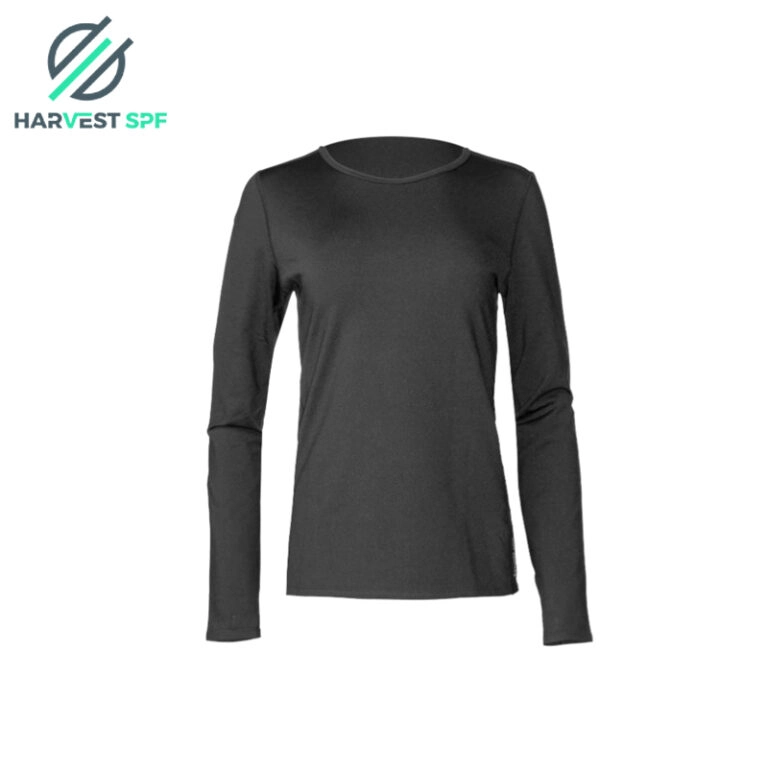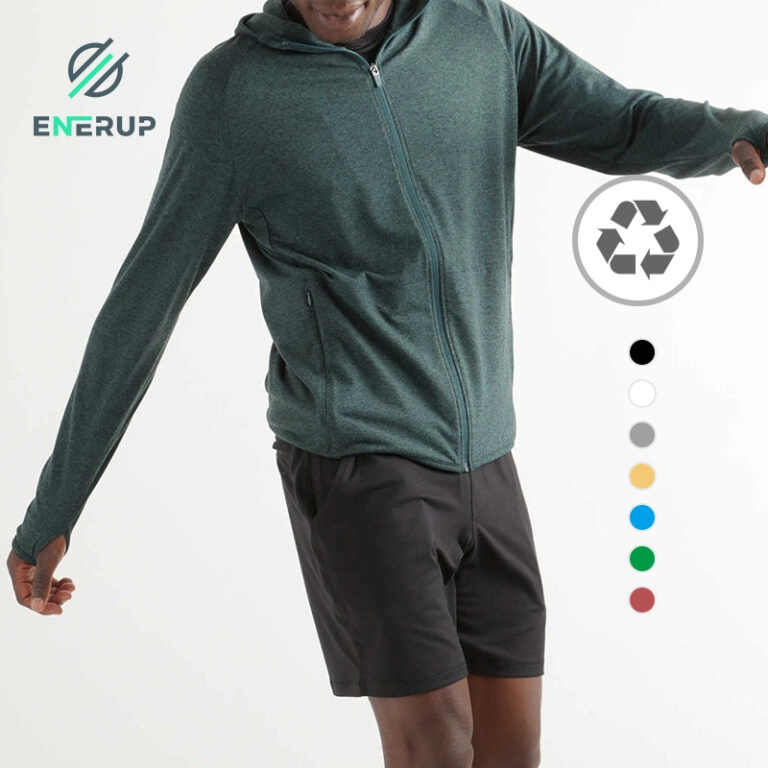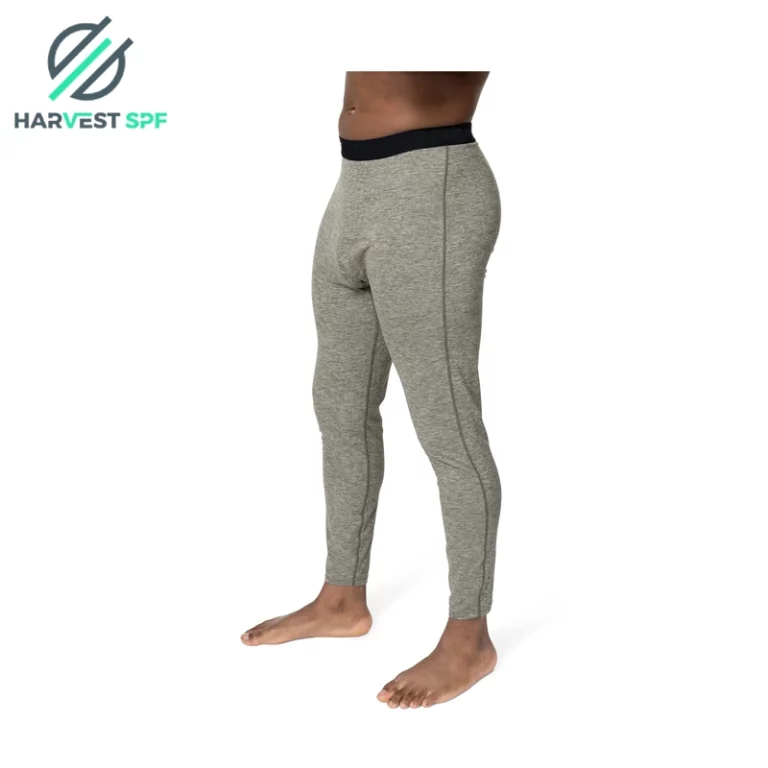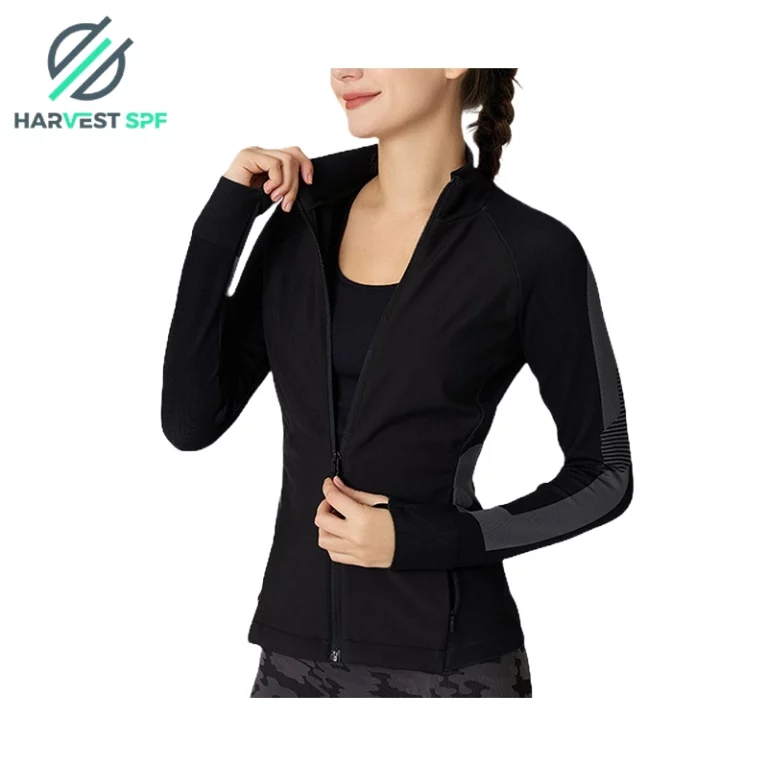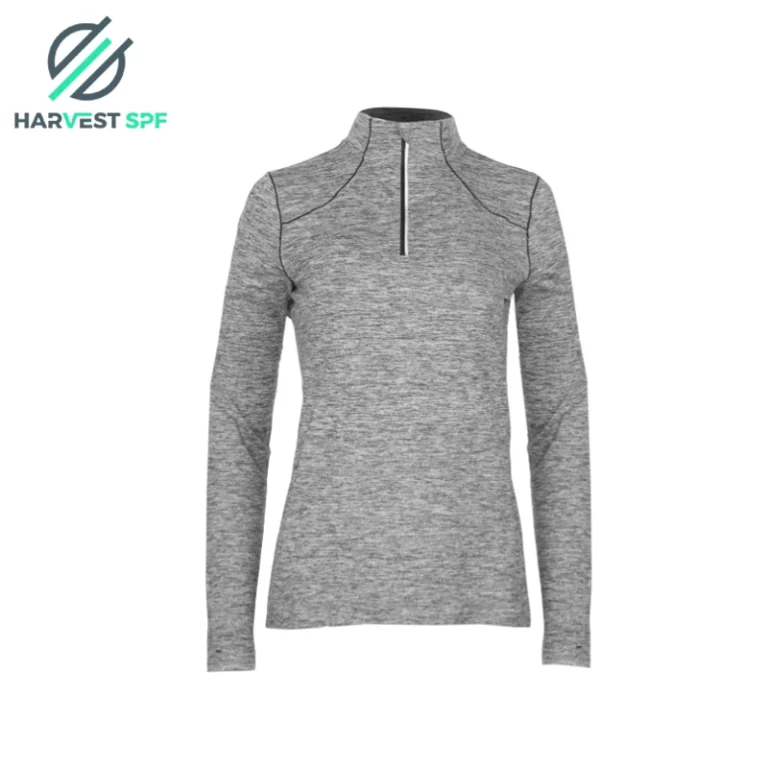

With the news about a Texas inquiry into PFAS possible contamination in activewear by Lululemon, the news quickly spread not only due to the popularity of the company but also the concerns that were there amongst consumers. The announcement on April 13th, 2026, from the Texas Attorney General, Ken Paxton, was that an investigation would be done into the possibility of Lululemon having potentially misled consumers regarding the safety, quality, and effect on health of the brand’s goods. Just shortly after, Lululemon commented on the investigation saying that the brand never uses PFAS in its products but had used them previously in some durable water repellent apparel. Whatever the case may be, one thing is for sure: PFAS is now no longer a small chemical problem but a major trust problem.

The End of “Invisible Chemistry” in Apparel
For years, PFAS stayed mostly invisible to the average shopper. The industry knew them as functional chemistry. Consumers rarely noticed them at all. But that invisibility is over. Once the public hears the phrase “forever chemicals,” the conversation changes immediately. Suddenly, a technical decision made in fabric finishing becomes a brand reputation issue, a compliance issue, and a consumer confidence issue all at once. That is exactly why the current moment matters so much: the Lululemon story is not just about one company. It is a signal that the entire market is entering a new era of scrutiny.
What Are PFAS and Why Are They Used?
Functional Benefits in Textile Applications
So, what are PFAS, really? PFAS—short for per- and polyfluoroalkyl substances—are a class of synthetic chemicals widely used to deliver properties such as water repellency, oil repellency, stain resistance, and durability. New York’s environmental authorities note that PFAS have been used in many products for precisely those performance benefits, especially where water and oil resistance matter. In apparel, that has historically meant rainwear, outdoor gear, uniforms, travel apparel, and selected performance garments with durable water repellent finishes.

Understanding the Health and Environmental Debate
Persistence and “Forever Chemicals”
The first thing that makes the topic of PFAS stand out among other textile chemistry subjects is its persistence. “Forever chemicals” is another name given to these substances since some of them do not degrade easily and can stay in the environment for years. According to the EPA of the U.S., scientific studies suggest that exposure to particular PFAS can cause adverse health effects. These include reproductive issues, developmental effects, hormonal imbalance, immune response suppression, and cancer development.
Scientific Nuance and Ongoing Research
Simultaneously, it is essential to note that the science behind the problem is still under development. As stated by the EPA, there are over thousands of types of PFAS, and their effect can be varied based on specific factors such as the type of the substance, dose, exposure pathway, contact period, etc. Therefore, it would be premature to give a definitive answer.
Moving Beyond Simplistic Claims
It should be stressed, however, that the internet often gives an excessive simplification of the problem, jumping straight into conclusions before the evidence proves it. As of today, scientific literature cannot prove that wearing one piece of clothes treated with PFAS results in cancer development or infertility.The real issue is broader and more complex: cumulative exposure, environmental persistence, repeated contact across multiple sources, and the difficulty of controlling these substances once they enter water systems, waste streams, or global manufacturing chains.
Global Regulations Are Accelerating
United States: State-Level Action
And that is why this conversation is no longer going away. Regulation is moving. California’s AB 1817 prohibits the manufacture, distribution, sale, or offer for sale of textile articles containing regulated PFAS in the state beginning January 1, 2025, and it also requires certificates of compliance from manufacturers. New York’s PFAS in Apparel Law also took effect on January 1, 2025, prohibiting the sale of new apparel containing intentionally added PFAS. Colorado has taken a phased approach as well.
Industry Standards Tightening
Industry standards are moving in the same direction. OEKO-TEX states that the intentional use of PFAS is banned across all OEKO-TEX certifications, and its PFAS requirements became stricter again as of January 1, 2026. bluesign has published a multi-year PFAS phaseout timeline.
Europe: REACH Developments
Europe is also still advancing a broad PFAS restriction process under REACH, with ECHA’s consultation work continuing in 2026. The message from the market is unmistakable: even before every jurisdiction lands in the same place, the direction of travel is already set.
Why PFAS Is a Supply Chain Challenge, Not Just a Material Issue
For brands, that creates a hard truth: PFAS is not just a sourcing checkbox. It is a supply chain management test. In real production, chemical risk does not live in a single fabric decision. It can appear in coatings, auxiliaries, finishing chemistry, trims, lamination systems, subcontracted processes, and legacy formulas that remain somewhere downstream.
Interestingly, Lululemon’s own 2026 statement makes this point directly: the company says it requires regular testing for restricted substances, including PFAS, and emphasizes ongoing work to prevent the unintentional reintroduction of PFAS through testing, monitoring, and supplier collaboration.
Harvest SPF’s Perspective: From Compliance to Responsibility

Moving Beyond Marketing Claims
This is where Harvest SPF believes the industry needs to become more honest. Performance should never be reduced to a marketing word. And compliance should never be reduced to a claim on a hangtag.
Prevention Over Damage Control
At Harvest SPF, our approach starts with prevention, not damage control. We work with OEKO-TEX® Standard 100 certified fabrics, and we believe certification is an important baseline for safer textile development.
Certification vs. Reality
But we also know certification alone is not the whole story. OEKO-TEX itself notes that certification means a product has been tested for listed substances, but it does not certify a product as broadly “PFAS-free.”
Chemical Management Strategy at Harvest SPF
Comprehensive Testing Approach
That is why Harvest SPF’s chemical management philosophy is intentionally conservative. We run comprehensive chemical testing programs that cover key restricted substances such as phthalates, formaldehyde, heavy metals, PAHs, and azo dyes, while also conducting targeted PFAS screening.
A Clear Position on Oil-Repellent Finishes
Just as importantly, we do not use oil-repellent chemical finishes. Even when customers ask for them, our position is clear: safety comes first.
Skin Sensitivity and Next-to-Skin Comfort
Our philosophy also extends to skin sensitivity and next-to-skin comfort. Harvest SPF pays close attention to allergenic dye risks, because functional apparel should not force consumers to choose between performance and skin comfort.
Material Innovation Without PFAS
Sustainable and Functional Fibers
Over the past five years, we have also pushed material upgrades that align performance with better comfort and a more future-facing sustainability profile.
That includes:
- TENCEL™ Modal
- TENCEL™ Lyocell
- Traceable bamboo
- Organic cotton
- Wool
PFAS-Free Performance Is the Future
Breaking the Performance Trade-Off Myth
One of the most important points in this whole debate is that PFAS-free does not have to mean performance-free.
Waterproof Without Fluorinated Chemistry
At Harvest SPF, waterproof fabrics remain one of our best-selling categories, but we focus on PFAS-free waterproof solutions that help brands pursue weather protection without defaulting to legacy fluorinated chemistry.
The New Consumer Expectation: Transparency
From a brand-building perspective, this is the bigger lesson of the Lululemon moment. Today’s consumer is not only asking:
- “Does this product perform?”
- “What is in it?”
- “Who tested it?”
- “Can you prove it?”
- “What happens upstream before this reaches me?”
PFAS as a Strategic Opportunity
So no, PFAS is not only a risk. It is also an opportunity—an opportunity to redesign materials, modernize chemical management, reduce future compliance pressure, and build a stronger, more credible relationship with customers.
Conclusion: A Turning Point for the Apparel Industry
The apparel industry has reached a turning point. Whether you are a performance brand, an outdoor label, a private label retailer, or a sourcing team trying to future-proof your collection, the message is the same: the era of invisible chemistry is ending.
At Harvest SPF, we believe the future of functional textiles is not less innovative. It is more disciplined, more transparent, and more aligned with how consumers now define quality.
The Lululemon PFAS headlines may have sparked public attention, but the real story is much bigger than one brand.
And for us, the answer is clear: better materials, clearer standards, safer chemistry, and performance consumers can feel good about wearing. Contact Harvest SPF for best offer.