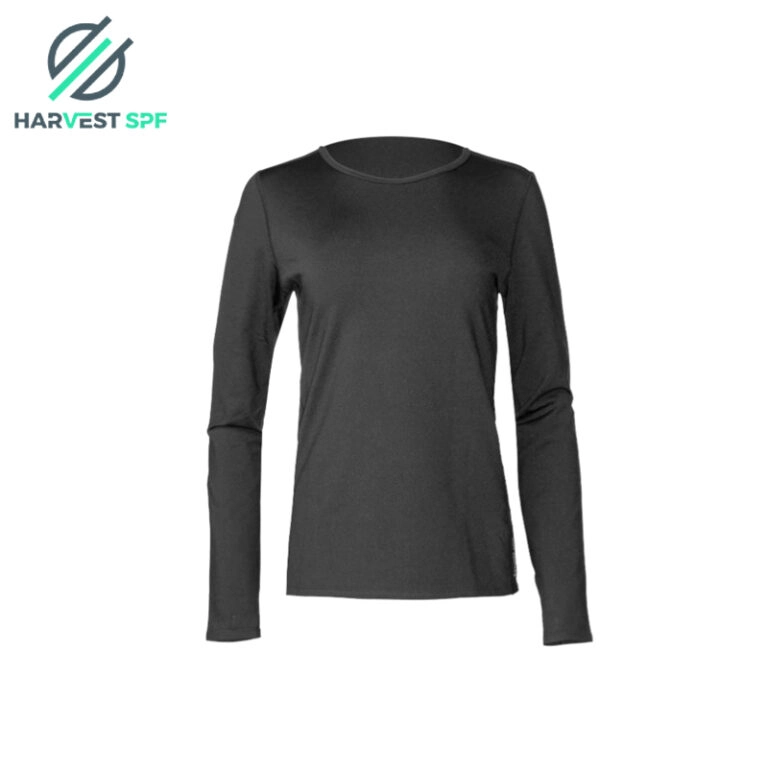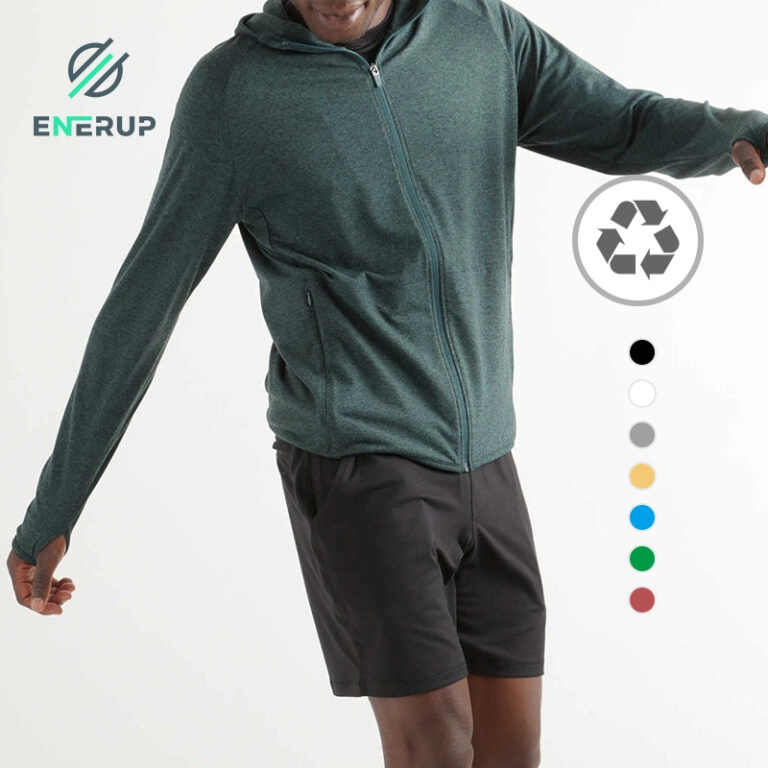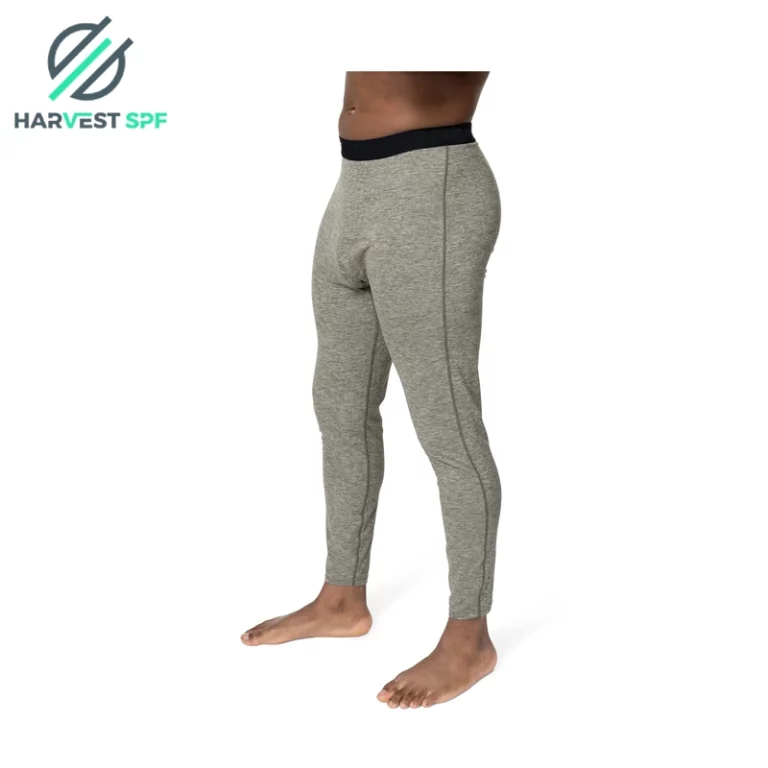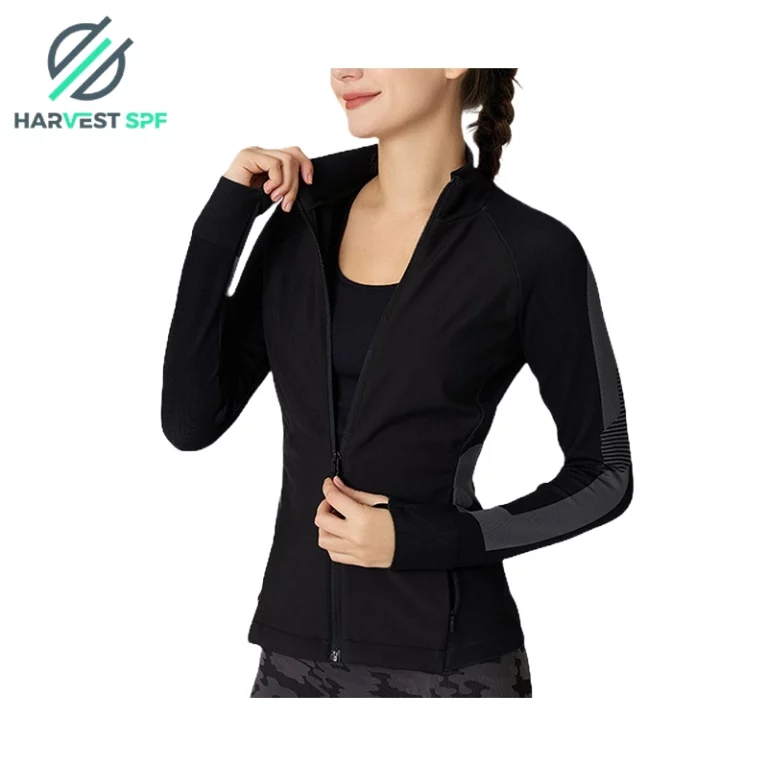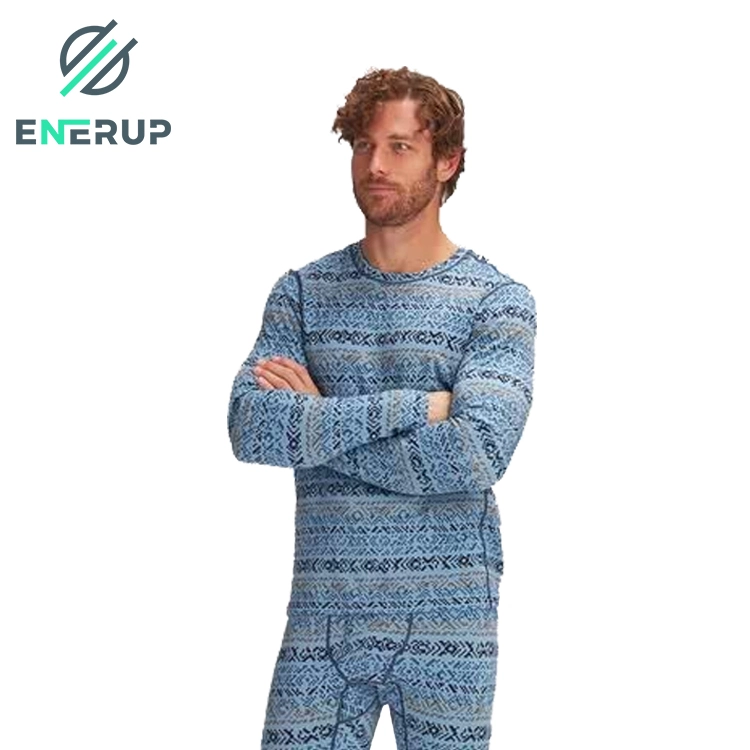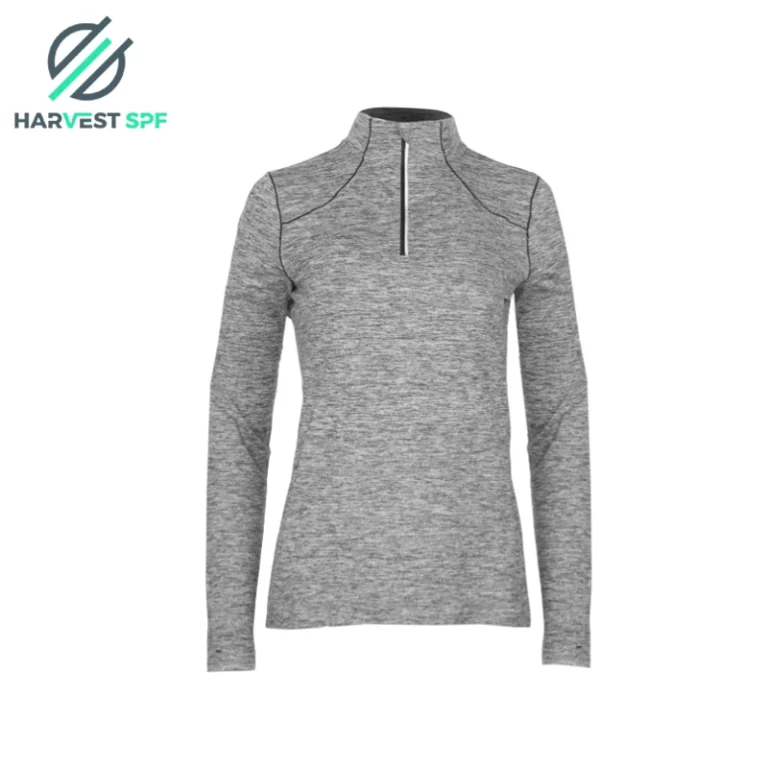

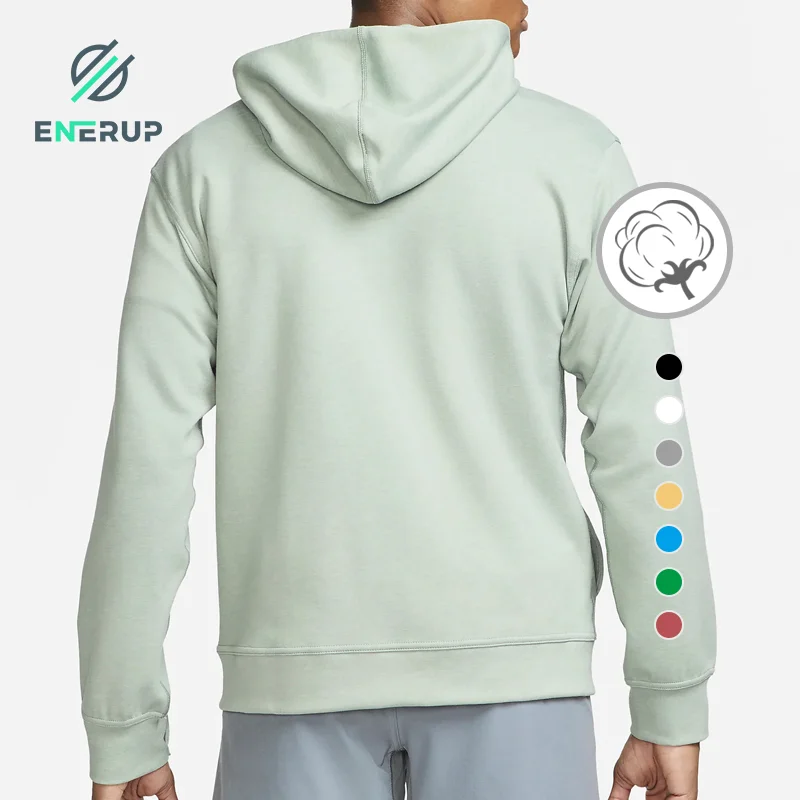
Hoodie production cost is rarely determined by a single unit price. For retailers, private label apparel buyers, sportswear distributors, and custom sweatshirt projects, the final quote is shaped by fabric selection, garment construction, MOQ, sampling, trims, packaging, quality control, and shipping method.
A hoodie that looks simple in a product photo can involve many layers of cost. Fabric weight, fleece treatment, colorfastness, sewing complexity, logo application, fit development, and order quantity all affect the final production budget. Understanding these cost drivers helps purchasing teams compare quotations more accurately and avoid low-price offers that later turn into unstable quality or hidden charges.
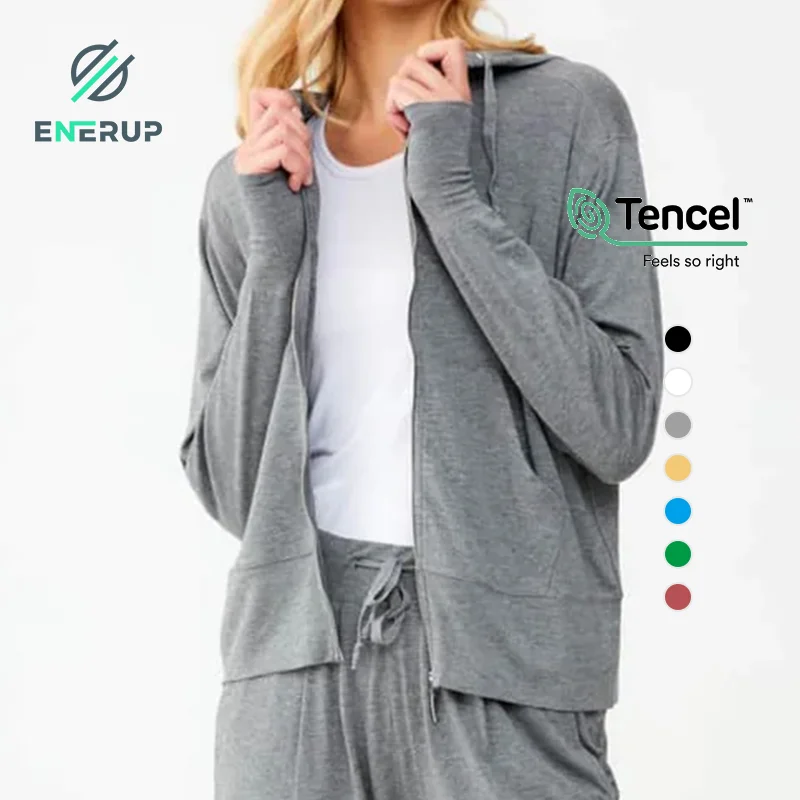
Fabric Choice Is the Biggest Cost Driver
Bottom line up front:
Fabric is usually the largest cost driver in hoodie production. In many hoodie and sweatshirt programs, fabric can represent a significant share of the total manufacturing cost, often exceeding 50% depending on material type, GSM, finishing, and order quantity.
1. Fabric Type: Cotton, Polyester, or Blends
Cost of a fabric is affected by fiber composition in five different ways: hand, cost, durability, shrinkage and washability.
Common hoodie fabric options include:
- 100% cotton
- Soft hand feel
- Good breathability
- Higher shrinkage control requirement
- Higher cost for premium yarns
- Polyester
- Strong durability
- Better color stability
- Faster drying
- Less premium touch for lifestyle collections
- Cotton-poly blends
- Balanced cost and comfort
- Easier bulk production
- Better shape retention
- Suitable for commercial hoodie lines
- Functional blends
- May include moisture management, odor control, thermal retention, or stretch performance
- Higher development cost
- Better product differentiation for performance apparel
Harvest SPF manufactures functional apparel and textile solutions for production of activewear, thermal wear, custom sweatshirts, fleece midlayers, athleisure and eco-friendly daily essentials. Fabric cost is more than just the cost of the fabric itself; it includes the cost of production of high quality functional apparel and also reflects the positioning of the product, its function and the retail market that the product will be sold in
2. How Fabric Weight GSM Directly Affects Fabric Price
GSM is an abbreviation for grams per square meter. Fabric GSM affects not only material cost but also perceived quality, garment weight, and shipping expense.
Typical hoodie GSM ranges include:
- 280–320 GSM: lightweight and cost-controlled
- 330–360 GSM: mainstream mid-weight hoodie
- 380–420 GSM: heavier premium hoodie
- 420 GSM and above: thick streetwear or winter sweatshirt
Higher GSM means more yarn, more expensive fabric, heavier shipments, and more cutting waste. It can become one of the most important variables in the total production cost.
In digital mockups, a 360 GSM hoodie may look similar to a 400 GSM hoodie. However, the differences in fabric consumption, dyeing cost, and freight cost may seem small per piece but can become significant in larger orders.
3. Brushed Fleece vs French Terry: Same GSM, Different Cost
Two hoodies with the same GSM can still have different production costs because fabric construction, finishing, and performance requirements vary.
French terry usually has a loop-back interior. It is breathable, clean, and suitable for mid-season sweatshirts, athleisure hoodies, and casualwear.
Brushed fleece has a soft, fuzzy inner surface. It feels warmer and more comfortable for cold-weather products, but it requires an additional brushing process. This extra process increases cost and also raises the importance of pilling control, lint control, and fabric inspection.
For functional hoodie programs, the choice between French terry and brushed fleece should match the target market. Outdoor, thermal, loungewear, and activewear segments may need different fabric structures even when the hoodie silhouette looks similar.
4. Dyeing and Color Consistency Affect Cost Stability
Colors affect costs too. Dark colors, special shades, and strict colorfastness requirements often require more controlled dyeing processes, additional testing, and tighter shade management.
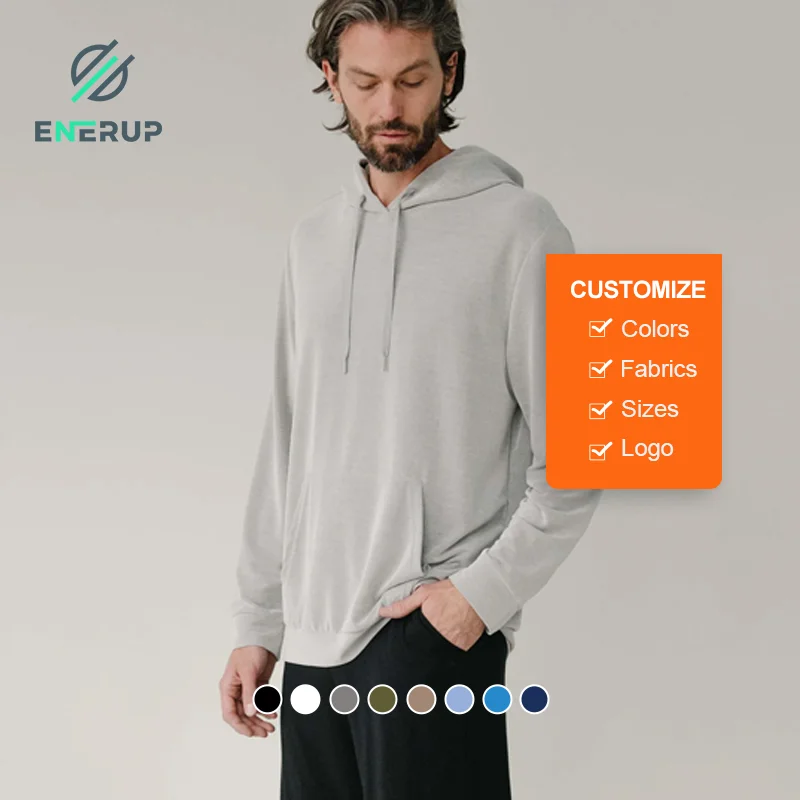
Common color-related cost factors include:
- Lab dip development
- Color approval rounds
- Dyeing minimums
- Colorfastness testing
- Shade band control
- Extra fabric allowance for re-dyeing risk
Low cost color process may lower the initial price for a product, however, instable color, color bleeding or washing complaints can turn into high after sales cost. For export of textiles, colors have to be stable in order to get the best possible price on the market of the customer. Exporters of textiles have to ensure strong and stable colors, in order for the retailers and distributors to get the best possible quality of the goods in bulk in all different sizes in different batches and also in follow up orders.
Labor Cost Depends on Construction Complexity
Bottom line up front:
Labor cost increases as garment construction becomes more complex. For example, a hoodie with multiple design details takes longer to cut, sew, inspect, and finish than a basic pullover hoodie.
1. Basic Hoodie vs Complex Hoodie
Basic pull-over hoodies consist of hood, kangaroo pocket, rib cuffs, rib hem and standard seams, such as side seams, shoulder seams and armholes, making it a very efficient design for mass production.
Complex hoodies may include:
- Oversized cutting
- Dropped shoulders
- Panel blocking
- Contrast stitching
- Zippers
- Thumbholes
- Double-layer hood
- Hidden pockets
- Binding tape
- Reinforced seams
- Special sleeve construction
More details mean more sewing time and more inspection points. Therefore, two hoodies made with similar fabric can have very different unit prices.
2. Sewing Techniques Change Cost
Stitch type affects labor time and durability. Flat seams, coverstitching, reinforced seams, and clean finishing can improve product quality, but they also require skilled workers and suitable machines.
For activewear and performance sweatshirts, seam comfort and stretch recovery can be more important than decoration. A hoodie intended for sports, yoga, outdoor, or thermal layering may require better seam control than a simple casual sweatshirt.
3. Quality Requirements Change Production Speed
Higher quality requirements usually slow down production because each step requires tighter control and more detailed inspection. Cut panels must be aligned more precisely, fabric direction and face side must be controlled correctly, measurement tolerances are tighter, and each garment requires more thorough inspection.
Quality-focused production may include:
- Pre-production sample approval
- Size set approval
- Inline inspection
- Final inspection
- Measurement checking
- Color and fabric review
- Packaging inspection
Adding an extra process step increases cost but reduces the risk of returns, rework, and rejected shipments.
MOQ Directly Affects Unit Cost
Bottom line up front:
MOQ exists because fabric sourcing, dyeing, accessories, labor planning, and factory scheduling all involve fixed costs that are harder to absorb in small orders.
1. Fabric Suppliers Sell by Rolls
Fabric is usually purchased by roll, not by single garment. If the order quantity is too small, fabric suppliers may charge a higher price per meter or require minimum dyeing quantities.
This affects hoodie production because one style may need several materials, including shell fabric, rib fabric, pocket lining, drawcord, labels, hangtags, and packaging materials.
2.Small Orders Spread Fixed Costs Across Fewer Pieces
Sampling, pattern making, cutting setup, machine adjustment, printing setup, and packaging design all create fixed costs. When order quantity is low, these costs are divided across fewer pieces, making the unit price higher.
For example, the same screen setup cost is much easier to absorb in a 1,000-piece order than in a 100-piece order. This is why test orders usually have a higher unit cost than repeat bulk orders.
3.Accessory Suppliers Also Have MOQs
Labels, tags, cords, eyelets, zippers, elastic bands, patches, cartons, and packaging bags often come from accessory suppliers. Each supplier may have its own MOQ.
If custom accessories are required, the unit price may increase because these items usually cannot be purchased piece by piece.
4.MOQ Should Match Market Stage
A new hoodie project may need a controlled test quantity. A mature retail program may need larger production volume for cost efficiency. The right MOQ depends on product positioning, sales channel, inventory plan, and delivery schedule.
Harvest SPF supports custom production planning for activewear, outdoor thermal, eco-friendly daily essentials, and functional apparel. For custom production programs, the MOQ and development scope should be reviewed together, not as two separate numbers.
Hidden Fees That Affect Hoodie Production Cost
Bottom line up front:
Many hidden fees appear because key production details are not confirmed early enough.
Common hidden cost areas include:
- Fabric shrinkage allowance
- Extra cutting waste
- Lab dip revisions
- Sample revision rounds
- Urgent production surcharges
- Packing material changes
- Third-party inspection
- Freight changes
- Duties and local import costs
- Payment delays
- Rework caused by unclear specifications
Hidden fees can be reduced by preparing a complete tech pack before quotation and production. A confirmed size chart, approved fabric, approved color, approved trims, and clear packaging requirements allow the factory to provide a more accurate quotation from the beginning.
FAQ
What is the biggest cost in hoodie production?
Fabric is normally the biggest cost driver of your hoodie price. GSM, construction, dyeing, shrinkage control, and performance finishes all play a major role.
Why does hoodie MOQ affect unit price?
MOQ affects unit price because fabric purchasing, dyeing, pattern making, printing setup, cutting, sewing preparation, and accessory sourcing all include fixed costs. Larger orders spread these costs across more pieces.
How does GSM affect hoodie production cost?
Higher GSM means more yarn, higher fabric cost, heavier weight for shipping and more waste when cutting. Small differences in GSM can result in higher total costs for even small order quantities.
Why are custom hoodies more expensive than blank hoodies?
Developing custom hoodies involves activities such as fabric development, lab dips, pattern alterations, logo prints, custom trim applications, size grading, packaging, and more approvals than buying blank stock garments. Because of the costs to develop and set up custom production, it typically is priced higher than buying blank stock.
Is brushed fleece more expensive than French terry?
Brushed fleece can be more cost-intensive because it requires an extra processing step and the pilling, lint and surface smoothness have to be controlled more strictly. In addition, the final price also depends on GSM, yarn quality, finishing and on the ordered quantity.
How can buyers make hoodies cheaper without compromising quality?
Reduce the cost by selecting the most realistic GSM. Reducing the number of design details that are not needed. Confirm the colors and trim level as soon as possible. Use the available fabric wherever possible. Be prepared with a complete tech pack when requesting a quotation.
Partner with Harvest SPF for Custom Hoodie and Functional Apparel Production
Harvest SPF is a full-service custom apparel manufacturer and supplier with over 30 years of experience, 30+ patents, and customers across the Americas, Europe, and Australia. The company specializes in functional textiles, activewear, outdoor thermal clothing, eco-friendly daily essentials, custom sweatshirts, hoodies, athleisure wear, and ODM/OEM production.
Harvest SPF supports retailers, distributors, private label apparel buyers, and custom apparel projects with fabric selection, sample development, pattern making, production planning, quality control, packaging, and shipping coordination.
Its material options include merino wool, organic cotton, bamboo lyocell, modal, PLA, recycled synthetics, and other functional blended fabrics, making it a suitable partner for buyers seeking stable costs, flexible design, eco-friendly fabrics, and reliable production services. Please feel free to contact Harvest SPF for a quote, samples, or production planning.