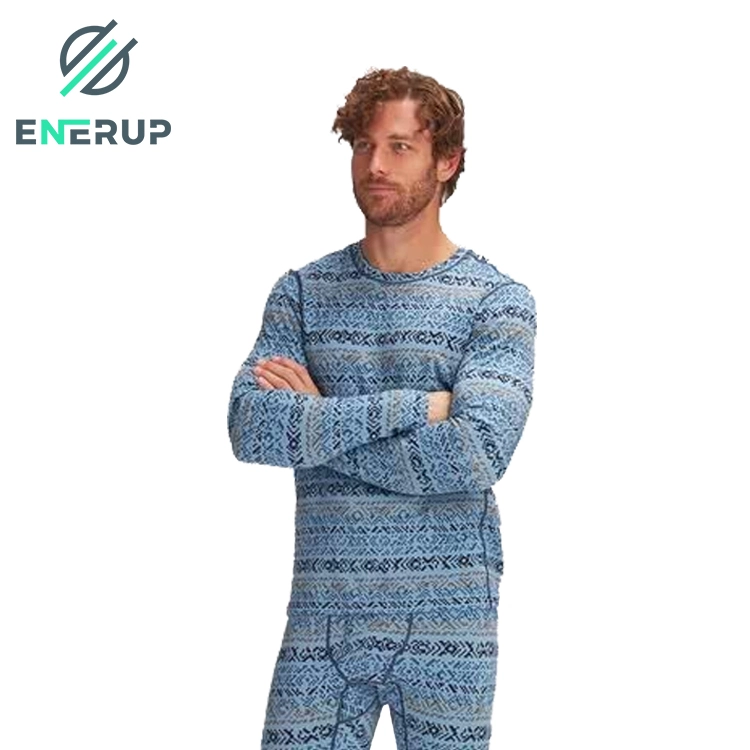

A sustainable T-shirt is not just a label, nor a single fiber, nor even a marketing promise. Rather, a sustainable T-shirt is the result of responsible choices across the full product life cycle, from raw material cultivation, yarn spinning, fabric knitting, dyeing, cutting and sewing to packaging, logistics, consumer use, durability, and end-of-life handling.
Sustainability for apparel brands and sourcing groups also needs to satisfy commercial needs like comfort, durability, consistency of sizing, printability, and scalability of production.
The sustainability criteria of a T-shirt would be the ability to be made from more sustainable fabrics, being less chemically intensive, having a socially responsible labor environment, being waste minimal, and being durable through many washes. In the case where a T-shirt is falling apart quickly, shrinking too much, losing shape, or just simply not performing its job effectively while wearing it, sustainability goes out the window.
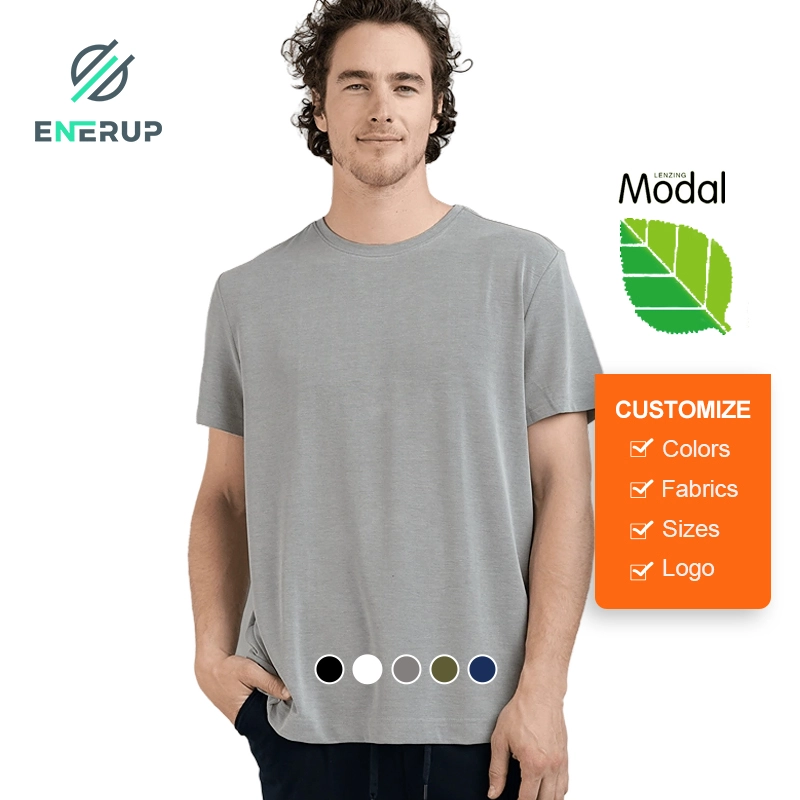
What Makes a T-shirt Sustainable?
Sustainable T-shirt production means evaluating every stage of the product journey to reduce harm to people and the environment while creating a garment that is comfortable, durable, and commercially viable.
Responsible Material Selection
Fiber selection forms the very essence of a garment, however there is no fiber that is automatically sustainable. The use of hemp, organic cotton, recycled fibers, merino wool, modal, lyocell, and PLA fibers may form a foundation for a responsibly developed product if analyzed in relation to the land use, water use, chemical use, processing, durability, availability, and end-use of the product.
Lower-Impact Processing
Many processes involved in producing textiles may potentially have environmental impacts. Dyeing, bleaching, washing, finishing, and printing must be controlled to regulate the amount of water, energy, and chemicals consumed. Sustainable production of t-shirts is associated with the regulation of the dyeing process, the use of environmentally-friendly auxiliary substances, wastewater treatment, responsible finishing, and testing of color fastness, shrinkage and washing.
Durability and Long Wear Life
Sustainable T-shirt is expected to have higher durability compared to an inexpensive T-shirt. The more often a T-shirt is used, the lesser is its environmental footprint per unit of usage. Thus, seams must be durable, the collar must lie flat, colors must be resistant to fading, fabric must be anti-pilling, and clothes must maintain its form after each wash.
The less frequently a product is used, the larger is its environmental footprint per use. The more frequently a product is used, the smaller is its environmental footprint per use.
Ethical and Traceable Production
Human element of production has to be taken into account as well. Responsible production implies good supplier management, responsible attitude towards the workforce, proper material tracking and constant quality control. Traceability can help the brand to make credible sustainability claims and avoid greenwashing.
Is Hemp Fabric Sustainable?
Hemp is one natural fiber that can be used to create more sustainable T-shirts. Hemp fabric is strong, durable, breathable, and suitable for repeated wear.
Hemp is commonly known for having relatively low requirements in terms of pesticides in comparison with traditional crops that are used for production of clothing, and can be cultivated in different climatic zones.
Hemp fibers are strong and wear-resistant, making them suitable for garments that are worn frequently, such as basic T-shirts, travel tops, casual sportswear, and everyday garments for eco-conscious consumers.
Pure hemp may have a relatively rigid texture that depends on spinning, knitting, and finishing process; however, it can be mixed with organic cotton to make the fabric softer and easier to handle in addition to improving its properties.
Is Bamboo Fabric Really Sustainable?
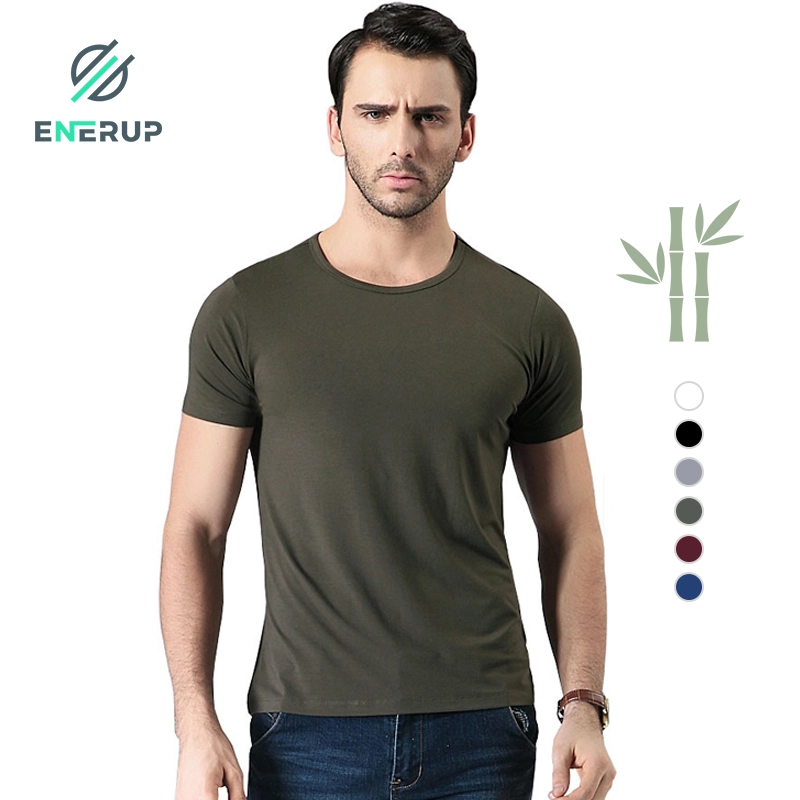
Bamboo has gained popularity as an eco-friendly material in recent years because it grows quickly and may require fewer agricultural inputs than some other plants. However, whether bamboo fabric is sustainable depends greatly on how the bamboo is processed into fiber for use in textiles.
Most bamboo apparel fabrics are made through a cellulose processing system that can involve significant chemical use. Without a well-managed processing system, bamboo’s positive agricultural attributes can be diminished by chemical inputs, water use, and waste generated during fiber production. This makes bamboo a more complex sustainability choice than many marketing claims suggest.
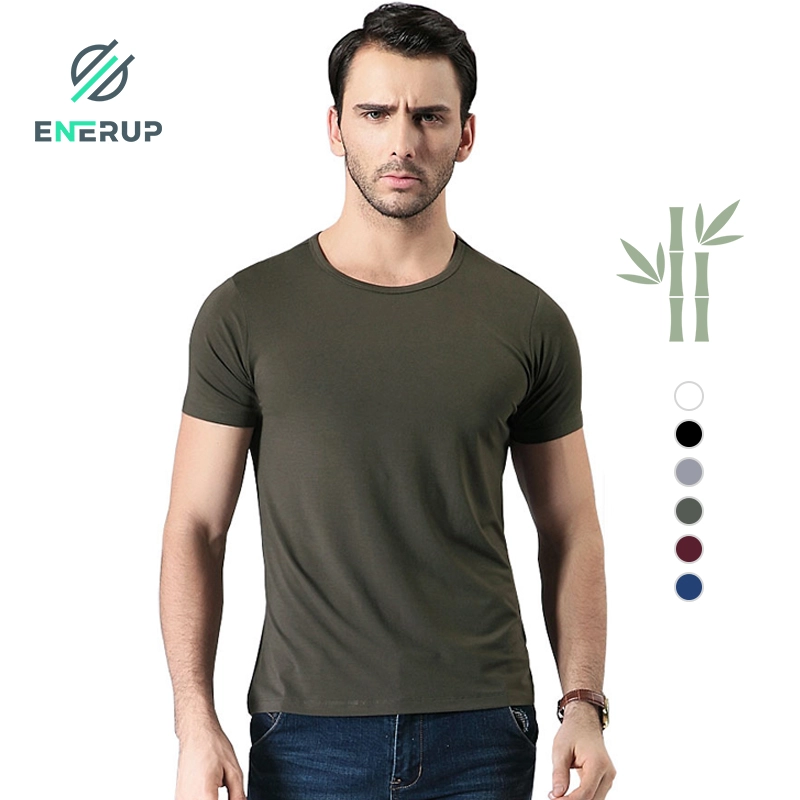
Is Cotton Fabric Sustainable?
The Cotton fiber is also one of the most common fibers for T-shirts. This fiber offers comfort, airiness, printability, and easy acceptance by consumers. Nonetheless, there may be environmental drawbacks associated with the production of traditional cotton
Organic cotton could be an alternative option due to its ability to bypass several of the common agricultural chemicals used in cultivation. Nevertheless, organic cotton would still need assessment in terms of water, dyeing, finishing, durability, and the total quality of the final product made from it.
Cotton is a fiber that lends itself well to blends, particularly those with hemp. The hemp fiber brings toughness as well as its own unique feel. Hemp-organic cotton blends will suit a lot of eco-friendly T-shirt projects well.
Fabric Construction Also Matters
Sustainability goes beyond fiber names; knitting structure, fabric weight, yarn quality, finishing, and garment construction are some of the aspects that affect performance and durability of the product.
Lightweight jersey could be used for warmer casual clothing, while the more durable option will make fabric premium to touch. Such elements as rib collars, durable seams, shoulder-to-shoulder tape, stabilized hems, and shrinkage tests may increase T-shirt durability during the usage and frequent washings.
As part of the sustainability program for the apparel, quality testing must be included in the development process. Tests like shrinkage, color fastness, pilling, seam strength, fabric hand feel, stretch recovery, and wash performance are among those. Responsible T-shirts should have good appearance from the beginning and last through real use.
Why Choose a Hemp T-shirt?
Hemp T-shirts can be a strong choice for brands looking for durability, breathability, natural fibers, and a credible sustainability story. Hemp can also be blended with organic cotton to improve softness and make the fabric more suitable for commercial use.
Hemp T-shirts can support several product directions:
- Daily essentials with a lower-impact material story
- Premium casualwear with natural texture and durability
- Travel tops that require breathability, durability, and easy care
- Relaxed activewear with comfort and wear resistance
- Private-label sustainable apparel collections
The best hemp T-shirts are not only made with responsible fibers. They are engineered through suitable materials, proper finishing, accurate patterns, durable stitching, consistent sizing, and reliable quality control.
FAQ
What is the most sustainable fabric for a T-shirt?
There is no universal “most sustainable” fabric that can be used to create every t-shirt. Hemp would be an ideal material due to its strength, ability to breathe, and sustainability profile; however, other materials such as organic cotton, recycled fabric, merino wool, modal, lyocell, and PLA can contribute to sustainable projects as well.
Is organic cotton better than conventional cotton?
The fact that organic cotton doesn’t use any of the chemicals used in conventional cotton farming makes it possible to tell a more convincing sustainability story. Nonetheless, the same set of issues persists – water, treatment, dyeing, finishing, and strength of the fabric. Organic cotton is ideal for blending.
What makes a T-shirt supplier sustainable?
A sustainable T-shirt supplier should offer responsible materials, sampling support, quality control, ethical production management, traceability, customization, packaging, and shipping solutions that support lower-impact apparel.
Harvest SPF supports apparel brands, retailers, and sourcing teams looking for a reliable sustainable T-shirt manufacturer and supplier that can offer eco-friendly T-shirts made from materials such as hemp, organic cotton, merino wool, recycled fibers, and other responsible material options.
Having gained more than 30 years’ experience in textiles, Harvest SPF produces functional fabrics, fibers, and components for garments with customization. Brands may choose to collaborate with Harvest SPF in order to customize their fabrics, colors, sizes, labeling, packing, and manufacturing process. The experts will help to develop samples, conduct quality control, and manage the production process so that a sustainable T-shirt idea would become a marketable collection.
In case you need to develop customized sustainable T-shirts, produce a private label, choose materials, develop samples, and source eco daily essentials, Harvest SPF offers an effective manufacturing solution.
To discuss sustainable T-shirt manufacturing, custom material development, sample requests, or private-label production needs, contact Harvest SPF for tailored support and a practical production plan.