Common Features of Modern Tennis Dresses
Modern tennis dresses have changed a lot since the 19th century. Back then, women wore tight corsets and long skirts. These limited movement. Pioneers like Suzanne Lenglen brought shorter skirts and sporty attire. This helped players move freely on the court. By the 1960s, dresses were short, stylish, and practical.
Today’s tennis dresses focus on performance. They are light, airy, and made from moisture-wicking fabrics. These keep players cool and dry during tough matches. Despite these improvements, one feature is often missing: pockets.
Functionality of Pockets in Tennis Apparel
Pockets seem handy for holding extra balls or small items during play. But they are rare in tennis dresses today. Adding pockets is seen as less stylish. Plus, a ball in a pocket on a loose dress can distract during rallies.
This wasn’t always true. In the late 1970s, teenager Tracy Austin wore homemade pinafore dresses. Some had useful pockets.
Differences Between Pockets in Dresses and Skirts
Tennis dresses usually lack built-in pockets. But skirts often pair with compression shorts that have ball pockets. This mix keeps style and function without slowing players down on the court.
What Female Players Can Wear Under Their Dress Or Skirt
Compression Shorts and Their Benefits
Female players often wear compression shorts under tennis dresses or skirts. These shorts have pockets for spare balls. They offer support and keep balls secure without affecting movement.
Compression shorts also help muscles and improve blood flow. This reduces tiredness during long matches. Their snug fit prevents chafing and allows full motion.
Undergarments Designed for Athletic Performance
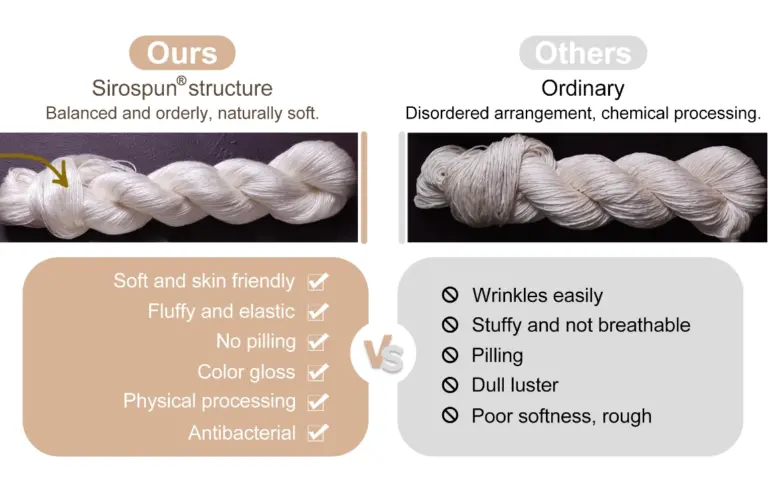
Beyond compression shorts, many players choose undergarments made from high-performance fabrics. These boost breathability and comfort. For example, Bamboo Lyocell Hipster Bikinis have seamless construction and moisture-wicking features. These are great for sensitive skin during active play.
Such garments often have antibacterial and anti-odor features. This helps with hygiene during long play sessions.
Rules and Guidelines for Professional Tournaments
Professional tournaments allow flexibility in undergarments, except at Wimbledon. There, all clothing must be mostly white, including under-shorts. This keeps a uniform look. Players need specific gear for this event.
In colder events, like the 2020 French Open, leggings are allowed under dresses or skirts for warmth.
How Do Female Players Hold Tennis Balls?
Use of Built-In Shorts with Ball Pockets
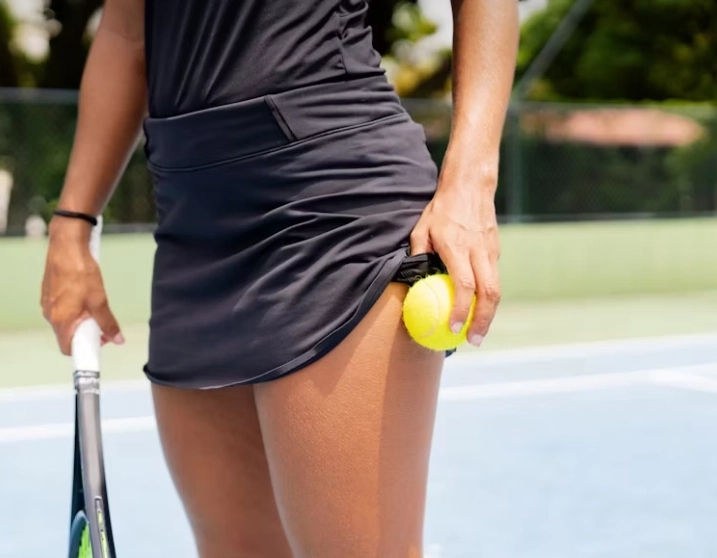
Most female players use special shorts with ball pockets under their outfits. These shorts have a sewn-in pocket for a ball. It stays secure without causing discomfort during play. This allows quick access between serves while keeping focus.
This became key after two-handed backhands grew popular in the 1970s. Players couldn’t hold an extra ball in their non-dominant hand while serving.
Alternative Methods for Carrying Extra Balls
Holding an extra ball in the non-dominant hand is rare today. It works only for players with a one-handed backhand. Even then, some hands are too small to hold two balls. Plastic clips were tried but found inconvenient and are no longer used.
Practical Considerations During Match Play
Having quick access to an extra ball is vital for keeping rhythm between serves. Compression shorts with secure pockets are the best solution. They don’t interrupt gameplay or comfort.
Can Female Tennis Players Wear Shorts?
Regulations on Tennis Attire in Competitions
No rules stop female tennis players from wearing shorts instead of dresses or skirts. Alice Marble started this trend in the 1920s. Many players, like Martina Navratilova and Victoria Azarenka, have chosen shorts for comfort or function.
Advantages of Wearing Shorts Over Dresses or Skirts
Shorts offer more coverage and freedom of movement than skirts or dresses. This helps when diving or running side to side. But tight-fitting shorts don’t always solve ball storage. Players often add compression layers with pockets for this.
Trends in Women’s Tennis Fashion
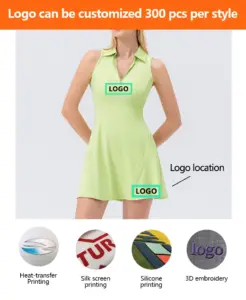
Classic tennis dresses remain popular for their look, especially with brand endorsements. But shorts and other attire show a growing focus on personal style in tennis fashion. Customization lets players or brands tailor designs for function or identity. Harvest SPF Textile Co., Ltd supports this with ODM/OEM services using sustainable materials like Bamboo Lyocell or merino wool blends for activewear.
Custom Tennis Dresses from Harvest SPF Textile Co., Ltd
Since 1993, Harvest SPF Textile Co., Ltd has led in customized activewear. Their focus is on “Dress for Health, Dress for Energy.” With over 30 patents in functional textiles, they combine innovation with ethical sourcing. Their commitment covers raw materials to final production.
They offer seamless construction and customization for base and mid layers. Materials like TENCEL™ and Bamboo Lyocell blend with high-performance synthetics for premium tennis dresses. For new D2C lines or global retail in 60+ countries, they provide tech pack development, sampling, and mass production. MOQs start at 500 pcs per style/color/size for seamless garments. Reach out to us today for an instant quote
FAQ
Are skirts mandatory for women in tennis?
No, skirts are not required. The Women’s Tennis Association allows leggings, bike shorts, or dresses without skirts. Traditional clubs or events like Wimbledon may prefer skirts or dresses for a polished look.
What are the dress code rules for professional tennis?
Wimbledon: All clothing must be mostly white, including undergarments, with minimal logos and no off-white or cream shades.
Other Grand Slams (e.g., US Open, Australian Open): More relaxed, allowing bright colors and expressive designs, but attire must stay professional with logo size limits.
Clubs: Many require traditional tennis attire, like collared shirts, skirts, or dresses, and ban casual items like denim or graphic tees.
Can tennis dresses be worn off the court?
Yes, many tennis dresses work for athleisure. They pair well with sneakers, sandals, or a jacket for casual outings. Designs with adjustable straps or pockets add functionality.
What are the best fabrics for tennis dresses?
Polyester: Light, tough, and moisture-wicking.
Spandex/Lycra: Stretchy for flexibility.
Nylon: Airy and quick-drying, often blended with spandex.
Choose polyester and nylon for hot days or layered blends for cooler conditions.