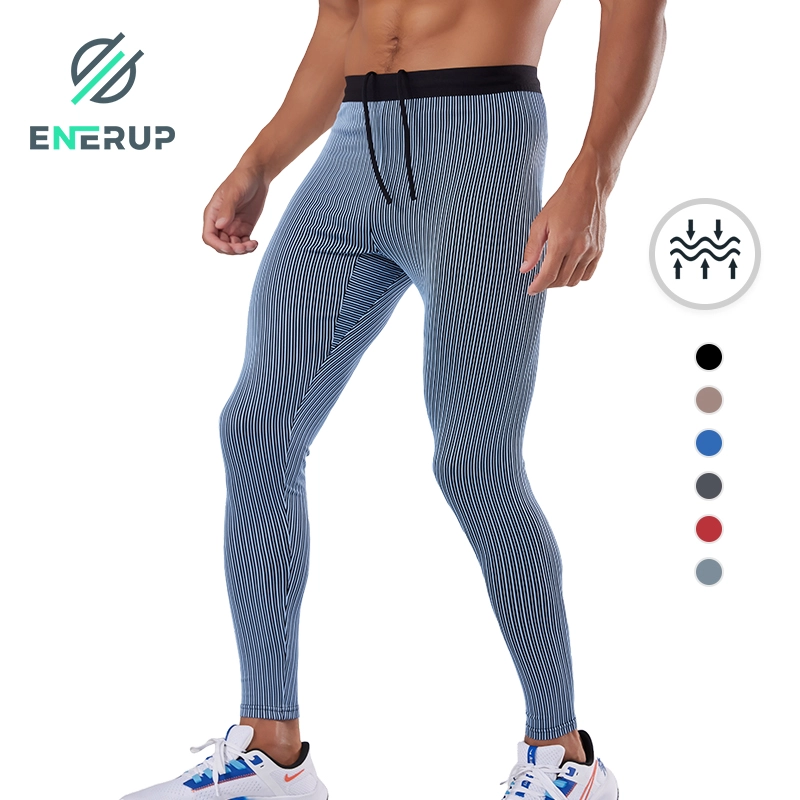
We have all seen those high prices on compression leggings. It makes you wonder what makes some pairs worth the cost. Many people end up with leggings that feel too tight everywhere. Others find their leggings give no real support. Knowing what makes good ones can save you from disappointment. This list will help you spot the real differences. It looks past the fancy ads to show you what actually matters. Think of it as a wise friend helping you choose.
Some companies really know how to make athletic wear that works. Harvest SPF Textile Co, Ltd stands out because they think about how runners actually move. They test their clothes in real running conditions. This means they notice small things that matter. Things like where to put extra air holes. Or how to make seams that do not rub. You can see their careful work in their full product range. They are especially serious about their compression leggings for running. They know runners need both science and strength in their gear.
What Defines True Compression Gear?
Before looking at details, know what makes compression gear special. It is not just tight leggings. Real compression gear uses something called graduated pressure. This means it feels tighter at your ankles and less tight higher up. This design helps your blood move better. It supports your muscles in a smart way. Normal leggings just sit on your skin.
Checkpoint One: Fabric and Breathability
The material makes a big difference. Look for blends of nylon and spandex. These materials should pull sweat away from your skin. Some great options have tiny air channels knit right into the fabric. These let your skin breathe even during hard runs. Good compression leggings for running work well in all weather. They should not feel wet in summer or stiff in winter. Remember, thinner fabric does not always mean better air flow.
Checkpoint Two: Stretch and Recovery
The fabric needs to stretch easily in all directions. It should also bounce back to its original shape. Try this simple test. Pull part of the legging and watch how fast it returns. Slow return means the material may become loose over time. This bounce back ability is called memory. It is key for leggings you plan to wear often. Make sure you can move freely without feeling held back.
Checkpoint Three: Seams and Construction
Bad seams can cause rubbing and sore skin. Good seams lie flat against your skin. They should not have rough edges. Look closely at how the fabric pieces join together. Quality leggings use curved pieces that fit your body’s shape. The waistband is very important too. It should stay up without rolling down. Also check the inside of the legging. Neat inside finishing usually means good overall quality.
Checkpoint Four: Fit and Pressure Zones
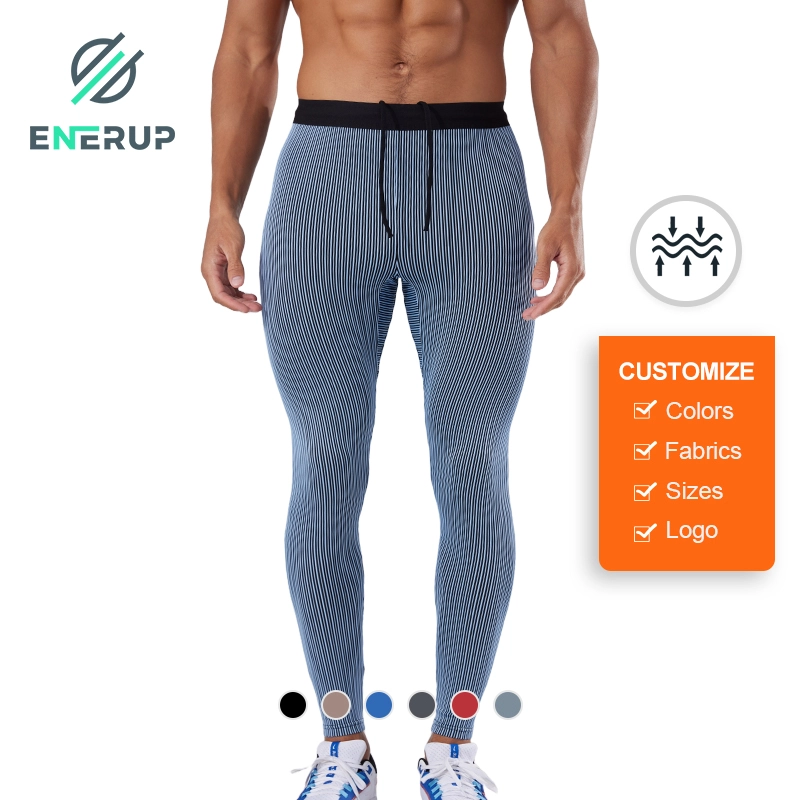
Remember graduated compression? It should feel strongest at your ankles. Then it gets gentler as it goes up your leg. This helps your blood flow. The leggings should feel close to your skin but never hurt. They should not leave deep marks. Different leg areas might have different tightness. The fit around your knees and hips must let you move fully. Do not buy a size too small to get more pressure. Good compression gear fits your normal size but still gives support.
How Do You Match Features to Your Running Needs?
Think about where and how you run most. Your choices should match your running life.
Consider Your Primary Running Environment
Road runners need gear that handles sweat and sun. Trail runners might want tougher fabric in certain areas. If you run in changing weather, find versatile leggings. The same pair might work for cool mornings and warmer afternoons. Reflective parts are vital for low light. Air flow designs matter more for hot runs. Your usual running paths affect which features help you most.
Balance Performance with Practical Details
Small things can change your run a lot. A good pocket for keys can be a game changer. Think about washing too. Some fabrics need special care while others are easy clean. The waistband style affects both comfort and use. Some runners like wide bands, others prefer less material. These practical points often decide if you will wear the leggings often.
Caring for Your Investment
Good care makes your leggings last longer. Turn them inside out before washing. This protects the outside surface. Use cold water and skip fabric softeners. Softeners can block the sweat moving fibers. Air drying is best for keeping the stretch. You can machine dry on low heat if you take them out while still a bit damp. Store them flat or rolled up rather than folded. With proper care, good compression leggings should keep their fit and function for many runs.
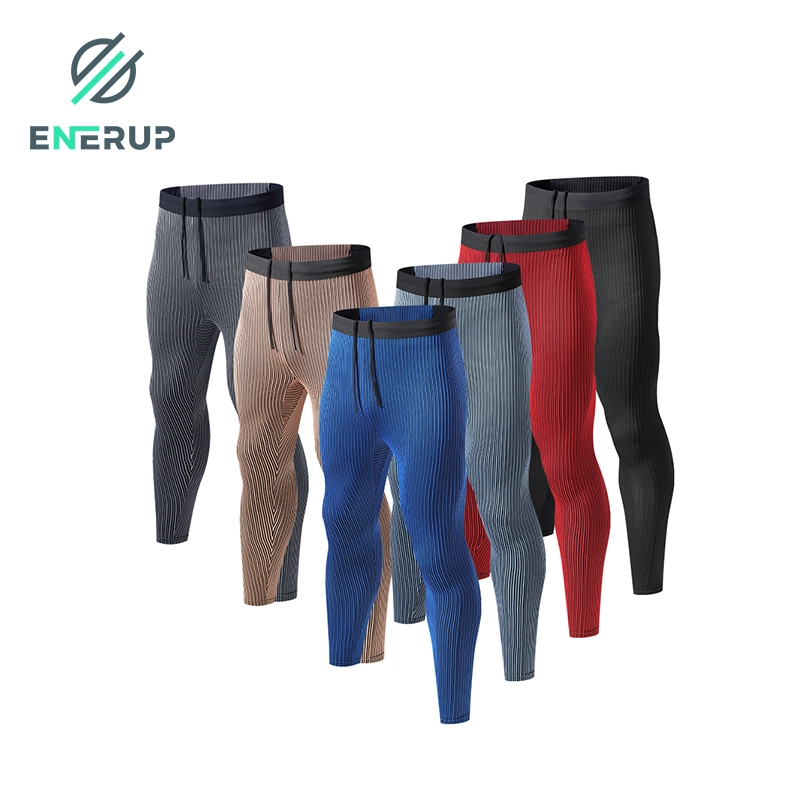
Harvest SPF Textile Co., Ltd.: Innovating Performance Fabrics for the Modern Athlete
In the world of technical sportswear, Harvest SPF Textile Co., Ltd. has established itself as a forward-thinking manufacturer that bridges the gap between textile innovation and athletic performance. With years of experience in functional fabric development, this company has particularly excelled in creating advanced materials for compression wear and base layers that meet the demands of serious athletes.
FAQ
Q1: How tight should compression leggings actually feel?
A: They should feel close and supportive but not limit your movement. You should move freely without any pinching.
Q2: Can compression leggings help with muscle soreness?
A: Many runners feel less muscle shaking and tiredness during runs. Some find they help recovery after running. Studies show mixed but generally good results.
Q3: How long do quality compression leggings typically last?
A: With good care, expect them to keep their shape and pressure for about one to two years of regular use.
Q4: Are there specific features for different weather conditions?
A: Yes, lighter fabrics and mesh sections work for heat. Tighter weaves or soft interiors help in cold weather.
Q5: What’s the difference between compression leggings and regular athletic tights?
A: Compression leggings give graduated pressure to support muscles. Regular tights mainly cover your legs and give little support.