Merino wool is a top-notch fabric in the world of performance textiles. It’s loved for its softness, ability to let air flow, and knack for keeping people at the right temperature. This natural material is a go-to for making high-quality clothing, especially for outdoor and activewear brands. Harvest SPF uses merino wool to create eco-friendly, practical products that meet tough industry rules.
One key factor in making merino wool clothing is fabric weight. It affects how warm, tough, and breathable the final product is. For clothing companies, picking the right weight is vital to match the needs of different uses, like base layers or cozy outerwear. Harvest SPF, with over 30 years of know-how since starting in 1993, focuses on merino wool for original design manufacturing (ODM) and custom orders. They hold certifications like RWS, OEKO-TEX, and Woolmark to ensure quality.
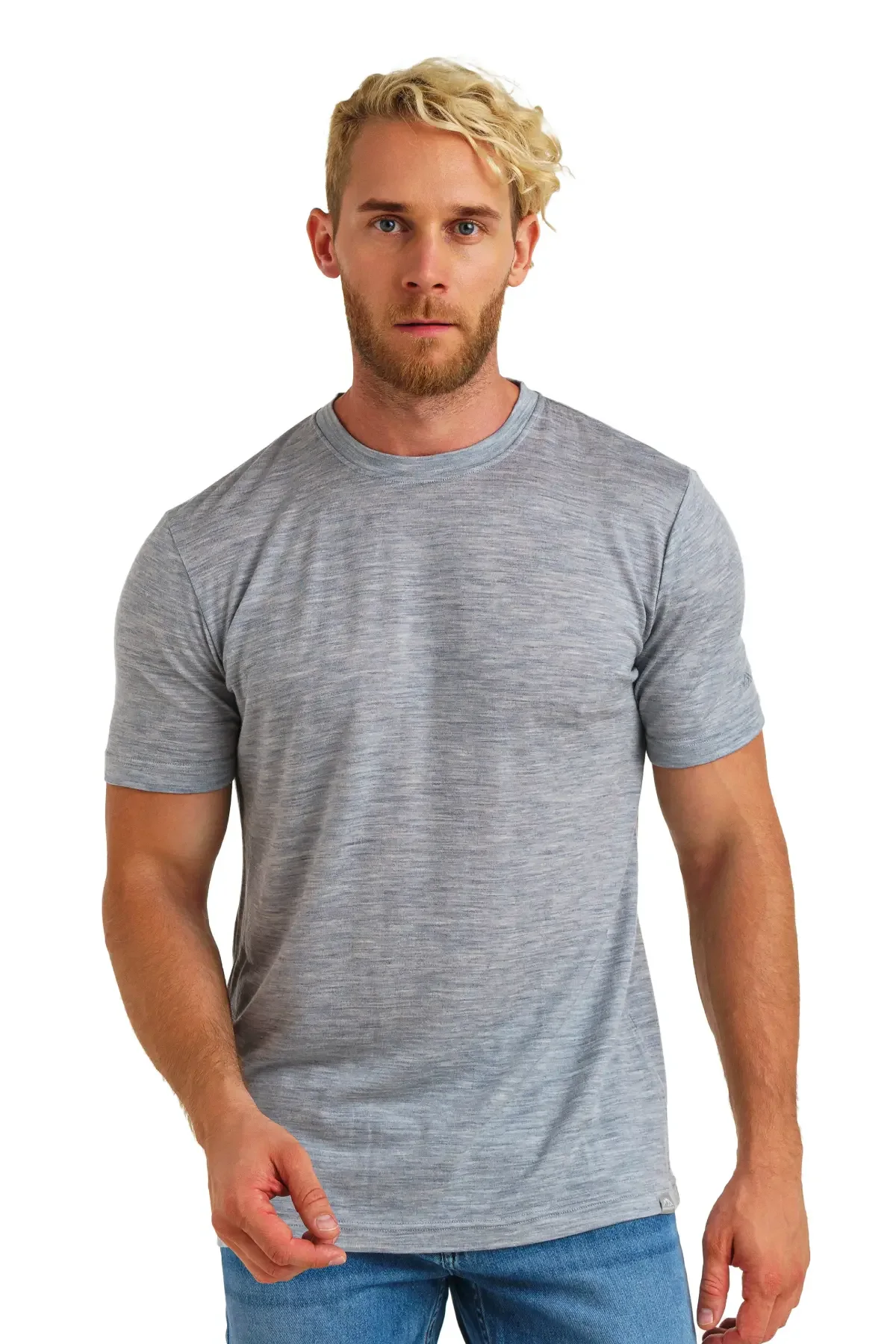
Understanding Fabric Weight
Fabric weight shows how dense a material is per area. It’s a core measure in textile work. It’s measured in grams per square meter (g/m²) for global use or ounces per square yard (oz/yd²) for some regions. These numbers help makers plan and produce clothing.
shows how fine the fibers are and how they are. Lower numbers mean thinner fibers, the yarn made by thinner fiber is great for light clothing.
How Fabric Weight Affects Performance
The weight of merino wool fabric shapes how the clothing works. It guides choices during research and quality checks.
Warmth
Heavier fabrics, above 250 g/m², are great at keeping you warm. They trap air in the fibers, making them perfect for winter clothing. Harvest SPF’s heavyweight merino base layers, certified by RWS for ethical sourcing, offer proven warmth that suppliers can trust for cold-weather gear.
Breathability
Lighter fabrics, under 200 g/m², let air and moisture move freely. This keeps people cool during active moments. Harvest SPF’s lightweight merino t-shirts allow better vapor flow than many synthetic fabrics, as shown in their OEKO-TEX-approved tests. This makes them ideal for activewear.
Durability
Heavier fabrics handle wear and washing better. This cuts down on product returns.
Comfort
Lighter fabrics feel soft and flexible, improving how clothes feel during testing. Harvest SPF mixes modal tencel, bamboo,nylon or spandex with merino to make clothes even more comfy. These designs meet BSCI labor standards and support ergonomic shapes.
These features work together, letting brands choose weights for mixed uses, like cycling gear for multiple seasons.
Merino Wool Weight Guide
Choosing the right merino wool weight needs a clear plan to match production goals with weather demands. Harvest SPF offers customizable weights starting at 150 g/m² for their ODM partners.
Merino Wool Fabric Weight Chart Harvest SPF
| Weight (g/m²) | Equivalent (oz/yd²) | Thickness | Recommended Uses |
| 150 | 4.4 | Lightweight | Summer hiking, high-energy workouts, warm-climate wear |
| 200 | 5.9 | Mid-Weight | Year-round base layers, cool-weather activities, casual wear |
| 250 | 7.4 | Heavyweight | Winter sports, cold-weather layering, extreme outdoor trips |
This chart, based on Harvest SPF’s outdoor thermal products, helps pick weights fast for bulk orders with low MOQs starting at 500 pieces per style.
150 g/m² (4.4 oz/yd²) – Lightweight
This weight shines in breathable clothing, perfect for summer hiking. They’re a top choice for trail gear suppliers. In fast-paced workouts like cycling, the fabric’s low heat buildup prevents tiredness. For warm climates, it fits into seamless designs, reducing seam issues in automated production.
200 g/m² (5.9 oz/yd²) – Mid-Weight
This weight is super flexible, working as a base layer in changing weather. Harvest SPF uses 200 g/m² merino for half-zip pullovers. These balance warmth and airflow for spring or fall clothing lines. In cool-weather camping tests, it keeps body heat steady within a 2°C range. Suppliers like its versatility for casual wear, especially with GRS-certified recycled blends that boost eco-friendliness.
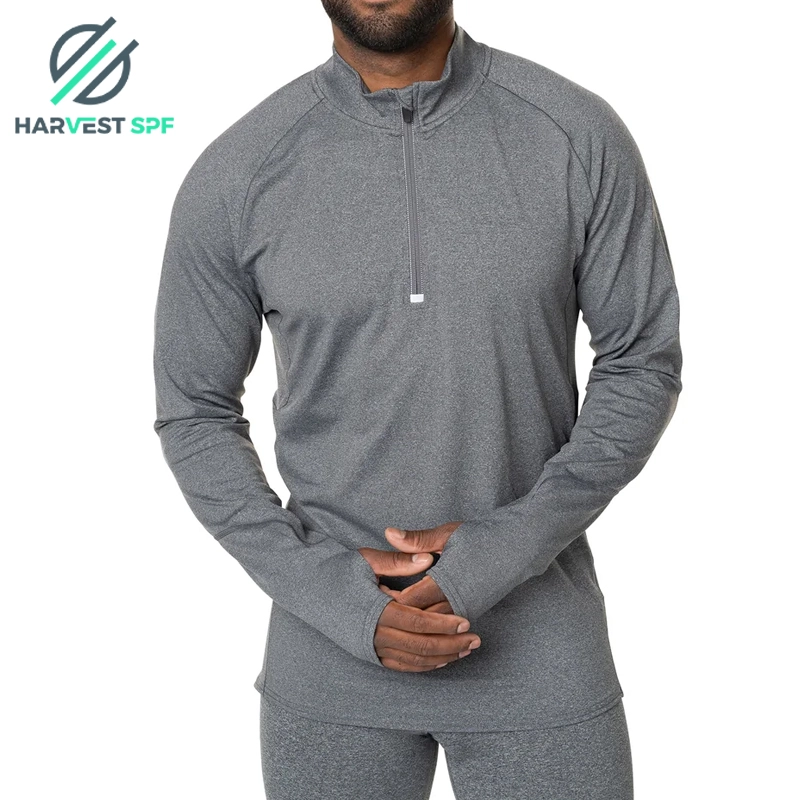
250 g/m² (7.4 oz/yd²) – Heavyweight
Built for tough conditions, this weight strengthens winter sports gear. Harvest SPF’s 250 g/m² merino neck gaiters and long johns trap heat well, with U-value ratings fit for sub-zero tests. As a mid-layer in cold-weather outfits, it fits under shells without bulk, making packing easier. In rugged outdoor tests, its toughness meets Woolmark standards.
Wool Fabric Weight Chart
The table above also applies to other wool types. Harvest SPF’s bamboo-merino blends give more options for varied production.
Tips to Maintain the Quality of Merino Wool Clothing
Keeping merino wool in good shape after production is key for brands wanting happy customers.
Wash Gently
Use cold water and mild, pH-neutral soap to keep fibers stretchy.
Dry Naturally
Lay flat or use low-heat drying to keep the fabric’s fluffiness. This avoids shape changes in stored stock.
Store Properly
Keep in cool, low-humidity spaces with poly bag packs to prevent moth damage, especially for sea shipments. For heavy items, fold them to maintain shape, easing global shipping.
Merino Wool Temperature Guide
Choosing the right weight ties to temperature needs, guiding seasonal production.
Lightweight 150 g/m² merino works best above 60°F (15°C). Its moisture-wicking is great for humid hikes or city wear. Midweight 200 g/m² suits 40°F to 60°F (5°C to 15°C), offering flexible warmth for changing climates. Heavyweight 250+ g/m² excels below 40°F (5°C). Harvest SPF’s blends match synthetic insulators’ R-values for winter tests.
This setup helps brands plan stock by region, using Harvest SPF’s flexible air or sea shipping.
Frequently Asked Questions About Merino Wool
What fabric weight is suitable for what temperature?
Merino wool’s temperature control suits many climates, from mild to cool. Makers use it across seasons, picking weights for specific weather tests.
Is 250 g/m² Merino Wool Sufficiently Insulating?
At 250 g/m², merino is mid-to-heavyweight, offering good warmth and airflow for cooler setups. Suppliers layer it for extra coziness in extreme designs.
What Does the Number in Merino Wool Indicate?
The number shows g/m² weight, hinting at thickness and warmth. Lower numbers like 150 fit breathable styles, while higher ones like 250 suit warm designs.
Is Merino Wool Overly Insulating for Warmer Applications?
Merino’s wicking and airflow make it fit for warm uses with lighter weights like 150-200 g/m². These prevent heat buildup in active designs.
What is the Optimal Fabric Weight for Specific Production Runs?
For summer hiking, 150 g/m² ensures airflow. Winter sports need 250 g/m² for warmth. Year-round base layers use 200 g/m² for flexibility.
Can a Single Weight Serve Multi-Seasonal Manufacturing?
Midweights like 200 g/m² work across seasons. Still, specific weights improve performance for targeted catalogs.
What Distinguishes G/m² from Oz/yd² in Specifications?
G/m² uses metric units for global scaling. Oz/yd² fits imperial systems. Both measure density for steady sourcing.
Partner with Harvest SPF: Elevate Your Brand with Leading Activewear Manufacturers
With over 30 years in functional textiles, low MOQs from 500 pieces, and 7-day prototyping, Harvest SPF makes custom base layers, t-shirts, and gaiters to power your production. Certified by RWS, GRS, and Woolmark, their solutions ensure traceability and eco-friendliness. Contact Harvest SPF today to explore ODM partnerships, access in-stock merino weights, and grow your offerings across 60 global markets. Turn your ideas into market-ready products. Reach out for custom advice.