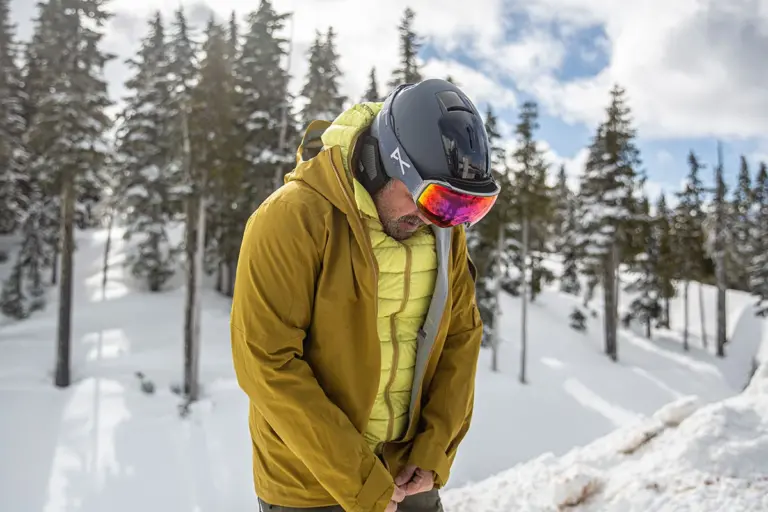

Imagine this scene. You wear your warmest jacket for a cold weather hike. You start walking and begin to sweat. Suddenly you feel cold right through your clothes. That wet, uncomfortable feeling might not be your jacket’s problem. It could be your base layer failing at its job. Many people think base layers are just regular underwear. Actually they are the smartest part of your clothing system. Their main job is not keeping you warm. It is managing wetness by moving sweat away from your skin to keep you dry. Getting this basic piece right can change how you feel outdoors. This is true for skiing, hiking, or just facing a chilly morning walk to work.
Making good base layers takes special fabric knowledge. Companies like Harvest SPF Textile Co, Ltd have learned this well. Their way of creating base layers shows what happens when cloth science meets real outdoor needs. You can see their complete outdoor wear collection on their website. They keep very high quality for their merino wool baselayers. They know this natural fiber needs careful handling to work its best. The company notices small but important details. Things like how seams are made and how clothes fit. This shows they know what really works when you are active outside.
What Exactly Does a Base Layer Do?
First know how a proper base layer works. Then look at materials and weights. Think of your skin as the start of your own weather system. When you move around, you make moisture. A good base layer works like a clever water moving system. It pulls sweat from your skin to where it can dry. This “wicking” process keeps you comfortable. When water stays on your skin, you feel damp and cold as it dries. A quality base layer stops this. It stays fairly dry next to your skin while moving wetness out.
Why Moving Moisture Matters So Much?
This water movement becomes extra important in cool or cold weather. If sweat stays on your skin, your body must use lots of energy to heat and dry it. This can cause fast heat loss. In very bad cases, it might lead to hypothermia. The right base layer helps your body save heat by keeping skin dry. This basic rule works for running in fall weather or skiing in deep winter. The base layer acts as the first part of the three-layer clothing system. It teams up with your middle layer and outer jacket to keep your temperature steady.
Which Base Layer Material Is Right for You?
The material used decides how a base layer will work. Different fabrics give different benefits for various activities and personal tastes.
Merino Wool: Nature’s Smart Fabric
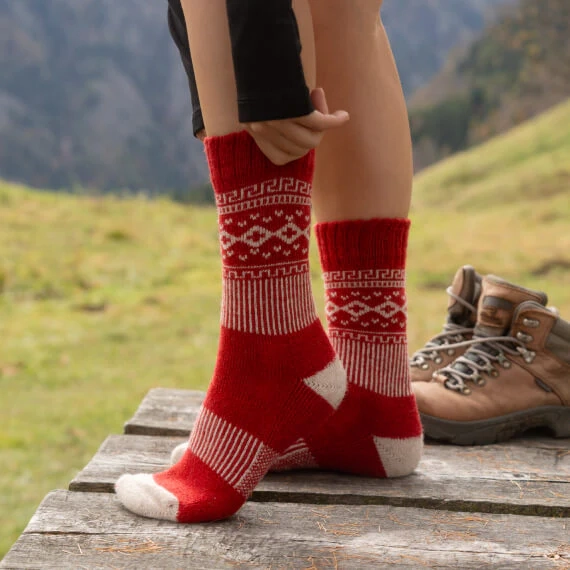
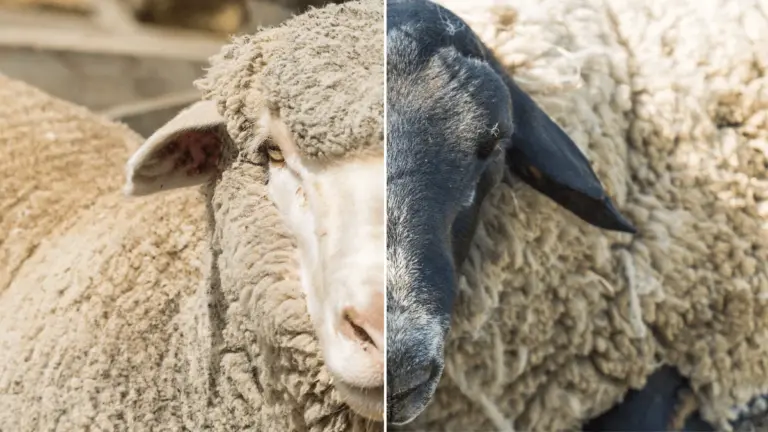
Merino wool has changed base layer technology. It gives natural performance benefits. The fibers have tiny air spaces that hold warmth while letting water vapor out. Unlike regular wool, merino fibers are very fine and smooth. This stops the itchiness many people think comes with wool. Merino wool baselayers fight smells well. The fiber build naturally slows down bacteria growth. This makes them perfect for trips lasting several days where washing may be hard. The natural temperature control works in many different conditions. Often one merino layer works for changing weather through the day.
Synthetic Materials: Built for Action
Synthetic base layers usually use polyester or nylon mixes. These create very good water moving systems. These materials are great at pulling wetness from skin quickly. This makes them especially good for hard activities where you sweat a lot. Synthetic fabrics tend to last longer than natural ones. They often cost less too. The weak point can be holding smells. But many new synthetics add anti germ treatments to help this. Their fast drying feature makes them excellent for activities where you might get fully wet. Like water sports or days with changeable weather.
Why Cotton Is a Poor Choice
Cotton needs special warning as a bad material for outdoor base layers. Cotton fibers soak up water and keep it against your skin. This makes a wet, cold feel that pulls heat from your body. The outdoor saying “cotton kills” talks about this dangerous mix of holding water and losing heat. While cotton feels nice for casual wear, it has no place in technical base layers for any activity where you might sweat and then get cold.
How Do You Choose the Right Weight and Fit?
Picking the correct weight and making sure of proper fit complete the base layer choosing process. These things decide how well the clothing will work for your particular needs.
Knowing Weight Types
Base layers usually come in three weight kinds. Lightweight layers work well for hard activities or as a useful base in mild weather. Midweight choices give the best mix for most outdoor activities. They provide warmth without too much thickness. Heavyweight base layers save for cold weather activities with less movement or still times like waiting while fishing. The weather and how active you will be should guide your weight choice. Many outdoor people begin with a midweight layer as their most useful option.
Getting the Fit Correct
How your base layer fits directly changes how it works. A proper base layer should sit close to your skin without limiting movement. This near contact allows good water transfer from your skin to the fabric. If the fit is too loose, the water moving features cannot work well. When trying base layers, move like you would during your activity. Stretch, bend, and reach to ensure the clothing moves with you comfortably. Pay special attention to seams and stitching. Badly placed seams can cause rubbing during long wear.
Caring for Your Base Layers
Good care makes your base layers last longer and work better. Wash them in cold water with gentle soap. Avoid fabric softeners that can block the water moving fibers. Air drying keeps the stretch best. But low heat machine drying works if you take clothes out while still a bit damp. Store them folded not hung to keep their shape. With proper care, quality base layers should keep working well for years of regular use.
Harvest SPF Textile Co., Ltd. stands out in the performance apparel industry through its dedicated focus on engineering functional fabrics that truly meet the needs of outdoor enthusiasts. What sets them apart is their practical approach to clothing design – they test and refine their garments based on real-world outdoor activities rather than just laboratory results.
FAQ
Q1: Can I wear the same base layer in summer and winter?
A: You might with lightweight merino wool. But mostly you will want different weights. Lightweight works for summer or hard winter activities. Midweight to heavyweight fits colder conditions.
Q2: How often should I wash my base layers?
A: After each use if you have been sweating much. Merino wool needs less washing than synthetics because it naturally fights smells.
Q3: Are expensive base layers worth the cost?
A: Higher cost base layers usually use better materials and making that last longer and work more steadily. For sometimes use, medium price options work fine. But serious outdoor people will like the investment.
Q4: Can I wear base layers as ordinary underwear?
A: Yes definitely. Many people wear them as everyday underwear in cold weather. But the performance benefits show most during physical activity.
Q5: How many base layers do I need?
A: Start with one right for your most common activity. Many outdoor people build a group of 2-3 different weights for various weather and activities.