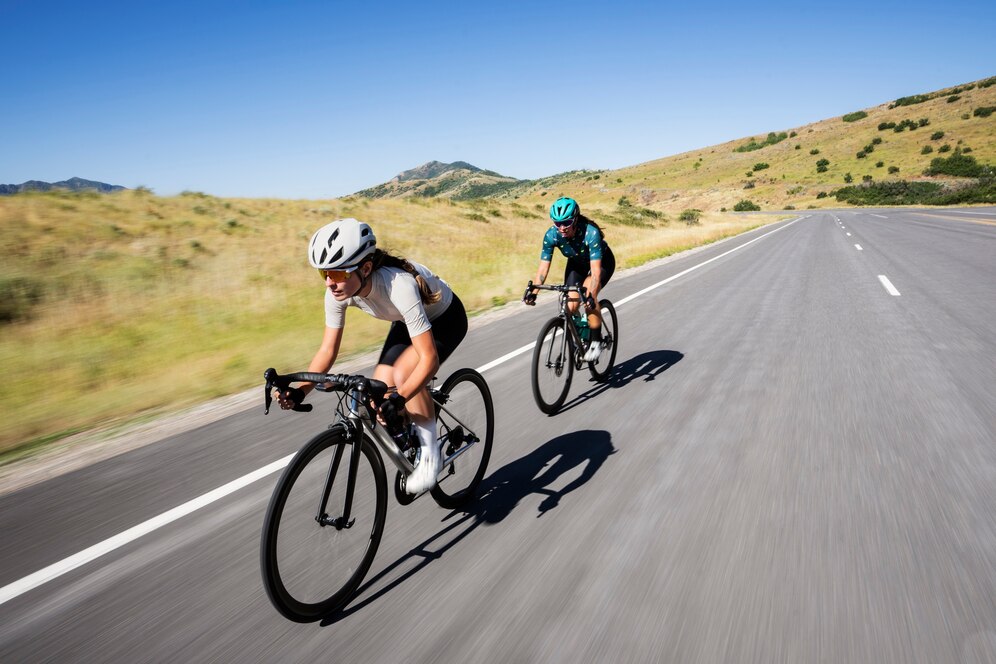
Imagine you’re halfway through a 100-mile bike ride. The wind is pushing against you. You’re going up a long hill that never seems to end. One minute you’re too hot from working hard. The next minute you’re cold from drying sweat. This is when regular bike clothes fail you. But a good cycling jersey shows its true value. It’s not just a shirt with your team colors. It becomes like a second skin. It pulls sweat away from your body. It helps control your temperature. It gives you places to store your food and tools. And it helps you slip through the air more easily. When you’re riding long distances, picking the right cycling jersey matters as much as choosing your food or planning your speed.
At Harvest SPF Textile Co., Ltd., we’ve talked to many distance riders to learn what they need. We’ve taken their real experiences and used them to make better jerseys. The cycling jersey designs we create solve actual problems cyclists face mile after mile. They’re not just shirts – they’re smart systems made from special fabrics and thoughtful designs that make long rides better.
Choosing the Right Fabric for Long Rides
What a cycling jersey is made of matters most. Different materials do different jobs when you’re riding for hours.
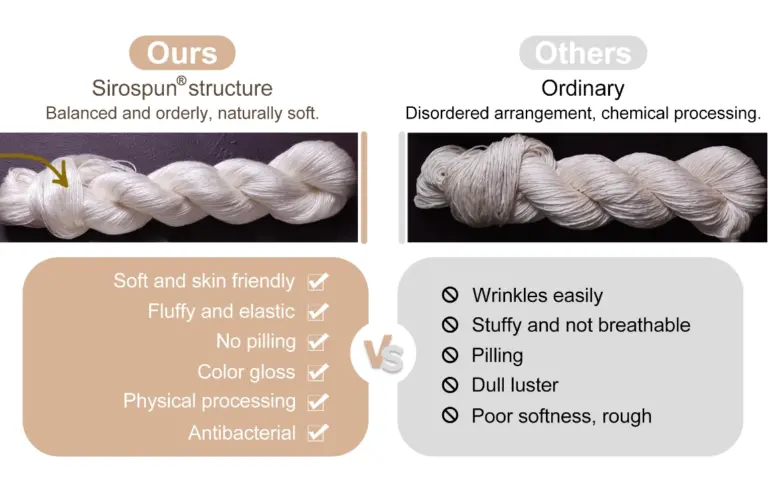
Moving sweat away from your skin is the biggest need. Good jerseys use polyester blends that work like tiny straws. They pull sweat from your skin to the outside of the fabric. There it can dry in the air. This keeps you drier and prevents that sticky feeling. Some jerseys mix in merino wool. This natural fiber fights smells on multi-day trips when you can’t wash your clothes.
Staying at the right temperature is another challenge. Many jerseys now have see-through mesh under the arms and on the back. These areas let air in where you sweat most. The chest and shoulder parts might be slightly thicker to block wind when you’re going downhill. Some new jerseys even use materials that change with your body heat. They open up more when you’re hot from climbing and provide a bit of warmth when you’re cooling down during descents.
Smart Design Features for Distance Riding
Beyond the fabric itself, certain design details separate basic jerseys from those made for long hours on the bike. These features solve problems that only show up after you’ve been riding for several hours.
Take the collar, for example. A bad collar can rub your neck raw after just a few hours. But a smooth collar with no tags and soft edges? You’ll forget it’s even there all day long. The sleeve ends need just the right fit too. Too tight and they cut off your blood flow. Too loose and they flap in the wind, slowing you down and irritating your arms.
The zipper down the front might seem simple, but it’s a game-changer on long rides. It lets you cool off quickly without stopping your bike. This is super helpful when you’re climbing hills and the temperature keeps changing. Good zippers have larger pulls that you can use even with gloves on. There’s usually a fabric strip behind the zipper too, to stop cold air from blowing directly on your chest.
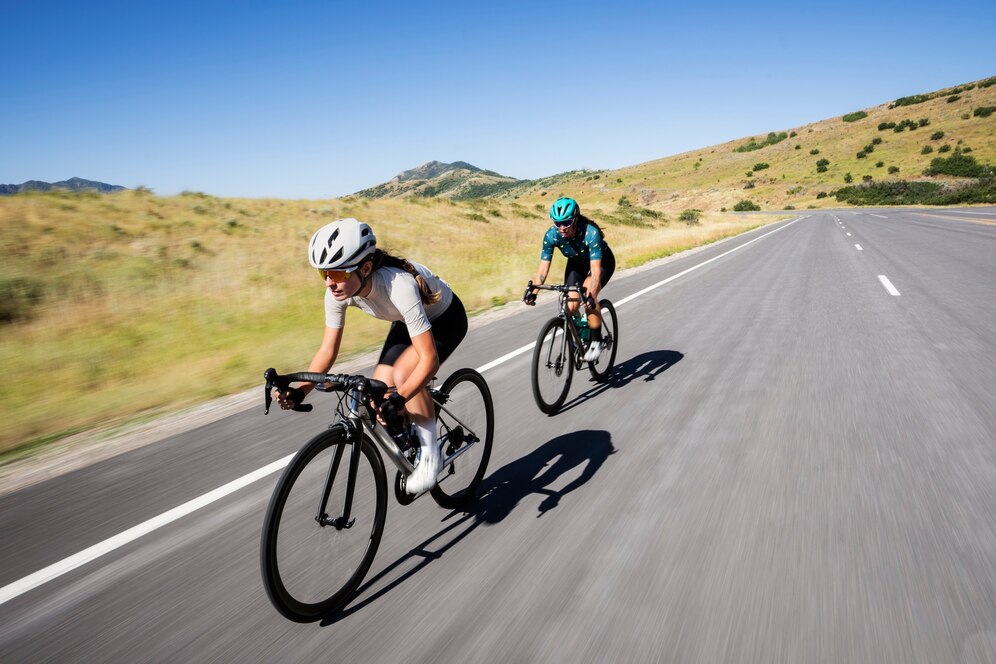
Carrying Your Gear on Long Rides
When you’re riding all day, you need to bring more stuff. How a jersey carries these extra items without bouncing around or making you uncomfortable is what separates okay jerseys from great ones.
The classic three back pockets have gotten smarter for distance riders. Today’s better jerseys often include:
- Stronger pocket bottoms that don’t stretch out with heavy items
- Slightly uneven pocket layouts that balance weight better
- Water-blocking pocket liners that keep your phone dry in rain
- Zipped pockets for your most important items like keys and money
Some companies are adding extra pockets in new places. You might find one on the sleeve for easy access to food, or a larger one lower down for a rain jacket. The best jerseys test these pockets with real cycling gear – tools, food, phones, and extra clothes – to make sure they work in real life, not just in theory.
Handling Changing Weather
Long rides often mean facing weather you didn’t expect. A good cycling jersey includes design touches that help when the forecast gets it wrong.
Little silicone strips at the waist and sleeve ends become really important when you need to add layers. These grippers stop the jersey from riding up when you put a jacket or vest over it. The jersey’s cut should also allow for both a thin base layer and a light jacket without feeling too tight.
Reflective details matter too for riders who start before sunrise or finish after dark. Thin reflective strips on pockets and sleeves make you more visible to cars without making you hotter during the day. Some companies now use special reflective material that looks normal in daylight but really stands out when car headlights hit it at night.
Finding the Right Fit for All-Day Comfort
There’s a big difference between a jersey that feels good in the store and one that still feels good after eight hours of riding. This usually comes down to getting the pattern and size just right.
Performance fit jerseys walk a fine line between being tight enough to be fast but loose enough to breathe. They’re narrower through the body to reduce fabric flapping, but stretchy enough to work with your bent-over riding position. The best way to check the fit is to bend over like you’re riding when you try it on. What feels a bit tight when standing often feels just right when you’re in riding position.
Length is another important detail. The jersey should stay tucked in when you’re riding hard but not be so long that it bunches up when you sit more upright. Many distance jerseys are longer in back to give more coverage when you’re bent over, with the sides cut higher so they don’t get in the way when you pedal.
About Harvest SPF Textile Co., Ltd.
While we focus on making better cycling clothes, it’s interesting how fabric knowledge works across different areas. The same ideas about moving moisture, making clothes last, and designing for how bodies move that we use for cycling jerseys can apply to other types of performance clothing too. The company’s research into advanced fabrics shows how learning in one area can help make all kinds of products better, all based on textile science and real-world testing.
Conclusion
Picking a cycling jersey for long rides is about more than just how it looks. The best jersey works like a complete system that manages sweat, gives you smart storage, adjusts to weather changes, and stays comfortable through hours of riding. When you understand how fabrics, design features, and the right fit all work together, you can choose a jersey that actually makes your long rides better. The right jersey becomes more than clothing – it’s reliable gear that supports you when the miles add up and conditions get tough.
FAQs
Q1: How should a cycling jersey fit for long rides?
A: It should feel snug but not tight, with enough stretch to move with your riding position. The fabric shouldn’t bunch up or create pressure points, and the sleeves should sit comfortably on your upper arm without digging in.
Q2: Why is a full-length zipper useful on a cycling jersey?
A: It lets you control your temperature without stopping. You can open it to cool down on climbs or close it to warm up on descents. This becomes really helpful on long rides when temperatures change throughout the day.
Q3: Are more pockets always better on a cycling jersey?
A: Not necessarily. What matters more is where the pockets are placed and how well they hold your gear without bouncing. Well-designed pockets should be easy to reach while riding and keep your items secure.
Q4: How do I choose between light and medium-weight jerseys for long rides?
A: Think about the weather you usually ride in. Light jerseys with mesh work well for hot conditions. Medium-weight jerseys offer more flexibility if temperatures might drop or weather might change during your ride.
Q5: Why do some jerseys use different fabrics in different areas?
A: They put more breathable fabric where you sweat most, slightly warmer fabric across the chest for wind protection, and stronger fabric in the pockets. This approach makes the whole jersey work better for actual riding conditions.