
Ever feel your hands ache after a long day? Maybe from typing all day, gardening, or fixing things at home. Knuckles might feel stiff in the morning. Some notice a slight shake after repeating the same motion. For others, arthritis pain lingers. These aren’t small bothers—they can really mess with daily life.
Many grab pain pills or think about pricey treatments. But there’s another option getting noticed. Compression gloves are becoming a big deal, and for good reasons. They’re not just tight gloves. They’re built on ideas doctors and therapists have used forever. Do they really help? And what can they fix? Let’s dive into what compression gloves can do. Folks who use them share mixed stories. Some love them. Others see small perks. It depends on the problem and goals.
What Compression Therapy Actually Does
Think back to childhood. Fall and scrape a knee? A parent might press it to stop bleeding. Or a sprained ankle gets wrapped tight. That’s compression at its simplest. It’s an old trick, now used for hands.
The science is neat. Blood vessels need to push blood back to the heart, especially from hands and feet. Sometimes, health issues or tiredness slow this down. Compression gloves step in to help.
Here’s what happens when wearing compression gloves:
- Better blood flow: Gentle squeezing helps blood vessels work better. It’s like a small push. This cuts down on puffy, swollen hands after a long day.
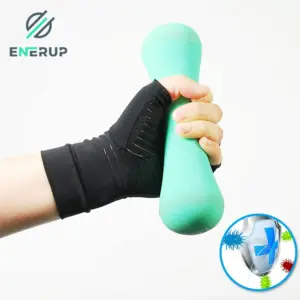
- Joint support: The gloves give light help to finger joints and wrists. They don’t lock you in place—you can still type or write. But they ease joint strain.
- Warmth: The fabric keeps hands cozy. Warmth itself can soothe stiff joints and muscles.
Who Actually Benefits from Compression Gloves?
Compression gloves help some folks more than others. They’re not a magic fix, but they can ease specific issues.
For arthritis, many users feel big relief. One person said they changed her life—she can open jars in the morning without sharp knuckle pain. The gloves reduce swelling that causes discomfort. The warmth helps loosen stiff joints.
People with repetitive strain injuries also like them. Typing all day can leave hands tired and achy by afternoon. Compression gloves add support to get through work more comfortably. Programmers using them for long coding sessions notice a difference.
Then there’s general hand tiredness. Musicians, crafters, or anyone using hands a lot for work can benefit. The gloves aid recovery and stop that worn-out feeling after hours of detailed tasks.
Here’s a quick look at issues and how compression gloves might help:
| What You Feel | How Gloves Might Help |
| Swollen fingers | Gentle pressure moves fluid from tissues |
| Morning stiffness | Warmth and support boost flexibility |
| General achiness | Better blood flow helps muscles recover |
| Tingling or numbness | May ease pressure on nerves |
Picking the Right Pair – It’s Trickier Than You Think
Choosing compression gloves needs care. Grabbing the first pair online can backfire. A bad fit—too tight in spots or too loose—won’t help.
Sizing is key. Most brands give size charts. Use them! Measure hands carefully. A wrong fit can cut blood flow, which is the opposite of the goal.
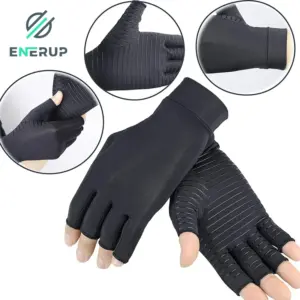
Material counts too. Look for blends with spandex or lycra for stretch, plus nylon for toughness. Some add copper or silver fibers, claiming extra perks. Proof for these is shaky, so don’t pay more unless sure they fit your needs.
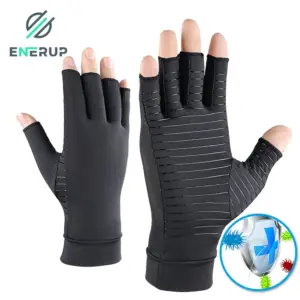
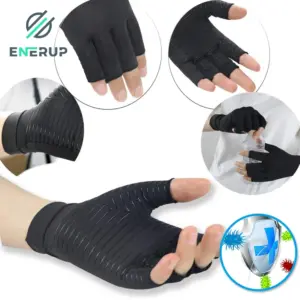
Open fingertips are great for most. They let you use phones, type, or handle small items without taking gloves off. This makes them handy for daily use. Pick these unless there’s a reason not to.
Making Them Part of Your Routine
Compression gloves aren’t instant fixes. They need steady use to show results. Expecting quick miracles leads to letdowns.
Start slow. Wear them an hour or two in the evening, maybe while watching TV or reading. Check how hands feel. Some wear them overnight to ease morning stiffness. Others find that uncomfy for sleep. Test what works best.
Pay attention to hands. If there’s numbness, more pain, or color changes, take the gloves off right away. They should help, not cause new issues.
Compression gloves are just one tool. They work best with other habits, like taking breaks, doing hand stretches, or setting up a comfy workspace. Don’t expect them to fix everything if hands are still overworked all day.
About Harvest SPF Textile Co., Ltd
Harvest SPF Textile Co, Ltd stands out in the glove world. They’ve been making textiles for years and know how to create practical wear. Their compression gloves focus on getting the squeeze just right, using airy fabrics, and staying comfy for long wear. They don’t make wild health claims. Instead, they offer solid tools for hand comfort, which feels honest in a market full of big promises.
Wrapping Up
Compression gloves can be a great addition for hand discomfort. They’re not a cure-all, but they ease many common issues. Success comes from realistic hopes, picking the right pair, and using them regularly with other hand-care habits. Whether it’s arthritis, repetitive strain, or plain hand tiredness, compression gloves are worth a try. Give them time and watch how hands respond.
FAQs
Q1: How long should compression gloves be worn to feel results?
A: It varies by person and issue. Some feel better right away. Others need a week or two of steady use. Try a couple hours daily and adjust based on hand feel.
Q2: Can compression gloves be washed?
A: Yes, and they should be cleaned often. Hand wash in cool water with mild soap. Skip bleach or fabric softener. Air dry to protect the stretchy fibers that give compression.
Q3: Are there times not to wear compression gloves?
A: If there are blood flow issues or diabetes, check with a doctor first. If swelling grows or hands change color, take them off and talk to a health pro.
Q4: Why do some compression gloves have open fingertips?
A: This lets you do tasks like typing or using a phone. It mixes compression perks with everyday ease.
Q5: Can compression gloves be worn while sleeping?
A: Many do, especially for morning stiffness. Ensure they’re not too tight—fingers should move easy. If numbness or pain wakes you, try shorter wear times during the day.