What is a cooling fabric?
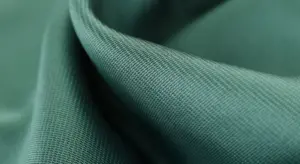
Cooling fabrics are materials made to keep you cool in warm weather. They prevent overheating. These fabrics work by improving heat release and moisture evaporation. They can be crafted from natural threads, man-made fibers, or advanced added tech. Their special design and traits make them perfect for clothes, bedding, and other textile uses. These aim to boost comfort in hot settings.
How are cooling fabrics different from other textiles?
Breathability – cooling textiles are more breathable and offer superior ventilation. Lightweight design – cooling textiles tend not to absorb moisture, so remain lightweight even during intense activity. Moisture-wicking properties – cooling fabrics wick moisture away from the skin, allowing for easier evaporation.
Comparison of Major Categories of Cooling Fabric
Cooling fabrics in the apparel industry maintain a person comfortable irrespective of climatic conditions and body movements. Five prominent fabrics—silk, polyester, hemp, bamboo, and lyocell—are assessed in this analysis in relation to their cooling abilities for selecting suitable fabrics based on need. The fabrics are categorized into natural cooling fabrics (silk, hemp, bamboo), synthetic cooling fabrics (polyester), and high-tech cooling fabrics (lyocell) based on the material source and technological effect.
Natural Cooling Fabrics: Silk, Hemp, and Bamboo
Natural cooling fabrics are derived from plants or animals that are valued for their natural breathability and temperature control features. Natural cooling fabrics such as silk, hemp, and bamboo are among the many with their respective advantages for warm climates.
Silk Fabric
Silk is a natural protein filament fibre extracted from silkworms and has thus been also known as “queen of fabrics” because of its silkiness. Silk is very breathable, i.e., it allows air to pass through it in order to cool down the body, and offers good wicking property, evaporation of body sweat. Silkiness is that much pleasant with its smoothness and can be used in summer wear apparel and bedding.
Hemp Fabric
Hemp is a plant Cannabis sativa’s bast fiber that has high tensile strength and breathability. Hemp can efficiently water-wick, desorb and sorb fast water, helping in hot and humid conditions. Hemp fabrics are also eco-friendly, requiring less water and pesticides than cotton, and being resistant to the sun, with which they are suitable for outdoor activities.
Bamboo Fabric
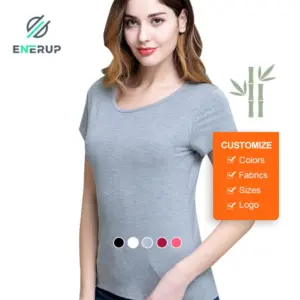
Bamboo clothing is made out of bamboo plant pulp, which is a high-growth, renewable crop. Bamboo cloth is highly ventilable due to micro-gaps that maximize air circulation and is very effective in wicking away moisture, keeping one’s skin cool and dry. Bamboo is soft, smooth, and antibacterial in nature, reducing odors, and hence is most in need for sportswear as well as loungewear.
Synthetic Cooling Fabrics: Polyester
Synthetic cooling fabrics are not natural materials, created specifically for performance, in water management and speed drying, for dynamic wearers.
Polyester Fabric
Polyester is synthetic polymer fibre designed to be used widely throughout sportswear and outerwear. It is produced to be better at moisture-wicking, drawing sweat onto the fabric surface to evaporate, and drying very rapidly, ideal for high-speed sports. Less breathable than nature fibers, however, which mounts up in heat buildup, and can feel clammy in very hot conditions. Performance is consistent based on evidence with polyester under tension, best choice among athletes
Advanced Cooling Fabrics: Lyocell
New technologies in advanced cooling fabrics provide extra cooling features beyond traditional fibers, and lyocell is a great case because it’s half-synthetic and eco-friendly.
Lyocell Fabric
Lyocell is made from wood pulp, eucalyptus mainly but also bamboo, from a closed-loop green manufacturing process that recycles solvents 200 times. It is a quick-drying, lightweight, and great moisture-wicking fiber with fine quick-drying properties and a refreshing feel. Lyocell is gentle and strong enough for sportswear, bedding, workwear, and everyday apparel. The facts are on lyocell’s side to deliver high-performance cooling with sustainability, in many applications
The benefits of cooling fabrics for users
Cooling fabrics provide many perks. These improve user experience:
- Temperature control: They enhance heat release. These materials keep body temperature lower in warm settings.
- Less sweating: Better moisture-pulling traits reduce heavy perspiration.
- Better sports performance: Cooler body temperature boosts physical output. It prevents overheating.
- Improved sleep: In bedding, they create a cozy sleep space. They reduce heat buildup.
- Greater comfort: Everyday clothes with cooling fabrics keep wearers fresh. They stay comfy all day.
How do cooling fabrics work?
Cooling materials manage temperature in several ways:
- Moisture pulling: Fibers move sweat from skin to the fabric’s outer layer. It evaporates quickly. This uses body heat energy for evaporation.
- Air flow: Materials like linen allow air to move around skin. This speeds up evaporation. It helps release heat.
- Heat-reactive additives: Advanced tech uses polymers. These activate with moisture or heat. They lower fabric temperatures instantly.
- Light design: Cooling materials avoid holding water weight during activity. This keeps users comfy without feeling heavy.
By blending these features well, cooling fabrics mark a big step in textile tech. They meet modern needs for comfort and function across many uses.
Use Cases and Applications
Cooling fabrics are versatile. They suit many textile-based uses:
Activewear
Sports clothing with cooling fabrics controls body temperature. It reduces sweating. It boosts performance. For athletes in intense activities like cycling or running, keeping a steady body temperature is key. Cooling fabrics enable users to stay comfy and dry during workouts.
Bedding and mattresses
Cooling fabric tech is used in sheets, pillowcases, and mattress covers. It improves sleep quality. These textiles prevent heat buildup. They pull moisture from the body. This ensures a restful sleep. It works even in warmer climates.
Workwear
Cooling fabrics are great for uniforms and work attire in hot settings. Workers in tough jobs or high-heat areas gain comfort. They sweat less. This advanced cooling tech supports them.
Casual wear and summer outfits
Manufacturers apply cooling solutions to everyday clothes for warm weather. This includes light t-shirts or summer dresses. Cooling tech raises comfort levels during daily activities in the sun.
Stay Cool with Harvest SPF Textile Co., Ltd cool fabric wear customization
Harvest SPF Textile Co., Ltd leads in functional textile innovation. Founded in 1993 with the idea “Dress for Health, Dress for Energy,” Harvest SPF Textile Co., Ltd focuses on research and full production of healthy materials. The company offers custom solutions for cooling fabric uses across industries.
Their skills cover tailoring sportswear with advanced cooling tech. With over 30 patents and years of experience, Harvest SPF Textile Co., Ltd provides full services. These range from material choice to large-scale production. They ensure high-quality results for specific needs. Their products serve big retailers, online sellers, direct-to-consumer brands, and more.
Harvest SPF Textile Co., Ltd’s customization includes seamless knitting with Santoni machines for exact designs. They offer expert advice on material choice based on market needs. They prioritize green practices. They use eco-friendly materials like bamboo viscose and organic cotton blends. Clients gain from innovative solutions. These blend function with environmental care.
FAQ
What is the most cooling fabric?
The coolest fabrics are usually natural, airy, and light. Cotton, linen, and rayon are great choices for hot weather. Other options like hemp, bamboo, and some wool types also work well.
Is viscose a cool fabric for summer?
Yes, viscose is a cool and comfy fabric for summer. It’s light, airy, and pulls moisture. This makes it a good pick for warm weather.
Is polyester a cool fabric?
Polyester blends are common in synthetic cooling fabrics. They are designed to pull moisture and dry fast. Regular polyester may trap heat due to its tight weave. But modern versions for sportswear improve air flow and heat release.
Is rayon a cool fabric?
Yes, rayon is a cool fabric for warm weather. It’s airy and feels like natural fibers like silk or cotton. This makes it comfy in hot settings. It’s not as moisture-pulling as some fabrics. But its light and breezy feel makes it popular for summer clothes.
Is microfiber as cool as cotton fabric?
No, microfiber isn’t as cool as cotton fabric. Its tightly woven man-made fibers trap heat. This makes it warmer, especially for hot sleepers. Cotton’s natural fibers and airiness allow better air flow. They regulate temperature to keep you cooler.