
A New Direction for the Team: The Real Story Behind Eco-Friendly Jerseys
During a recent break on the sidelines, a conversation between two young players on the adjacent field caught everyone’s attention. “Should we go for eco-friendly jerseys this season? I’ve noticed several teams in our city’s amateur league are already wearing them,” one remarked. The other responded thoughtfully, “Sustainability sounds good, but will they really hold up during play?”
That exchange mirrored a discussion that had taken place in another team’s locker room three years earlier. When eco-friendly jerseys were first proposed back then, one veteran player voiced strong opposition: “We’re here to play football, not put on an environmental showcase.” The team captain, however, remained open-minded. “Why not give them a try?” he suggested.
That trial period ended up lasting three years.
Understanding Eco-Friendly Jerseys
Initially, many viewed “eco-friendly” as little more than a marketing buzzword. That perception began to shift after a visit to an organic cotton farm in Shandong. There, rows of cotton grew alongside soybean plants, and the farm owner explained, “This land hasn’t been treated with pesticides in six years. Look at this soil—crumbly, moist, and full of earthworms.” He scooped up a handful of rich, fragrant soil to demonstrate.
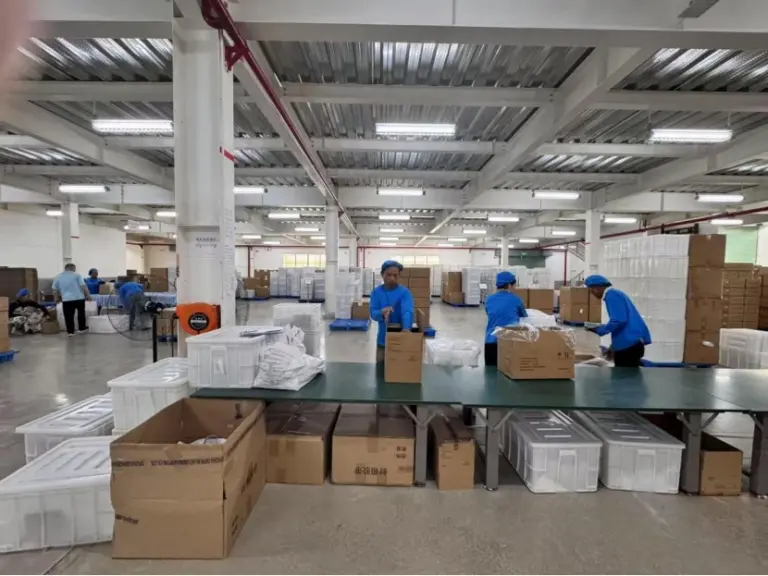
Even more impressive was the recycled fiber workshop. Discarded plastic bottles, once destined for landfills, were being sorted, cleaned, crushed, and melted into snow-white recycled fibers. The workshop manager shared, “It takes just eight bottles to make one jersey. Our facility processes over 300 million bottles each year.”
Performance Beyond Expectations
The first training session in the new jerseys was met with keen observation. By halftime, even the initially skeptical veteran player admitted, “Hey, these actually feel different.”
Players noticed the fabric didn’t cling to their skin when sweaty, and airflow kept them noticeably cooler during runs. During sharp cuts and quick directional changes, areas like the underarms and back—usually the first to feel damp and heavy—stayed remarkably dry.
Durability proved to be another advantage. With twice-weekly training sessions and regular matches, the jerseys endured constant wear and machine washing. After three years, while conventional jerseys showed stretched collars and thinning elbows, the eco-friendly versions retained their shape and structure, fading only slightly in color.
The Practical Side of Sustainability
Cost concerns often arise when discussing eco-friendly options. A detailed cost analysis helped put things in perspective:
A conventional jersey priced at ¥80 typically lasts two years, while an eco-friendly version costing ¥120 can last four years or more. This translates to savings of ¥10 per jersey annually.
Additionally, market options have expanded significantly. Brands like Harvest SPF Textile now offer entry-level eco-friendly jerseys starting at ¥90—comparable in price to conventional alternatives.
Subtle Shifts in Team Culture
The switch to eco-friendly uniforms sparked quiet but meaningful changes within the team dynamics.
Younger players expressed a renewed sense of pride. “Wearing these jerseys makes me feel proud,” one shared. Another noted, “After training, everyone instinctively gathers and recycles our water bottles.” These small actions, once requiring constant reminders, became second nature.
The most unexpected transformation came from the veteran player who had initially opposed the change. He became an unlikely advocate, enthusiastically telling friends from other teams, “You should really consider switching—these jerseys are genuinely comfortable.”
Selecting the Right Gear
For teams considering a similar transition, several practical tips emerged from the experience:
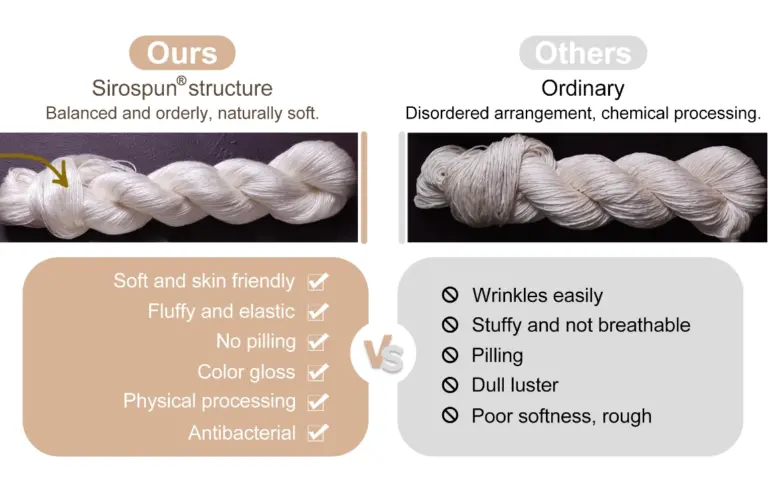
First, learn to read labels carefully. Look for organic cotton content of at least 50% and recycled materials with GRS certification—reliable indicators of genuine sustainability.
Second, inquire about printing methods. Water-based inks, though slightly more expensive, offer significantly better breathability compared to plastic-based transfers—a lesson learned after dealing with sticky, non-breathable prints on early orders.
Most importantly, prioritize trial wear. Have players in different positions test the jerseys—forwards focus on breathability, defenders on durability, and goalkeepers on freedom of movement.
Reflections on the Journey
Now, during training sessions, the rows of faded but well-preserved eco-friendly jerseys stand as quiet witnesses to the team’s evolution.
They’ve seen the shift from initial skepticism about sustainability to team-wide adoption of eco-conscious habits. More than just uniform changes, they reflect a deeper understanding of sustainable development.
One moment perfectly captured this transformation: after a match, a young fan approached and asked, “Are your jerseys really made from bottles?” Upon hearing the confirmation, his eyes lit up, and he exclaimed, “I want one too!”
In that instant, it became clear that the choice of jersey had become more than a practical decision—it was a statement, a value worth passing on.
Looking Forward
In the end, eco-friendly jerseys aren’t some distant, abstract ideal. They’re a practical, accessible choice for everyday teams. This option preserves the joy of the game without straining budgets, reduces environmental impact, and sets a positive example for the next generation.
When your team meets to discuss new kits, consider placing eco-friendly options on the table. They might just bring unexpected positive changes to your team, much like they did for this one.
In fact, just last week, that once-skeptical veteran player proposed, “Next season, why don’t we switch to eco-friendly socks too?”
True change, it turns out, often starts in small, unexpected ways.
What You Might Want to Know About Eco-Friendly Jerseys:
Q: Do they require special care during washing?
A: Not at all. They’re machine-washable and have shown excellent durability over three years of regular use.
Q: Is there much variety in style?
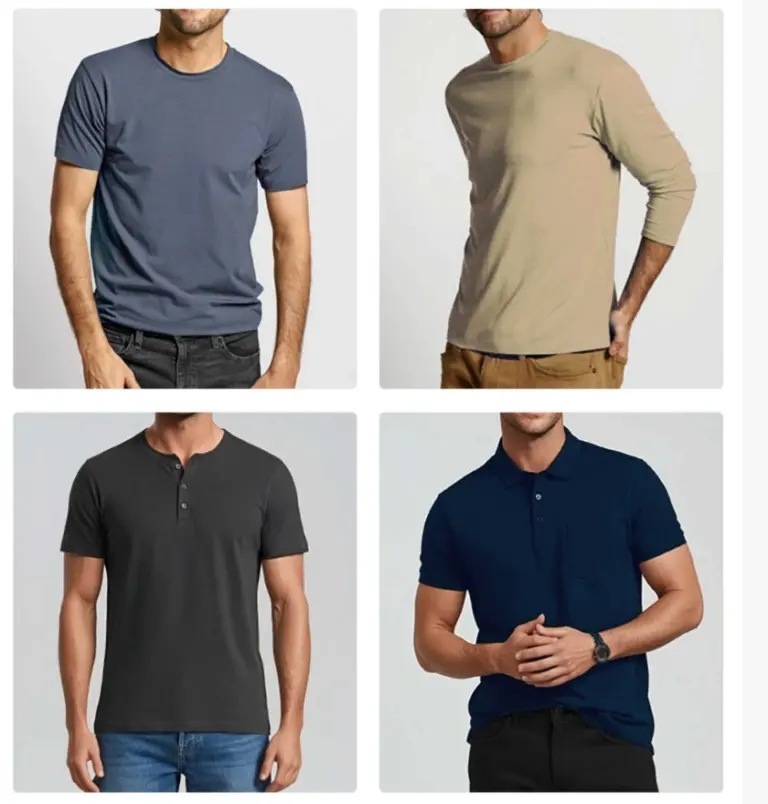
A: Absolutely. There are over a dozen basic designs available now, plus custom options. One team is even planning to print hometown landmarks on their jerseys.
Q: Do they resist odor after sweating?
A: Many players have noticed a significant reduction in locker room odor, thanks to the natural antibacterial properties of fabrics like hemp.
Q: How can you verify their eco-credentials?
A: Look for certifications like GOTS for organic cotton and GRS for recycled materials—these are reliable standards.
Q: What’s the price range?
A: There’s something for every budget, from basic jerseys under ¥100 to premium options around ¥200–300. Many recommend ordering samples first before committing to a full set.