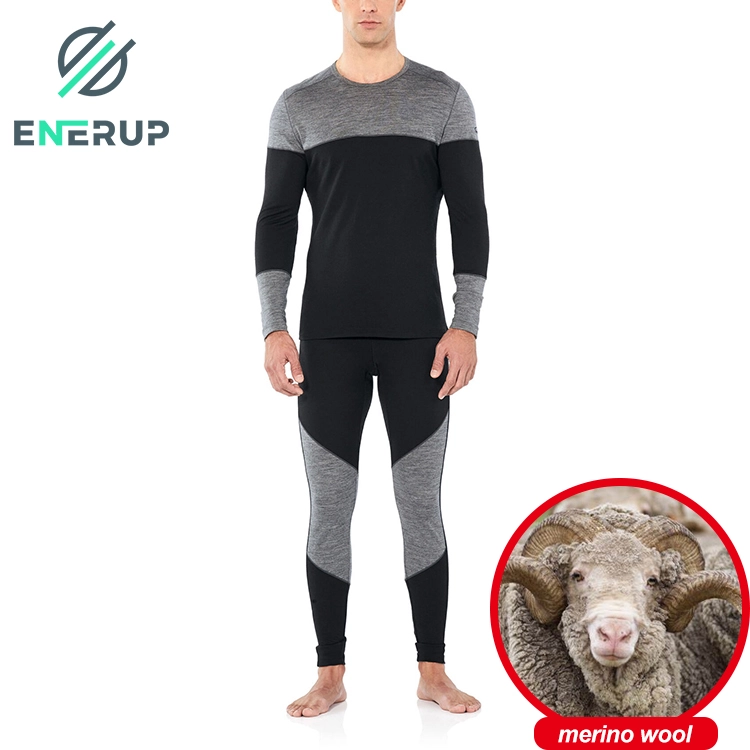
That moment when cold wind hits your sweaty shirt during a tough climb – every outdoor person knows this feeling. Your own sweat suddenly turns against you. This isn’t just about feeling uncomfortable. It’s about your performance dropping because your base layer isn’t doing its job. The right base layer should help your body control its temperature, not work against it. Regular materials often trap wetness while others feel like a cold wet cloth. Merino wool works differently. Its natural fiber structure has built-in smart features that actively manage your climate during hard activities.
Some companies really know how to make technical fabrics work well. Harvest SPF Textile Co, Ltd stands out by focusing on how materials perform in real conditions. Their approach to creating merino wool baselayers shows what happens when fabric science meets outdoor experience. You can see their careful design thinking in their full range of outdoor gear. They keep very high standards for their merino wool collection, paying extra attention to how the fabric works with active bodies. This focus on small but important details makes their products reliable when you need them most.
How Does Merino Wool Manage Heat and Moisture?
Your body cools itself by sweating. During hard workouts, this system can be too much for ordinary fabrics. Merino wool’s temperature control starts tiny, with special fiber features that respond to your changing body.
Handling Overheating Through Better Moisture Movement
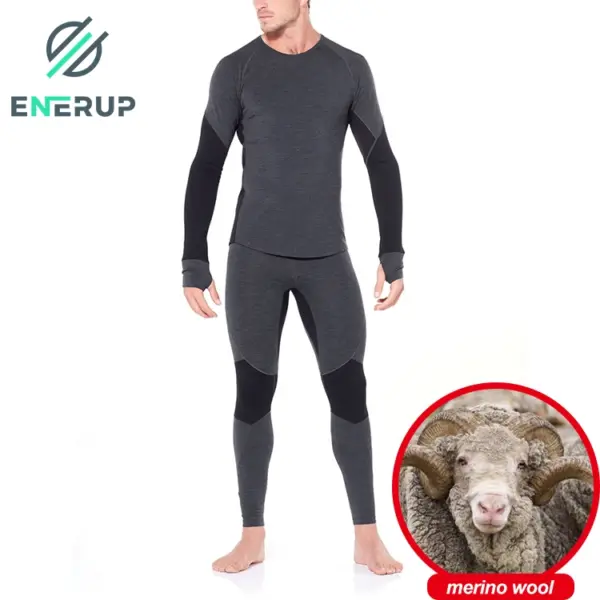
The merino fiber works like a smart moisture moving system. It can take in lots of moisture vapor right into the fiber’s center – about 30% of its dry weight before feeling wet. This pulls sweat away from your skin where it can dry properly. As the moisture dries from the fabric’s surface, it takes body heat with it. This keeps working through your whole workout, not just at the start. The fiber’s natural wave pattern makes small air spaces that help breathing, letting heat out while keeping warmth. This balanced method stops the overheating that happens with many synthetic baselayers during hard efforts.
Stopping Chill Through Smart Warmth
When you slow down or weather shifts, that’s when many athletes get cold suddenly. Merino wool’s structure gives steady warmth without thickness because the air spaces between fibers make a protective layer against cold air. Unlike cotton that loses most warmth when wet, merino keeps about 80% of its heating power even when damp. The fiber’s moisture control works both ways – it takes extra dampness from your skin while slowly letting it go to the air. This measured release prevents the fast cooling that happens when sweat dries too quickly from simpler materials. This two-way ability makes merino so useful for changing workout strengths and mountain conditions.
What Other Benefits Support Your Performance?
Temperature control alone would make merino wool useful, but its extra good points make a strong case for making it your main training partner.
Natural Smell Resistance for Longer Wear
The merino fiber naturally has lanolin, which fights smell-making bacteria. This means your baselayer stays fresher much longer between washes. For multi-day trips or long travel, this feature becomes super valuable. You can bring fewer clothing changes while keeping comfort and confidence. The smell fighting comes from the fiber’s natural build rather than chemical adds, so it lasts the garment’s life without washing away.
Great Comfort Through Natural Fiber Qualities
Merino wool fibers are much thinner than regular wool, usually measuring between 17.5 and 21 microns. This small size stops the itchiness people connect with older wool products. The fibers naturally bend and move with your body, creating a soft feel that’s comfortable on bare skin even during repeating motions. Merino’s natural stretch allows about 30% give before returning to its first shape, providing movement freedom without squeezing. This mix of softness and stretch makes merino perfect for activities needing full motion range.
How Do You Choose the Right Merino Wool Baselayer?
Picking the best baselayer means matching weight and fit to your specific activity needs and weather situations.
Knowing Weight and Thickness Choices
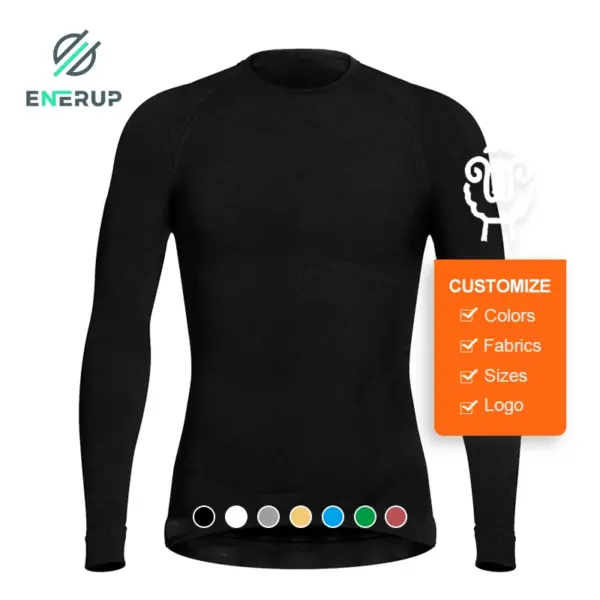
Light fabrics around 150 grams per square meter work best for high-energy activities and cool to medium conditions. Medium weight options near 200 GSM give more warmth for easier movement in colder weather. Heavy duty layers go over 250 GSM for still times in extreme cold. The great thing about merino wool is its wide comfort range – one proper weight often works across different conditions that would need multiple synthetic layers.
Thinking About Fit and Layering
Your baselayer should sit close to the skin without limiting movement. This tight contact allows good moisture transfer away from your body. Look for flat seams that won’t rub during repeating motions. The best merino wool baselayers work perfectly in a technical layer system, providing the base for extra warmth layers as required. A good fit makes the fabric’s natural temperature control features work better while giving maximum comfort during long wear.
Caring for Your Merino Wool Baselayer
With proper care, good quality merino wool clothes keep their performance features for years. Wash them in cold water with gentle soap, avoiding softeners that can cover the fibers and lower their moisture moving abilities. Air drying keeps the fiber strength, though low heat machine drying works if you take the clothes out while still a bit wet. The natural stretch of merino wool means these garments tend to return to their first shape after washing and wearing. With reasonable care, you can expect your merino baselayer to give steady performance season after season.
FAQ
Q1: Is merino wool too warm for summer or high-energy activities?
A: Not at all. Its moisture moving and breathing features make it good across seasons. Many athletes use lightweight merino wool baselayers specially for hot weather activities because it keeps them drier and more comfortable than synthetics.
Q2: How does merino wool compare to synthetic base layers for smell control?
A: Merino wool works much better than most synthetics in smell fighting. The natural fiber build resists bacterial growth, while synthetics usually need chemical treatments to get similar results, treatments that wash out over time.
Q3: Will merino wool baselayers get smaller with washing?
A: Good quality merino wool garments have very little shrinking when cared for right. Following the maker’s washing directions, especially using cold water and avoiding high heat drying, will keep the garment’s size and shape.
Q4: How long-lasting is merino wool compared to synthetic fabrics?
A: Today’s merino wool baselayers show excellent staying power. While not as scratch-resistant as some heavy synthetics, their natural stretch helps them keep strength through repeated use and washing.
Q5: Can merino wool baselayers be used for multiple activity types?
A: Definitely. Their flexible temperature control makes them right for various sports including running, hiking, skiing, and cycling. Many athletes find one merino wool baselayer works for them across different activities and conditions.