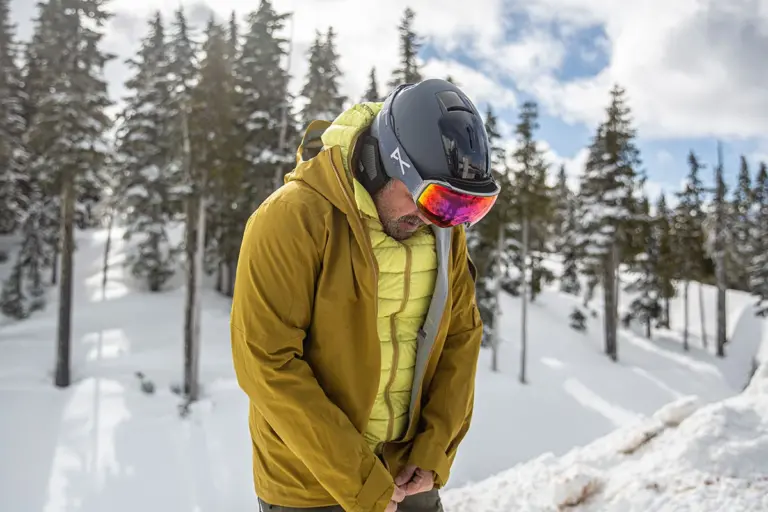
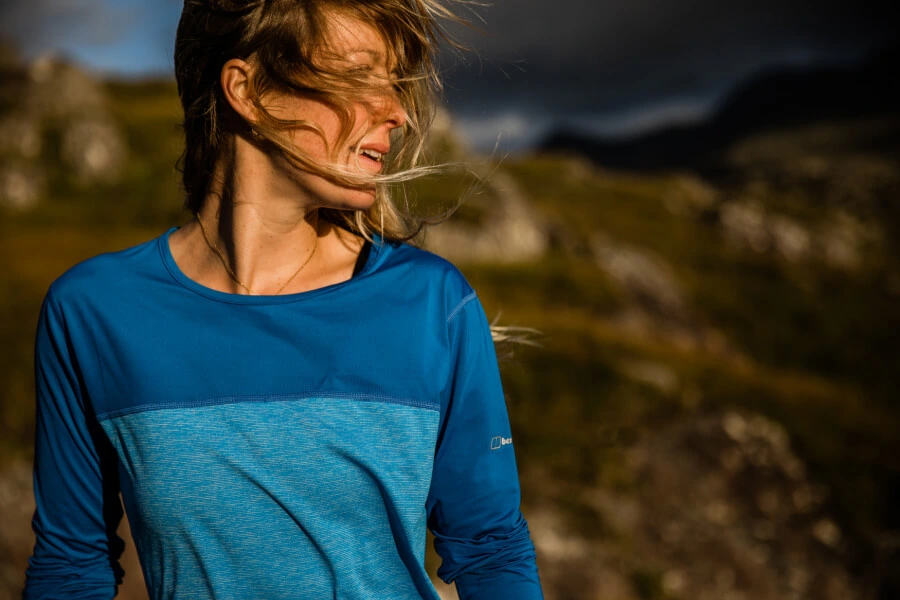
We all know that person. They wear so many layers they can hardly move. Then five minutes into the activity, they are sweating like crazy. Or maybe you have been that person, shivering in thin clothes that seemed warm in the store. Picking the right thermal underwear is not about getting the thickest one. It is about finding the match for what you will do and where you will be. Choose wrong, and you will be either too hot and wet or too cold and miserable. This guide helps you skip the usual errors and pick the perfect thermal underwear for your needs.
Good thermal underwear starts with how it is made. Companies that know fabrics, like Harvest SPF Textile Co., Ltd., bring good skills to this work. Their way of making thermal underwear looks at both warmth and breathing. They want the fabric to help your body, not fight it. How a company makes the clothes really changes how they work when you wear them. You can see their way of making outdoor gear on their website.
What Are the Different Weight Classes for Thermal Underwear?
Most thermal underwear comes in three main types. Each type works for different weather and activities. Knowing these groups helps you choose wisely and stay comfortable.
Lightweight thermal underwear is your friend for moving hard when it is a bit cold. Think about weather between 5°C and 15°C. These feel thin on your skin. They are more about moving sweat than holding heat. They work well under work clothes or when you will move fast and make a lot of body heat. Their best part is how they pull sweat away fast while cutting the chill.
Midweight thermal underwear is the middle ground many people like. It works from -5°C to 10°C. It gives you both warmth and air flow. This is your go-to for winter walks, skiing, or snow play where you move and then rest. The fabric feels thicker than lightweight but still breathes. Many find this weight right for most winter fun.
Heavyweight thermal underwear has one main job: serious cold or just sitting still. When the weather is between -15°C and 0°C and you will not move much, this is your pick. Ice fishing, watching sports outside, or winter camping in deep cold need this kind. The cloth is thick and warm but can feel stiff when you move a lot. Remember, what feels good when standing may feel like an oven once you start working hard.
How Do You Match Weight to Activity Level?
How much you move decides which thermal underwear weight works best. This is where many slip up, thinking colder weather always means heavier clothes.
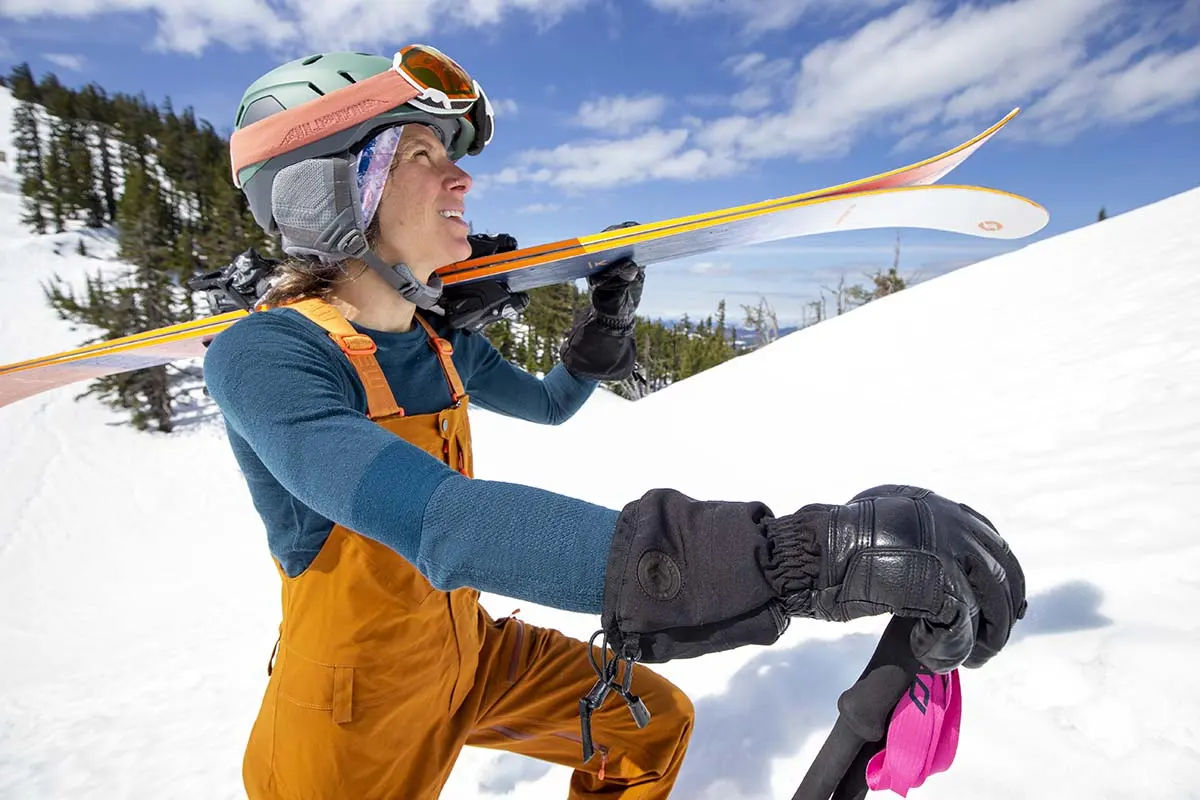
For hard activities like running, ski touring, or climbing hills, lightweight thermal underwear usually wins. Your body makes plenty of heat then. Your big worry is handling sweat, not getting warm. A standard mistake is picking midweight or heavyweight for running in the cold. That pretty much guarantees you will cook in the first mile. You want to feel a bit cool when starting, so your rising body heat brings you to just right as you go.
Medium activities like walking with a bag, resort skiing, or winter pictures work well with midweight thermal underwear. These mix moving times with still times. The balance in midweight stops overheating when active but keeps warmth during breaks. This flexibility makes them a favorite for all-day trips where things change hour by hour.
Easy activities or just sitting need the pure warmth of heavyweight thermal underwear. When you are ice fishing, sitting in a deer stand, or watching a winter game, your body makes little heat. Without good protection, the cold gets in fast. These times call for top-level insulation, making heavyweight the clear choice. The thick cloth holds body heat well, making a warm little climate around your skin even when it is nasty outside.
Where Does Thermal Weight Fit in a Layering System?
Thermal underwear is just one part of your full cold weather outfit. How it works with your other clothes really changes how you feel and how well you do.
Your thermal layer is the base of your clothing system, right on your skin. Its main jobs are moving wetness and keeping a dry, comfy feel next to you. The middle layers add more warmth, while the outside layer blocks wind and wet. When all layers work together, you keep a steady body temperature even when your activity or the weather changes.
A regular error is wearing a heavyweight thermal with a super warm middle layer. This pair often leads to cooking during any movement. Instead, try a lighter thermal with a warmer middle that you can take off or open up if needed. The best systems let you make small changes as you go, stopping big temperature jumps that ruin comfort and safety.
What Materials Work Best for Different Weight Classes?
What your thermal underwear is made of really changes how it works in each weight group. Different stuff brings different pluses to each type.
Lightweight thermal underwear likes materials that are great at moving moisture. Man-made fabrics like polyester often work well here, pulling sweat from your skin quickly. Some mixed fabrics use natural things like merino wool in thin weaves, giving good temperature control without bulk. The focus is on keeping you dry when working hard.
Midweight layers often use mixed materials that bring together the best of several fibers. Merino wool gives great warmth even when damp, while man-made parts make it stronger and faster to dry. These mixes create useful performance as conditions shift. Some makers use special knitting that makes tiny air pockets for extra warmth without adding weight.
Heavyweight thermal underwear puts heat holding above all else. Tight wool builds or thick fleece materials rule this group. The fabric’s fluff makes many small air pockets that trap body heat well. While breathing matters less here, some air flow still counts to stop wetness building up over long wear.
FAQ
Q1: Can I wear heavyweight thermal underwear for all winter activities?
A: No, that is a bad plan. Heavyweight will probably make you overheat during any real exercise. Keep them for sitting or slow times when you make little body heat.
Q2: How should thermal underwear feel on my skin?
A: Thermal underwear needs to be close but not tight. It should move with you without wrinkling or pulling. Too loose, and it won’t move wetness right; too tight, and it might cut blood flow.
Q3: What if my activity falls between two weight types?
A: Pick the lighter one and add a middle layer you can take off. It is simpler to add more than to deal with too much heat from wearing too much.
Q4: Do all companies use the same weights for thermal underwear?
A: Sadly, no. Different makers might see weight groups a bit differently. Always look at the suggested weather range for that exact item.
Q5: How do I wash different weights of thermal underwear?
A: Most need soft washing in cool water and drying in air. Skip fabric softeners because they can block the fabric’s ability to move moisture.