
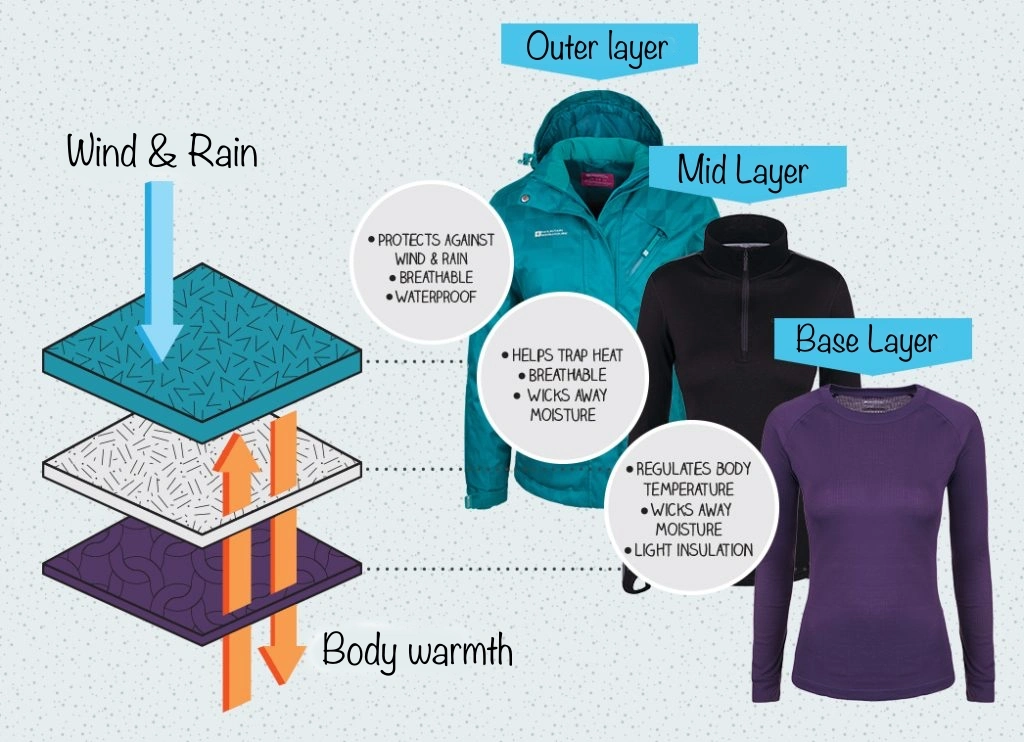
Winter hiking brings special problems because body heat changes often and weather can shift quickly. Wearing too much clothing usually causes heavy sweating on climbs, which then leads to fast cooling during stops or downhill sections. A good layering system fights this by pushing moisture away, allowing air flow, and giving adjustable warmth. The main idea uses several light layers that people can add or take off without trouble, instead of depending on one thick piece.
Useful materials matter a lot: fabrics that let air through help vapor get out, stopping sticky feelings, while warming ones hold heat without extra weight. Suggestions change based on things like outside temperature, wind, rain or snow, effort level, and personal body type. Hard workouts, such as sharp uphill walks, create more heat and might need fewer layers at the start. Easier activities, like snowshoeing on level ground, often require more warmth right away.
Personal body differences play a big role—some people feel cold faster and should bring additional warming items, while others get hot quickly and gain from pieces that vent well. A common plan starts the hike feeling a bit cool, letting body heat grow slowly for best comfort. This method, along with early venting (like opening jacket zippers or taking off hats), helps keep a dry and pleasant space close to the skin.
Everyday Winter Layering: Temperatures from 35°F to 50°F
This milder cold range acts as the starting point for most winter trips, with strong focus on moisture control and flexible warmth.
- Base Layer Top— The starting piece touches the skin and works hard to pull sweat away during hard work. Merino wool gives great temperature control, natural smell resistance, and a high warmth-to-weight ratio. Synthetic choices bring better strength, stretch, and fast drying. New options like alpaca wool mixes offer close benefits with extra softness.
- Warm Midlayer— This serves as the main comfort item for breaks or cooler times, and it includes light fleece hoodies or grid-fleece pullovers. Hooded types add usefulness by covering the head when required, going from very light active pieces to thicker cozy ones.
- Lightweight Insulated Jacket— Easy to pack and squeeze small, this offers wind blocking and quick warmth. Synthetic insulation keeps working even when wet from sweat or light rain, while down choices perform best in dry settings with top loft and efficiency.
- Pants— Leg covering changes by personal choice and effort level:
- True hiking pants provide strength and full protection with scratch resistance for trails.
- Leggings, especially those with inner brushing, bring gentle warmth without added size.
- Base layer pants in light merino wool work well with shorts for strong activities, allowing maximum air flow and moisture movement.
- Accessories— Small items create big improvements:
- Lightweight gloves keep skill in hands while guarding them, with thickness changed for pole handling or pocket keeping.
- Fleece headband or beanie protects ears and head; headbands work for high-effort cases, beanies for slower paces.
- Wool socks in midweight provide cushion and warmth without too much heat.
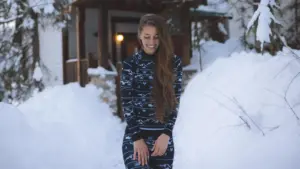
What if it’s raining or snowing?
Wet weather calls for waterproof-breathable guards to block outside moisture while letting inside vapor out. Dry light snow brings less soaking danger, so attention stays on warmth; rain or wet snow needs special shells.
- Rain Jacket→ Very breathable waterproof layers stop full wetting. Ultralight types focus on easy packing and venting for active use, allowing some wetness in heavy storms. Stronger builds guarantee dryness during long exposure, giving up a bit of breathability for trust.
- Rain Pants→ Used only in ongoing wet-cold cases, light versions slide easily over other pants and keep leg movement.
- Mitten Shells→ Waterproof over-mittens placed on thin gloves save skill yet stop wind and wet snow well.
- Gaiters→ Needed for deep snow or mud, these cover footwear to stop entry, keeping feet dry and warm longer.
Colder Activities: Temperatures from 20°F to 35°F
Lower temperatures require building up warmth across the system, with main focus on holding heat during less movement.
- Heavy Insulating Layer— Thicker hooded jackets with more fill give key warmth at rest stops or windy peaks, greatly improving comfort in sharp cold.
- Heavier / Lined Pants— Softshell fabrics fight wind and light moisture, while fleece-lined leggings or insulated tights strengthen leg guard against cold.
- Neck Gaiter— Useful tubes close the neck-collar space, pulling up over face for wind-open areas.
Keeping core heat first while protecting arms and legs stops overall cooling.
Dead of Winter — Temperatures from 5°F to 20°F
Very cold extremes raise dangers, needing backup items and careful watching.
- Softshell Alpine Jacket— Strong windproof top layers trap air when placed over insulation, acting like alpine gear for heat saving.
- Heavy Shell Pants— Full waterproof hard shells allow snow touch without entry, layered over thick bases. Bib styles give better covering and reduce heat escape.
- Accessories—
- Warm Mittens mix thick linings, insulation, and shells; mitten shape warms fingers together.
- Full Face Mask/Balaclava guards sensitive face skin from frostbite.
- Extra socks act as emergency dry changes.
In these conditions, regular checks and spare layers prove important—better to carry unused pieces than face uncontrolled shaking.
Mastering winter hiking layering centers on flexible systems using modern textiles for pulling moisture, insulation, and protection. Changing actively to conditions keeps safety and fun in varied winter settings. Harvest SPF stands out in supplying creative merino wool, synthetic, and blended fabrics made for these needs, offering manufacturers and suppliers with adjustable, certified choices for top outdoor apparel growth.
FAQ
What is the most important layer for winter hiking?
The base layer stands out as key because it touches the skin and handles moisture. Bad wicking causes chilling, no matter what outer layers exist.
Should base layers be merino wool or synthetic?
Merino wool shines in odor resistance and natural control, while synthetics bring strength and quicker drying. Blends or choices like alpaca often give balanced gains.
How many layers are needed for winter hiking?
Usually three main layers: base for wicking, mid for insulation, and shell for protection. Accessories and extras change for colder or wetter conditions.
Can the same layers work for different temperatures?
Core pieces build a useful system, with additions, removals, or thicker versions fitting to shifts.
What accessories are essential in cold weather?
Lightweight gloves, headbands or beanies, neck gaiters, and quality wool socks stop heat loss from ends.
How to handle sweating while hiking in winter?
Start cool, vent soon, and use breathable fabrics. Stop to remove layers before too much heat.
Partner with Leading Functional Textile Manufacturers and Suppliers Harvest SPF
Harvest SPF, founded in 1993, focuses on the study, creation, and making of healthy and useful textiles, with a clear priority on materials perfect for outdoor pursuits like winter hiking. Their skill in merino wool, synthetic mixes, and eco-friendly fabrics helps build strong layering systems that handle moisture, control body heat, and offer warmth in chilly settings.
Outdoor brands looking for trusted sources for top base layers, midlayers, pants, and sustainable outdoor apparel gain from expert suppliers with years of knowledge. Harvest SPF provides ODM/OEM services, including custom merino wool blends, moisture-wicking synthetics, insulated fabrics, and eco-certified materials. With low minimum orders, quick prototyping, and full vertical production, manufacturers and suppliers can create high-performance winter hiking lines fast. Contact the team at joy@spftex.com for fabric suggestions, customization, and teamwork chances.