

In the busy field of functional sportswear and activewear, deodorizing (or odor-resistant) clothing has turned into a key part for brands aimed at busy lives. These items, often made for gym workouts, yoga, running, or outside tasks, need to handle body smells from sweat and germ action well. Makers put a lot into new fabrics with germ-killing parts, smell-trapping tech, or natural threads like merino wool to give steady results.
To make sure deodorizing promises hold up and fit world market rules, strict checks are a must. This piece lists the main detection ways needed when making deodorizing clothing. It pulls from known world rules like the ISO 17299 set, AATCC test ways, and linked steps. It also covers the chief tech makers use to add deodorizing traits to sportswear fabrics.
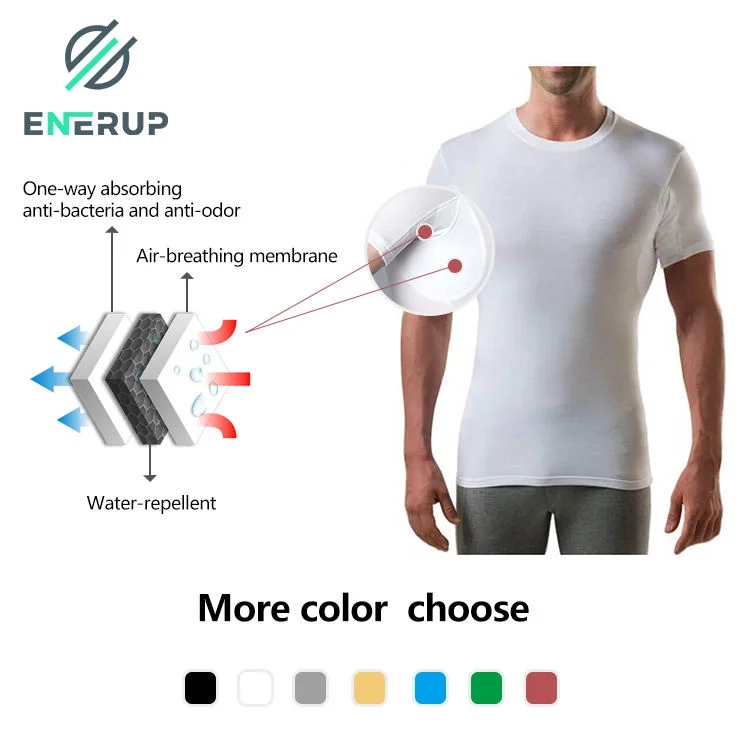
Understanding Odor Generation in Textiles
Body smell in clothing mainly comes from germ break-down of sweat parts. This makes airy mixes like ammonia, acetic acid, isovaleric acid, and nonenal. Good deodorizing fabrics act through ways like germ stop (antimicrobial work), smell trapping (physical catch), breakdown by catalyst, or cover-up. Checks must count these results to prove how well they work.
Main rules cover the ISO 17299 set (Textiles — Determination of deodorant property). This gives a full plan for checking many smell types. AATCC ways fit certain tech.
Main Ways Manufacturers Achieve Deodorizing in Sportswear
Makers use a few tried tech to build smell-proof activewear fabrics. These fit into thread making, knit/weave, or end steps for lasting work.
1. Antimicrobial Treatments with Silver Ions
Silver ions get placed into threads or added as coats. They break germ cell walls and parts, stopping smell-making germs from growing. This tech gives long antibacterial power (often >99% drop) and fits well in strong polyester or nylon mixes for gym and run gear.
2. Zinc-Based Technologies (e.g., Zinc Pyrithione or Active Zinc)
Zinc parts stop germ and mold growth, hitting smell at its start. These act as metal-free choices to silver, giving good smell check in fake fabrics while keeping green traits.
3. Odor-Adsorbing Materials (Cyclodextrins, Silica, Activated Carbon)
These catch and calm airy smell bits (e.g., isovaleric acid) by physical trap or molecule hold. Cyclodextrins make wrap groups with smells, while silica fixes split sulfur, nitrogen, and oxygen mixes. These fresh up in wash for ongoing clean.
4. Natural Fibers with Inherent Properties (e.g., Merino Wool)
Merino wool takes in wet on its own and stops germ growth from its wool fat and build. It holds smells in threads, cutting let-out, and fits top activewear for its air flow and heat control.
5. Other Finishes (Bio-Enzymatic, Photocatalytic, or Polymer Blends)
Enzyme parts break smell bits, while light-break tech (e.g., TiO2) cuts mixes under light. New non-kill polymers calm wide bad smells without ending germs.
These tech often mix (e.g., silver ions with wet-pull fake stuff) to boost full work, hold after many washes, and green side.

1. ISO 17299 Series: The Gold Standard for Deodorant Properties
The ISO 17299 rule, used around the world, checks deodorant work over four main smell types that match human body smell.
ISO 17299-1: General Principles
This base part lists the full steps, including sample ready and touch to smell types. It makes sure even check settings for all next parts.
ISO 17299-2: Detector Tube Method
This way uses check tubes to count drop in gas smell types like ammonia and acetic acid. It is simple and fits fast checks of trap or calm skills.
ISO 17299-3: Gas Chromatography Method
The most exact and often cited way, ISO 17299-3 uses gas split (GC) to count drops in hard airy organic mixes (VOCs), mainly isovaleric acid and nonenal. Fabrics must hit least drop rates (often ≥70-85% by smell type) for okay. This check fits strong claims in sportswear.
ISO 17299-4: Instrumental Sensory Method (if applicable)
This adds to tool ways with feel checks for full proof.
Brands should pick ISO 17299-3 first for okay, as it gives count data okay in big markets.
2. AATCC TM211: Reduction of Bacterial Odor in Antibacterial-Treated Textiles
For fabrics that use antibacterial finishes to stop smell make, AATCC TM211 is key. This way checks drop of germ-made ammonia (a main germ smell sign) by growing treated fabrics with germs and start parts. It counts smell hold-back from germ work straight, making it good for germ-kill tech like silver ions or zinc parts.
3. AATCC TM216: Measuring Odor Adsorbency Using Human Malodor Markers
AATCC TM216 counts smell take-in using isovaleric acid (IVA), a top sign of human body smell. The check puts fabrics to IVA air and counts mix drop by tool study. It helps well for non-kill tech that trap smells not end germs, like cyclodextrin or silica coats common in activewear.
4. Additional Supporting Tests for Comprehensive Validation
While the above are main for deodorizing promises, brands should add these side checks:
- Antibacterial Efficacy Testing: Rules like AATCC 100, AATCC 147, ISO 20743, or JIS L 1902 check germ drop, which helps smell check by cutting smell-making germs.
- Durability Testing (Wash Cycles): Deodorizing work must last many clean rounds. Checks like AATCC 61 or ISO 6330 copy home wash to check hold after 20–50 rounds.
- Sensory Evaluation: Skilled groups check full smell strength using steps like from St. Croix Sensory or AATCC guides, giving real check next to tool data.
Why These Tests Matter for Clothing Brands
Doing these strict detection ways is key for clothing brands since they:
- Substantiate Marketing Claims – True check data lets brands say “odor-resistant,” “anti-odor,” or “fresh all day” work with sure without risk of false green claims or rule fights.
- Build Consumer Trust and Loyalty – Buyers more and more want proof of work. Third-side okay and count results (e.g., ≥85% smell drop) help set items apart and push buy again.
- Meet Retailer and Marketplace Requirements – Big sellers and sites (Amazon, Zalando, REI, etc.) often need checked reports and okay before list deodorizing activewear.
- Support Premium Positioning – Strong deodorizing fabrics with noted results get higher prices and build brand worth in the busy sportswear field.
- Ensure Compliance and Reduce Risk – Hitting world rules guards brands from item pulls, law issues, and bad reviews from weak promises.
In short, these checks turn deodorizing parts from ad words into real, top market sell points.
FAQ
What is the primary international standard for testing deodorizing textiles?
The ISO 17299 set is the fullest rule, with ISO 17299-3 (gas chromatography method) as the top way for counting smell drop over key mixes like isovaleric acid and nonenal.
When should brands use AATCC TM211 versus TM216?
AATCC TM211 fits best for antibacterial-coated fabrics aimed at cutting germ-made smells (e.g., ammonia). AATCC TM216 works for non-kill tech that trap human bad-smell signs like isovaleric acid.
How many wash cycles should deodorizing performance be tested for?
Often 20–50 rounds using rules like AATCC 61 or ISO 6330 to make sure last for daily activewear use.
Are sensory tests necessary alongside instrumental methods?
Yes, feel checks give full views on felt smell hold, adding to count data from GC or check tubes.
What reduction rates are typically required for certification?
Under ISO 17299, fabrics often need ≥70% for ammonia/acetic acid, ≥75% for nonenal, and ≥85% for isovaleric acid, by market and promises.
Collaborate with Harvest SPF – Your Trusted Manufacturer and Supplier for Functional Sportswear
As a top manufacturer and supplier focused on functional activewear, Harvest SPF gives skill in making deodorizing clothing with new tech like antibacterial coats, smell-proof merino wool mixes, and green stuff. With more than 30 years of know-how, full ODM/OEM build, and okay like OEKO-TEX STANDARD 100, GRS, and Woolmark, Harvest SPF brings strong fabrics checked to world rules such as ISO 17299 and AATCC ways.
Contact the Harvest SPF team today to talk custom fixes for deodorizing activewear line, including quick sample make, bend MOQs, and full build help. Email joy@spftex.com or visit https://www.spftex.com/ to start the project.