In today’s fitness world, picking workout clothes means looking past looks or how well they work. It’s about choices that help your health and the earth too. Sustainable activewear isn’t just a short fad. It’s a real move toward options that cut harm to the environment while giving better comfort and lasting wear. Normal synthetic activewear fills most stores. But more people now know about its hidden downsides—like tiny plastic bits that come off in the wash and possible skin itch from leftover chemicals.
Luckily, organic and green fabrics such as organic cotton, bamboo fiber, and recycled polyester bring strong choices. They put the planet and health first and still deliver what active people need without giving up key traits.
What Is “Sustainable Workout Clothes”?
Sustainable workout clothing is not just about green-colored clothing. It is a total concept that includes a fair supply chain, a non-toxic dyeing process, a low-harm manufacturing process, and a recyclable or biodegradable clothing material. While the usual workout clothing made of non-sustainable materials is made of oil-based clothing materials like normal polyester and normal nylon, the sustainable clothing alternatives are made of renewable, breakable, and recycled clothing materials.
Organic vs. Synthetic: Materials Comparison
When you put organic and green fabrics next to synthetics, the gaps in work, health effects, and eco mark stand out. Here’s a look at top choices leading the change.
Organic Cotton Workout Clothes
Organic cotton grows without man-made pesticides, weed killers, or changed seeds. This leads to much lower harm during growing. Studies show organic cotton often needs far less water than regular cotton—especially when farms use rain instead of irrigation (many organic farms depend mostly on natural rain).
No harmful chemical leftovers make organic cotton kinder to sensitive skin. It cuts itch or allergy risks common with synthetics. As a natural fiber, it breaks down fully. This helps keep textile trash out of landfills and lowers long-term harm. For stretch and bounce in activewear, organic cotton often mixes with small amounts of elastane (3-10%). This keeps flex while holding its natural feel.
Bamboo-Based Activewear
Bamboo grows fast as a renewable crop with little help—often just natural rain instead of watering—and comes back without replanting. It has natural germ-fighting traits that help stop smell buildup during hard workouts. It also wicks moisture well and lets air move for better sweat handling.
Bamboo fabrics give built-in UV block and good temp control compared to many synthetics. Mixed with other natural or reused fibers, bamboo adds strength while staying green and comfy.
Recycled Polyester as a “Better” Synthetic Option
Recycled polyester (rPET) comes from used items like plastic bottles. It keeps plastic out of landfills and oceans while using less energy than new polyester making. It keeps main traits like fast drying and toughness. This makes it good for high-effort activities.
Still, like regular synthetics, it can drop microplastics in the wash. When used smartly—like in balanced mixes—recycled polyester gives a practical middle ground between strong work and lower eco harm.
Biodegradable Nylon: The Next-Generation Eco-Performance Fiber
Regular nylon (polyamide) stands out in strength, rub resistance, and stretch. This makes it common in tight gear, leggings, and outdoor clothes. But normal nylon comes from oil and lasts decades or centuries in nature.
Biodegradable nylon fixes this with new making steps that let the fiber break down slowly through tiny life in certain spots (like landfills). It keeps high-work traits:
- Very strong and long-lasting
- Great stretch and bounce-back
- Light and comfy
This makes it perfect for running gear, cycling clothes, tight wear, and useful socks. When mixed with organic cotton, bamboo, or recycled polyester, biodegradable nylon creates a strong balance of toughness, comfort, and green care. It helps the field move toward strong products with less long-term harm to the earth.
By mixing natural fibers, reused options, and new ideas like biodegradable nylon, the activewear world builds material systems that match sport needs with care for the planet.
Health and Performance Benefits
Sustainable fabrics bring real gains for your body and workouts.
Health Benefits
Natural and organic fibers lower skin itch risks. They breathe better and feel gentler. They handle sweat well by pulling it away to stop discomfort, rub, or heat problems during exercise. Fibers like bamboo and some wools have natural germ-stop traits to fight smell without chemical treatments.
Performance Advantages
Softer, more bendy natural fabrics allow free movement and better range. They control temp well—keeping you cooler in heat and warmer in cold—which boosts overall comfort. This comfort leads to better focus, longer workouts, and stronger training results.
Environmental Impact Comparison: The Hidden Costs of Synthetics
Synthetic activewear carries big eco downsides.
Microplastic Pollution
Each wash of synthetic clothes sends thousands of tiny plastic fibers into water. This adds a lot to ocean pollution. Numbers show synthetic fabrics make up a large part of main microplastics in seas. They harm wildlife and enter food chains.
Carbon Footprint Differences
Oil-based synthetics create high CO2 during pulling and making. On the other hand, organic cotton, bamboo, and reused options have lower full-life emissions from green sources and less energy use.
Water Resource Consumption
Natural fibers like organic cotton (often rain-fed) and bamboo use much less water in making compared to regular cotton or the resource-heavy steps for new synthetics.
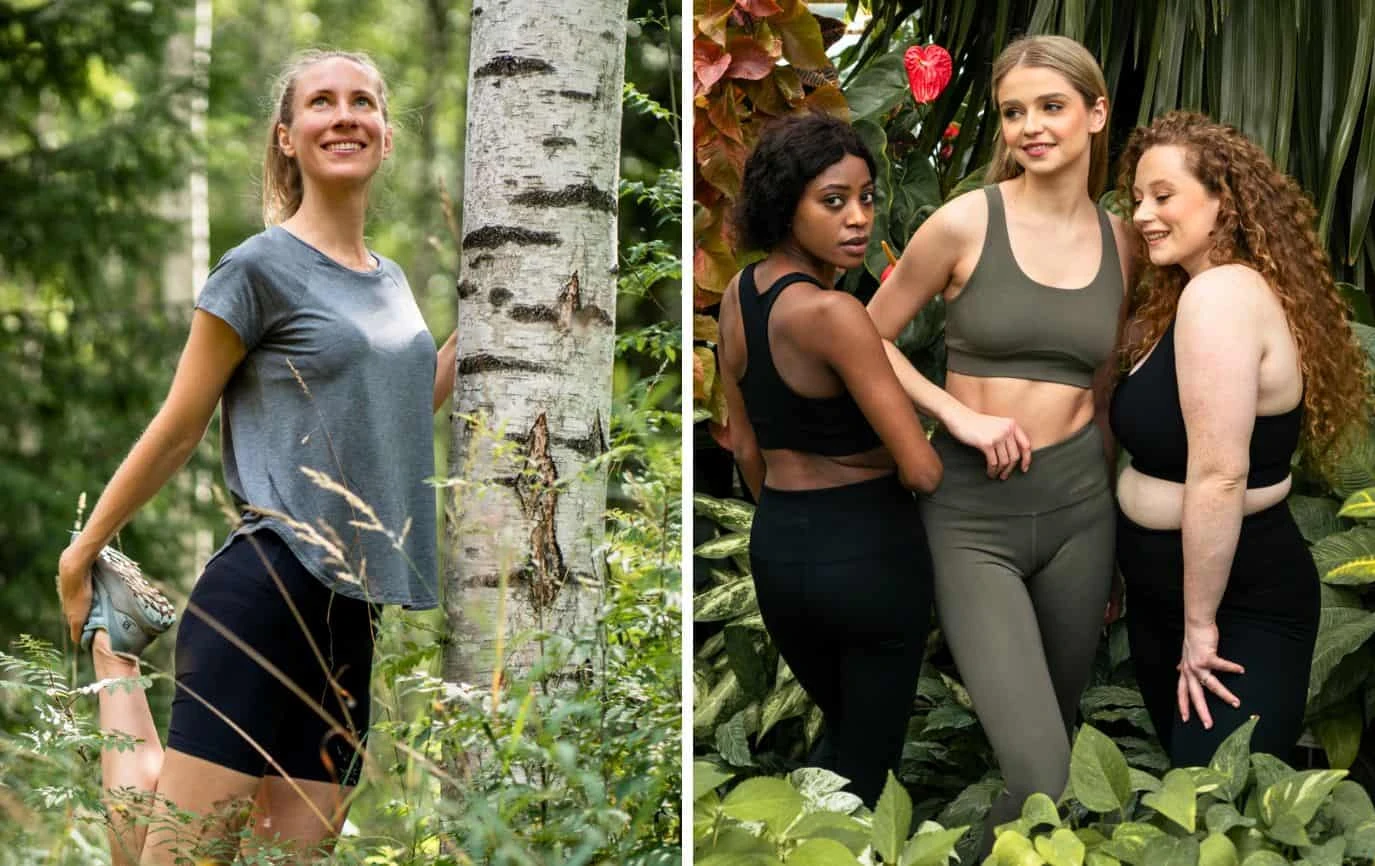
Harvest SPF’s Sustainable Fabric Applications
Harvest SPF started in 1993 with the idea of “Dress for Health, Dress for Energy,” focuses on useful, healthy textiles through research, ODM/OEM services, and world supply. Committed to green ways, the company puts money into eco materials and fair practices to balance strong work and earth care.
Sustainable Fabric Strategy and Offerings
Harvest SPF gives a range of green answers made for client needs:
- Organic Cotton — No synthetic pesticides or fertilizers; kind to skin and breathable for daily and light activities; available with GOTS certification.
- Bamboo Fiber — Fast-growing with natural germ fight and sweat pull; great for base layers and casual useful wear.
- Recycled Polyester (rPET) — Made from used plastic bottles; cuts waste and emissions while giving quick-dry and tough work.
- Blended Options — Mixes of natural fibers with reused synthetics for custom comfort-work balance.
The company works with certified supply chains and offers:
- GOTS (Global Organic Textile Standard)
- OEKO-TEX® Standard 100 (no harmful substances)
- USDA Organic (for cotton)
- GRS and other tracking standards
With clear sources, long supplier ties, and full rule papers, Harvest SPF backs open, green making.
Balancing Functionality with Natural Fabrics
One of the core challenges of sustainable fabrics is that natural fibers often fall short of synthetic fibers in terms of elasticity, quick-drying properties, and abrasion resistance . However, a balance between environmental protection and functionality can be achieved through modern textile technologies and blending solutions.
How to compensate for the performance shortcomings of natural fibers?
Blended technology (natural + recycled synthetic fibers)
Organic cotton, bamboo fiber, and other natural fibers are blended with recycled polyester or recycled nylon in a certain proportion.
Natural fibers provide comfort, skin-friendliness, and breathability.
Regenerated synthetic fibers offer elasticity, abrasion resistance, and quick-drying properties.
It improves performance while reducing reliance on new petroleum-based fibers.
Micro-addition of elastic fibers (Spandex / Elastane)
Add 3–10% elastic fiber to natural fabrics
Improves stretch recovery and fit
It allows for freedom of movement during exercise without significantly affecting the natural feel of the fabric.
Functional finishing techniques
Moisture-wicking and quick-drying finishing: Improves moisture diffusion and drying efficiency
Antibacterial and deodorizing finish: Reduces odor and prolongs freshness while wearing.
Wrinkle-resistant and easy-care finishing: Enhancing the convenience of daily fabric use
Using non-toxic and environmentally friendly finishing agents avoids the environmental and health problems caused by traditional chemical finishing.
Structural textile design
Employing mesh structures or zoned designs improves breathability and heat dissipation.
A highly breathable design is used in areas prone to high sweating, while maintaining comfortable support in other areas.
Enhancing the overall wearing experience, rather than simply relying on fiber materials.
Does Harvest SPF develop or is developing sustainable functional fabrics (such as blends of natural and recycled synthetic fibers)?
Research and development direction of sustainable functional fabrics
Harvest SPF is exploring and applying the following directions:
✔ Blend of natural and recycled synthetic fibers
Organic cotton + recycled polyester: Balancing skin-friendliness and functionality
Bamboo fiber + recycled nylon: enhances elasticity and abrasion resistance
The blending ratio can be customized according to the product’s intended use (e.g., different options for sports and leisure).
✔ Low-carbon and sustainable functional organization
Uses environmentally certified finishing agents
Reduce chemical residues and water pollution
Extending product lifespan, thereby reducing the frequency of replacement by consumers.
✔ A product strategy that emphasizes both functionality and environmental friendliness
For low-intensity exercise and everyday wear: prioritize natural and blended fabrics.
For high-intensity sports: Blending and functional finishing are used to achieve a balance between performance and environmental friendliness.
We provide customized solutions for brand owners and support ODM/OEM services.
Brand and Market Positioning Advantages
Harvest SPF lets brands bring comfy, tough, health-focused products while building true green stories. This creates stand-out appeal to earth-aware buyers and lowers use of oil fibers and microplastic drop—giving value to customers, brands, and the planet.
Sourcing Advice: How Brands Can Choose Fabrics for Custom Apparel
When working with makers like Harvest SPF:
Match Fabric to Activity and Intensity
- Low-intensity (yoga, Pilates): Focus on naturals like organic cotton or bamboo for softness and comfort.
- High-intensity (running, gym): Pick performance mixes with reused parts or biodegradable nylon for sweat handling, stretch, and toughness.
Define your main use to guide exact requests.
Strike the Eco-Performance Balance
Align choices with brand values—favor naturals for easy wear, high-function eco-synthetics for tough sports. Talk certifications, reused content, and work specs to match sustainability goals and user happiness.
Frequently Asked Questions (FAQ)
Q: Are organic fabrics suitable for large-scale production?
A: Yes, Harvest SPF has long experience supporting big organic fabric runs with steady quality.
Q: What eco-certifications do you offer?
A: We provide GOTS, OEKO-TEX®, and other world-standard compliant fabrics to meet global needs.
Q: Is sustainable activewear more expensive than synthetics?
A: Organic options may cost a bit more, but Harvest SPF offers flexible custom work to help brands control budgets while keeping quality.
Q: Can I customize activewear for my brand?
A: Yes—Harvest SPF provides full ODM/OEM services for design and making made to your vision.
Conclusion
Organic and green workout clothes beat regular synthetics by giving better skin health, comfort, temp control, and much lower harm to the environment—from less microplastics and CO2 to careful water use. By taking these materials, brands lift product quality, meet growing buyer wants for fair options, and help a healthier planet.
Request samples to feel our quality and green new ideas yourself. Let’s build healthier, greener activewear together—reach out now!