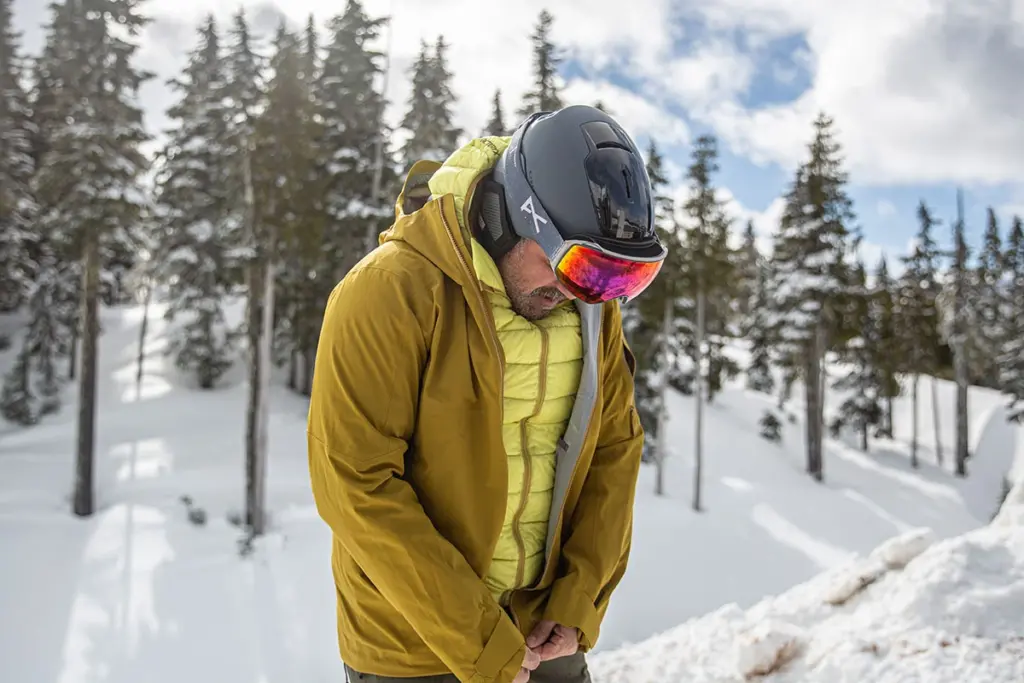
Comparing Fleece and Down Mid Layers
Fleece and down stand out as two main choices for mid layers in outdoor clothes. Each one brings its own set of strong points that fit certain weather and kinds of activities.
| Features | Fleece Mid Layer | Down Mid Layer |
| Warmth | Steady warmth for mild conditions | Superior warmth in cold, dry weather |
| Weight | Lightweight but bulkier | Very light and compressible |
| Breathability | Excellent moisture management | Poor breathability, traps moisture |
| Moisture Resistance | Dries quickly, handles dampness well | Loses insulation when wet |
| Packability | Takes up more space | Compresses to a small size |
| Durability | Very durable, withstands rough use | Can be fragile, needs care |
| Cost | More affordable options available | Generally more expensive |
The choice between fleece and down comes down to what you really need—like how much warmth, what the weather is like, or how active you plan to be. Fleece works well in changing conditions and stays reliable. Down shines when you want the most warmth without extra weight. New developments in fabrics keep making both better, with more focus on being eco-friendly and useful for outdoor gear.
Key Takeaways
- Fleece fits active outdoor stuff. It breathes well, moves sweat away, and stays solid for hiking or running in cool spots.
- Down does best in cold and dry places. It gives great warmth and packs down small for winter trips.
- Budget plays a role. Fleece usually costs less for good quality pieces. High-end down asks for more money.
- Weather matters a lot. Fleece deals with damp air and wet spots nicely. Down prefers dry, low-humidity air.
- Layering helps a bunch. Pairing fleece with down gives solid warmth plus better sweat control when conditions shift.
Key Factors for Choosing a Mid Layer
Warmth and Insulation
Keeping heat in ranks high when picking a mid layer. Down does really well in dry, freezing spots thanks to fill power numbers, often from 500 up to over 1000. Higher fill power means better warmth for the weight, so you stay warm in tough cold without getting bulky.
Fleece gives steady heat across different thicknesses: light ones for easier movement, middle ones for everyday use, and thick ones for more warmth. It does not match down in very harsh cold, but it holds up fine during active times in milder air.
| Insulation Type | Measurement/Rating | Description |
| Down Jacket | Fill Power (500-1000+) | Higher fill power means better insulation and warmth-to-weight ratio. |
| Fleece Jacket | Fleece Weight | Lightweight, midweight, and heavyweight options for varying warmth levels. |
Weight and Packability
How small gear packs matters on long trips. Down shrinks down a lot—sometimes to the size of a grapefruit—so it saves room in packs or bags.
Fleece stays fairly light but takes up more space when folded. That works fine for shorter outings or when size is not the top concern.
| Material | Compressibility Rating |
| Down | Excellent |
| Fleece | Not good |
Breathability and Moisture Management
Good airflow stops you from getting too hot when moving a lot. Fleece handles this well. It pulls sweat off your skin and dries fast, keeping you comfortable during hard efforts.
Down focuses on trapping heat but does not let air move much. That can cause sweat to build up inside. Wet weather ruins its fluff and cuts its warmth.
| Material | Breathability |
| Fleece | Excellent |
| Down | Not good |
Durability and Maintenance
Gear needs to last in rough spots. Fleece stands up to scrapes, lots of wear, and regular washing without falling apart much. Pilling might show up after time, but it does not hurt how it works.
Down needs gentle treatment to keep its loft. Rough handling or bad washing can hurt it. Some water-resistant finishes help it handle light dampness better.
| Type | Durability | Maintenance Needs |
| Fleece | Very good | Easy to wash and dry |
| Down | Can be fragile | Needs careful care |
Cost and Affordability
Money often decides things. Plenty of solid fleece pieces cost around $100 or even less and still perform well.
Down usually runs higher, especially the ones with top fill power that go over $300. Synthetic versions give a cheaper way to get similar warmth.
| Price range | Type of mid layer | Features |
| ~$100 | Grid Fleeces | Good warmth, basic features |
| $100-$300 | Mid-Tier | Synthetic insulation, adjustable features |
| >$300 | Premium | Top materials, advanced insulation |
Fleece Mid Layer: Strengths, Weaknesses, and Best Uses
Strengths of Fleece Mid Layers
Fleece mid layers offer steady warmth in cool air and let you move freely. They breathe nicely and push sweat away fast. Plus, they dry quick after getting damp. Tough fabric holds up against rubs and scrapes from the outdoors.
| Metric | Performance |
| Warmth | Very good |
| Weight | Hard to pack small |
| Durability | Strong, may pill |
Weaknesses of Fleece Mid Layers
Fleece does not give as much warmth per ounce as some other options. It also takes up extra room when packed. Without a wind shell, it lets breezes through easily.
Best Activities and Conditions for Fleece
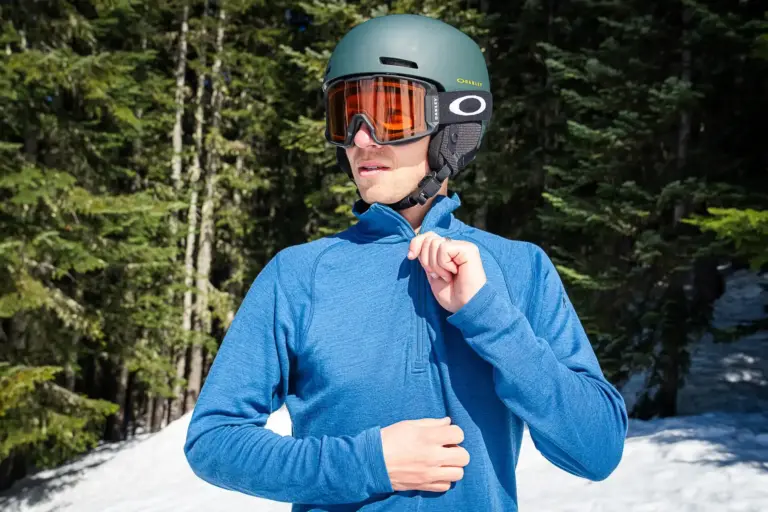
Fleece matches high-energy activities in cool or shifting weather—like hiking, climbing, or trail running. Adding layers makes it work in changing seasons too.
Down Mid Layer: Strengths, Weaknesses, and Best Uses
Strengths of Down Mid Layers
Down mid layers deliver amazing warmth for very little weight. High fill power versions trap heat well in dry cold. They pack tiny, which helps on trips.
Main plus points include top warmth, great warmth-to-weight ratio, high fill power (700+), and small packed size.
Weaknesses of Down Mid Layers
Water kills the loft and drops insulation fast. It needs careful washing and storage. Prices tend to run higher too.
Best Activities and Conditions for Down
Down works great for low-movement or still times in cold, dry areas—like winter camping, dry-snow skiing, or high-mountain trips.
Fleece vs Down: Side-by-Side Comparison
Warmth
Down beats fleece in very cold spots because it traps heat better and gives more warmth for the weight.
| Feature | Fleece Mid Layers | Down Mid Layers |
| Warmth | Low | Very High |
| Warmth-to-Weight Ratio | Low | Very High |
Weight
Down stays lighter overall and packs way smaller.
| Feature | Fleece Mid Layers | Down Jacket Mid Layers |
| Weight | Moderate | Very Light |
| Packability | Low | Excellent |
Breathability
Fleece wins here for active use since it lets moisture escape well.
| Feature | Fleece Mid Layers | Down Mid Layers |
| Breathability | Excellent | Poor |
| Moisture Resistance | Good | Poor |
Moisture Resistance
Fleece keeps working when wet and dries fast.
Packability
Down folds down tight for tight spaces.
Cost
Fleece gives better value across different levels.
| Mid Layer | Warmth | Warmth-Weight Ratio | Practicality | Cost |
| Fleece | Low | Low | Very Good | $10-$100+ |
| Down | High | High | Good | $50-$300+ |
Recommendations for Outdoor Activities and Climates
Best Choice for Hiking
Fleece helps with breathing and sweat control during effort, so it fits most trails. Down suits very cold, dry paths.
Best Choice for Skiing and Snowboarding
Down shines in dry cold. Fleece or synthetics handle wet snow better.
| Midlayer Type | Warmth Rating | Snow and Wet-Weather Protection | Breathability Rating |
| Down | Excellent | Poor | Poor |
| Fleece | Low | Good | Excellent |
Best Choice for Camping
Down gives top warmth when sitting still on cold nights. Fleece works for milder or damper camps.
Best Choice for Wet vs Dry Climates
Fleece deals with humidity and rain well. Down needs dry air to perform.
Best Choice for Cold vs Mild Temperatures
Down rules in freezing weather. Fleece handles mild to cool ranges nicely.
Both fleece and down add useful traits to outdoor layering setups. Fleece brings toughness, good airflow, and damp-weather reliability for moving around. Down pushes insulation and easy packing in dry cold. The right pick matches your activity, the environment, and what matters most to you.
FAQ
What is the main difference between fleece and down mid layers?
Fleece gives good airflow and stays strong in wet or active settings. Down brings better warmth and light weight in dry, cold places.
Can fleece and down be used together?
Yes. Fleece closer to the body with down on top boosts warmth, handles sweat, and adapts to changing weather.
Which mid layer performs better in wet weather?
Fleece keeps its warmth and dries fast when damp. Down loses power when wet, so fleece wins here.
How should fleece and down mid layers be cared for?
Fleece handles normal machine washing and drying fine. Down needs soft cycles, special soap, and low heat to keep its fluff.
Partner with a Trusted Custom Clothing Manufacturer
Businesses looking for high-quality custom mid layers, outdoor jackets, fleece series, or insulated apparel benefit from partnering with an experienced manufacturer. Harvest SPF delivers full-package ODM/OEM services, from fabric innovation and prototyping to sustainable production and global delivery. Contact the team at joy@spftex.com or via WhatsApp at +8618310458626 to discuss custom requirements, flexible MOQs, and tailored solutions for outdoor performance clothing. Elevate brand offerings with reliable, functional textiles designed for demanding markets.