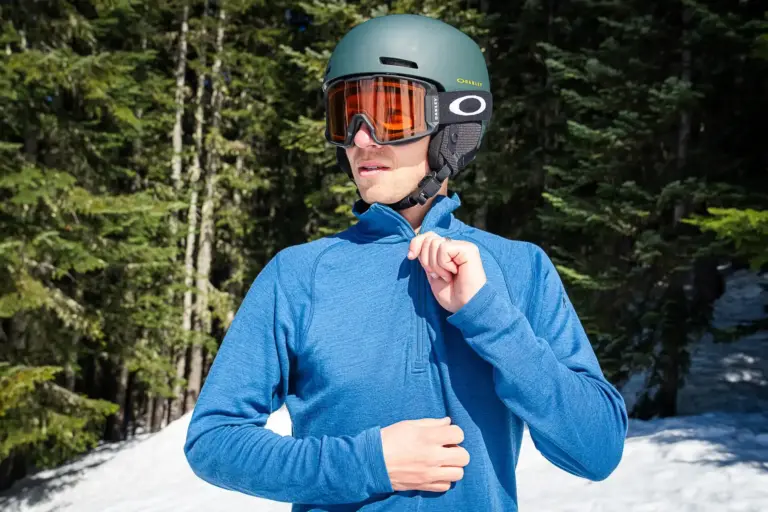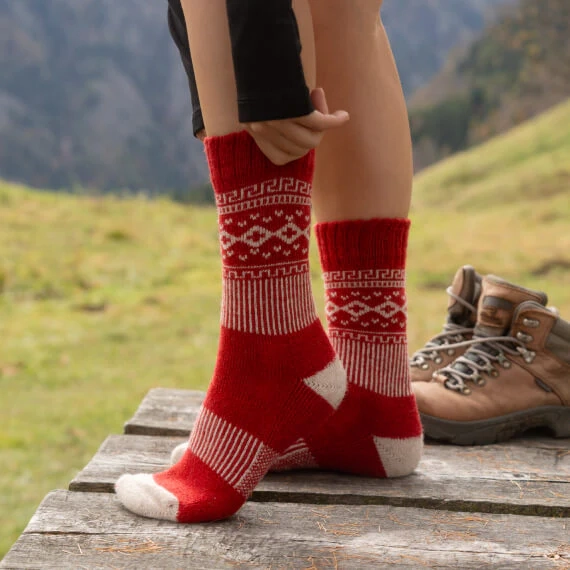
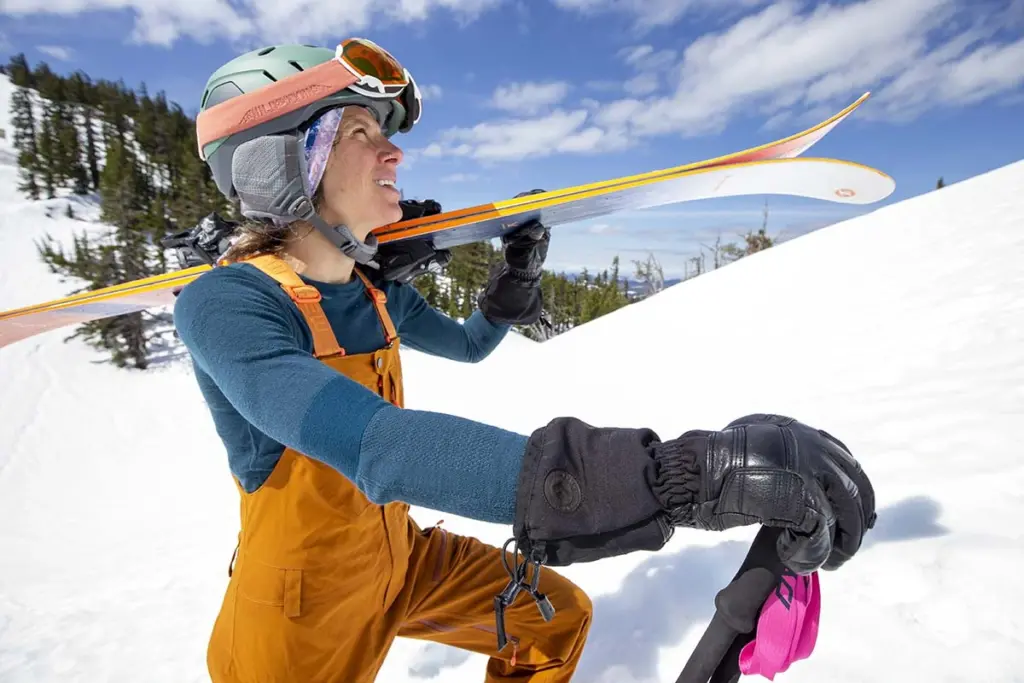
Merino wool holds a long history as the go-to pick for base layers during stop-and-go cold weather activities. It gives great insulation and natural odor control. Synthetic fibers shine with lower prices, fast sweat removal, and better toughness against wear. The choice between merino wool and synthetic base layers comes down to personal needs, budget limits, and the weather situation. Harvest SPF focuses on top-quality functional textiles. This includes premium merino wool baselayers and modern synthetic thermal choices. The company supports outdoor performance through sustainable and fresh materials.
What is Merino Wool?
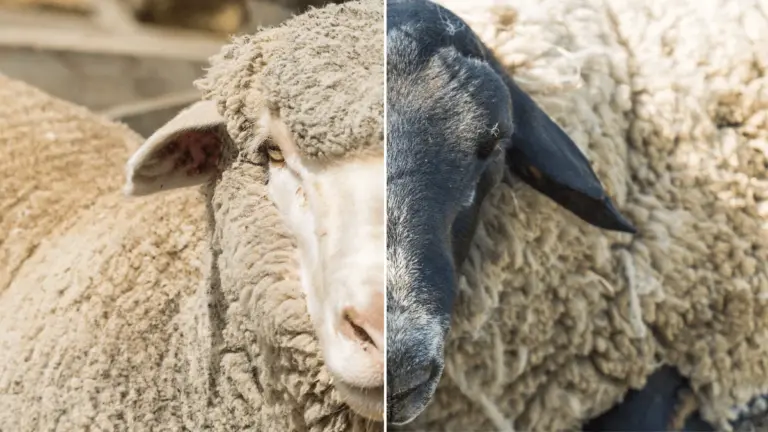
Merino wool grows on Merino sheep. It differs a lot from regular wool, which many link to rough texture and itch. This fine and soft natural fiber does well with moisture handling and heat keeping. That makes it a leading pick for next-to-skin layers among people who enjoy the outdoors. Key benefits of merino wool base layers include:
- Strong insulation.
- Keeps up to 40% of its warmth even when wet.
- Good moisture wicking, but it happens more slowly.
- Built-in odor resistance from anti-microbial traits.
- Gentle on sensitive skin because of its softness.
- Feels warmer even in damp settings.
- Often provides better warmth than synthetics in various cases.
- High ability to take in moisture.
The natural makeup of merino wool traps air pockets for insulation. At the same time, it lets vapor pass through. This setup offers steady temperature control during changing activities.
What are Synthetic Fibres?
Synthetic base layers usually come from materials like polyester or nylon. These fabrics put more focus on low cost and quick sweat movement instead of natural features. Synthetics push sweat out to the surface so it evaporates fast rather than soak it up. Key benefits of synthetic base layers include:
- Much quicker drying.
- Strong and fast moisture wicking.
- Lower price.
- Better resistance to wear and rubbing.
- Easy care and simple washing.
Synthetics work well in high-effort situations where keeping dry matters most over long-lasting warmth in wet conditions.
Merino Wool Vs Synthetic Comparison Chart
| Aspect | Merino Wool Baselayer | Rating | Synthetic Baselayer | Rating |
| Performance and Comfort | High Moisture Absorption Warm When Wet Anti-microbial Soft and comfortable Excellent Temperature Regulation | 8.5 | Fast wicking Quick Drying Comfortable when dry Hypoallergenic Good Temperature Regulation | 6 |
| Economic and Practical Aspects | More expensive Requires careful washing Warm even when wet Ideal for multi-day trips | 7 | Cost-effective Quick drying Colorfastness Low-maintenance | 9 |
| Additional Features | Fire Resistance Cooling Properties Odor Resistant Warm when Wet | 9 | Some UV Protection A Variety of Colours Easily Available Dries Fast | 5 |
| Sustainability | Renewable (Merino sheep) Biodegradable Sustainable production Ethical practices | 7.5 | Petroleum-based Microplastic pollution Non-biodegradable Recycled options | 4.5 |
| Other Considerations | Slow Moisture Wicking Long Dry Time Heavy When Wet Delicate Care Required | 5 | Odor Retention Not as comfortable when wet Saturates Easily Smells | 5 |
This side-by-side view shows clear trade-offs. Merino wool stands out for natural comfort and performance in wet weather. Synthetics win on practical side and speed.
When to use Merino Wool vs Synthetic Baselayers
Merino wool base layers work best for activities with shifting temperatures. Think hiking or backpacking in places where weather changes often. The fabric’s insulation performs well in colder spots. Its power to hold warmth when damp fits emergencies or stop-and-go efforts. Those involve bursts of hard work mixed with rest periods.
Synthetic base layers fit high-energy activities that create lots of sweat. Examples include trail running, cycling in warmer weather, or cross-country skiing. Their quick-drying nature and strong wicking help performance in fast-moving, sweaty conditions. This gives flexibility in both warm and cold settings.
Common winter activities and recommended materials appear in the table below:
Winter Activity Recommended Material Reasoning
Casual Activities Shoveling The Driveway Building a Snowman Sledding Winter Walking Merino Wool or Synthetic Layering options: Both materials offer flexibility in layering strategies. Cost and use frequency: Synthetics may be more economical for infrequent use.
Medium Activity Cold Weather Ice Fishing Winter wildlife photography Winter bird watching Attending a winter festival Merino Wool Superior warmth: Merino provides better insulation for cold climates and low activity level. Comfort in static activities: Ideal for activities with little movement, providing sustained warmth.
High Activity Cold Weather Skiing / Snowshoeing Cycling Jogging Skating Synthetic Preferred. Wool is a close second. Moisture-wicking Priority: Superior at keeping skin dry during intense activity. Durability: Resists wear from repetitive motions and gear friction. Lightweight and agile: Enhances performance and comfort during high-energy activities.
Intense Cold Weather Winter Camping Dog Sledding Ski Touring Merino Wool Thermal regulation: Excellent at retaining heat, important in high-speed, cold winds. Natural warmth retention: Retains heat even when damp, crucial in stop-and-go scenarios.
These suggestions match activity level, length, and weather needs. The goal is better comfort and stronger performance.
Merino wool base layers bring outstanding natural perks for long cold exposure and mixed efforts. Synthetic options deliver useful gains for high-sweat and quick-paced pursuits. Blends that mix merino with synthetics often combine these good points for all-around use.
Harvest SPFcreates well-made merino wool baselayers and synthetic thermal solutions. The company draws on years of new ideas in functional textiles to meet different outdoor demands.
FAQ
What makes merino wool better for wet conditions?
Merino wool holds a good amount of insulating power when wet. It takes in moisture but loses little warmth. Many other materials get heavy and cold in the same spot.
Do synthetic base layers last longer?
Yes. Synthetics usually handle more rubbing, washing cycles, and physical stress. This gives longer life for regular or tough use.
Is merino wool suitable for sensitive skin?
Merino wool’s fine fibers feel soft and cause little irritation. People often choose it over rougher options for direct skin contact.
How do drying times compare?
Synthetics dry much faster. They absorb little and let evaporation happen quickly. Merino takes longer but handles moisture well while worn.
Which is more eco-friendly?
Merino wool comes from a renewable source and breaks down naturally. Production still involves animal care issues. Synthetics come from petroleum but some recycled versions cut down the impact.
Can base layers be layered together?
Both materials fit well in layering systems. Merino often works as the layer next to skin for comfort. Synthetics can add extra wicking or protection on top.
Partner with a Trusted Manufacturer for Premium Base Layers
Manufacturers, suppliers, and brands looking for high-performance merino wool baselayers or synthetic thermal underwear gain from working with an established specialist in functional textiles. Harvest SPF provides customizable ODM/OEM solutions, sustainable materials including certified merino wool blends, low MOQs, rapid prototyping, and expert guidance to bring quality outdoor thermal products to market efficiently. Contact the team today to explore tailored production options that align with specific requirements and drive success in the competitive apparel sector.