Understanding the Purpose of Base Layers
Base layers are super important for outdoor clothes. They’re the first layer you wear. They help keep you dry, warm, and comfy during activities. These layers go right against your skin. They control your body’s temperature. They also protect you from wind, sun, or cold. Whether you’re doing tough sports or just chilling outside, base layers keep you feeling good and performing well.
Importance of Base Layers in Different Climates
Base layers are key for all kinds of weather. In cold places, they block the chill. They hold in your body’s heat. At the same time, they pull sweat away from your skin. This stops you from getting too cold. Special warm fabrics give great insulation. They don’t feel bulky. This makes them perfect for skiing or snowboarding.
In hot weather, base layers focus on moving sweat and letting air flow. Light, airy fabrics are used. They let air move around your body. They still pull moisture away. Some even have UV protection to guard your skin from the sun.
Role of Base Layers in Moisture Management
Good base layers are awesome at handling sweat. They use materials like synthetic fibers, blends, or Merino wool. These pull moisture off your skin fast. The sweat then dries quickly. This keeps you dry and cozy, no matter how hard you’re working or what the weather’s like.
Base layers also cut down on rubbing and skin soreness. They use flat seams and smart designs. This makes them comfy for long activities like hiking or running. New fabric tech adds anti-smell features. This keeps your base layer fresh, even after lots of use.
The Argument for Tight Base Layers
Tight base layers are really popular. They squeeze your body a bit. This gives some cool perks, depending on what you’re doing.
Benefits of Compression in Base Layers
Tight base layers hug your skin and muscles. This can boost blood flow. Better blood flow helps your muscles work harder. It also helps you recover faster after exercise. Athletes love tight gear because it eases muscle aches after long workouts.
Tight layers are great at moving sweat too. They pull moisture away from your skin quickly. This is super helpful for sweaty sports.
How Tight Base Layers Affect Body Temperature
Tight base layers help keep your body warm. They trap a thin layer of warm air. But they let sweat escape easily. This keeps you warm without getting too hot during exercise.
The fit shouldn’t be too tight, though. It can’t feel bad. Good stretchy fabrics give support but let you move freely. Many brands add anti-smell treatments for extra usefulness.
The Case for Loose Base Layers
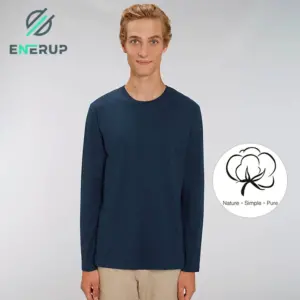
Loose base layers are different. They focus on being comfy and airy. These are great for casual explorers or everyday wearers who like feeling at ease.
Comfort and Mobility with Loose Base Layers
Loose base layers give you lots of room to move. Their relaxed fit is perfect for chill activities like walking or easy climbing. If tight clothes feel too snug, loose ones make things more fun. They let you move freely for hours.
Loose fits are also handy when moving between hot and cold places.
Breathability and Air Circulation in Loose Base Layers
Loose base layers let air flow around your body. This is a big plus in warm weather or during easy activities. More air keeps you cool by letting heat escape.
Loose designs also cut down on skin rubbing. This lowers the chance of chafing, which can bug you on long outdoor trips. Light fabrics dry fast if you sweat.
Both tight and loose base layers have special perks. Picking one depends on your activity, the weather, and what feels best to you.
Factors to Consider When Choosing Base Layers
Choosing a base layer means thinking about your activity and the weather. What you’re doing matters a lot. For fast sports like running or biking, tight base layers are often best. They support muscles and handle sweat well. For slower stuff like hiking or walking, loose styles might feel comfier without losing their job.
The material is super important too. Synthetic fibers dry fast and are light. They’re great for hard workouts. Merino wool is awesome for keeping your temperature steady and moving sweat. Blended fabrics mix the best of natural and synthetic fibers. Also, how the layer is made matters. Flat seams stop skin irritation. This makes base layers good for long wear.
Check Out Harvest SPF Textile Co, Ltd Thermal Base Layers
Harvest SPF Textile Co., Ltd makes cool thermal base layers. They use smart tech to fit different needs. The company focuses on creating healthy, useful fabrics.
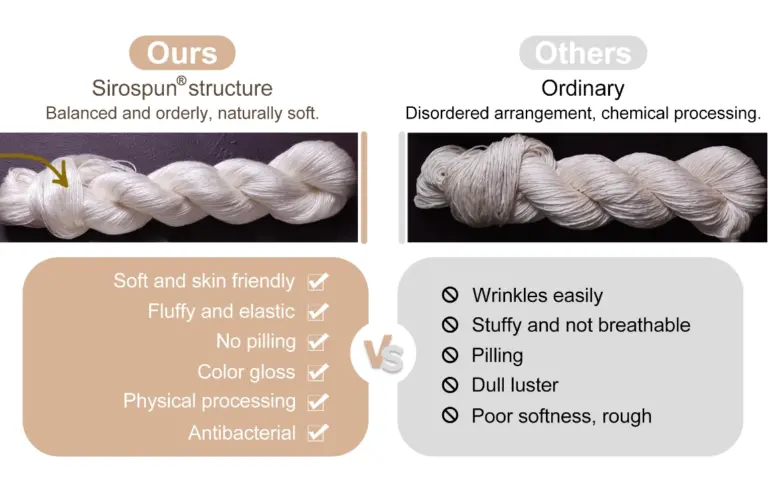
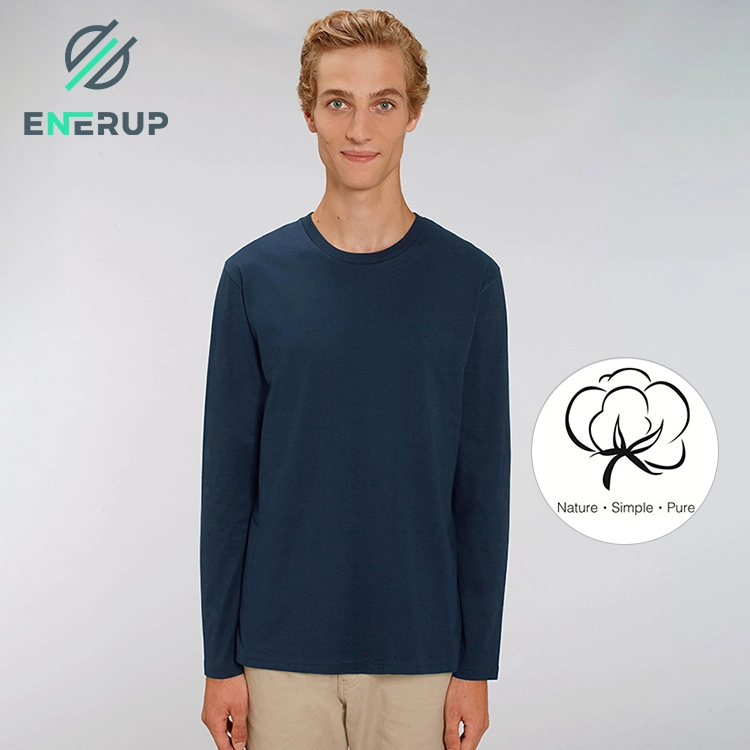
Harvest SPF Textile Co., Ltd thermal base layers are made with airy, sweat-moving cotton fabric. It traps warmth for all-day coziness. They use flat-seam stitching. This cuts skin rubbing and keeps the look nice after washing. These layers work as underwear or outerwear.
Harvest SPF Textile Co., Ltd cares about the planet. Harvest SPF Textile Co., Ltd use fabrics like Merino wool, bamboo, and recycled fibers in their designs. These don’t skimp on performance or toughness. They have over 30 patents. This shows they’re serious about new ideas in fabrics.
Their range has options for all weather and activities. They offer light fabrics for warm days or thick ones for cold snaps. Harvest SPF Textile Co., Ltd has something for everyone.
FAQ
How should base layers fit—tight or loose?
Base layers should fit snug, like a second skin. But not too tight. This helps them move sweat and keep you warm.
What materials are best for base layers?
You can pick synthetic fibers like polyester or nylon. Or natural ones like Merino wool. Blends, silk, or bamboo work too. Each has perks for sweat, warmth, toughness, or smell control.
What weight of base layer should I choose?
Base layers come in ultralight, lightweight, mid-weight, and heavyweight. Pick one that matches your activity and the temperature.
How many base layers should I wear in winter?
Usually, one snug base layer is enough. It’s the start of a three-layer system: base, mid, and outer. Add more mid-layers or extras for super cold weather.
Is Merino wool the best base layer material?
Merino wool is loved for being soft and warm. It fights odors and moves moisture well. Its fibers are fine. But blends can add extra strength.
Can I wear a base layer on its own?
Yes, especially light or stylish ones like merino-bamboo blends. They work as casual clothes in mild weather.
Will a base layer make me too warm or cause sweating?
If you pick the right one for your activity and weather, it won’t overheat you. Sweat-wicking base layers keep you cool. Avoid cotton—it holds moisture.
Are base layers worth wearing in mild or warm weather?
Totally! They move sweat and keep your temperature steady. They stop chills during changes or light activity.
Why choose Harvest SPF Textile Co., Ltd for base layers?
They offer top-quality, green fabrics like Merino wool. Their designs are smart and comfy for all climates. They’re innovators with over 30 years of experience.