Best Fabric for Making Leggings

Nylon Leggings
Nylon is a fully synthetic thread widely used in sportswear and many clothing types. It is one of the toughest and most enduring materials for leggings. Nylon leggings often blend 81% nylon with 19% lycra. This mix offers stretch and strength. The fabric is known for its great sweat-pulling traits. It quickly soaks up moisture to keep the wearer dry during exercise. Also, nylon leggings resist color fading and shrinking. They hold their shape and hue over time.
Polyester Leggings
Polyester leggings are a top choice. They have excellent moisture-wicking abilities, airiness, and toughness. The material allows good air flow. This prevents overheating during tough activities. Polyester is sturdy and resilient. It can handle frequent use and washing without losing quality. Its simple care and adaptability make polyester a great pick for activities like yoga or running.
Wool Leggings
Wool leggings come from natural threads from sheep. They provide great warmth and insulation in cold weather. Wool’s natural stretch ensures comfy movement. Its moisture-wicking traits control body temperature well. The airy nature of wool stops odor buildup. This makes it good for long wear. Wool leggings are especially helpful in chilly climates or for active people.
Nylon Spandex Leggings
Nylon spandex blends mix nylon’s strength with spandex’s elasticity. These leggings are light, soft, and moisture-wicking. They often have 70–90% nylon and 10–30% spandex. This blend ensures flexibility during exercise. It keeps a tight fit across different body shapes.
Polyester Spandex Leggings
Polyester spandex is another popular option. It is cost-effective and has special traits. The material keeps its shape after many stretches. It has great recovery ability. With sun-resistant features, it avoids fading in long sunlight. Polyester spandex offers high firmness. It stays strong in hot conditions.
Cotton Leggings
Cotton leggings provide excellent airiness and softness. They are ideal for casual tasks. As a natural thread, cotton is gentle on skin. It rarely causes irritation. Cotton fabrics may lack the elasticity needed for intense exercise. But their coziness makes them perfect for daily wear.
Fleece Leggings
Fleece-lined polyester blends give warmth and comfort in cold climates. These leggings have a soft inner layer. This layer offers a snug, compression-like effect. They resist wear and tear. They are easy to clean. They keep their shape after many uses.
Key Factors to Consider When Choosing Legging Fabric
Breathability and Comfort
Airy fabrics like special moisture-wicking polyester keep comfort high. They pull sweat away from the body. Light materials improve air flow. They prevent overheating. Stretchy fabrics like cotton spandex offer flexibility. They maintain coziness.
Stretch and Mobility
Adding spandex to legging fabrics ensures great elasticity. This allows free movement. Leggings with more spandex give better mobility and tightness. They suit intense workouts or sports.
Durability and Performance
Tough fabrics like nylon spandex or polyester spandex blends endure frequent use. They keep their quality. Moisture-wicking abilities boost performance. They keep the wearer dry during exercise.
Thickness, Transparency, and Compression
Picking the right thickness stops see-through problems. It offers good coverage during movement. Compression fabrics boost blood flow. They support muscles during exercise.
Choosing the Best Fabric for Specific Activities
Cold Weather
For cold-weather tasks, wool leggings offer natural warmth. Fleece-lined options add extra coziness. Synthetic fabrics like nylon provide insulation. They also resist wind.
Workout Leggings
Workout leggings need materials that blend toughness with elasticity. Nylon spandex blends work well. Their moisture-wicking traits keep sweat away.
Yoga Pants
Yoga pants need fabrics that stretch without losing comfort. Lycra-enhanced materials allow easy movement during poses. They stay airy.
Casualwear
For casual use, cotton spandex blends are ideal. They are soft and versatile. Wool options suit colder climates. They add warmth.
Understanding these fabric traits helps pick the right legging material. It suits specific needs or tasks.
How Fabric Choices Impact Style and Functionality
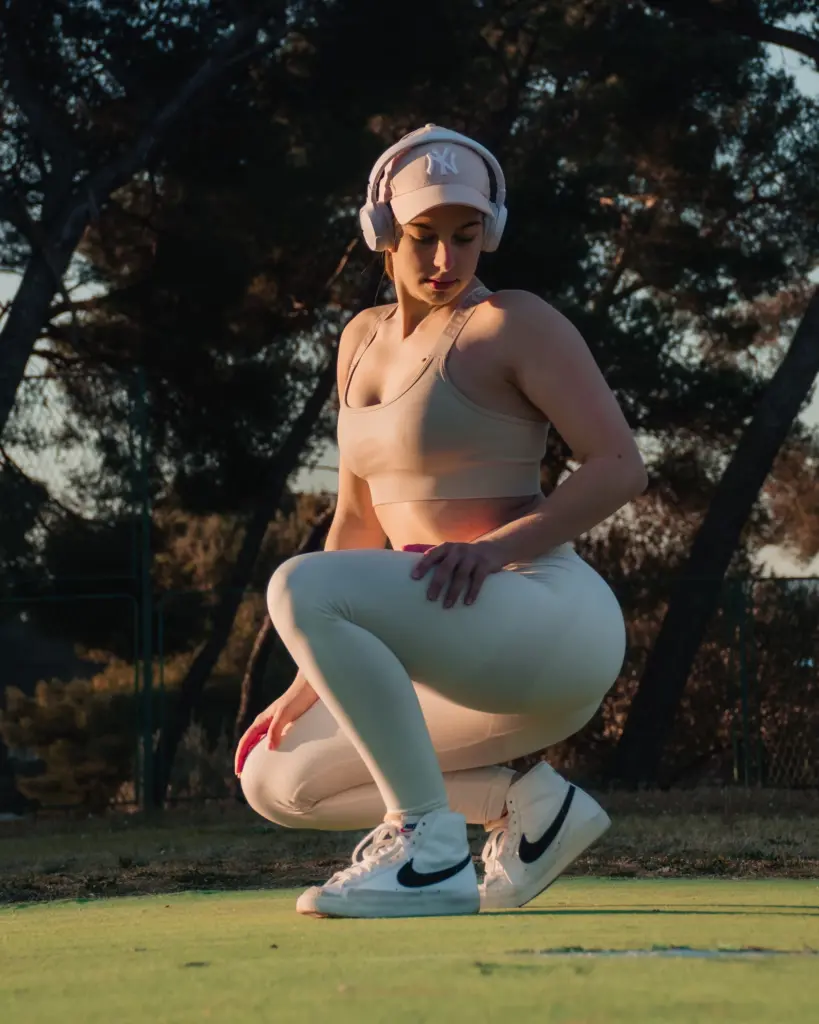
Fabric choice greatly affects leggings’ style and function. Leggings can use various materials. These include nylon, polyester, wool, nylon spandex, polyester spandex, cotton, and fleece. Each material has unique traits. They meet different needs and preferences.
Airiness is a key factor in choosing legging fabric. Materials like special moisture-wicking polyester keep comfort high. They pull sweat from the body. This suits tasks like yoga or running. Moisture control is vital here. Likewise, stretch and mobility matter for sportswear leggings. Spandex is often added to blends. It offers great flexibility and free movement.
Toughness and performance are also important. Synthetic blends like nylon spandex or polyester spandex provide good stretch. They wick moisture. They resist pilling and fading. These fabrics handle frequent use and washing. They keep their quality.
Thickness, transparency, and compression affect leggings’ function. Thicker fabrics give better coverage. They prevent see-through issues during movement. Compression fabrics improve blood flow. They support muscles during exercise.
The specific task or activity guides fabric choice. For cold-weather tasks, wool or fleece-lined options provide warmth. Workout leggings need materials that blend toughness with moisture-wicking traits.
Partner with Harvest SPF Textile Co., Ltd for Best Leggings Products
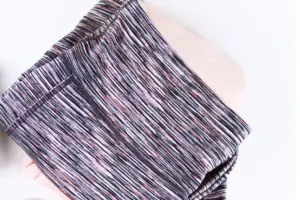
Harvest SPF Textile Co., Ltd is a leader in healthy and functional materials. Since 1993, they follow the idea “Dress for Health, Dress for Energy.” Harvest SPF Textile Co., Ltd focuses on innovation and research. They also handle global trade. The company has over 30 patents. They work in more than 60 countries. These include North America, South America, Europe, and Australia.
Harvest SPF Textile Co., Ltd offers many top-quality materials for leggings production. Their skills include green solutions. These use organic cotton blends and Merino wool mixes. Their products are known for lasting traits. They offer seamless design and light to high compression options. They provide airiness, temperature control, and toughness. They also have anti-odor features, softness, and coziness.
Harvest SPF Textile Co., Ltd offers low minimum order quantities for customization. They start at 300 pieces per style, color, and size for cut-and-trim designs. They provide tailored solutions for varied client needs. Their seamless knitting tech ensures high-quality finishes. They use Santoni machines for yarns.
Whether for online sellers or direct-to-consumer brands, partnering with Harvest SPF Textile Co., Ltd ensures top fabrics. They follow ethical sourcing. Their certifications include RWS, OEKOTEX®, WOOLMARK®, and Muselin-FREE™ labels.
FAQ
How do I care for leggings made of synthetic fabrics?
Leggings made of synthetic materials like nylon or polyester are simple to clean. Machine wash them in cold water. Use a gentle cycle. Avoid fabric softeners. They can harm moisture-wicking traits. Tumble dry on low heat. Or air-dry to keep quality over time.
How can I ensure that my leggings are not see-through?
To avoid see-through issues, choose fabrics with higher density. Opt for opaque materials like nylon-spandex blends or thicker cotton. Compression-style leggings from tough synthetic blends also help. They maintain coverage during movement.
What are the pros and cons of using nylon or polyester for leggings?
Nylon is light, airy, and quick-drying. It resists fading, shrinking, and wear.