Let’s be honest, breaking into the cycling jerseys market feels pretty overwhelming these days. Riders aren’t just looking for a colorful top anymore. They want gear that really works, feels good mile after mile, and yeah, makes them look fast. Nail the production process, and you’ve got a winner. Mess it up, and you’re stuck with a garage full of stuff nobody wants.
For clothing brands, whether you’re just starting out or you’ve been around, figuring out the manufacturing side means keeping a few key things in mind. It’s not simply about finding someone to make your design. It’s about partnering with a factory that gets what cyclists need. We’re talking about the nitty-gritty of fabric, the shape of the pattern, and all those little details that come together in the final product.
Core Performance Elements in Cycling Jersey Manufacturing
Before you even think about cutting fabric, you need to make some big decisions. These early choices will make or break the final cycling jerseys. They directly change how a rider feels on the bike.
- Fabric Selection: The Foundation of Performance
Picking the right fabric might be your most important call. It controls how sweat is handled, how long the jersey lasts, and the comfort level on the skin. We’re way past simple polyester these days. - Moisture-Wicking Polyester:This is still the go-to for good reason. New, advanced versions of this fabric are built to pull sweat from your skin to the outside. There it can dry fast. This keeps the cyclist dry and stops them from getting cold on the way down a hill.
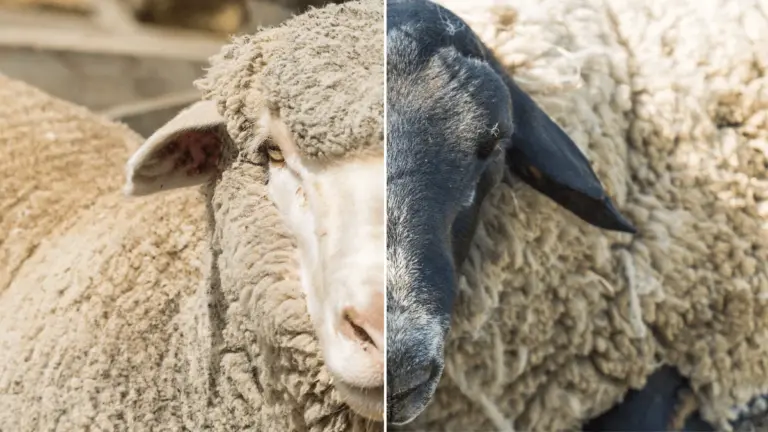
- Merino Wool Blends:If your brand is all about long adventures and tough rides, Merino wool is a smart pick. It manages temperature naturally and fights smells incredibly well. Mixing it with other fibers makes it stronger but keeps the good stuff.
- Nylon Reinforcement:To add life to spots that get a lot of wear, like the shoulders or pockets, a little nylon does the trick. It makes the jersey last much longer without feeling heavy.
A good factory will show you a bunch of fabric choices with clear details. They should help you pick the right one for your customers and your budget.
- The Critical Role of Fit and Pattern Making
A jersey that fits poorly ruins everything, even with the best fabric. The pattern is where the design meets the human body. Cycling means staying in a bent-over, aero position. The jersey has to be made for that. - Race vs. Club Fit: A race cut is tight, like a second skin. This cuts down on wind drag. A club or touring cut is looser and more easy-going. It’s all about comfort, not just speed.
- Anatomical Patterning: This means designing the jersey panels to match a rider’s hunched-over pose. You need longer sleeves and a longer back for coverage. The front needs to be shorter so it doesn’t bunch up. A pattern for a regular t-shirt won’t work here at all.
Advanced Design and Functional Features
Once the basics are locked in, the small details turn a good jersey into a great one. These are the parts the rider uses every time they wear it.
- Engineering the Perfect Collar and Cuffs
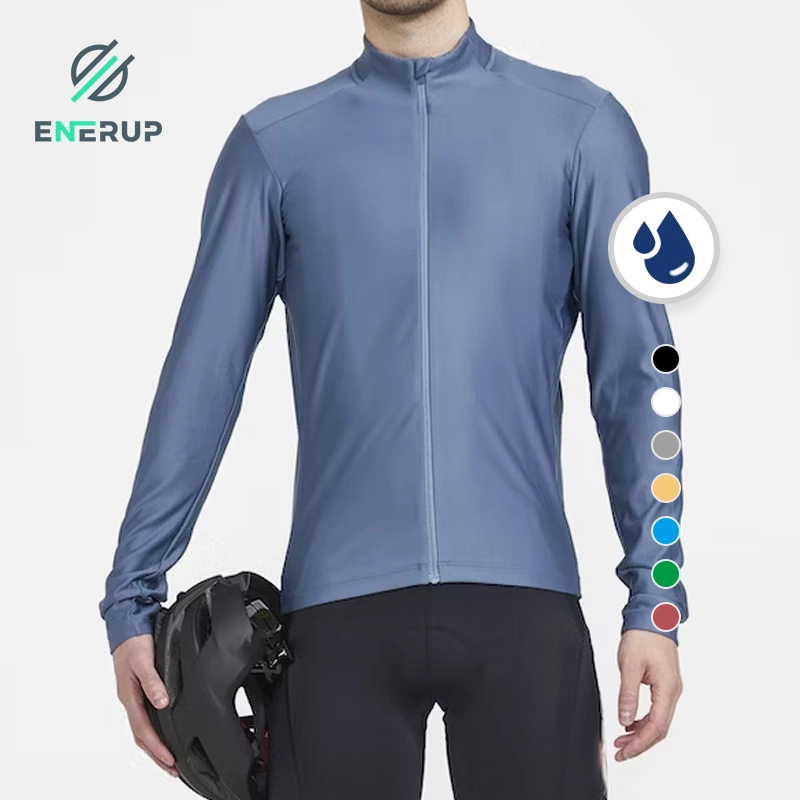
The spots where the jersey touches your neck and arms are super important for comfort. A cheap, rough collar is an instant no. - Collars should feel soft, have a bit of padding, and lie flat without rubbing. A quality YKK zipper that runs smooth is what the pros use. Look for a soft fabric piece at the top to protect your chin.
- Sleeve cuffs need to stay put without cutting in. Silicone gripper tape is what everyone expects now. It keeps sleeves in place without being too tight. The bottom hem needs the same thing to hold the jersey steady when riding hard.
The Workhorse: Designing Effective Pockets
Those back pockets are the cyclist’s trunk. Designing them is a balance of space, security, and easy access.
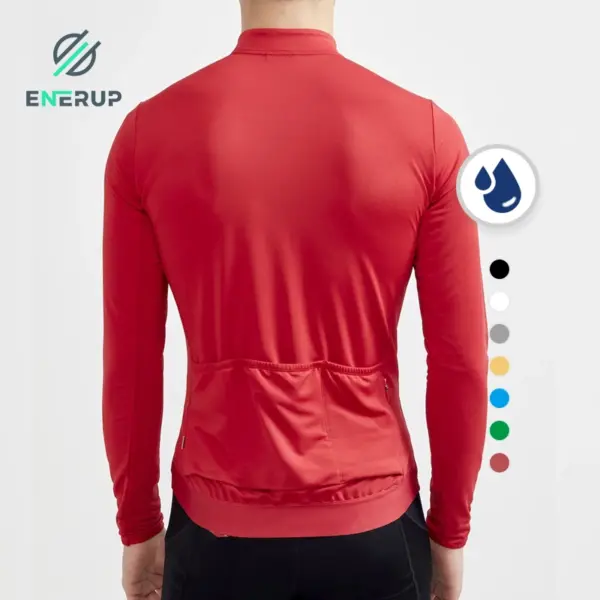
- You usually see three rear pockets. But how they’re made really matters. They must be deep enough to hold a phone safely. The stitching needs to be strong for gels, tools, and a jacket.
- An extra zipper pocket, inside a main one or on the side, is a feature people really love. It’s perfect for keys, money, or a card.
- For brands wanting to stand out, trying a fourth pocket across the upper back is a cool idea. The pro teams use it for an extra layer or arm warmers.
Navigating the Production Partnership
Picking the right company to make your gear is as big a deal as the design. This relationship affects your quality, your schedule, and your brand’s good name.
The Importance of a Comprehensive Tech Pack
You can’t get mad at a factory for missing the target if you didn’t give them a clear one. A detailed tech pack is your best tool for explaining your vision. It needs to have:
- Flat drawings of the jersey from every side.
- A full list of every single part, from the main cloth to the thread and grippers.
- The exact type of stitch for different seams.
- Very specific measurements for each size.
- Clear artwork files and instructions for any logos.
- The Sampling Process: Getting it Right Before Production
Do not ever try to skip the sample steps. This is where you check the quality. - Prototype Sample:This is the very first real version. You use it to check the pattern and basic design. You see how it fits on a standard model.
- Fit Sample:This version includes the changes from the first sample. It’s key for finalizing the pattern shape.
- Pre-Production (PP) Sample:This sample is made from the actual fabrics and parts from the factory line. It shows you what your big order will be. You must say yes to this before the factory makes all your jerseys.
If a maker tries to rush you through this, see it as a big warning sign.
Harvest SPF Textile Co., Ltd: A Specialist in Technical Apparel
For brands looking for a maker who knows performance wear, Harvest SPF Textile Co., Ltd is a name that comes up. They’ve been in the textile business for more than ten years. They’re known for making technical gear for the outdoors and sports. Their know-how includes cycling jerseys, where they use their skills with smart fabrics and careful construction. They work with brands to handle the tricky parts of production. This includes picking materials and making sure the final stitching is right. The goal is to deliver jerseys that hit the needed performance and quality marks.
Conclusion
Making a line of cycling jerseys that sells is a tricky process. It mixes fabric science, body-aware design, and exact building. You have to be careful about every little thing. This means the tiny fibers in the yarn and the final stitch on the gripper elastic. Focus on high-tech fabrics, spend time on smart patterns, and team up with a maker who knows sportswear. Do this, and your clothing brand can create jerseys that don’t just meet what cyclists want today, but go beyond it. When the market is packed, doing things better than everyone else is your best weapon.
FAQs
Q1: How long does it take to make a batch of custom cycling jerseys?
A: It depends on the order’s complexity and the factory’s schedule. Usually, from approving the design plan to shipping the boxes, it takes about 60 to 90 days. This covers making test pieces, tweaking them, getting the cloth, and doing the big production run.
Q2: Why does the weight of fabric matter for cycling jerseys?
A: Fabric weight, measured in GSM, shows when a jersey works best. Light jerseys are great for hot days and tough rides. They let air flow easy. Medium-weight ones are good all-around picks. They’re a bit stronger and handle changing weather well.
Q3: What’s a typical minimum order for custom cycling jerseys?
A: Each factory sets its own rules. For a fresh design with special cloth and logos, most ask for 300 to 500 jerseys per style. Some might take smaller orders for simple designs, but each jersey costs more.
Q4: How to pick between full-zip and half-zip for cycling jerseys?
A: It hinges on the riding style aimed for. Full-zip jerseys give the most air flow—riders can open them wide on steep climbs or hot days. They’re also easy to slip on and off. Half-zip ones look sleeker and more streamlined, which some riders like, but they offer less air control. For a first batch, full-zip is often the smarter pick since it suits more cyclists.
Q5: What’s the difference between screen printing and sublimation for cycling jerseys?
A: Screen printing puts ink on top of the cloth. This can make it less breathable and a bit stiff. It’s good for simple logos with few colors. Sublimation dyes the cloth fibers before the jersey’s built. This allows endless colors and fancy designs without hurting the cloth’s sweat-wicking ability or adding weight. For high-tech cycling jerseys with detailed art, sublimation is the top choice.