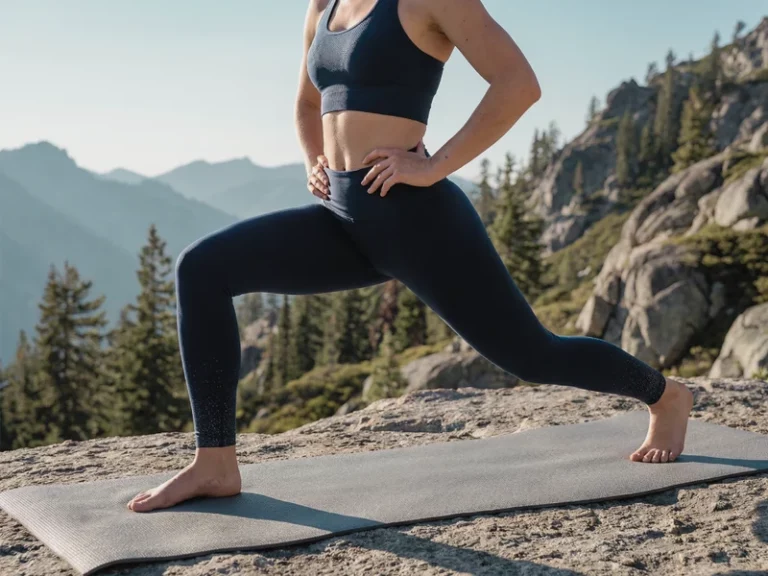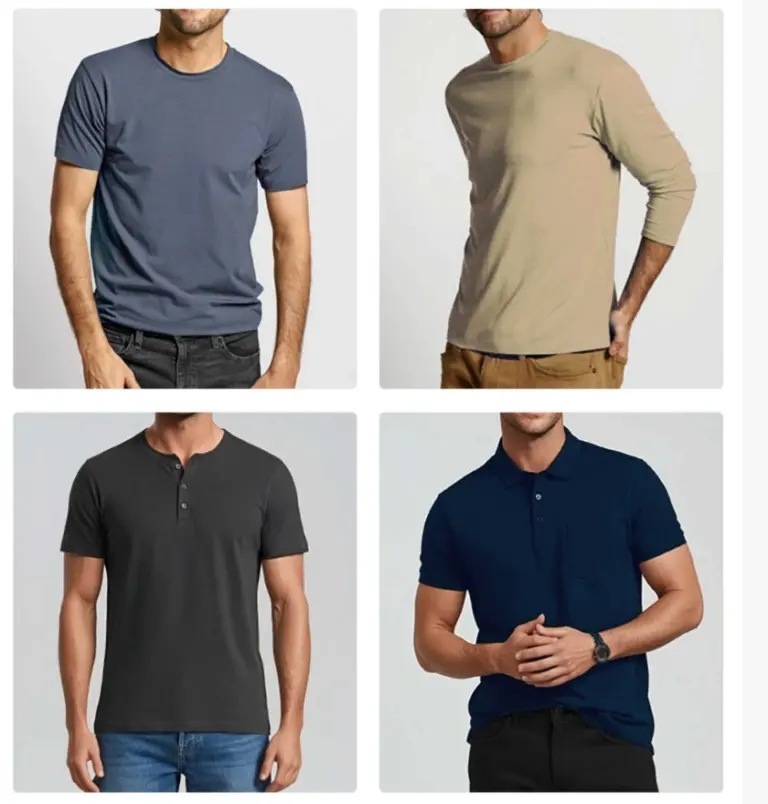

Ever been out running and felt that sting in your eyes? Yup, that’s sunscreen mixing with sweat, dripping down your face. You put it on before you left, but now it’s pretty much gone. Sweated away. It’s not just a pain—it’s a sign that sunscreen alone isn’t enough for hardcore outdoor workouts. The real champ? Your sportswear. The right workout clothes with sun protection keep you covered without needing to reapply. They don’t wash off or get forgotten, no matter how long you’re out there training.
Making sportswear that stops UV rays is like a science project. Companies like Harvest SPF Textile Co., Ltd. are super good at it. They’ve spent years figuring out how to make fabrics that block harmful rays but still let you stay cool during sweaty workouts. They nail the weave, pick the best fibers, and toss in special treatments to keep you comfy while blocking the sun. Curious? Their website spills all the details on how they make this awesome sportswear.
What Exactly Is UPF and How Does It Work?
So, what’s this UPF thing? It’s Ultraviolet Protection Factor, kinda like SPF but for clothes. Here’s the scoop: SPF only stops UVB rays (the ones that burn your skin). UPF blocks both UVB and UVA rays (the ones that can mess with your skin down the road).
The numbers break it down. UPF 50 means just 2% of UV rays get through to your skin. That’s way better than sunscreen, which can rub off on your towel, sweat away, or just stop working. UPF sportswear keeps going strong your whole workout. Running miles? Playing tennis for hours? It’s got you covered the whole time.
Why Doesn’t Regular Athletic Wear Provide Enough Protection?
Think about that soft cotton t-shirt you love for workouts. Feels great, right? But it’s not helping much against the sun. A plain white cotton shirt only has UPF 5-7 when it’s dry. Get it sweaty? It’s even worse. Over 20% of UV rays sneak right through.
It’s not just cotton. Lots of workout clothes have loose weaves that let sunlight slip in. Light colors aren’t as good as dark ones for blocking rays. Plus, when you stretch or move, the fabric gets thinner and lets more light in. That’s why real UPF sportswear uses tight weaves, special fabrics, and sometimes cool dyes to build a solid sun shield.
What Features Make Sportswear Effective Against UV Rays?
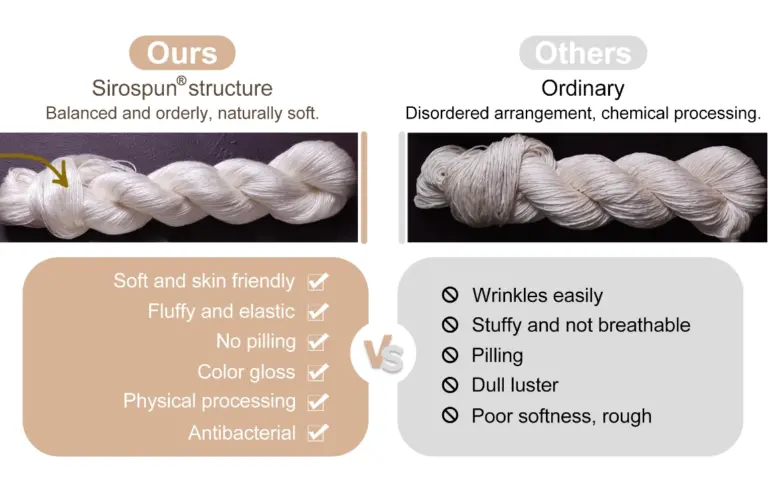
So, what makes sportswear awesome at blocking the sun? A few things really matter. First, how the fabric’s made is key. Tight weaves always beat loose knits. The material counts too—polyester and nylon block more UV than cotton or rayon.
Color makes a difference. Darker shades usually protect better. Some companies mix in tiny bits that bounce UV rays away from your skin. The design’s a big help too—long sleeves, high necklines, and fun stuff like thumb holes give you extra coverage where it counts.
How Should You Choose UPF Gear for Different Sports?
Pick your UPF sportswear based on what you’re up to. Runners and cyclists need light, airy fabrics with UPF 30-50. Arm sleeves are super cool—they give you long-sleeve protection without extra weight. Cycling jerseys with longer backs keep your lower back safe when you’re leaning forward.
Water sports need gear that works wet. Grab quick-dry synthetics made for water. Rash guards should fit snug but not so tight they stretch thin. Hikers, look for stuff with hoods, neck coverage, and neat tricks like mesh panels or underarm zippers to stay cool.
What’s the Best Way to Combine Clothing and Sunscreen?
Even with top-notch UPF sportswear, don’t ditch the sunscreen completely. Think of it this way: your clothes have the main areas covered consistently, while sunscreen acts as your detail crew for those easy-to-miss spots. Seriously, how many times have you forgotten the backs of your hands? Or your ears? That little part in your hair always seems to get crispy by day’s end. And don’t even get me started on foot tops – they might be out of sight during your workout, but you’ll definitely feel that burn later.
How Do You Maintain Your UPF Sportswear’s Effectiveness?
Taking care of your UPF sportswear keeps it working for ages. Always peek at the care label. Most of the time, you wash it in cold water with gentle soap. Skip bleach and fabric softeners—they can wreck the fibers and sun-blocking stuff.
Air drying is the way to go to keep it in great shape. If you use a dryer, go for the lowest heat. Over time, UPF gear wears out. Check for thin spots, fading, or stretched-out parts. If you can see light through it, it’s time for new sportswear.
FAQ
Q1: Will wearing UPF clothing prevent me from getting enough vitamin D? A: Nah. You’ll get plenty of vitamin D from your face and hands. Too much sun is a bigger problem—it can really hurt your skin way more than a vitamin D shortage.
Q2: Aren’t UPF clothes hotter than regular workout clothes? A: Nope, not really. Good UPF sportswear is made to breathe. It can feel cooler than the sun blasting your bare skin. Lots have sweat-wicking and air-flow tricks for athletes.
Q3: How long does the UPF protection actually last? A: With proper care, UPF sportswear keeps its rating for the clothes’ normal life. It fades a bit with washing and wear, especially if the fabric gets thin or stretched.
Q4: Do I need special detergent for UPF clothing? A: Regular gentle soap works fine. Just don’t use bleach or fabric softeners—they can mess with the sun-blocking powers over time.
Q5: Do dark UPF colors make you hotter in direct sun? A: Dark colors soak up more light, but good UPF sportswear handles heat well, whatever the color. The extra sun protection from darker shades is usually worth it.