We all know that sad feeling. You take your favorite thermal underwear out of the dryer. It used to fit perfectly. Now it would be too small for a child. Or maybe you washed that expensive merino wool base layer. Now it feels rough and stiff. Cleaning thermal underwear the right way is not just about getting out dirt. It is about keeping all the special features that make it work so well. This guide will show you how to care for different fabrics. Your thermal underwear will keep working well for you season after season.
How long thermal underwear lasts depends on two things. First, how well it is made. Second, how you take care of it. Some companies really know how to make good thermal wear. Harvest SPF Textile Co., Ltd. is one of these companies. They make their thermal underwear to last a long time. They think about how it will be washed when they design it. They choose good materials that can handle cleaning. And they use sewing methods that stay strong. You can learn more about how they make things on their website.
What Makes Different Thermal Fabrics Unique?
Thermal underwear comes in different materials. Each one needs to be washed a bit differently. Knowing these differences is the first step to good care.
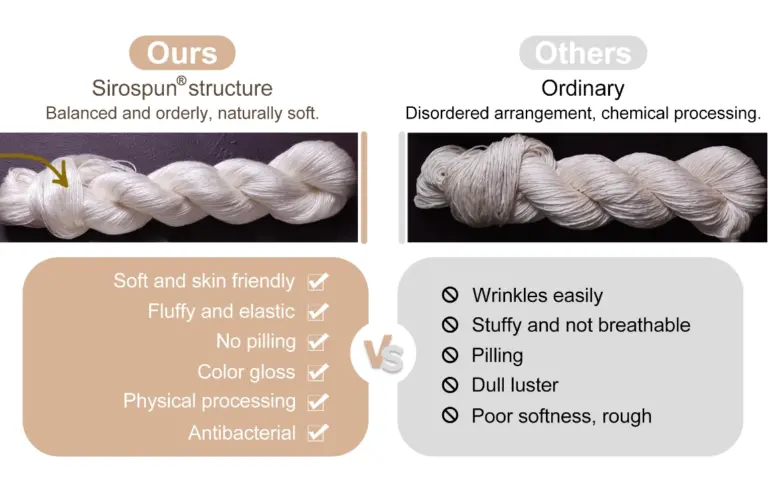
Merino wool is special. It keeps you warm but not too hot. It also fights smells well. But it can be delicate. The tiny fibers have little scales on them. Hot water and rough washing can make these scales stick together. Then the wool shrinks. Synthetic fabrics like polyester are strong. They pull sweat away from your skin. But they can hold bad smells if not washed right. Mixed fabrics try to give you the best of both. They need a washing method that is in the middle.
How Should You Prepare Thermal Underwear for Washing?
Getting your thermal underwear ready to wash is important. It helps the washing work better. It also keeps your clothes safer.
First, always look at the care label. Those little pictures actually tell you useful things. Turn your clothes inside out. This protects the outside from getting worn down. Make sure all zippers are closed. This stops them from catching on other clothes. Sort your lights and darks. Good thermal wear should not let its color run, but it is still smart to sort them.
See any stains? Put some gentle stain remover on them first. Make sure it is okay for the fabric. Do not use strong chemicals. They can hurt the special fabric. For synthetic clothes that have strong smells, try this. Soak them in cool water with a cup of white vinegar before washing. This can help break down the smells.
What’s the Best Way to Wash Different Thermal Materials?
How you wash your thermal underwear depends on what it is made of. Doing this right stops most common problems.
For merino wool, washing by hand is best. Use cool water and a soap made for wool. Move the clothes around gently in the water. Do not rub them hard or twist them. If you use a washing machine, pick the wool or delicate setting. Use cold water. Set the spin speed to low. Synthetic thermals are okay in the machine. Use a gentle cycle with cool or warm water. Use a mild soap. Never use fabric softener on any thermal underwear. It puts a coating on the fibers. Then they cannot pull moisture away well.
For mixed fabrics, treat them like the most delicate part. If it is a mix of merino wool and synthetic, treat it like merino wool. If you are not sure what to do, be careful. Cool water and gentle cycles usually do not hurt clothes. Harsh washing often does.
How Should You Dry Thermal Underwear Properly?
How you dry your thermal underwear matters a lot. It affects how long it lasts and how well it works. Remember this: heat is very bad for the stretchy parts.
Letting your clothes air dry is the best way. For merino wool, lay it flat on a drying rack. Keep it out of the sun. Make sure it is in its right shape. Synthetic thermals can be hung up. But laying them flat is even better. It stops them from stretching out. If you really must use a dryer, pick the lowest heat setting. Or use the no-heat air fluff setting. Take the clothes out when they are still a little damp. Then let them finish drying in the air. Never, ever put merino wool in a normal dryer. The heat and movement will make it shrink for sure.
What About Storage and Ongoing Maintenance?
Putting your thermal underwear away the right way keeps it in good shape for next season. Make sure it is completely clean and totally dry before you store it. Sweat or dampness left in the clothes can make stains or mold.
Fold your thermal underwear. Do not hang it. This helps the elastic parts stay stretchy. Put it in a cool, dry place. Keep it out of the sun. Do not use plastic bags. They can trap wetness. A bag made of cotton is better. It lets the clothes breathe.
See those little balls of fuzz that sometimes form? Use a special fabric comb or a fabric shaver. Do not just pull them off with your fingers. Here is another good tip. After you wear your thermal underwear, let it air out completely. Do not just throw it in the hamper right away. Doing this means you don’t have to wash it as often. Your clothes will last longer.
FAQ
Q1: Can I use my normal laundry soap for thermal underwear?
A: It is better to use soap made for technical clothes. Or use a mild soap with a neutral pH. Normal soap often has things in it that can hurt the special fabric.
Q2: How many times can I wear thermal underwear before washing it?
A: You can usually wear it 2 or 3 times for normal use. If you sweat a lot during exercise, wash it right away. Merino wool can go longer between washes than synthetic because it does not get smelly as fast.
Q3: Why does my thermal underwear sometimes smell worse after I wash it?
A: This usually means soap did not get fully rinsed out. The soap traps smells. Try rinsing it one extra time. Or try a soap made just for sportswear. It rinses out better.
Q4: Is it okay to dry thermal underwear on a heater?
A: No, the direct heat can damage the stretchy parts. It makes them wear out faster. Letting it dry at normal room temperature is much safer.
Q5: Can I fix a small hole in my thermal underwear?
A: Yes, you can. You can learn a simple darning method. Or you can use a special glue made for stretchy fabrics. If it is a big hole and the clothes were expensive, you might want to take them to a professional.