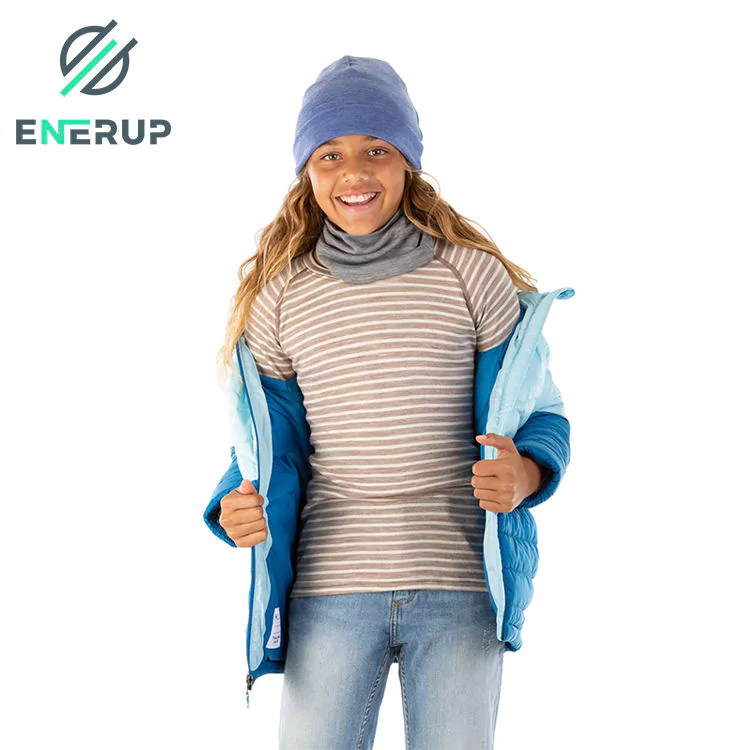
Imagine packing for a weekend hike and grabbing a synthetic shirt for the pack. It works decently, keeps one somewhat warm. But after a sweaty day, it smells awful. Plus, it’s made from old oil, like fossil leftovers. Odd, isn’t it? Gear is bought to enjoy nature, yet most comes from smoky factories. This sparks curiosity about merino wool baselayers. At first, they might seem like old-timey sweater material. That’s far from true. This fabric feels like something from the future, though it’s been around forever. It keeps one warm in cold, cool in heat. Best of all, it can be worn for days without bothering hiking partners. Beyond these perks, there’s a bigger story about caring for the planet.
Some might think, “Another costly ‘green’ product.” But hold on. The merino wool story is quite neat when explored. Companies like Harvest SPF Textile Co, Ltd are doing impressive work with this material. Their website showcases their efforts.
How Does Merino Wool Complete the Natural Lifecycle?
Here’s what makes merino wool baselayers stand out. They’re like sun-powered clothes. Sheep eat grass, soak up sunlight, and grow this amazing fiber. It’s nature’s own clothing shop, producing goods year after year.
What Makes It a Truly Renewable Resource?
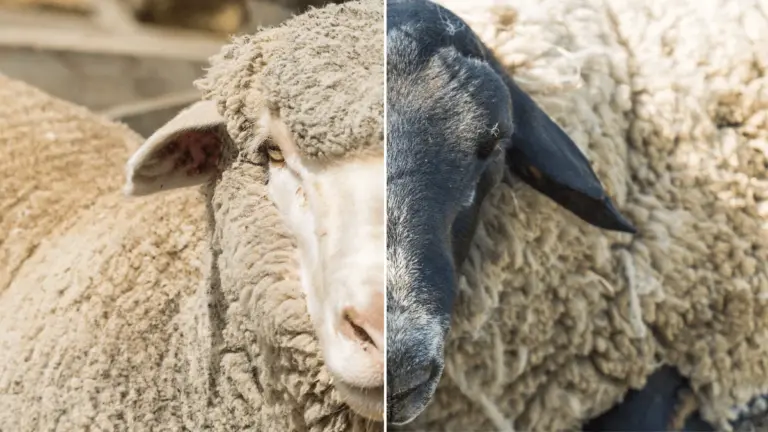
Here’s the simple breakdown. Polyester and synthetic fabrics start with drilling oil from the earth. That oil gets mixed with chemicals to make cloth. But merino wool? It begins with sheep grazing in fields. They get sheared yearly, which keeps them comfy. Then they grow a new coat. This clean cycle has worked for ages without relying on oil.
A New Zealand farmer once shared a vivid image. Every morning, fields show sheep making clothing material from sun and rain. Meanwhile, a nearby synthetic fabric plant needs constant oil deliveries to run. It’s thought-provoking.
What Happens at the End of Its Life?
Consider what happens when a favorite shirt wears out. With merino wool baselayers, it returns to the earth. An old merino shirt was composted, and in six months, it became dirt. But a synthetic top, ditched three years ago? It’s still in a landfill. Every wash, it shed tiny plastics into rivers.
A worker at a water-cleaning plant noted microplastics are everywhere now. They come from synthetic clothes and are hard to filter out. Wool, though? It breaks down into soil nutrients. No lasting junk, no microplastics—just helpful stuff for the ground.
What Is the Real Environmental Footprint?
Merino wool isn’t flawless. Nothing is. But the full picture is intriguing. Let’s address some common concerns.
Is the Water Usage Argument Misleading?
Sheep need water, sure. But most of it is just rain on pastures. It’s not like wasting tap water. Compare that to cotton, a super thirsty crop. It takes tons of water—think bathtubs full—for one cotton shirt.
Merino wool has its issues, no doubt. But water use isn’t the big villain some claim. In places like New Zealand, where much merino comes from, rain falls plenty. Sheep drink from nature’s supply.
How Does Grazing Fit into the Carbon Equation?
Sheep burps produce methane, which isn’t great for the planet. But smart grazing can help soil trap carbon. A Tasmania farm using rotational grazing showed dark, rich dirt packed with carbon-storing material. It’s not a complete fix. But it shows wool can aid the climate when managed well, not just add to problems.
Why Does Animal Welfare and Ethics Matter?
Sustainability isn’t only about the environment. It’s about treating all creatures fairly. The wool industry has faced challenges here, but progress is notable.
What Is the Truth About Mulesing and Welfare?
Mulesing is a tough topic. It involves cutting skin from sheep’s backs to prevent flystrike, a nasty bug issue. The process is harsh, but flystrike is worse.
Good news exists. Many farmers now raise sheep that don’t need mulesing due to smoother skin. When shopping for merino wool baselayers, choose brands open about their sources. Top ones proudly use non-mulesed wool.
How Does Your Choice Support People?
The wool industry supports rural towns. A Patagonia family, raising merino sheep for five generations, ties their life, culture, and community to wool. Choosing quality merino from fair-dealing companies helps these folks. It’s not just buying clothes—it’s supporting real people and their families.
How Can You Make a Truly Informed Choice?
Convinced about merino wool baselayers? Here’s how to get the good stuff. It’s simpler than it seems.
What Should You Look for on the Label?
Certifications are key. Look for Responsible Wool Standard (RWS) or ZQ Merino marks. These aren’t just logos. They mean the wool comes from farms that treat sheep well and care for the land.
Avoid vague terms like “natural” or “green” without proof. Brands doing right will share their certifications and supply chain details.
Why Is Durability the Most Overlooked Sustainable Feature?
Here’s a top tip for green style: the best piece is one already owned. A merino wool baselayer has lasted seven seasons of hikes, camps, and rough use. It’s still going strong.
Merino fibers are tough. They can bend 30,000 times before breaking. Compare that to cotton or cheap synthetics that lump up fast. Caring for wool is easy. Wash in cold water, air dry. No fancy cleaners needed.
For merino wool baselayers built to last, explore options designed for the long haul. Buying quality that sticks around is one of the greenest choices.
Choosing merino wool isn’t about perfection. It’s about smarter picks when possible. It’s about supporting systems that work with nature, not against it. It’s about gear that feels great, works well, and doesn’t harm the planet loved for exploring.
FAQ
Q1: Is Merino wool really warmer than synthetic fabrics?
A: It’s different, not always warmer. Merino’s trick is keeping one comfy in cold or heat. Unlike synthetics that trap heat, merino adjusts to the body and activity.
Q2: Can Merino wool be considered vegan?
A: No, it’s from animals, so it’s not vegan. Synthetic options exist for vegans, but they lack wool’s natural perks.
Q3: How does the price of ethical Merino wool compare to conventional wool?
A: Ethical wool costs more. Fair farming practices raise costs. It covers better sheep care, land management, and fair worker pay.
Q4: Is recycled polyester not a better sustainable choice than wool?
A: Recycled polyester helps with plastic waste. But it sheds microplastics and isn’t biodegradable. Both have a place, depending on what green aspects matter most.
Q5: How can you tell if a brand is genuinely ethical or just using “greenwashing” tactics?
A: Check for real certifications, not vague claims. Ethical brands share their wool sources and production details. If they can’t say where it’s from, that’s a warning.