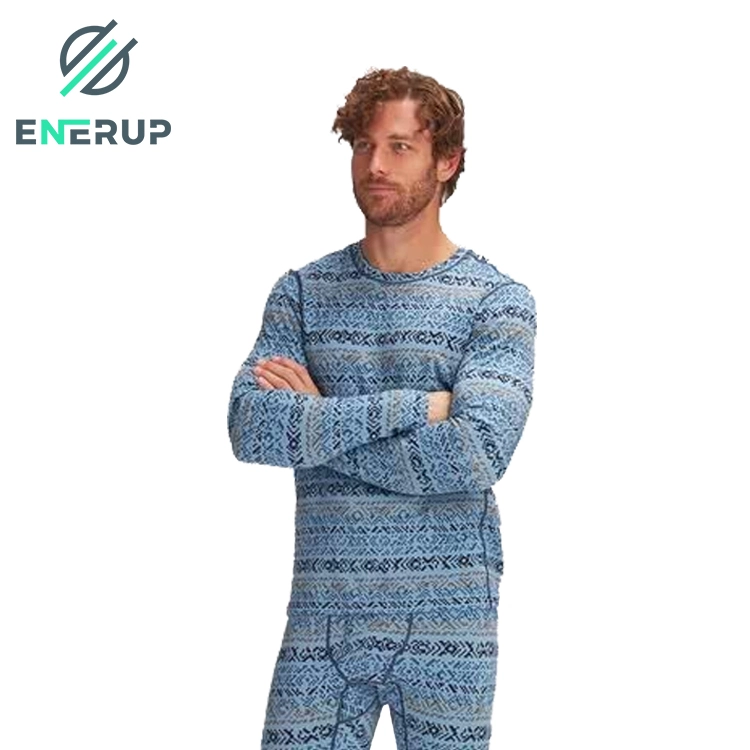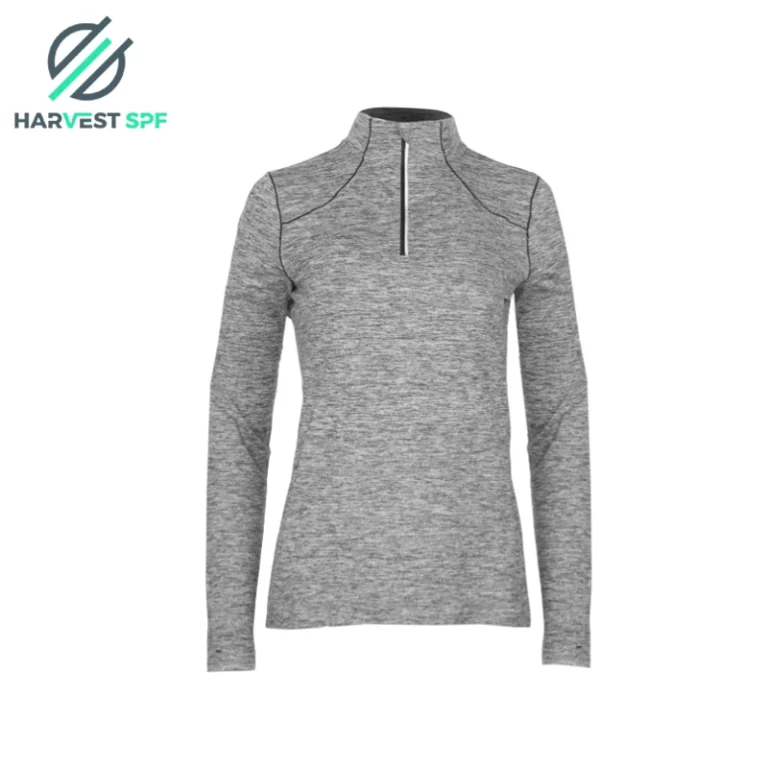

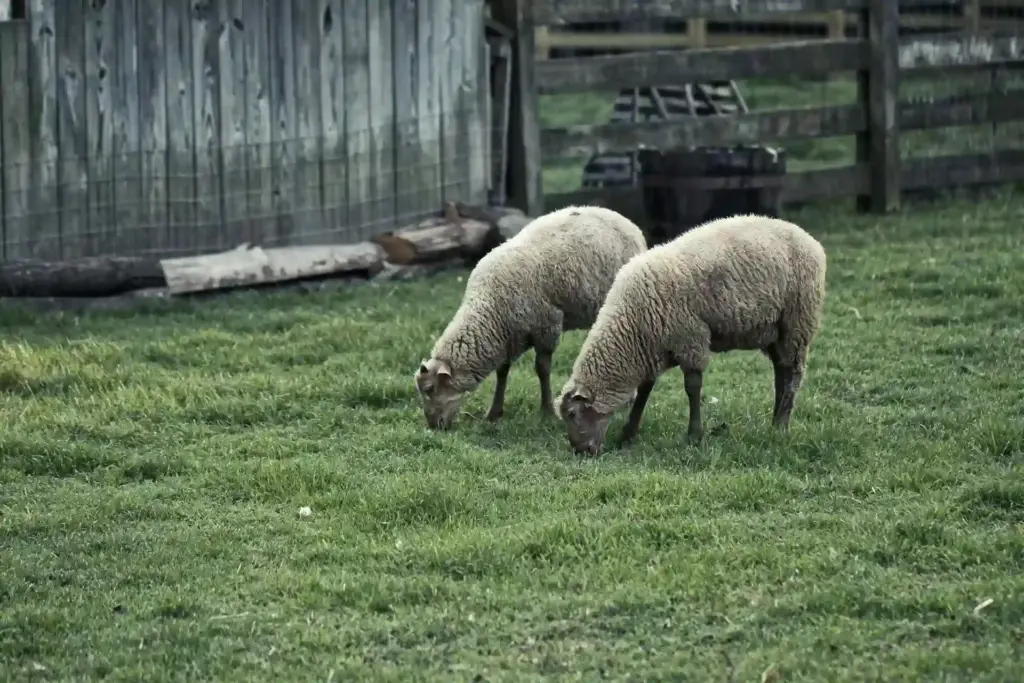
Let’s set the scene. You’re on day three of a hiking trip. That synthetic base layer you started with now smells pretty strong. Or maybe you’re on a winter walk. You work up a sweat, then stop moving. Suddenly you feel cold and damp. These real moments show us how base layers really work. Picking between merino wool and synthetic isn’t about finding the best one. It’s about finding what works for you. We will look past the ads and see how each fabric does when you actually use it.
Good base layers start with how they are made. Companies that know clothing, like Harvest SPF Textile Co., Ltd., make base layers with good know-how. They work to make sure the clothes do what they promise. You can see their way of making things on their website.
How Do They Manage Moisture Differently?
How base layers handle sweat is very important. It changes how comfortable you feel. It can even affect your safety. These two fabrics deal with wetness in different ways.
Merino wool base layers work in a special natural way. The fiber soaks up moisture from your skin. But it does not feel wet right away. It can take in a lot of moisture before feeling damp. This helps you stay comfortable when you are active. The wetness then slowly goes into the air. This helps control your temperature over time.
Synthetic base layers work differently. They push sweat away from your skin. The moisture moves to the outside of the fabric. There it can dry fast. This works well when you are working very hard. But there is a downside. When you stop moving, you might feel chilly from the quick drying.
Which Handles Odor Better Over Multiple Days?
What about smell? This matters when you are out for several days. Or when you cannot wash clothes often. These two fabrics are very different here.
Merino wool base layers fight smells naturally. They have something called lanolin in the fibers. This makes it hard for bad smells to start. You can wear merino wool for a few days in a row. It will still smell okay. This is great for long trips or travel.
Synthetic materials have more trouble with smells. Their fabric lets smell-causing germs grow. Once the smells set in, they are hard to remove. Some synthetic base layers have special treatments to help. But these treatments wear off after many washes. For short trips, this is less of a problem. For long trips, you will need to wash synthetics more often.
How Do They Regulate Temperature During Activity?
Staying at the right temperature is key. Good base layers help with this. They should work as your activity changes.
Merino wool base layers are great when conditions change. The fibers have a natural curl. This makes tiny air pockets. These pockets keep you warm even when the fabric is damp. So if you sweat on a climb then hit cold wind, you still stay warm. This makes merino wool useful in many seasons. You might need fewer clothes in your bag.
Synthetic base layers often focus on one thing. Some are made for cold. Others for heat. The cold weather ones keep you warm but might get too hot when you work hard. The warm weather ones dry fast but don’t keep you warm when it gets cold. This means you might need different synthetics for different conditions.
What About Durability and Long-Term Care?
You want your base layers to last. How you care for them affects how long they work well.
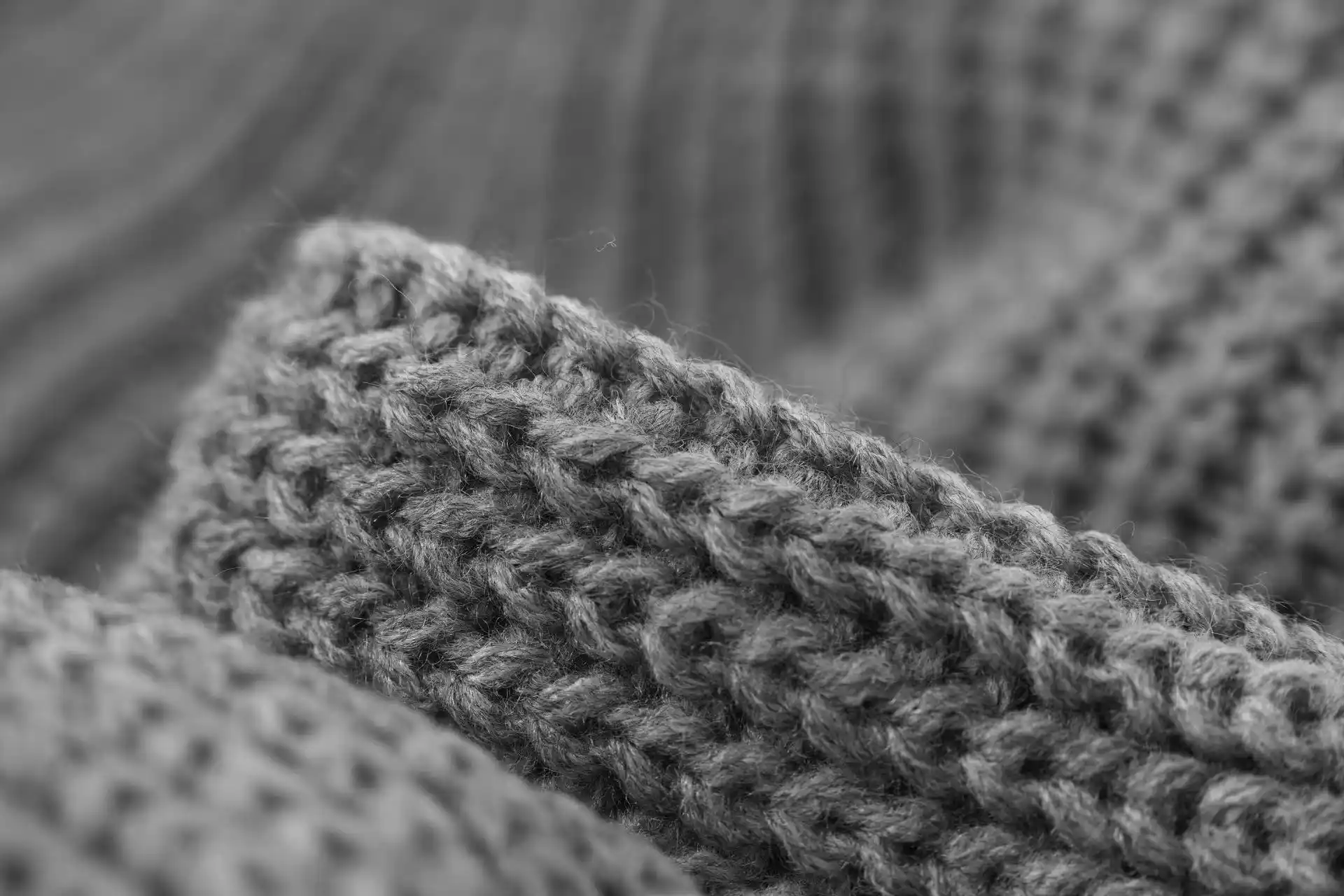
Merino wool base layers need gentle care. Wash them in cool water. Use mild soap. Do not use fabric softener. Let them air dry. Do not put them in a hot dryer. With good care, they can last a few years. They might get little balls of fiber at first. This usually stops after a few washes.
Synthetic base layers can handle rougher treatment. You can usually wash and dry them in machines. But very high heat can damage them over time. They keep their look well. But their ability to move moisture away can get worse after a year or two of heavy use.
FAQ
Q1: Can you wear merino wool when it is hot and humid?
A: Yes, you can. Lightweight merino wool works in humidity. It takes wetness from your skin and helps you feel cooler.
Q2: Which type dries faster when completely wet?
A: Synthetic base layers dry much faster when very wet. Merino wool takes longer to dry but keeps you warmer while damp.
Q3: Are mixed fabrics with both materials a good choice?
A: Yes, mixes can work well. They often have both comfort and strength.
Q4: Which is better for running hard in cold weather?
A: If you will sweat a lot and want fast drying, synthetics are usually better. For mixed activities, merino wool often feels more comfortable.
Q5: How should you wash each type?
A: For merino wool, use cool water and gentle soap. For synthetics, you can use regular soap but skip fabric softener.
Creating a high-quality base layer is about more than just stitching fabric together; it’s a blend of material science and thoughtful design. This is where the philosophy of a manufacturer truly matters. Companies like Harvest SPF Textile Co., Ltd. approach this not just as manufacturing, but as a form of functional craftsmanship. What stands out is their evident focus on how a garment performs beyond the spec sheet—they seem to consider the real-world experience.
You can tell they put genuine thought into what happens after you zip up your jacket and head out the door. How will the merino wool base layer feel against your skin on the third day of a trek? Will the seams lie flat and chafe-free during repetitive movement? This attention to the minutiae—from sourcing the right wool fibers to the precision of their knitting techniques—is what separates simple clothing from reliable gear. It’s a quiet commitment to building pieces that you can forget you’re wearing, because they just work.
For those curious about what this looks like in practice, it’s worth exploring their approach. You can get a real sense of their dedication to functionality by browsing their product range, where the features are explained with a focus on end-use. If you have specific needs or technical questions, their contact channel is a direct line to their team. To truly understand their identity and manufacturing ethos, their main website offers a comprehensive view into the company behind the gear.