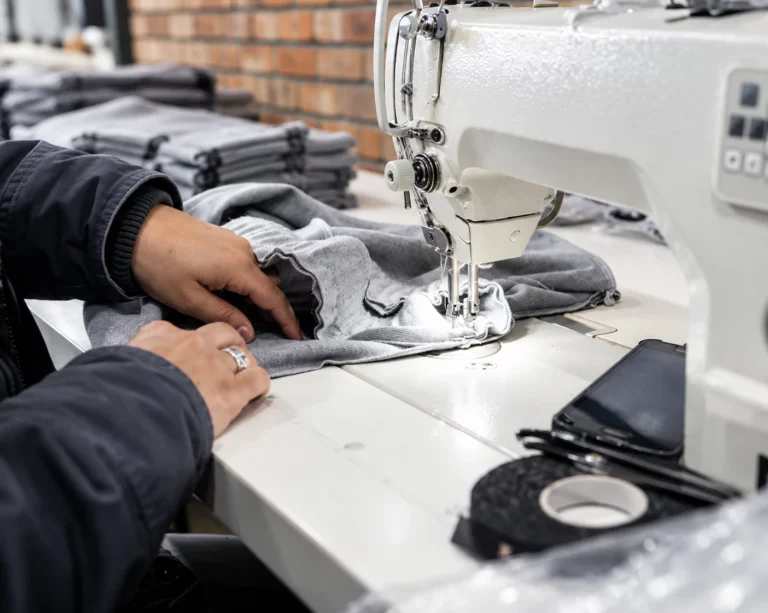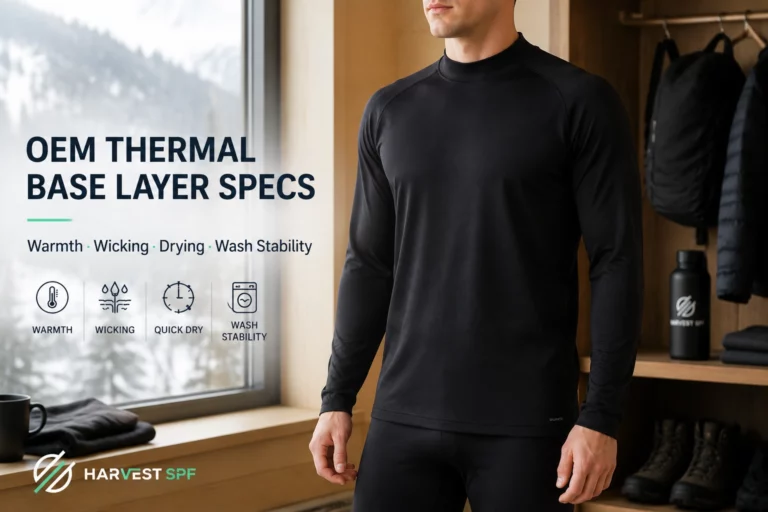

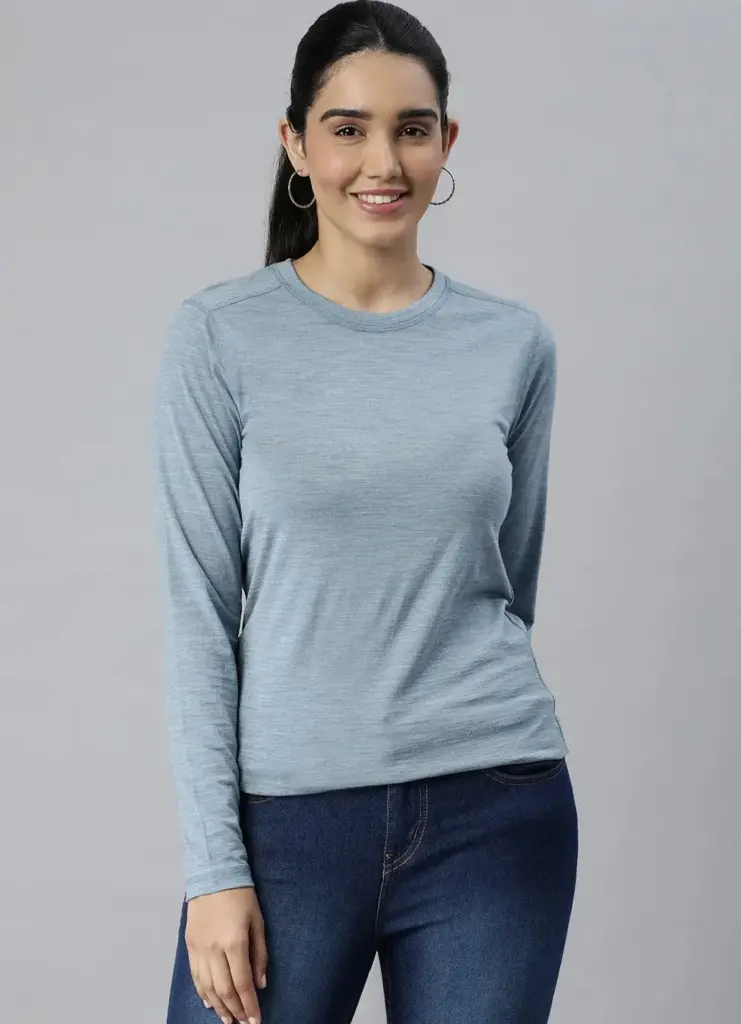
Polyester remains one of the most common synthetic fabrics in modern clothing, especially for practical, high-performance lines. Founded in 1993, Harvest SPF stands out in creating new functional textiles. These polyester and polyester blend with nature materials like merino wool, bamboo and Tencle for men and women’s long johns and thermal base layers.. With over 30 patents, strong emphasis on R&D, and certifications such as OEKO-TEX Standard 100 and GRS for recycled polyester (rPET), this manufacturer supplies top-quality fabrics. They focus on warmth, moisture control, strength, and environmental care for winter and activewear uses around the world.
Introduction to Polyester
People often ask if polyester really keeps warmth in winter. This comes up when picking clothes for cold weather or daily wear. As a leading material in the worldwide textile field, polyester has steady traits from its man-made roots. This review looks into its ability to hold heat, how it works in cold settings, and its fit for winter clothes. It builds on its build strengths and real uses.
What is Polyester?
Polyester comes as a man-made polymer made from oil-based chemicals through complex steps of linking and pushing into fibers. This designed fabric gives exact control over features like toughness, stretch, and protection against outside effects. It sets it apart from natural fibers in many useful ways.
The Advantages of Polyester
Polyester has many strong points that make it popular. These include great resistance to wear and high heat, light weight, little need for care, fast drying, and long life. Such qualities make it a perfect starting point for clothes that need dependability in different situations, from regular use to tough outdoor tasks.
Polyester Fabric and Heat
Polyester deals with heat by catching air inside its fiber setup. This builds fair insulation and holds body warmth well. Next to very airy natural fabrics, polyester shows less passage for air and water vapor. And this helps keep heat during cold times. It becomes helpful for still or low-movement cases in winter.
Yet, its low soaking means sweat dries slow when close to skin. This can cause a damp feel during hard work. Better finishes, like fabric structure, moisture wicking process or soft insides in fleece types, improve how it works.
How Harvest SPF Makes Polyester Excellent in Thermal Baselayers
Engineered fiber cross-sections for warmth + moisture transfer: Instead of relying on basic round fibers, Harvest SPF uses hollow and multi-channel profiles (e.g., Y- or multi-groove shapes) to trap more air for insulation while creating capillary pathways that move sweat outward faster—reducing the “sticky” feel during activity.
Air-trap knit structures that insulate without bulk: Warmth comes from stable air layers, not just thickness. Double-knit, waffle, and air-trap constructions increase loft and thermal stability, helping baselayers stay warm even at lower weights.
Bi-layer “hybrid” systems for dry, warm, and low-odor wear: For customers who prioritize comfort, Harvest SPF applies a two-sided or two layer strategy—a soft inner layer (e.g., merino, bamboo, or TENCEL™) for skin comfort and initial moisture pickup, paired with an outer functional polyester layer optimized for quick drying, heat retention, and wind resistance. This pushes moisture away from the skin instead of letting it sit.
More durable odor control : Rather than depending solely on surface-applied silver ions, Harvest SPF offers scalable options such as zinc-based treatments, polymer-level antimicrobial solutions, and surface hydrophilic modification to reduce odor formation at the source and maintain performance after repeated washes.
Comfort stretch without the “tight and cold spots”: Polyester combined with an optimized stretch system (e.g., PBT or low-percentage Lycra) improves fit, reduces pressure points, and supports layering—critical for thermal underwear that must move with the body.
Static reduction by structure first, finishing second: Static is addressed through fabric engineering (double-face constructions, fine denier yarns) and fiber blending strategies (including hydrophilic components where appropriate), with finishing used as a supplement—not the core solution.
Use of Polyester in Clothing
Polyester fits deeply into today’s clothing making because of its low cost, wide uses, and smooth mixing with other fibers for better traits. Typical products cover outer layers like jackets and coats, middle layers such as sweaters, base layers including long johns and underwear, and extras like socks. Manufacturers often mix it with elastane for stretch or wool for extra insulation. For needs with high air flow or long skin touch, other choices or mixes usually work better.
Polyester for Every Season
Polyester for Winter
Cold winter weather shows polyester’s ability to trap heat. This makes it good for slim clothes that keep warmth. Things like thermal long johns, fleece-lined pants, and padded jackets use polyester to form strong blocks against cold. When made with soft or fleeced sides, it does well in giving light insulation. It often matches natural options in set settings.
Polyester for Summer
Summer likes fabrics that help cooling and drying. Polyester’s quick dry and moisture-move skills stand out in active cases. They let sweat shift from the body fast. Though its basic lower air flow might feel less nice in very hot weather next to cotton or linen.
Polyester Through the Ages
Polyester for Children
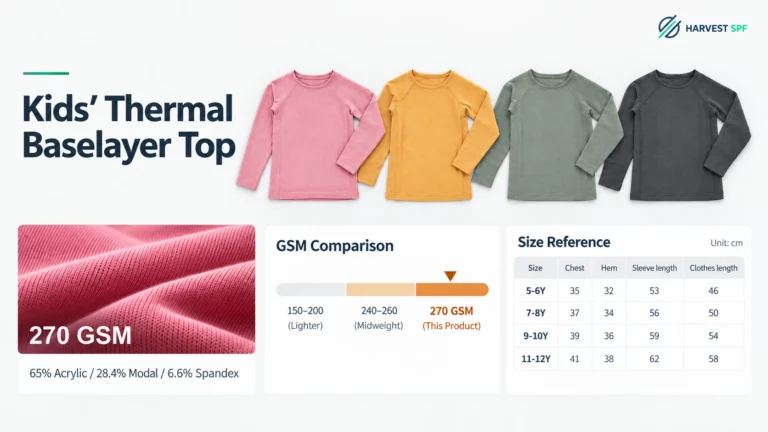
Kids’ clothing uses polyester and polyester bland materials for its strength against many washes and hard play, plus low price. Thermal baselayers in polyester-spandex mixes give warmth without limiting moves. These suit outdoor play in cool weather.
Polyester for Adults
Adult clothes cover work, casual, and sport types. Here polyester offers tough, crease-free choices with steady heat holding for winter layers.
Polyester for Seniors
Older people gain from polyester’s light feel and simple care. It cuts body effort while giving steady warmth in daily or rest clothes.
Polyester for Outdoor Activities
Polyester for Camping
Camping items and clothes from polyester handle contact with weather. They provide fast-dry traits needed after rain and strong insulation for night cold drops.
Polyester for Hiking
Hiking needs tough, light materials against scrapes. Polyester supplies these. It handles moisture on climbs and gives warmth on breaks.
Polyester for Skiing
Ski clothes often include polyester in tech layers for wind block, insulation, and quick dry after snow touch.
Polyester for Running
Running clothes stress wicking and drying. Polyester fabrics do great here. They keep the body dry and comfy over long runs.
Polyester for Yoga
Yoga needs bend and hold. Polyester mixed with elastane makes sure clothes move smoothly without limits.
Polyester for Dance
Dance clothes must fit fast moves. Tough, stretch-added polyester mixes keep form and ease through practices.
Polyester for Fitness
Fitness work brings strong effort. Polyester’s fast-dry and tough side helps long times in gym settings.
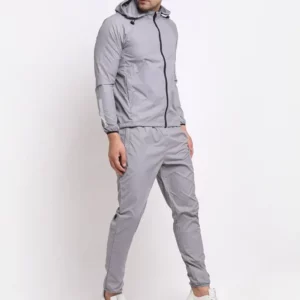
Polyester for Indoor Activities
Polyester for Work
Work outfits and shirts use polyester for its clean look, crease resistance, and easy-care in office places.
Polyester for Leisure
Relax wear adds polyester for easy comfort and strength in daily home or mild outdoor use.
Polyester for Cocooning
Home rest likes soft, warm polyester items like fleece-lined ones. They give cozy insulation without weight.
Caring for Polyester Garments: Washing, Drying, and Ironing
Keeping polyester means careful steps to save its traits:
- Wash at low temperatures (30-40°C) to prevent fiber damage.
- Skip bleach and harsh detergents.
- Prefer air drying to retain shape, or use low-heat tumble settings.
- Iron on cool settings if needed.
Following these steps promises longer garment life and ongoing good work.
In Summary: Is Polyester Warm in Winter?
polyester surely helps winter warmth by its skill to catch body heat and block cold entry. It proves especially useful in baselayers, mid-layers, and outerwear made for low-move or medium cases. While not always the best pick for heavy-sweat times due to air flow limits, its wide use stands out in mixes or treated kinds. These offer light, tough insulation. New choices like recycled polyester (rPET) bring green benefits. Manufacturers such as Harvest SPF focus on these fabrics. They supply custom polyester and polyester blended long johns, thermal baselayers, and eco-certified materials (OEKO-TEX, GRS) for top winter apparel. With skills over three decades, quick prototyping, and flexible making, they aid new, warmth-centered lines that fit world rules.
FAQs About Polyester
What is polyester?
Polyester is a petroleum-based synthetic fiber renowned for durability, elasticity, and low moisture absorption, making it suitable for various performance applications.
Which is warmer: cotton or polyester?
Polyester typically retains heat more effectively than cotton, though cotton provides better natural breathability; blends often balance both.
Which material is the warmest?
Wool frequently leads in natural insulation, with engineered polyester variants offering competitive synthetic warmth, especially in fleece or layered constructions.
Does polyester retain heat?
Yes, by trapping air pockets near the body, though moisture management varies by design.
How should polyester be washed?
Inside out at 30-40°C with mild agents, avoiding bleach; air dry or low tumble.
Partner with Harvest SPF for Premium Thermal Baselayers and Activewear
Established manufacturers and suppliers seeking premium functional textiles can partner with Harvest SPF for custom polyester and recycled polyester solutions in thermal baselayers and activewear. Offering ODM/OEM services with low MOQs (starting at 300-1000 pieces depending on style), over 30 patents in fiber innovation, rapid 7-day prototyping, and certifications like OEKO-TEX Standard 100, GRS, and RWS, they enable tailored production for winter collections emphasizing warmth, sustainability, and performance. Contact Harvest SPF today at joy@spftex.com to discuss fabric development, seamless knitting, or full-package manufacturing for global markets.