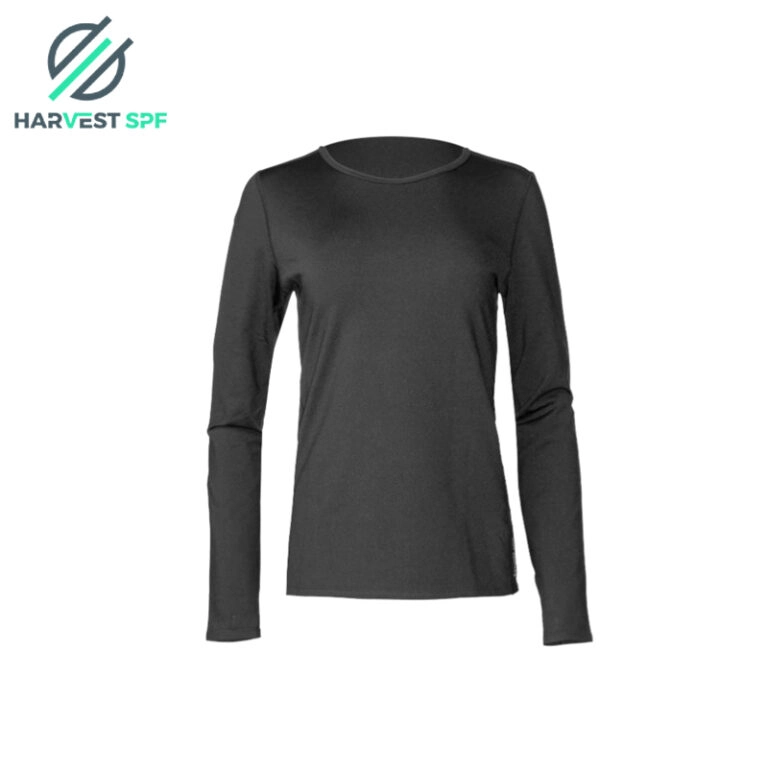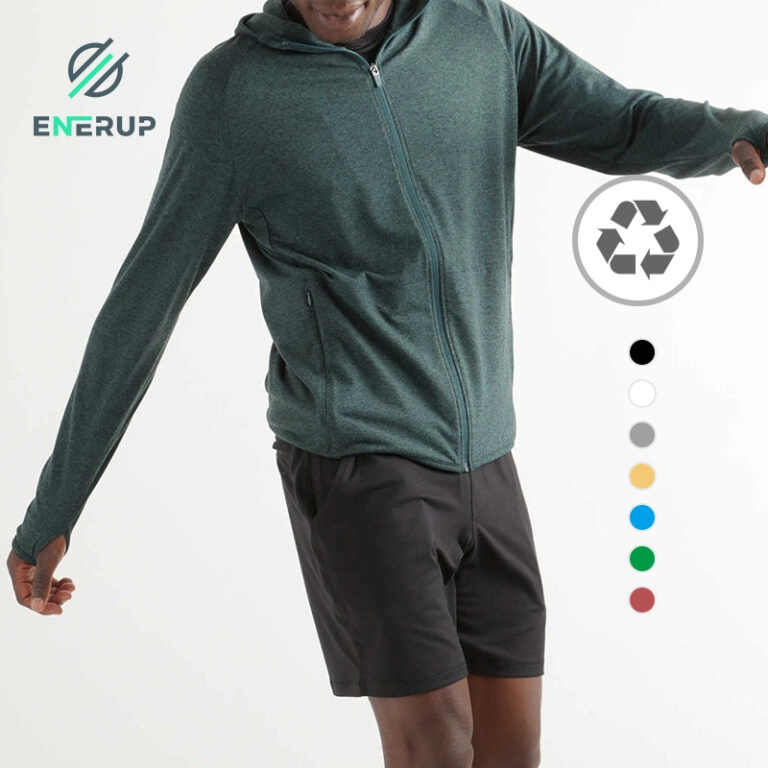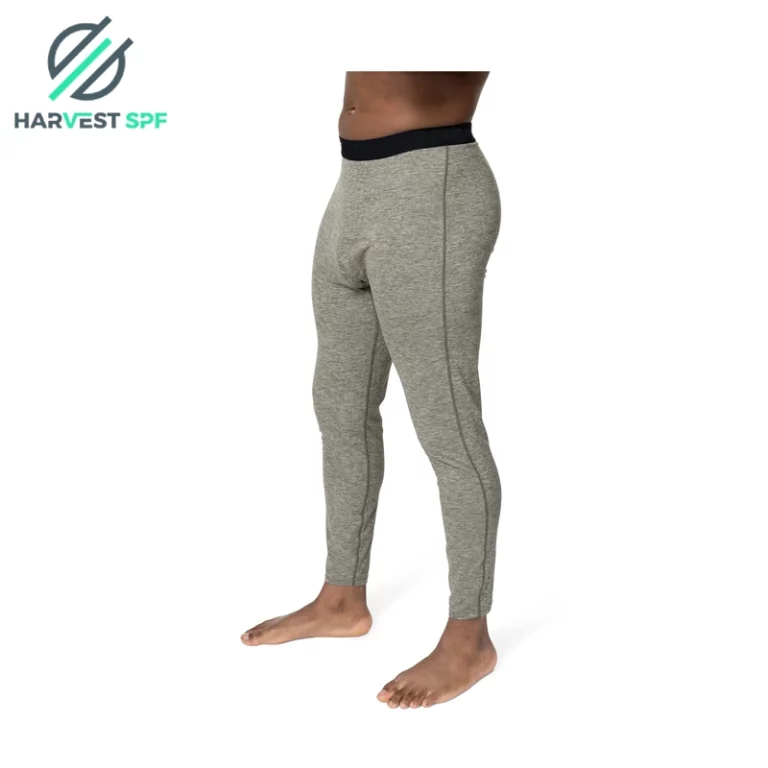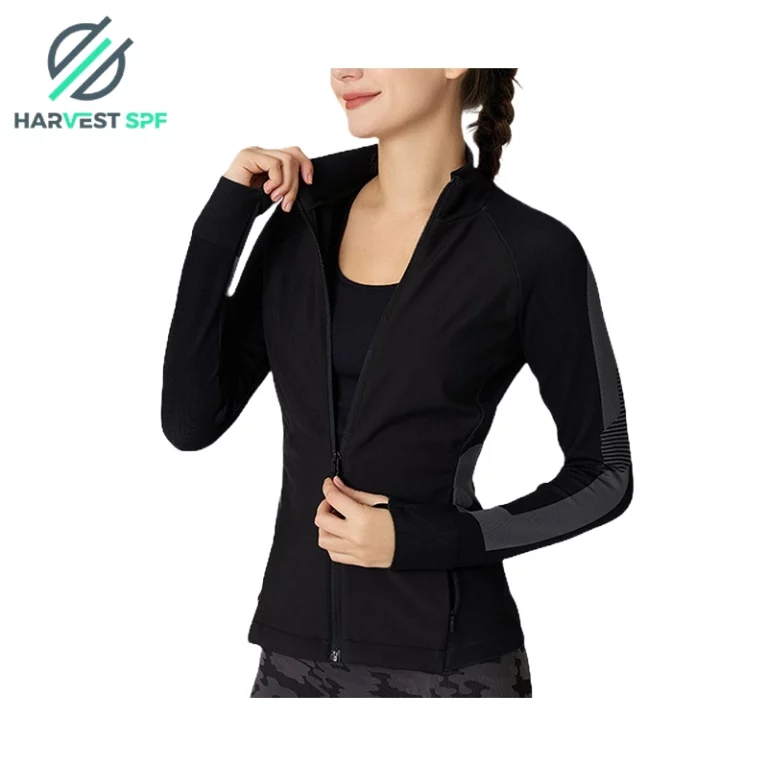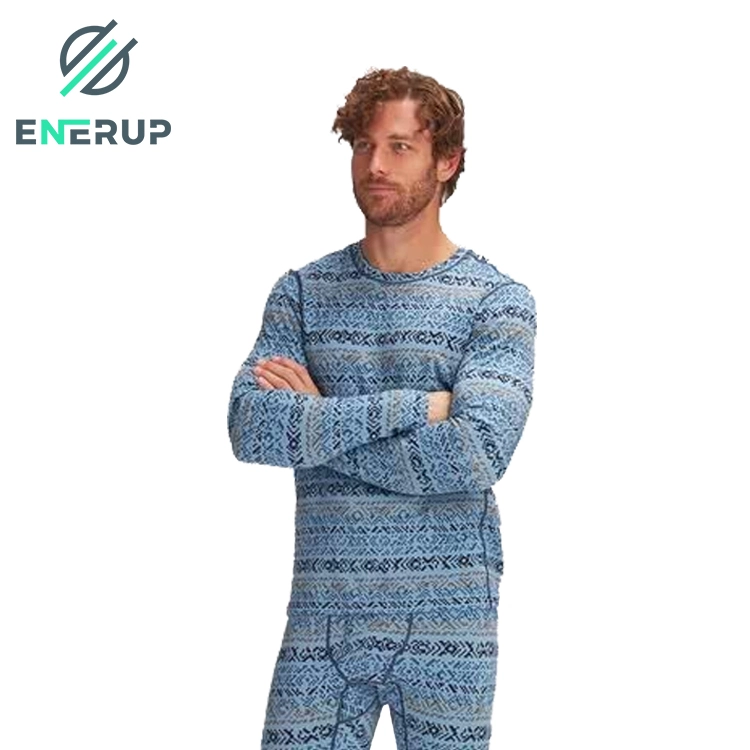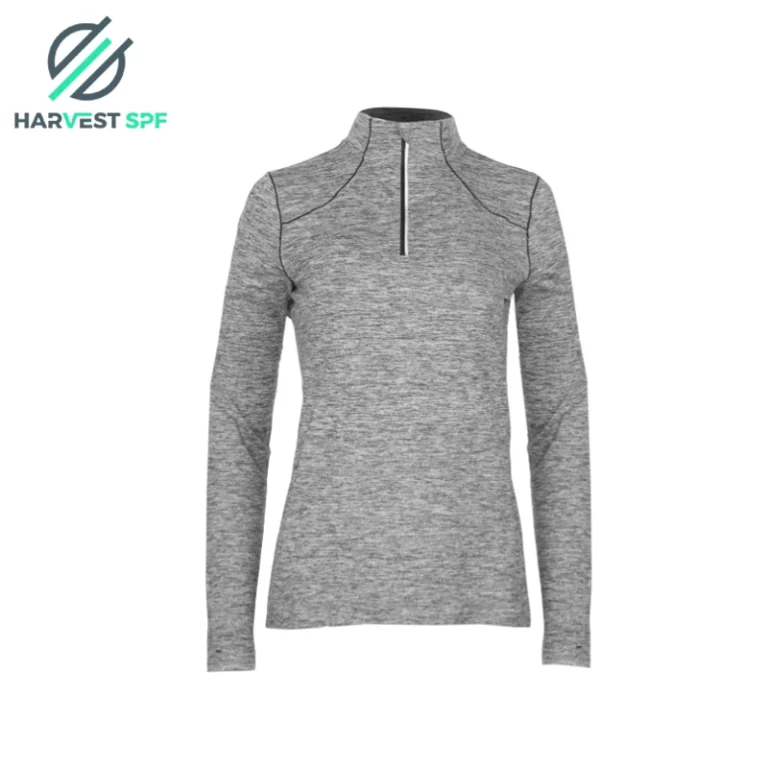

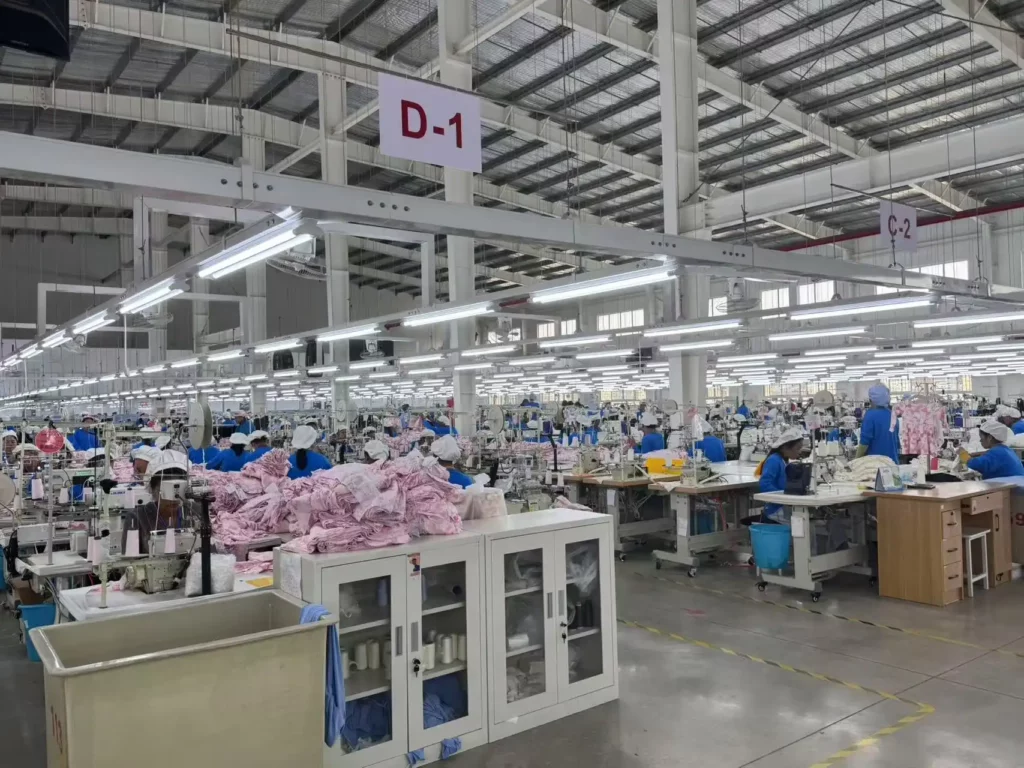
Manufacturing sports wear in China has become the primary production choice for many activewear labels, fitness apparel companies, outdoor clothing lines and performance textile buyers. While low cost is a major reason for choosing China, the country also provides a mature textile supply chain, specialized garment manufacturing clusters, advanced knitting and sewing machinery, and large quantities of OEM/ODM production capacity.
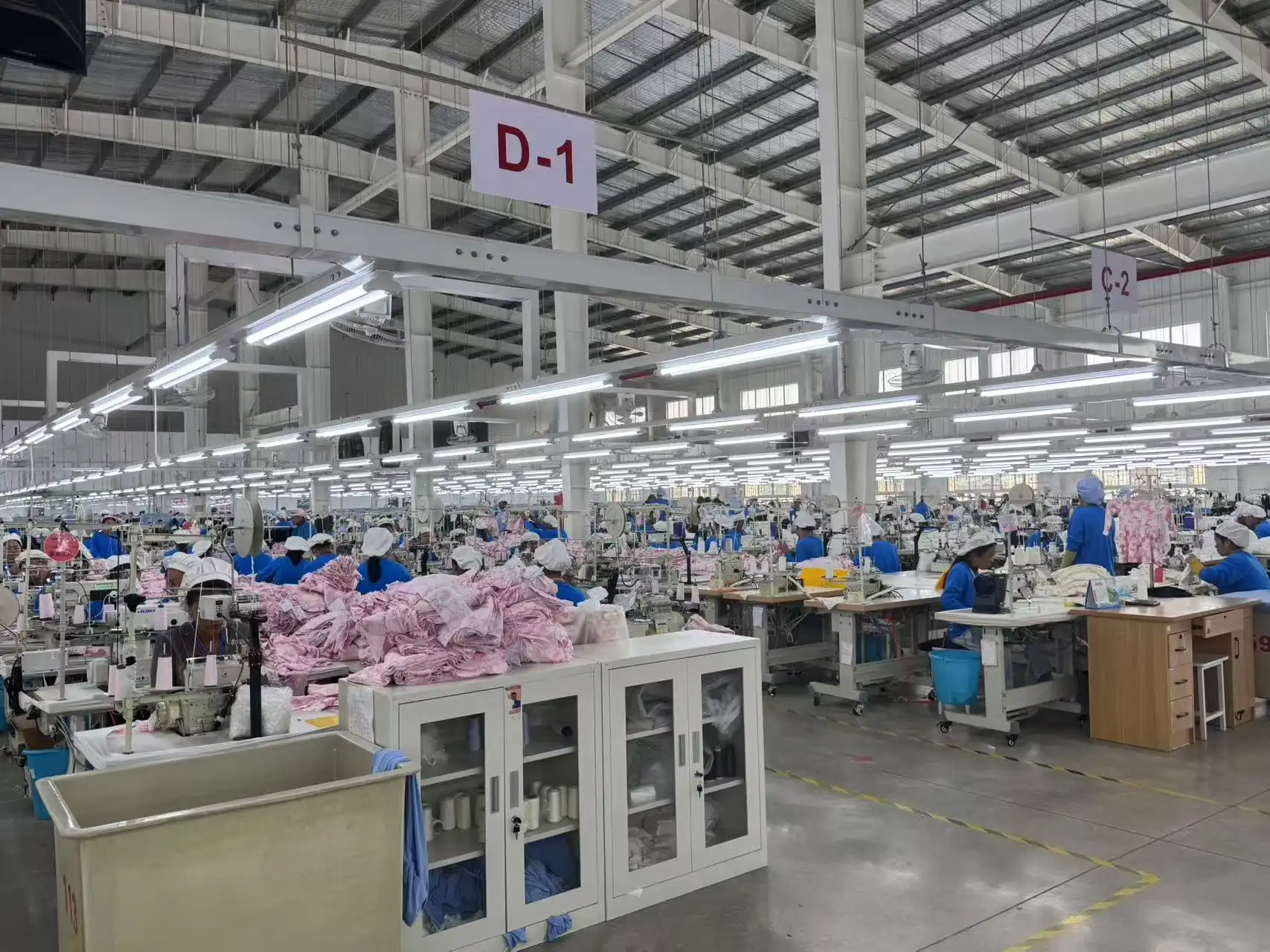
Why China Leads the Global Sports Wear Manufacturing Industry
Mature Supply Chain and Material Availability
Going beyond casual wear, sports wear require more technical considerations when choosing fabrics. Along with movement, sweat, wash frequency, skin contact and marketing position, key considerations for sports wear include using nylon-spandex blends, polyester performance fabrics, recycled fibers, merino wool blends, organic cotton, modal, lyocell, mesh, fleece, rib, interlock, jacquard and seamless knitted fabrics and garment constructions. China’s vast and mature textile ecosystem can readily supply these.
This material range enables you to set up a range of products for yoga, running, gym, cycling, skiing, hiking, base layer, compression clothing and athleisure wear. A mature supply chain as described above also accelerates your development process, since fabric selection, lab dips for testing, trims, printing, packaging and large-scale production can be coordinated and managed within one production system.
Advanced Manufacturing Technology
Modern sports wear factories in China use digital pattern systems and automatic or semi-automatic cutting. Modern knitting is done on seamless machines, and garments are sewn on specialized machines for activewear. Transfers are applied using heat-transfer equipment, and embroidery is done using specialized machines. Fabric is tested in a variety of ways to check its quality before it is used in production. By using these technologies production variation is kept to a minimum allowing for more complex designs in activewear.
Seamless sports wear is another example of a type of garment that requires specific expertise: circular knitting, yarn control, body-mapping, compression levels, and machine setting. In contrast to cut-and-sew activewear, which mainly requires a patternmaker, a precise sewer, strong seams, and appropriate fabric handling.
Types of Sports Wear Manufacturers in China
OEM Sports Wear Manufacturers
OEM manufacturers produce garments based on existing designs, tech packs, measurement charts, artwork, fabric requirements, labeling rules, and packaging instructions. This model works well for brands with a developed collection and clear product specifications.
OEM production relies heavily on communication and attention to detail, including seam type, fabric composition, GSM, shrinkage, logo size, label placement, carton quantities, washing label copy and method of final inspection.
ODM Sports Wear Manufacturers
An ODM manufacturer supports the design development, selecting the fabrics, creating the patterns, making the samples and the production. The ODM model is mostly used by brands that have an idea of what they want to produce but need technical support for the production on the factory level. Because the ODM is involved in the development process very early on, mistakes which would occur in the development process can be avoided. The ODM has experience with materials and production.
Harvest SPF is positioned around R&D, ODM vertical production for healthy functional textile products and international trade. More than 30 patents have been filed for and customers are based in more than 60 countries.
Private Label Sports Wear Factories
Starting production from existing styles such as Garment within your private label production program. Buyer selects style, change to colors or materials, add a logo to products and packaging, change labels and packaging. Private labeling cuts development time and costs to bring your design to market quickly.
Private label sports wear still requires careful inspection prior to commencement of bulk production. Check for fit, GSM, wash performance, logo bonding, colorfastness and packaging quality.
Cut-and-Sew vs. Seamless Manufacturers
Cut-and-sew factories are generally more suited for products like sports T-shirts, jackets, shorts, leggings, tennis dresses, training tops and lots of other outdoor / sporty apparel. Seamless manufacturers on the other hand are better suited for products such as compression garments, seamless tops, base layers, yoga wear and other close fitting activewear.
Harvest SPF can be applied to the following categories of products: Outdoor / Thermal Apparel, Eco Daily Essentials, Activewear / Fitness / Yoga, Compression Products, Seamless Sportswear and Functional Healthcare Textiles.
What Materials Are Commonly Used for Sports Wear Manufacturing?
Nylon-Spandex Blends
Nylon-spandex is used in many styles of activewear including leggings, sports bras, yoga tops, compression garments and other styles of fitted training apparel. It is a great choice because of the smooth hand of the nylon and the stretch of the spandex. This fabric allows for close-to-body movement and recovers well after being stretched many times.
Polyester Performance Fabrics
In apparel for running and training, including gym wear and sports attire like training shorts and base layers, team wear is often made from polyester for its light weight, durable construction, fast drying and ability to be finished with moisture wicking treatments. Polyester can also be used in high sweat activities such as running, gym work and team sports by designing in mesh panels, treating for antibacterial properties, adding UV protection or giving the fabric a brushed surface to increase next to skin thermal comfort.
Recycled and Natural Fiber Options
Some of the sustainable materials to use in sustainable sports wear are: recycled polyester and nylon, organic cotton, merino wool, lyocell, modal, bamboo fibers and also various blends of plant fibers. The majority of these sustainable materials are suitable for comfortable and also for performing sports. Furthermore most of the above mentioned materials also enable sports brands to position themselves in an environmental sustainable way.
Harvest SPF’s ODM/OEM page lists out all the materials they use such as merino wool, lyocell, modal, plant-based PLA as well as organic cotton to create customizable activewear.
Fabric Weight and Performance
GSM, or grams per square meter, affects thickness, opacity, warmth, compression, and drape. Lightweight fabrics can suit summer running and gym tops. Midweight fabrics support yoga wear, leggings, and daily training apparel. Heavier fabrics can be used for compression, thermal base layers, winter outdoor products, and structured athleisure pieces.
How the Sports Wear Manufacturing Process Works in China
Step 1: Design and Tech Pack Development
A complete tech pack gives the factory a production blueprint. A tech pack includes; sketches, measurement, grading, fabric info, stitching info, trims, logo artwork, label position, color cards, packing info and testing requirements.
Step 2: Fabric Selection and Sampling
Fabric selection for active wear should be chosen based on the intended end use of the garment. For example, running wear would benefit from a light weight fabric with quick drying properties, whereas yoga wear would require a fabric that has four-way stretch and opacity. Base layers for outdoor activities would benefit from a fabric that provides warmth, is soft against the skin and provides moisture control, whereas compression wear requires a fabric that will aid the recovery of the wearer as well as provide pressure stability.
Harvest SPF outlines our custom process from your initial contact with us through design, tech pack review, fabric selection or development, quotation, prototype sample making, order placement, mass production, quality control, packing and shipping.
Step 3: Pattern Making and Size Grading
To guarantee the perfect fit for sports wear, a factory must pay close attention to the pattern accuracy, taking into account the following key factors: the stretch of the fabric, the physical movement of the wearer, the position of the seam, the degree of compression in certain areas, as well as the size grading. Should the grading be incorrect, for example, small sizes might be too tight, while larger sizes will lack stability.
Step 4: Cutting, Sewing, and Assembly
Bulk production refers to a broader range of processes including fabric production and preparation, cutting, sewing, printing of logos and attaching of labels, ironing, folding, packaging, needle checking and quality control. Production of seamless garments, however, is mainly based on a pre-programmed machine, on the type of yarn that is being fed into the machine, on the knitting structure, on washing and treatment, on shaping and on finishing of the garment.
Step 5: Branding, Printing, and Packaging
Branding on sports wear can be transferred with heat, embroidered, screen printed, digital printed, woven into the fabric and used as labels or hang tags for retail stores. Care labels and carton marks and packaging can also carry branding and now a days branding goes green too. So logo technique has to go hand in hand with the stretch of the fabric. A stiff logo on a soft stretch fabric can crack or peel or simply ruin the feel of the garment.
Work with a Reliable Sports Wear Manufacturer and Supplier
Harvest SPF supports sports wear brands with functional textile development, ODM/OEM production, fabric recommendation, sampling, customization, quality inspection, packaging and shipping worldwide. Their product range includes activewear, yoga wear, gym wear, seamless garments, compression wear, outdoor base layers, thermal apparel, socks and other functional textile solutions.
For businesses planning to launch a custom sports wear collection, Harvest SPF will support the manufacturer and suppliers to select materials and to finish and deliver the garments. They will translate the concept into performance sport wear that can be produced on a larger scale. Contact Harvest SPF today.