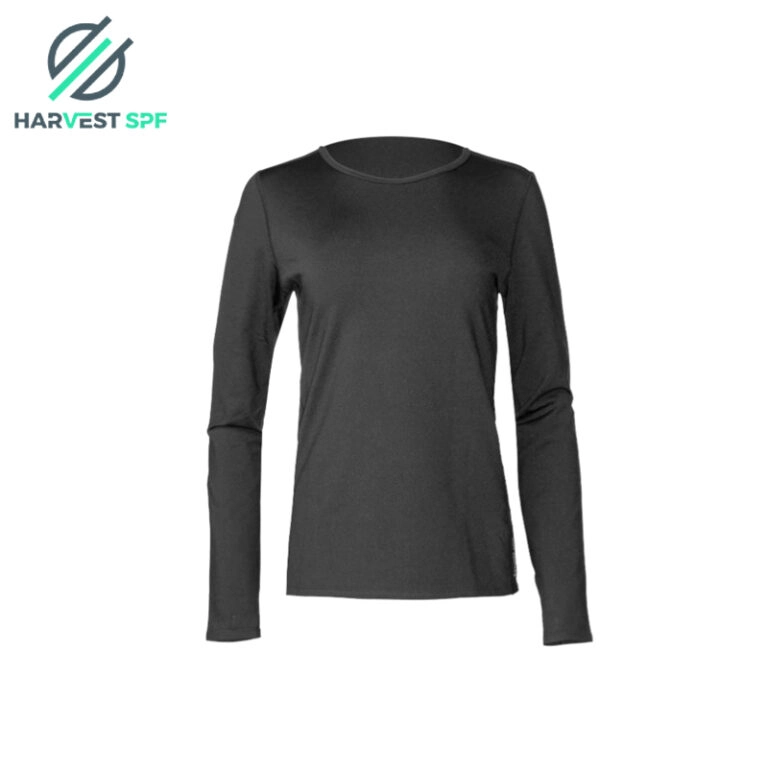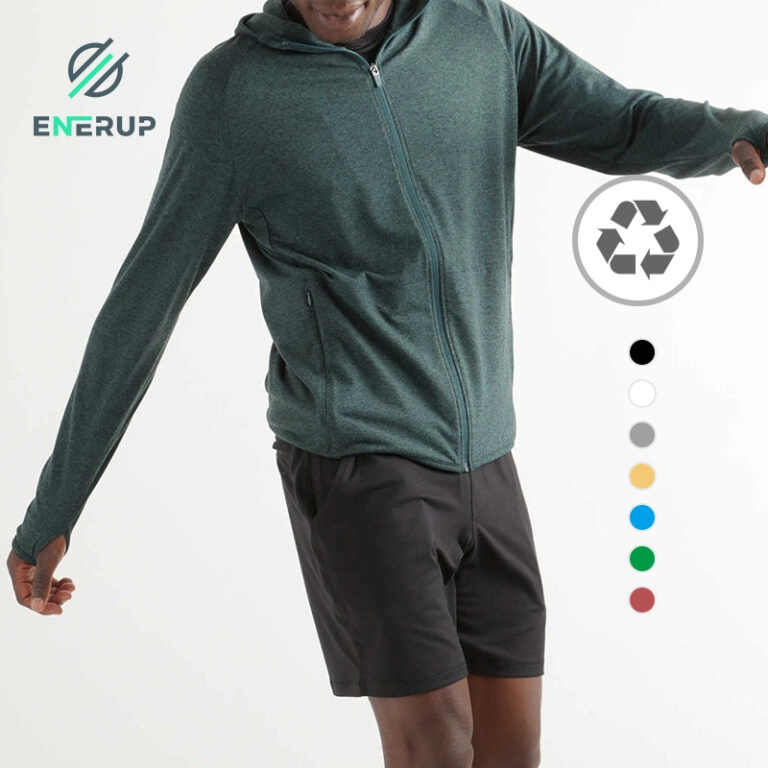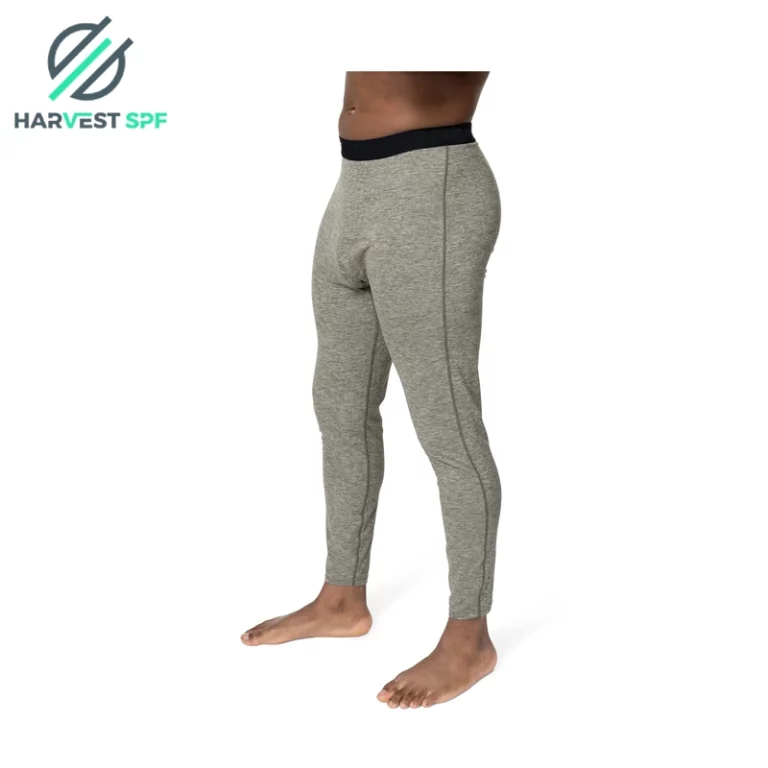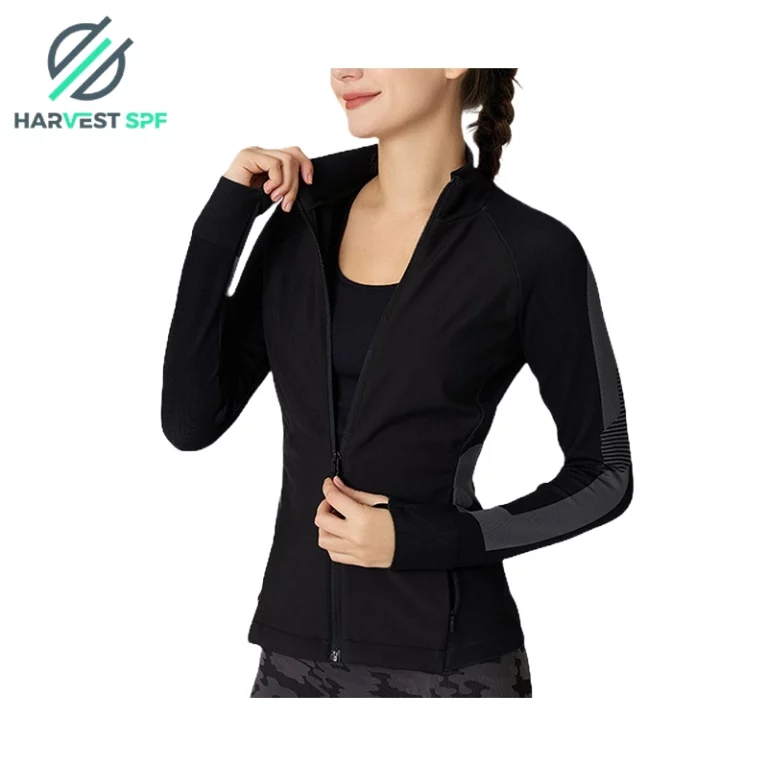

Sustainable activewear has moved far beyond recycled content or natural fibers. For performance apparel, sustainability is not only about the raw material. The fabric also needs to stretch, recover, wick moisture, feel comfortable against the skin, withstand repeated washing, and come from a reliable supply chain.
This is especially important for yoga wear, gymwear, compression apparel, base layers, cycling gear, thermal underwear, running apparel, and outdoor performance products. In these categories, the fabric directly affects fit, comfort, durability, and the overall performance of the finished garment.
Why Sustainable Fabrics Matter in Activewear
Activewear usually requires higher elasticity, better stretch recovery, and closer skin contact than everyday apparel. It is also washed more frequently and placed under more stress during movement, sweating, stretching, and repeated wear.
That means a sustainable activewear fabric must do more than reduce raw-material impact. It should also help extend the garment’s life through durable performance, stable fit, colorfastness, odor management, pilling resistance, and comfort during sweating. For brands, the most responsible fabric choice is often the one that balances lower environmental impact with long-lasting garment performance.
Top 10 Sustainable Fabrics for Eco-Friendly Activewear
1. Organic Cotton
Organic cotton is commonly used in soft activewear such as yoga tops, loungewear, sweatshirts, T-shirts, warm-up pieces, and low-impact fitness apparel. It offers a breathable hand feel, skin-friendly comfort, and a natural positioning that many eco-conscious consumers understand easily.
For higher-sweat training, organic cotton usually performs better when blended with performance fibers that improve moisture management, recovery, and durability. It is a strong option for athleisure and everyday activewear, but it is generally not the best choice for high-compression leggings or technical running apparel.
- Best for: yoga tops, T-shirts, sweatshirts, loungewear, warm-up apparel, and low-impact fitness clothing.
- Sustainability checks: organic fiber certification, chain-of-custody documentation, dyeing process, shrinkage, pilling, and colorfastness.
2. Recycled Polyester
Recycled polyester remains one of the most commercially viable sustainable materials for performance activewear. It provides quick drying, lightweight comfort, wrinkle resistance, and durability while reducing reliance on virgin synthetic materials.
For leggings, training tops, sports bras, running apparel, and gymwear, recycled polyester is often blended with elastane or other stretch fibers to support flexibility, compression, and shape retention. It can also be engineered with moisture-wicking finishes and printed with color-rich techniques.
Because recycled polyester claims need to be credible, brands should verify recycled content through recognized standards, transaction certificates, and supplier documentation.
- Best for: gym tops, leggings, sports bras, running shirts, training apparel, and printed activewear.
- Sustainability checks: verified recycled content, transaction records, dyeing impact, microfiber considerations, colorfastness, and wash durability.
3. Recycled Nylon
Recycled nylon is valuable for premium activewear that requires a smooth hand feel, high abrasion resistance, excellent stretch recovery, and a close-to-body fit. It is commonly used for leggings, yoga wear, compression shorts, running apparel, swim-adjacent styles, and fitted performance tops.
Compared with many plant-based fibers, recycled nylon usually offers stronger recovery and better durability for tight-fitting garments. This makes it especially useful when the product needs both sustainability positioning and high performance.
- Best for: leggings, yoga pants, compression shorts, fitted tops, running apparel, and premium activewear.
- Sustainability checks: recycled-content verification, dyeing and finishing control, abrasion resistance, stretch recovery, and long-term wash performance.
4. Merino Wool
Merino wool is a high-value natural fiber for base layers, outdoor sportswear, thermal underwear, socks, cycling tops, and cold-weather training gear. It is breathable, soft against the skin, and well known for temperature regulation.
Merino wool also supports odor management, which makes it suitable for travel, hiking, skiing, running, and outdoor layering systems. Responsible sourcing is important because wool sustainability depends on animal welfare, land management, and traceable supply chains.
The Responsible Wool Standard focuses on animal welfare, land management, and chain of custody from certified farms through the supply chain. For performance products, brands should also test shrinkage, pilling, wash durability, and next-to-skin comfort.
- Best for: base layers, socks, thermal underwear, outdoor apparel, cycling tops, and travel clothing.
- Sustainability checks: responsible wool sourcing, traceability, animal-welfare standards, shrinkage, pilling, and wash care.
5. Lyocell
Lyocell is a regenerated cellulosic fiber known for its soft hand feel, breathability, moisture management, and smooth touch against the skin. It is recommended for yoga tops, lightweight training shirts, underwear, loungewear, and skin-contact activewear.
The sustainability benefit of lyocell is strongest when the pulp is responsibly sourced and the fiber is produced in a closed-loop process. In activewear, lyocell is often blended with elastane, recycled polyester, nylon, or other fibers to improve recovery, stability, and wash performance.
- Best for: yoga tops, light training shirts, underwear, loungewear, and soft activewear essentials.
- Sustainability checks: responsible pulp sourcing, closed-loop production, fabric stability, shrinkage, and colorfastness.
6. Modal
Modal is another regenerated cellulosic fiber used in soft activewear, underwear, base layers, T-shirts, and lifestyle fitness clothing. It has a smooth hand, good drape, and excellent comfort, so it is best suited to products that prioritize softness rather than firm compression.
In activewear, modal is usually blended with stretch fibers or performance yarns to improve recovery and holding power. It can be a strong option for eco daily essentials, low-impact yoga apparel, and casual performance sportswear.
- Best for: underwear, T-shirts, soft base layers, yoga tops, and lifestyle activewear.
- Sustainability checks: fiber-source documentation, dyeing process, stretch recovery, pilling, shrinkage, and long-term softness.
7. Bamboo Lyocell
Bamboo lyocell is used in very soft, breathable, and skin-friendly activewear for buyers who prefer plant-based fibers and comfort-focused performance. It is suitable for light training, yoga, base layers, underwear, and products that cross over into loungewear.
The key consideration is processing. Brands should look carefully at the production method, chemical management, traceability, and certification of bamboo-based fabrics. For activewear development, bamboo lyocell performs best when it is supported by responsible wet processing and reliable supply-chain documentation.
- Best for: soft yoga wear, underwear, base layers, loungewear, and comfort-focused activewear.
- Sustainability checks: production method, chemical management, traceability, certification, shrinkage, and colorfastness.
8. Hemp Blends
Hemp fibers are durable and breathable, and hemp cultivation can have lower input requirements than many conventional fibers. However, pure hemp is usually stiff and has limited elasticity, so it is often blended with cotton, lyocell, modal, recycled polyester, or stretch fibers for activewear use.
Hemp blends are suitable for training tops, casual T-shirts, relaxed yoga wear, athleisure, lightweight outerwear, jackets, and other casual performance products. Hemp is less common in compression wear, but it offers brands a natural, textured, and durable alternative for lifestyle sportswear.
- Best for: casual training tops, T-shirts, relaxed yoga wear, athleisure, jackets, and lightweight outerwear.
- Sustainability checks: blend composition, fabric softness, shrinkage, pilling, dyeing process, and garment durability.
9. PLA Bio-Based Fiber
PLA is a bio-based fiber option used in selected textile applications. In activewear, it is usually considered for specific blends or lightweight products where brands want to explore lower-carbon or bio-based material positioning.
However, PLA requires careful testing before bulk production. Brands should evaluate heat resistance, dyeing stability, wash durability, abrasion resistance, colorfastness, and long-term garment performance. It may not be suitable for every high-heat, high-stress, or frequent-wash activewear application.
- Best for: selected lightweight blends, experimental bio-based fabrics, and comfort-oriented activewear concepts.
- Sustainability checks: bio-based content, heat resistance, dyeing performance, wash durability, abrasion resistance, and end-of-life claims.
10. Recycled Cotton
Recycled cotton helps reduce textile waste and can be used for sweatshirts, T-shirts, relaxed-fit training wear, and casual sportswear. It is often blended with virgin cotton, recycled polyester, or other fibers to improve strength, consistency, and fabric performance.
Because recycled cotton fibers are generally shorter than virgin fibers, fabric engineering is important. Brands should test durability, pilling resistance, hand feel, shrinkage, and wash performance before using recycled cotton in activewear. It is particularly suitable for lifestyle sportswear rather than highly compressive performance items.
- Best for: sweatshirts, T-shirts, relaxed-fit training wear, casual sportswear, and athleisure.
- Sustainability checks: recycled-content documentation, fiber strength, pilling, shrinkage, hand feel, and wash durability.
How to Choose the Right Sustainable Fabric for Activewear

Match the Fabric to the Activity Level
Low-impact yoga apparel can focus on softness, breathability, stretch, and comfort against the skin. Gymwear and running apparel usually need stronger moisture management, recovery, quick drying, and abrasion resistance. Outdoor clothing and thermal base layers need temperature regulation, odor control, layering performance, and durability in changing conditions.
Check Certification and Material Origin
Sustainable activewear claims should be supported by certificates, transaction records, and supplier documentation. Recycled materials should have verified recycled content. Organic materials should have organic fiber certification and chain-of-custody documentation. Wool should be responsibly sourced and traceable. Regenerated cellulosic fibers should be checked for responsible pulp sourcing and production method.
Test Durability Before Bulk Production
If an eco-friendly garment loses shape, pills quickly, or falls apart after a few washes, the sustainability claim becomes much weaker. Activewear testing should include stretch recovery, shrinkage, colorfastness, seam strength, pilling, odor-control performance, abrasion resistance, and wash durability.
How Harvest SPF Supports Eco-Friendly Activewear Development
Harvest SPF supports activewear, yoga wear, gymwear, compression apparel, seamless sportswear, outdoor apparel, thermal products, merino wool products, eco daily essentials, socks, and other innovative functional textile products. Instead of recommending one “best” sustainable fabric for every project, Harvest SPF helps brands match the fabric to the product’s performance requirements, target price, sustainability positioning, and production model.
For ODM/OEM development, Harvest SPF can assist with fabric selection, custom fabric development, tech pack creation, quotation, prototype sampling, fitting, proofing, bulk production, quality control, packaging, and shipping. Depending on the product type, available customization models include cut-and-trim orders, full-package ODM, seamless products, and socks.
Harvest SPF can also support sustainable material options and sustainable packaging for custom activewear projects. The goal is to help brands create eco-friendly activewear that is not only better positioned from a sustainability perspective, but also comfortable, durable, washable, and commercially ready for the market.