
Seamless sportswear has become an important category in performance apparel, fitness wear, yoga clothing, base layers, and athleisure collections. For activewear brands, seamless sportswear is a flexible product category because it can be developed into leggings, sports bras, tops, base layers, compression wear, underwear, and thermal products with a premium, body-contouring look.
For commercial buyers, seamless activewear offers a strong combination of comfort, body-contouring fit, functional design, and clean visual appeal.
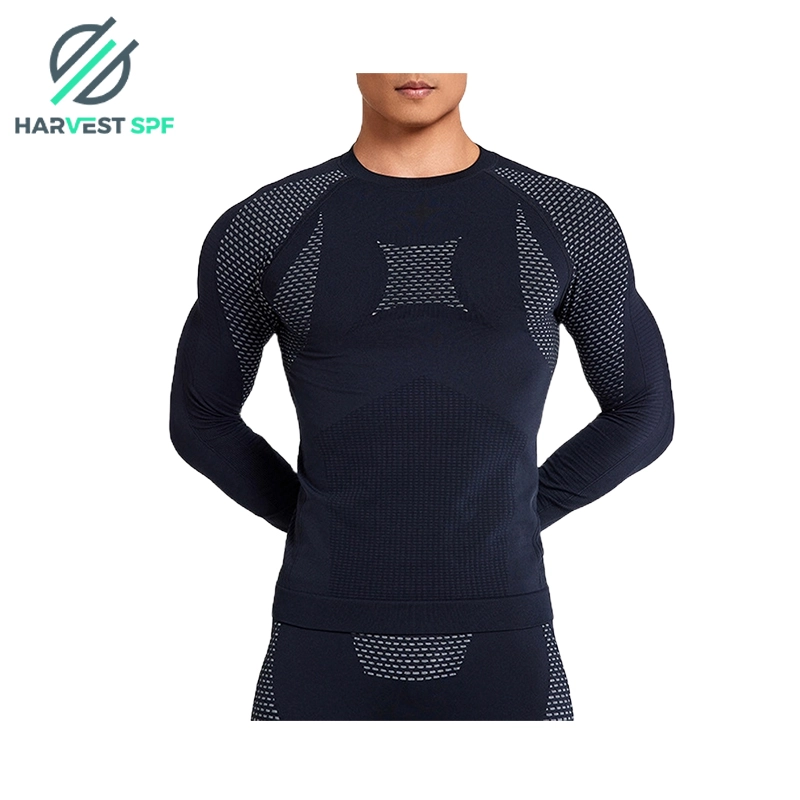
Seamless sportswear, unlike conventional stitched sportswear, is constructed through state-of-the-art knitting to eliminate thick seams and produce soft and flexible pieces of clothing. Seamless sportswear, therefore, works well for leggings, sports bras, tops, tanks, compression clothing, underwear, and thermal bases.
For those designing their activewear range, seamless sportswear is more than just fashion. It is a product choice. Choosing the right piece of seamless clothing will help enhance customer comfort, allow ease of movement, reduce friction, and provide a premium look.
What Is Seamless Sportswear?
Seamless sportswear refers to activewear made using specialized circular knitting or seamless knitting technology that reduces the number of traditional seams in the main body of the garment.
In contrast to traditional garments which are assembled from separate parts cut from fabric, seamless activewear is made using specific knitting techniques that result in creation of the main part of the garment from yarn.
The term “seamless” doesn’t imply that there is no sewing whatsoever. Sometimes sewing is required in order to assemble waistbands, trims, labels, hems, cups, gussets, or even assemble the garment as a whole. The thing is that there are less cut-and-sew parts used when creating the main part of the garment.
It is possible to emphasize the benefits of seamless sportswear in close-fitting garments.
Seamless vs. Cut-and-Sew Sportswear
| Feature | Seamless Sportswear | Cut-and-Sew Sportswear |
| Construction | Main body knitted with fewer seams | Fabric panels cut and sewn together |
| Fit | Body-contouring, close fit | More flexible pattern shaping |
| Comfort | Reduced friction and smoother next-to-skin feel | Depends on seam type and placement |
| Design Effects | Knit-in mesh, rib, jacquard, and compression zones | Paneling, prints, contrast fabrics, and trims |
| Best For | Leggings, bras, base layers, compression wear, underwear | Jackets, loose tops, complex silhouettes, multi-panel styles |
| Development Focus | Yarn, knitting tension, compression, size grading | Pattern, fabric cutting, stitching, trims, sewing quality |
Why Choose Seamless Sportswear?
1. Enhanced Comfort
First and foremost, one benefit that is derived from seamless sportswear is its level of comfort. Since seamless sportswear reduces friction areas, it is able to enhance comfortability against the skin.
In the case of sports leggings and bras, smoothness plays an essential part in ensuring that the wearer feels comfortable when moving about. Commercial buyers prefer seamless sportswear when producing compression garments since such products will be worn for extended periods.
2. Better Fit and Flexibility
The concept of seamless sportswear is created for wear that conforms to the body. The fabric construction will enable various degrees of stretch and firmness in different parts of the garment. This will enhance fit and comfort for physical activities.
For example, a seamless legging needs compression at the waistline, shaping at the hips, and stretch at the knee level. A seamless top would need mobility at the shoulders and breathable sections. A seamless base layer needs a snug fit without limiting mobility underneath outer wear.
Good fit requires yarn selection, knitting gauge, sizing, sampling, and controlling the degree of compression. These aspects must be confirmed prior to mass production for private label and customized orders.
3. Clean and Modern Appearance
Seamless sportswear has a sleek and technical look. Fewer seam lines create a smoother silhouette, which is ideal for sculpting leggings, matching workout sets, fitted tops, and premium activewear ranges.
Design effects can be created through knitted structures instead of extra cut panels. Rib textures, mesh zones, jacquard patterns, contour lines, logo placement, and compression areas can be integrated into the garment.
For retail and wholesale collections, this clean appearance helps seamless sportswear stand out while maintaining practical performance.
4. Functional Performance Zones
Seamless garments can be created with different performance zones. The breathable zones can be created in the zones where perspiration will occur, whereas the support zones can be designed near the waist, chest, hips, thighs, or calves. Flexible zones can be engineered in the regions which require flexibility or layering.
The body mapped product range would work well for yoga, gym, cycle, ski, running, recovery or thermal base layer products. Seamless can be combined with various yarns and functionality such as moisture management, warmth, breathability, odor control, compression and softness hand feel.
Types of Seamless Sportswear
1. Seamless Leggings
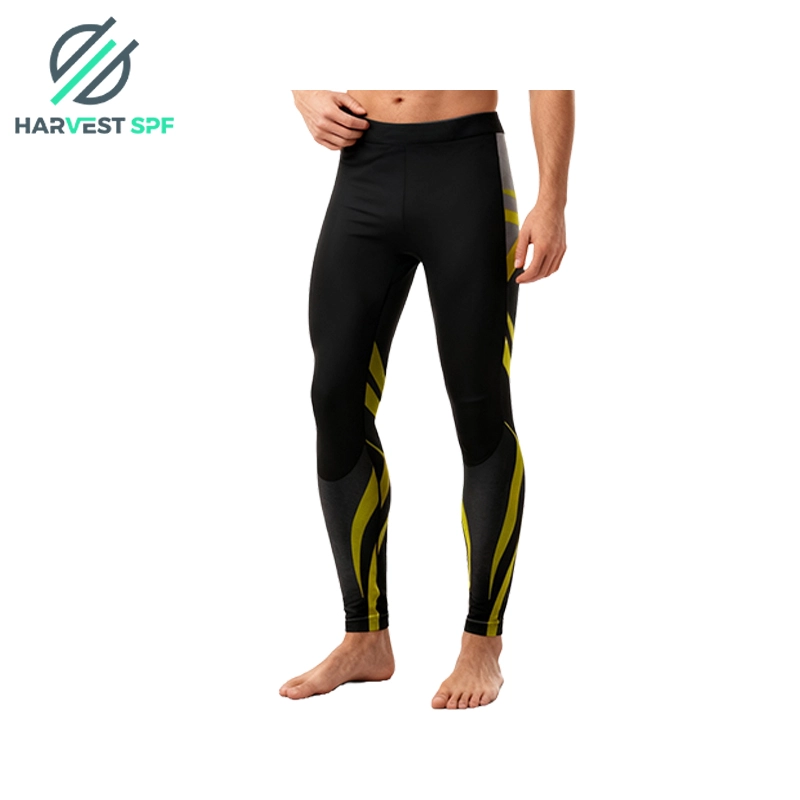
One of the most popular forms of seamless activewear is seamless leggings. These items are easy to wear, give a nice body contour shape, and offer lots of flexibility for ease of movement. Seamless technology can also help in creating an ergonomic waistband and a shaped look.
Key development points include opacity, squat-proof performance, waistband stability, compression level, inseam length, fabric weight, and stretch recovery. Yoga leggings may focus on softness and stretch. Gym leggings may require stronger support and recovery. Outdoor leggings or base-layer bottoms may need warmth and moisture control.
2. Seamless Sports Bras
Sports bras that are seamless are created with a combination of support, comfort, and minimizing friction in close-fitting clothing. These can feature ribbed underbands, cups that are removable, racerback or crossback straps, and breathable mesh panels.
The low-impact sports bra should be more flexible. The medium-impact bra needs hold and no moving straps. The high-impact bra requires structure and fit testing and compression.
3. Seamless Tops and Tanks
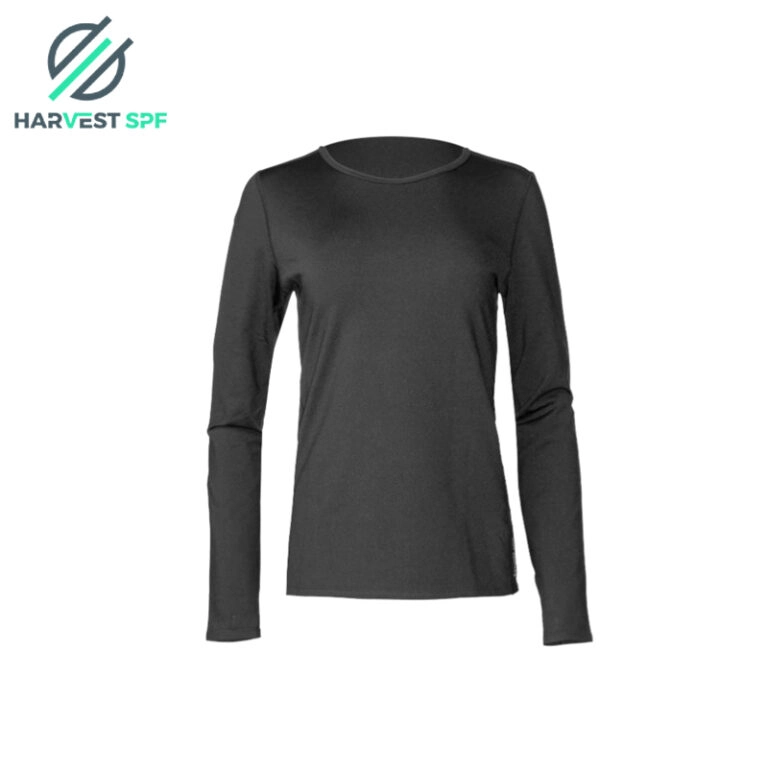
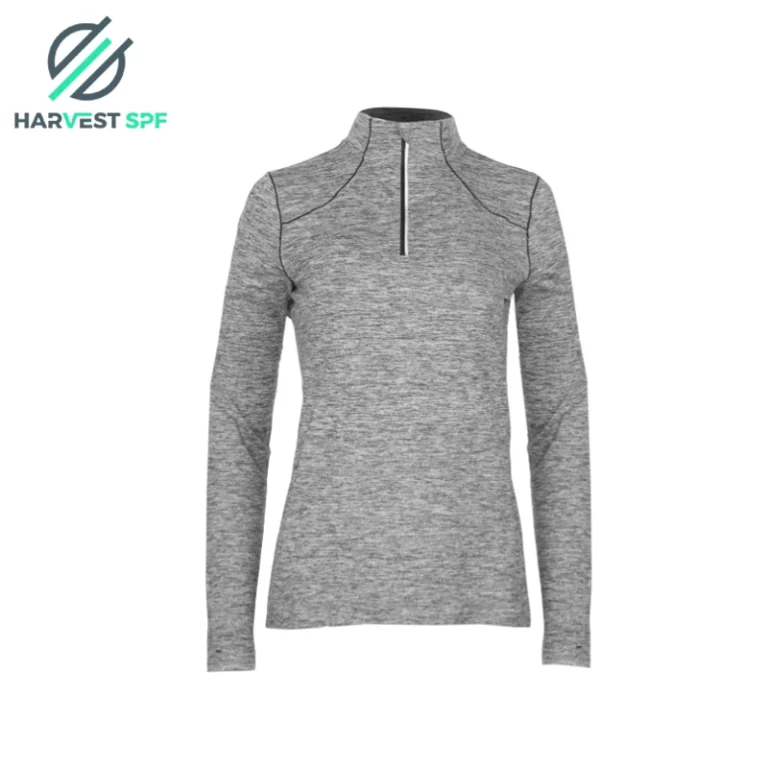
Seamless tops and tanks are suitable for training, yoga, running, layering, and lifestyle activewear. They can be designed as crop tops, longline tanks, short-sleeve tops, or long-sleeve performance tops.
Key development details include neckline comfort, hem stability, shoulder mobility, breathability, and sweat management. Seamless knitting allows mesh ventilation to be added to the back, chest, and underarm areas.
4. Seamless Base Layers
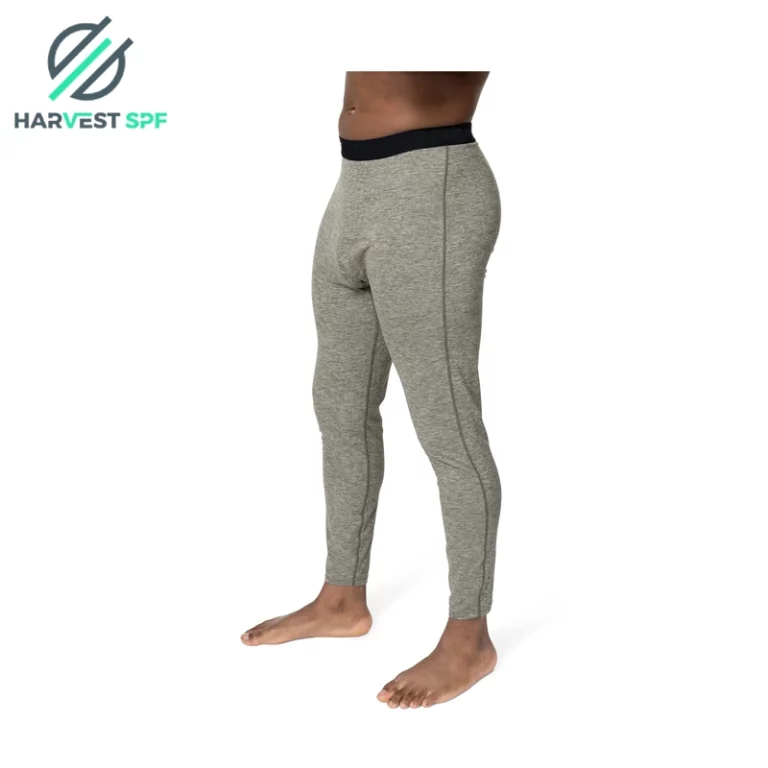
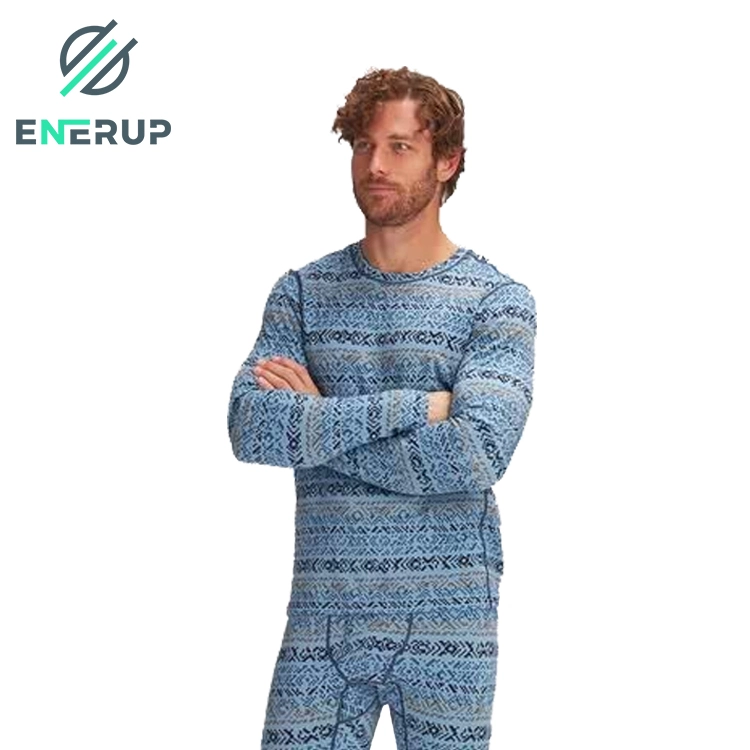
Seamless base layers can often be found in products for skiing, biking, outdoor activities, hiking, and winter wear. The reason is that the layer will be placed directly on the skin and therefore should be comfortable, absorbent, and easy to put over outerwear.
Concerning outdoor and thermal base layers, seamless construction may be advantageous since it will prevent any irritation under the outer jacket, ski pant, or biking or hiking clothing. The choice can be made between merino wool and nylon blend or thermal yarn.
5. Seamless Compression Wear
Clothing that includes compression shorts, shirts, sleeves, socks, and recovery position activewear should have features of pressure control, recovery capability, and proper fit.
It is important to think about the level of compression while designing a compression garment because too much compression can be uncomfortable for the wearer to wear and may not want to use it at all.
How to Choose the Right Seamless Sportswear
Material Selection
The choice of material is crucial for the comfort, flexibility, durability, performance, and price positioning of seamless sportswear.
Common seamless yarn options include:
- nylon/spandex: smooth hand feel, stretch, and recovery
- polyester/spandex: durability, quick drying, and performance use
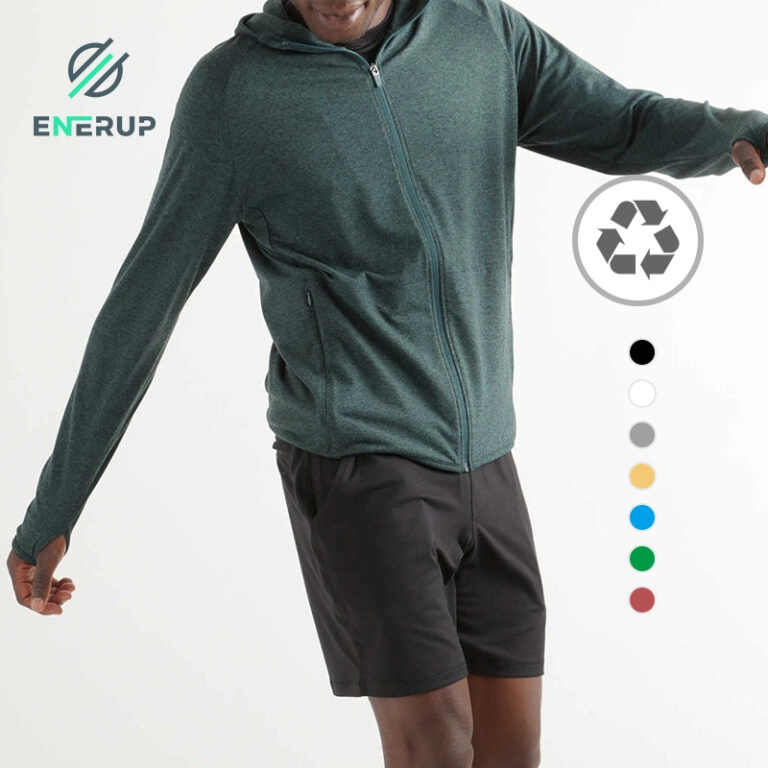
- recycled nylon or recycled polyester: sustainability positioning
- merino wool blends: warmth, odor management, and thermal base layers
- organic cotton or modal blends: softness and lifestyle comfort
Material choice should match the product purpose. Yoga styles need softness and recovery. Gymwear needs durability and stretch performance. Ski and outdoor base layers need warmth and moisture management. Compression garments require high elasticity, controlled support, and shape retention.
Fit and Size Development
Sportswear clothing that feels seamless will not have any bulges, rolling, sliding, and restricting fit. When fitting, the factors to be considered include the size chart, compression ratio, length of the clothing, waistband design, and body mapped panels.
Size grading is key in private label clothing due to the requirement of keeping consistency in compression ratio, elasticity, and panel placement for all sizes. This can be verified through prototype samples.
Development Checklist Before Bulk Production
Before bulk production, brands should confirm the following details:
- target product category
- yarn composition
- fabric weight or density
- compression level
- size range and grading
- color and lab dip approval
- logo placement
- waistband and hem construction
- opacity and squat-proof testing
- stretch and recovery testing
- wash shrinkage
- pilling resistance
- packaging and labeling
- MOQ and delivery timeline
Quality Control
Quality checks should include measurement accuracy, fabric defects, colorfastness, shrinkage, pilling, opacity, stretch recovery, seam finishing, waistband stability, and washing performance.
For seamless orders, quality control should also check knitting defects, yarn breakage, uneven tension, compression consistency, body-mapped zone alignment, opacity under stretch, waistband rolling, and color consistency across batches.
For commercial orders, consistent quality helps reduce returns, protect product reputation, and improve repeat purchasing.
Customization and Production Planning
Custom seamless sportswear requires careful planning before production. Essential details should be clearly communicated to the factory, including tech packs, materials, colors, size range, logo placement, knit construction, compression zones, packaging, labels, trims, and order quantity.
A strong production plan should also clarify MOQ, sampling rounds, lab dip approval, quality control standards, packing requirements, and delivery timeline.
FAQ
What is seamless sportswear?
Seamless sportswear is activewear made with as few traditional seams as possible in the main body of the garment. It is typically produced by knitting the main body directly from yarn using specialized seamless knitting technology.
Is seamless sportswear completely seam-free?
No. Seamless sportswear reduces traditional seams in the main body, but stitching may still be needed for waistbands, hems, labels, cups, gussets, trims, or final assembly.
What materials are suitable for seamless activewear?
Possible materials include nylon/spandex, polyester/spandex, merino wool blends, organic cotton blends, recycled yarn blends, and other functional fibers depending on the product application.
What products are best for seamless construction?
Leggings, sports bras, tops, tanks, underwear, compression wear, and base layers are common seamless categories because they benefit from close fit, stretch, comfort, and reduced friction.
Why do commercial buyers choose seamless sportswear?
Commercial buyers choose seamless sportswear because it offers comfort, a clean appearance, flexible fit, body-mapped functional zones, and multiple applications across fitness, yoga, outdoor, compression, and lifestyle activewear.
Can seamless sportswear be customized for private-label brands?
Yes. Customization can include yarn composition, knit structure, compression zones, colors, logo placement, size range, packaging, labeling, and MOQ planning.
What should brands test before bulk production?
Brands should test fit, compression, stretch recovery, opacity, pilling, shrinkage, colorfastness, waistband stability, body-mapped zone placement, and wash performance before bulk production.
Harvest SPF provides custom seamless sportswear manufacturing and supply support for activewear labels, retailers, wholesalers, sourcing teams and private-label projects.
Harvest SPF can support the development of seamless leggings, sports bras, base layers, compression items, gym tops, and yoga apparel. Support can include fabric recommendations, tech pack review, prototype sampling, MOQ planning, production management, quality control, packaging, and shipping.
Harvest SPF can provide clients with a clear development plan for commercial seamless sportswear orders, including materials, fit, size range, colors, logo placement, packaging, quality control, and production requirements before large-scale production begins.
Contact Harvest SPF to discuss seamless activewear fabric options, product development, sampling, MOQ, quality control, packaging, and ODM/OEM production for your next collection.