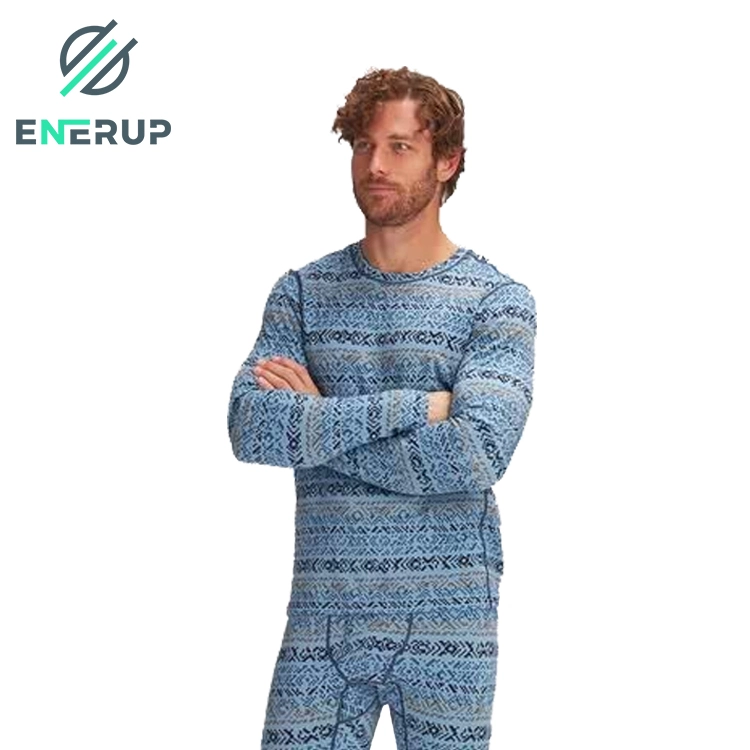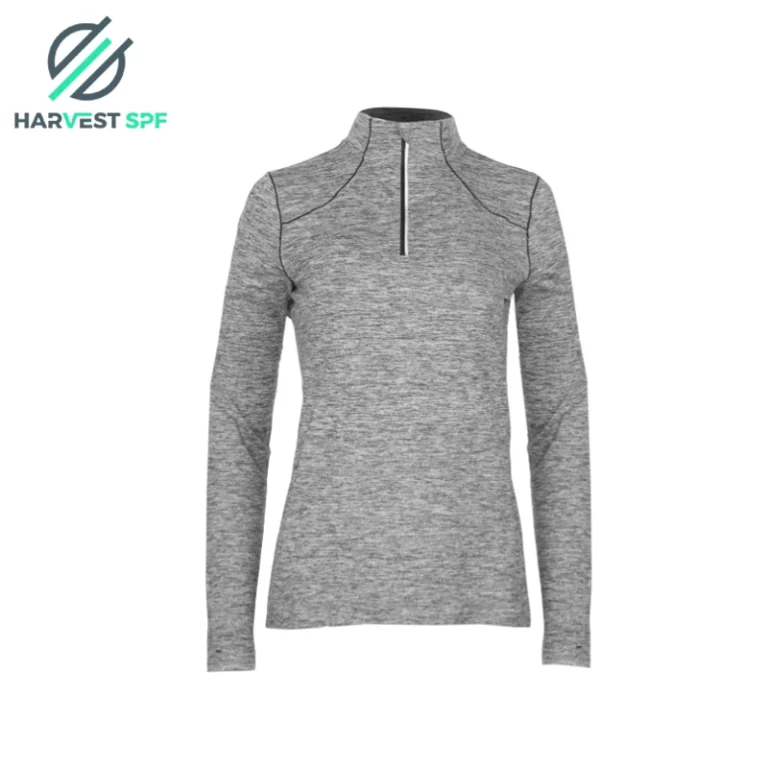

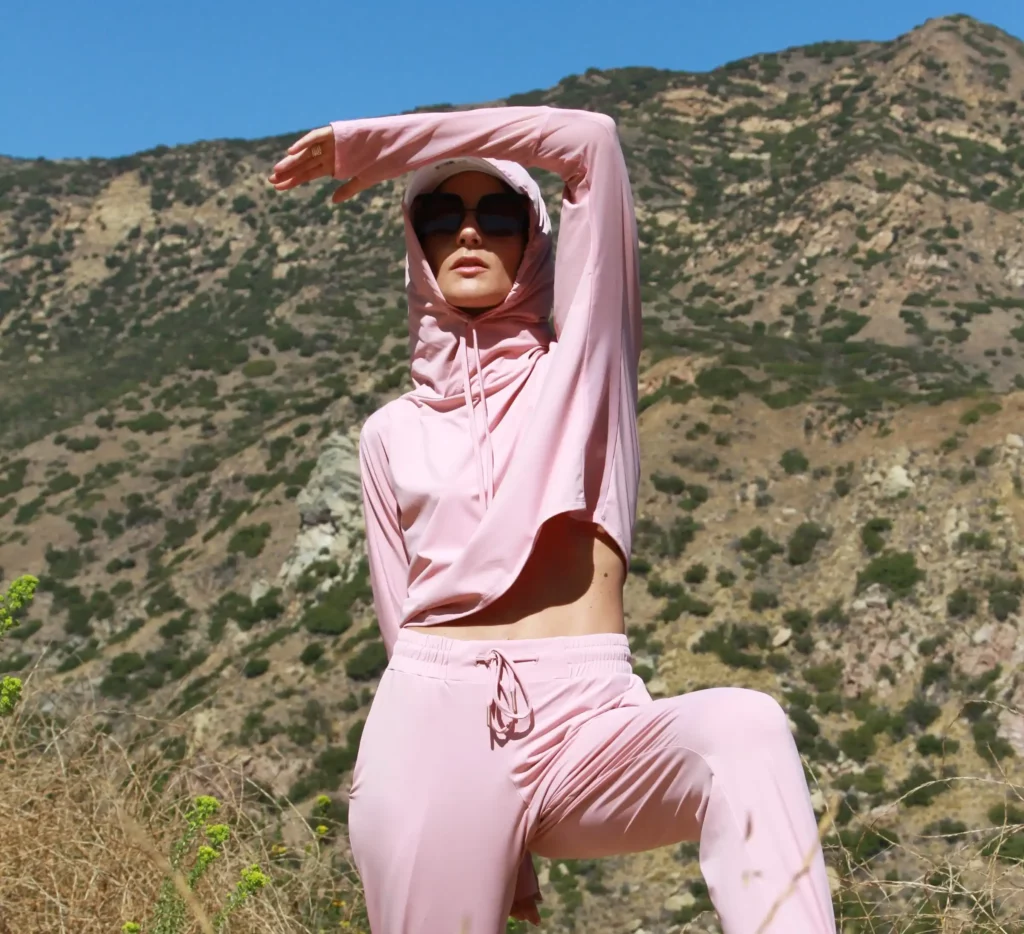
As businesses choose textiles for their manufacturing of garments used outdoors or worn on sunny days, UV resistance will be considered an important aspect. The radiation coming from the sun poses damage to the skin. Such damages include skin burn, skin aging, and high chances of developing skin cancer. When textile manufacturers test out fabrics that can be used in making clothes for resisting the sun’s radiation, there is consideration of natural and artificial fabrics. This paper will review cotton and polyester.
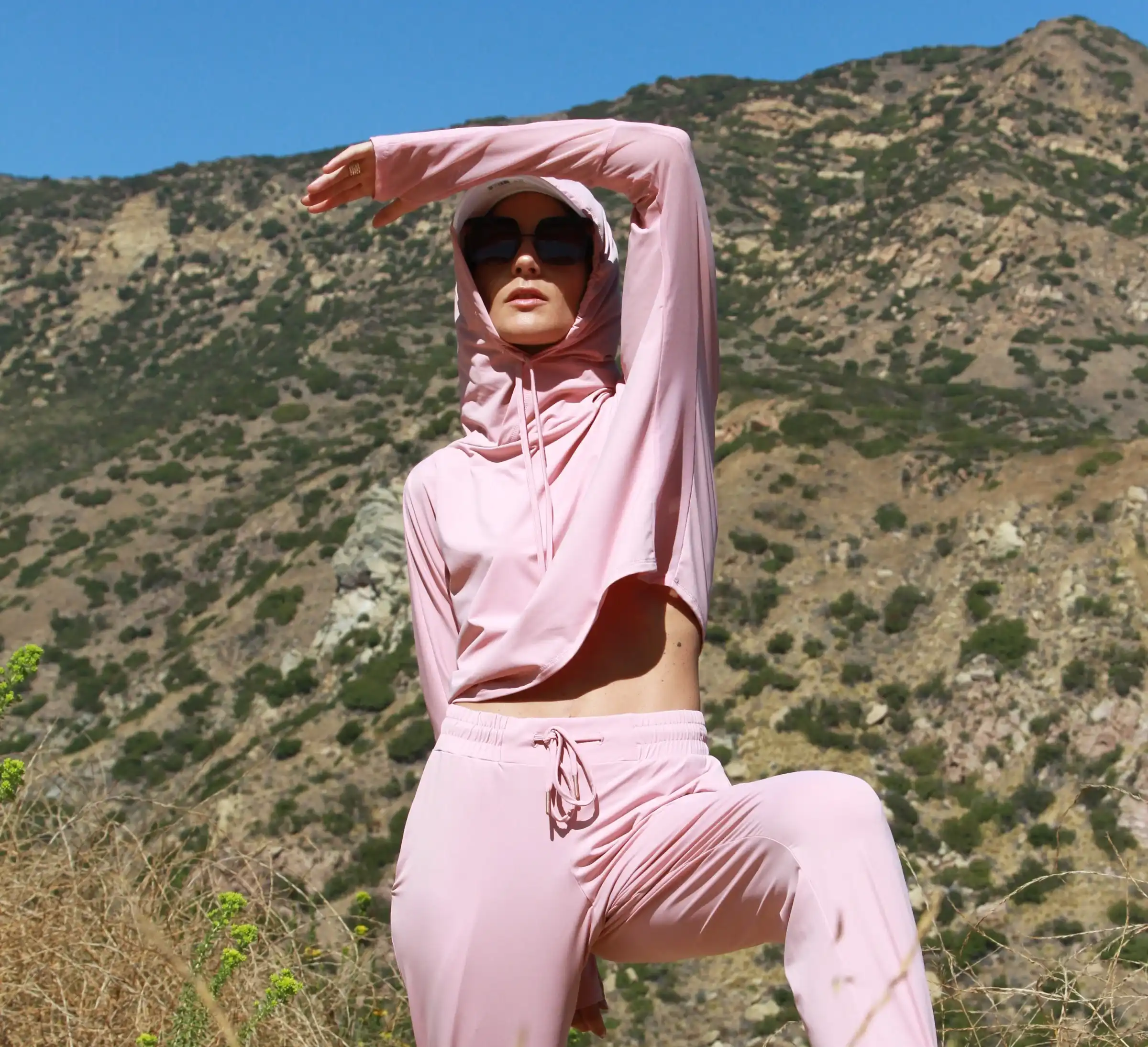
Understanding UV Radiation and UV Protection
UV radiation makes up part of the sun’s electromagnetic spectrum. It includes UVA, UVB, and UVC rays. UVC gets absorbed mostly by the atmosphere. This leaves UVA and UVB as the main issues for skin contact. UVA goes deep into the skin. It speeds up skin aging and creates wrinkles. UVB hits the outer layer. It leads to sunburn and plays a big role in skin cancer growth.
The Ultraviolet Protection Factor (UPF) checks how well a fabric works. A UPF 50 rating, for example, blocks 98% of UV radiation. It allows only 2% to pass through. Several things affect UPF. These include fiber type, weave density, fabric weight, color, and any added treatments. Fabrics built with tight construction usually work better than loose weaves. Darker colors take in more UV rays than light ones.
Cotton: The Natural Fiber
Cotton comes from the cotton plant. It acts as a main natural fiber in the textile industry. People like it for comfort, breathability, and use in many kinds of garments.
UV Protection Properties of Cotton
Cotton’s UV performance relies a lot on how it is made:
- Weave and Weight:Tightly woven, heavier cotton fabrics such as denim or canvas give better protection than lightweight, loosely woven types like standard T-shirt material.
- Color:Darker colors improve UV absorption. They give more shielding than pale shades.
- Treatments and Finishes:UV-absorbing chemical treatments can raise cotton’s UPF rating by a good amount. They turn simple fabrics into better protective choices.
Advantages of Cotton for UV Protection
Cotton gives strong breathability. This helps keep comfort high during long wear in warm places. Its soft feel reduces skin irritation. This makes it good for sensitive skin uses. These features turn cotton into a useful pick for garments meant for long outdoor time. Comfort in these items leads to regular wear.
Limitations of Cotton for UV Protection
Untreated cotton usually gives only basic natural UV blocking. Protection often drops when the fabric gets wet. In addition, cotton can lose its protective features over time. Wear, frequent washing, and outside conditions cause this loss. The fabric needs good care to keep its performance.
Polyester: The Synthetic Champion
Polyester is a petroleum-based synthetic fiber. Factories make it through chemical processes. It earns value for strength, durability, and toughness in tough conditions.
UV Protection Properties of Polyester
Polyester shows good natural UV-blocking traits:
- Fiber Structure:The synthetic makeup of polyester fibers blocks more UV radiation than many natural choices.
- Weave and Density:Dense, tightly woven polyester builds reach higher UPF ratings.
- Color and Treatments:Polyester takes dark dyeing well. It works well with UV-inhibiting finishes for extra performance improvements.
Advantages of Polyester for UV Protection
Polyester often reaches higher starting UPF ratings than cotton without special treatments. Its durability lets it hold protective features through many washes and long use. Moisture-wicking abilities keep wearers drier and more comfortable in hot, sunny places. This reduces stickiness and discomfort.
Limitations of Polyester for UV Protection
Polyester usually provides lower breathability than cotton. This can lower comfort in very hot or humid conditions. The fabric needs advanced features to fix this issue. Some users say it has a less natural feel than cotton. Still, new versions keep making the touch better.
Which Offers Better UV Protection: Cotton or Polyester?
Polyester usually gives better UV protection. It does this because of its fiber structure, higher possible UPF ratings, and lasting durability. It performs well in uses where steady sun shielding matters most. Examples include active outdoor apparel, sportswear base layers, and performance garments.
For the best UV protection, manufacturers focus on tightly woven, dark-colored polyester fabrics with high UPF details. They may add treatments as an option. Polyester’s moisture management gives more support for its use in activities that cause heavy sweat.
Cotton stays useful when breathability and softness come first. This is true especially in hot, humid climates or for casual wear. The choice of dense weaves, darker colors, and UV treatments improves its performance in these cases.
Additional Factors in Fabric Selection for UV-Protective Apparel
Fabric Blends and Hybrid Solutions
Many manufacturers mix cotton and polyester to balance features. Polyester-cotton blends join polyester’s UV strength and durability with cotton’s comfort. The ratio affects total performance. Higher polyester content usually helps UV protection and moisture control. Harvest SPF develops functional blends. These include sustainable options like organic cotton with performance synthetics.
Sustainable Material Options
Need for eco-conscious fabrics increases together with UV performance needs. Choices such as organic cotton, Merino wool, TENCEL™, Modal®, and recycled polyester help suppliers meet environmental and protective standards. These materials support certifications and traceability. Retailers and brands place value on these points.
Construction Techniques Enhancing UV Performance
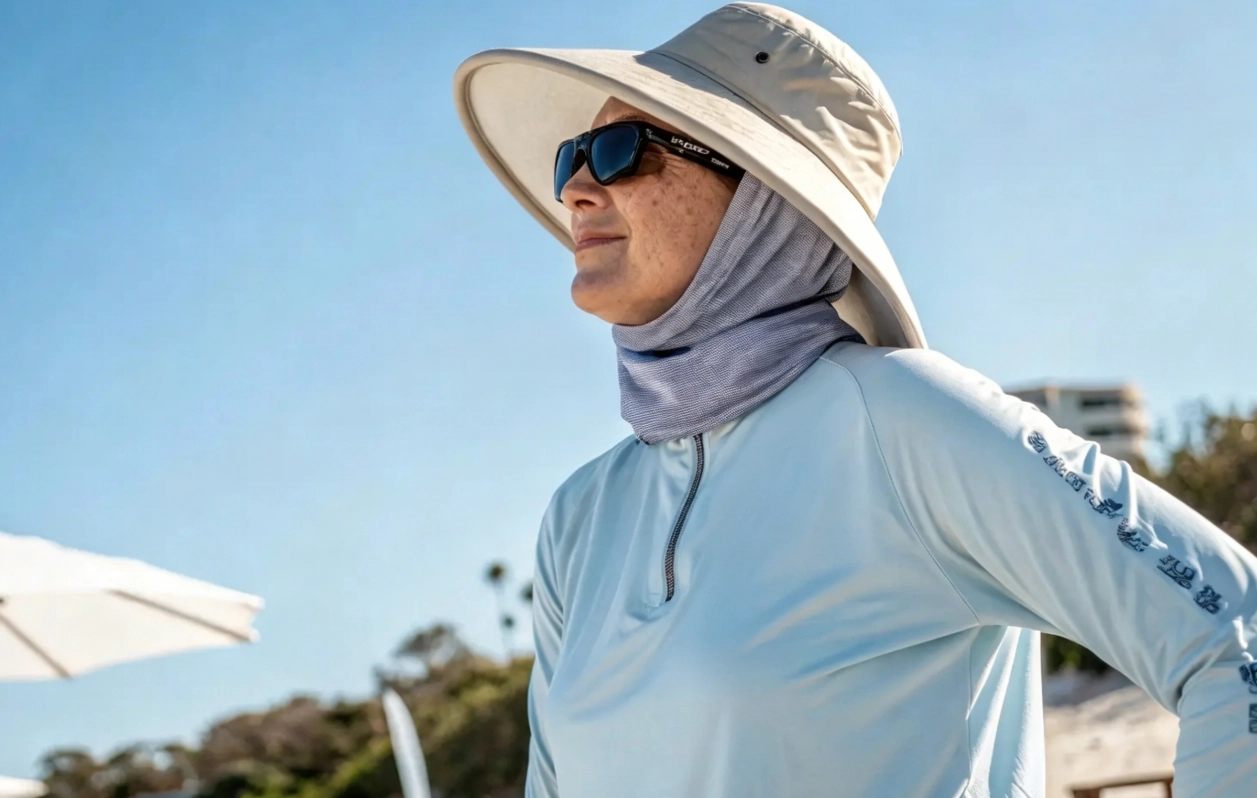
Besides fiber choice, garment construction influences real-world protection. Seamless knitting, dense patterning, and careful layering add to good coverage. Long sleeves, high collars, and full-coverage designs increase protected areas. Harvest SPF specializes in base layers and performance pieces. These get optimized for such features.
Testing and Certification
Good UV protection needs standard testing. Manufacturers should check UPF ratings through approved labs. Factors like stretch, wear, and laundering affect long-term ratings. This makes durability testing important for quality checks.
Harvest SPF Expertise in Functional Textiles
Founded in 1993, Harvest SPF specializes in the development and commercialization of healthy and functional fabrics through research, development, ODM vertical manufacturing, and global trading.
Harvest SPF provides knowledge and know-how in materials such as merino wool, eco-friendly synthetic fibers, and performance fabrications that can be used for UV protection purposes. Products range from base layers, thermal clothing, compression wear, and sweat-proof fabrics designed for sportswear and everyday wear.
FAQ
What is the difference in UV protection between cotton and polyester?
Polyester generally provides stronger inherent UV blocking and higher UPF ratings with better durability over time. Cotton offers good performance when densely woven, darkly colored, and treated but typically starts from a lower baseline and may lose effectiveness when wet or after repeated use.
Does fabric color affect UV protection?
Yes. Darker colors absorb more UV radiation across both cotton and polyester. This improves protection compared to lighter shades.
Can UV protection in fabrics be improved?
Yes. Chemical UV treatments, tighter weaves, and specialized fiber engineering boost performance in clear ways. Many performance fabrics combine these methods.
Which fabric is better for hot weather outdoor activities?
Polyester excels in moisture-wicking and durability for sun-intensive activities. Cotton provides superior breathability but may require treatments for adequate UV shielding. Blends or advanced constructions often deliver optimal balance.
How should apparel manufacturers evaluate fabrics for sun protection lines?
They should prioritize verified UPF ratings. They need to consider end-use (activity level, climate). They must assess durability after washing. They should align with sustainability goals. Partnering with experienced suppliers ensures access to tested, customizable solutions.
Partner with Harvest SPF for Advanced Functional Textiles
For businesses looking for trusted sources of UV protective fabrics, high performance fabrics, and sustainable fabric technologies, the vertical manufacturing facilities of Harvest SPF can help. With customization options, low MOQs, quick sampling, and complete ODM and OEM services, Harvest SPF can help create base layers, performance wear, and protective wear for particular markets.
Talk to the experts at Harvest SPF about your material needs, custom material development, or manufacturing requirements. Discover the advantages of our material technology for fitness wear, outdoor apparel, yoga wear, and daily performance wear with decades of experience and a history of shipping worldwide. Enhance your product line with superior fabrics made for health and safety. Visit our website to begin working together today.