
custom sportswear has evolved from basic team uniforms into a performance-driven apparel category that combines identity, comfort, movement, technical fabrics, and brand differentiation. Today, custom sportswear is not only about logos, team colors, or names on a jersey. It also involves fabric engineering, fit development, decoration technology, sustainability, sampling, quality control, and scalable production
Custom sportswear manufacturers now support a much wider development process, from fabric selection and tech pack review to sampling, decoration, production planning, quality control, packaging, and shipping. For apparel brands, teamwear buyers, fitness labels, and private-label activewear programs, this shift creates more opportunities to build products that perform well, look consistent, and match the needs of modern consumers.
Early Days: Simple and Functional
Early athletic apparel was often simple, heavier, and designed mainly for coverage, durability, and basic movement. Customization was limited to team colors, stitched names, numbers, badges, or emblems. These early garments did not offer the breathability, stretch, moisture management, or ergonomic fit that modern sportswear buyers expect today.
Even in the earliest stages, the core requirement was clear: sportswear had to move with the body. This basic principle later became the foundation for performance apparel development, where fabric, fit, construction, and finishing all work together to support activity.
Mid-20th Century: Rise of Team Identity
As organized sports expanded, athletes and teams used uniforms to show unity, identity, and belonging. Team colors, logos, numbers, player names, school marks, club emblems, and sponsor details all became part of how sportswear communicated identity to players and wider fan communities.
The need for repeatable production also grew. Teams, schools, clubs, and institutions required garments with consistent sizing, consistent colors, and consistent decoration. They also needed the ability to place reorders with the same specifications. As a result, manufacturers began improving printing, cutting, sewing, color control, order management, and bulk production consistency.
The Arrival of Synthetic Fabrics
The arrival of synthetic and blended fabrics changed how custom sportswear could be designed and manufactured. Polyester helped improve drying speed and durability, nylon offered smoothness and abrasion resistance, and spandex or elastane added stretch and recovery. These materials allowed sportswear to move beyond basic uniforms and become more purpose-built for training, competition, and active lifestyles.
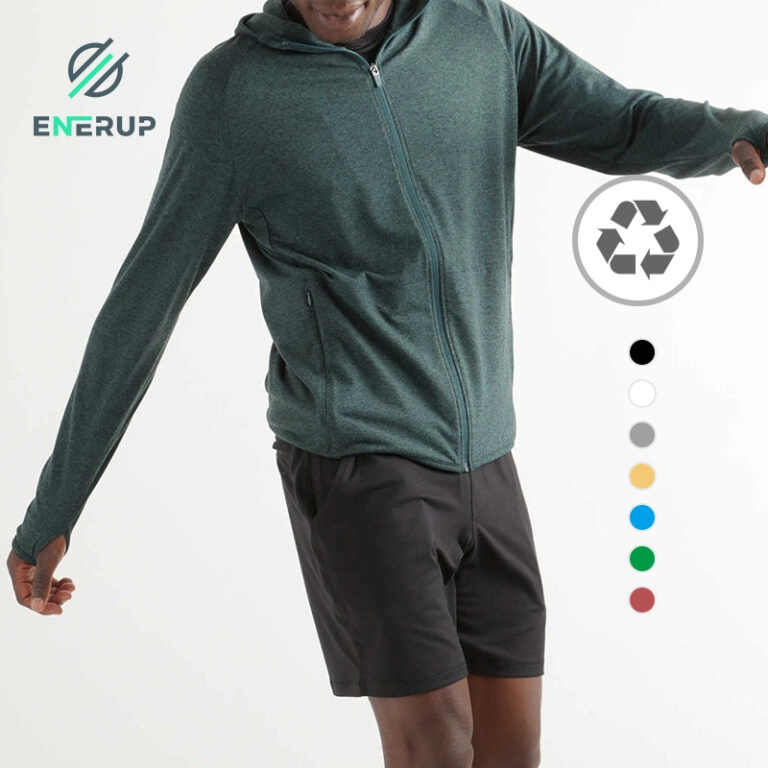
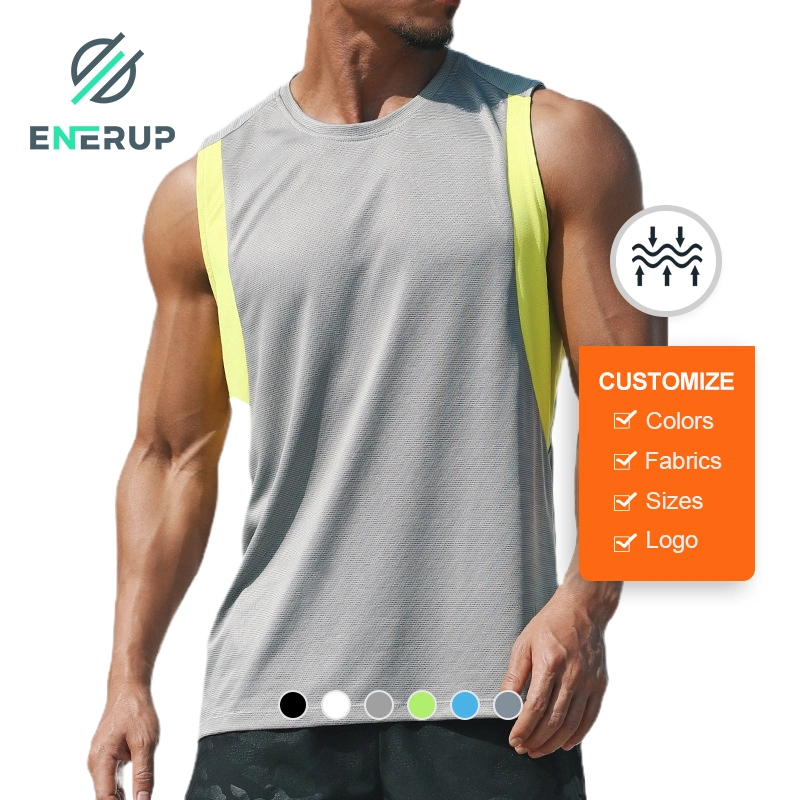
Moisture management became one of the most important performance standards for training tops, pants, leggings, compression garments, socks, and base layers. The key requirement was to move sweat away from the skin while keeping the garment comfortable, durable, and stable after repeated washing. Modern custom sportswear may also include recycled polyester, recycled nylon, moisture-wicking knits, compression fabrics, mesh zones, and other engineered textile structures.
Advanced Printing Techniques
Printing and decoration technologies helped turn custom sportswear into a distinct commercial category. Screen printing, heat transfer, embroidery, digital printing, and sublimation printing made it possible to create higher-quality logos, detailed artwork, customized names, numbers, and full visual identity systems.
For brands, decoration quality is critical. Prints must withstand stretching, rubbing, washing, and repeated wear without cracking, peeling, or fading. Logo placement must remain consistent across sizes, and color approval must be controlled before bulk production. The right decoration method should be selected based on fabric type, stretch level, artwork complexity, order quantity, target price, and wash durability requirements.
A complete decoration program may include artwork review, tech packs, trims, labels, sample approval, lab dip or color approval, placement confirmation, and bulk production standards. These details help ensure that customized garments look professional and remain consistent from sample to shipment.
Customized Fit: A New Dimension
Fit and pattern development have become major parts of modern sportswear customization. Custom sportswear is no longer only about how the garment looks; it is also about how it moves, stretches, supports the body, and performs during activity. A poorly cut pattern can restrict movement, create friction, trap heat, and lose shape quickly. A well-developed pattern can improve comfort, mobility, and wearer confidence.
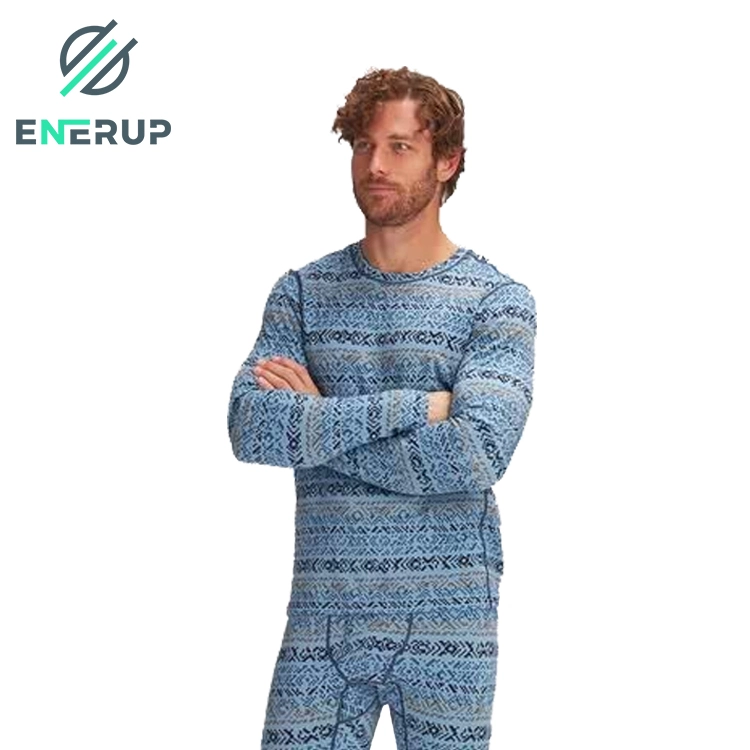
Different sportswear categories require different fit logic. Compression garments need controlled pressure and recovery. Yoga apparel needs stretch, softness, and coverage. Running apparel needs ventilation and low-friction construction. Thermal base layers need warmth without bulk. Modern fit development usually involves pattern review, fit samples, size grading, movement testing, and pre-production approval before bulk production.
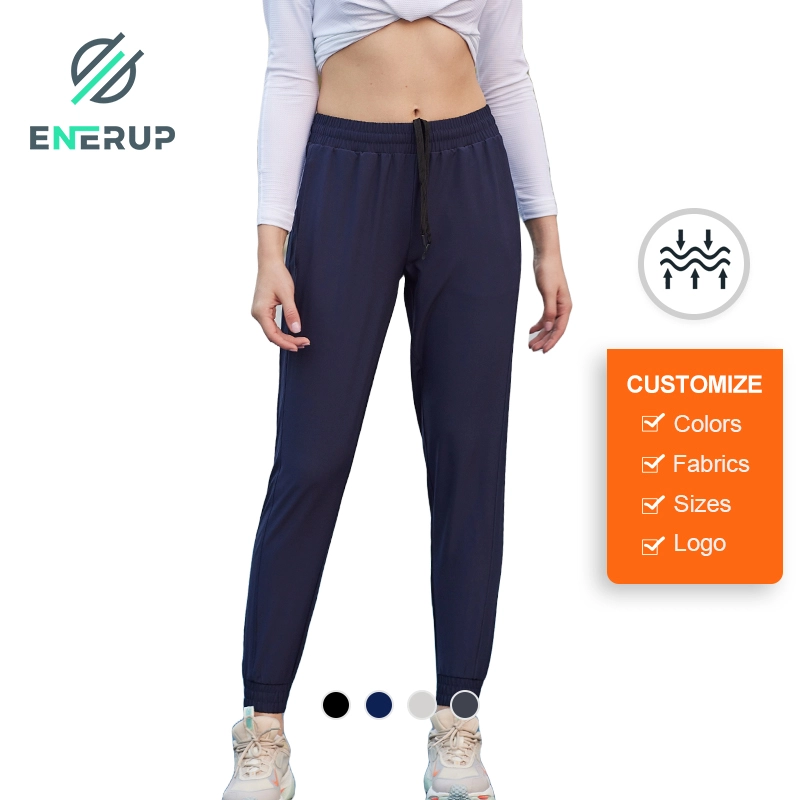
Focus on Sustainability
Sustainability has become an important factor in custom sportswear development. It is influenced by material origin, garment durability, ethical production, packaging choices, low-waste sampling, and responsible bulk production. A strong quality system also supports sustainability because better durability can help extend garment life and reduce product waste.
Sustainable material options may include merino wool, organic cotton, recycled polyester, recycled nylon, TENCEL™/lyocell, modal, selected bio-based fibers, and bamboo-derived fibers depending on processing method, certification, product use, and performance requirements. These materials can support comfort, breathability, temperature regulation, softness, and a more responsible product story when used correctly.
For B2B buyers, sustainability claims should be supported by documentation where applicable, such as recycled content certification, organic fiber certification, OEKO-TEX®, RWS, FSC/PEFC, supplier declarations, or other relevant standards depending on the material and market requirements.
Rise of Athleisure: Blurring the Lines
The athleisure movement has changed how consumers wear custom sportswear. Consumers now expect sportswear to move between the gym, travel, work-from-home, casual outings, and everyday errands. They look for clean silhouettes, soft fabrics, improved drape, neutral color options, and subtle performance features that do not make the garment look overly technical.
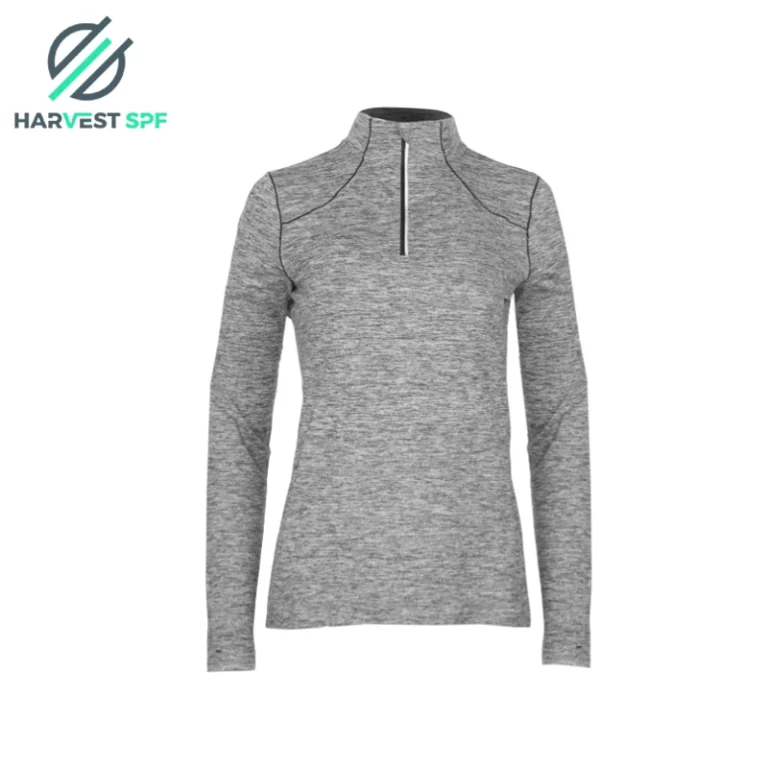
Custom sportswear today needs to perform during training while remaining comfortable and stylish enough for regular daily wear. This creates opportunities for moisture-wicking tops, seamless base layers, gym sets, lightweight layers, soft loungewear, versatile pants, and functional essentials that connect performance with lifestyle use.
Role of Technology in Customization
Technology supports every stage of custom sportswear production, from digital design files and structured tech packs to sample tracking, color approval, production schedules, quality control reports, packing accuracy, and logistics planning. These systems help reduce risk and make customized production more repeatable.
Technology helps convert creative ideas into repeatable production specifications. In manufacturing terms, all details need to be confirmed before bulk production, including measurements, fabric weight, shrinkage, seam placement, stitching method, logo application, packaging requirements, barcode details, carton information, and quality control criteria.
From Prototype to Production: The Manufacturing Lens
Custom sportswear programs are most successful when manufacturability is considered from the beginning. A strong concept still needs available fabric, correct trims, realistic MOQ, sample approval, production capacity, testing standards, quality checks, and shipping planning before it can become a scalable product.
Sampling confirms fit, fabric behavior, construction, artwork placement, and size grading before larger orders begin. Harvest SPF highlights rapid prototyping, flexible MOQ options with in-stock fabric, in-process inspections, final pre-shipment inspections, and support for third-party inspection when required.
Custom Sportswear Development Process
| Stage | What Brands Should Confirm |
| Concept | Target sport, customer, price point, product function, and market positioning |
| Fabric | Material, GSM, stretch, opacity, moisture management, durability, and certification needs |
| Fit | Pattern, size grading, movement comfort, compression level, and sample approval |
| Decoration | Logo method, artwork placement, color approval, wash durability, and stretch performance |
| Sampling | Prototype sample, fit sample, size set sample, and pre-production sample |
| Production | MOQ, timeline, quality control, packing, shipping, and reorder planning |
Conclusion
The evolution of custom sportswear shows a clear move from basic function to integrated performance. Early uniforms focused on comfort and identification. Later stages added team identity, synthetic fabrics, advanced decoration, better fit, sustainable materials, athleisure styling, and technology-enabled customization.
Today, custom sportswear supports teams, retailers, fitness labels, outdoor programs, and private-label collections with products that combine identity, comfort, movement, durability, and responsible production.
For modern apparel brands, successful custom sportswear is not just about customization. It is about combining product strategy, fabric development, fit engineering, decoration, production control, and quality assurance into one scalable program.
FAQ
What does custom sportswear include?
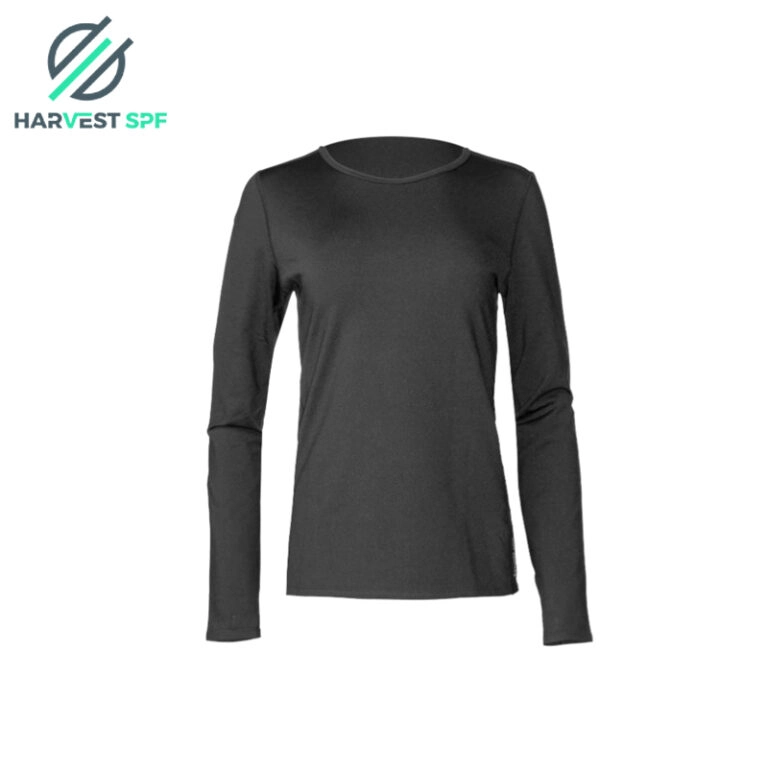
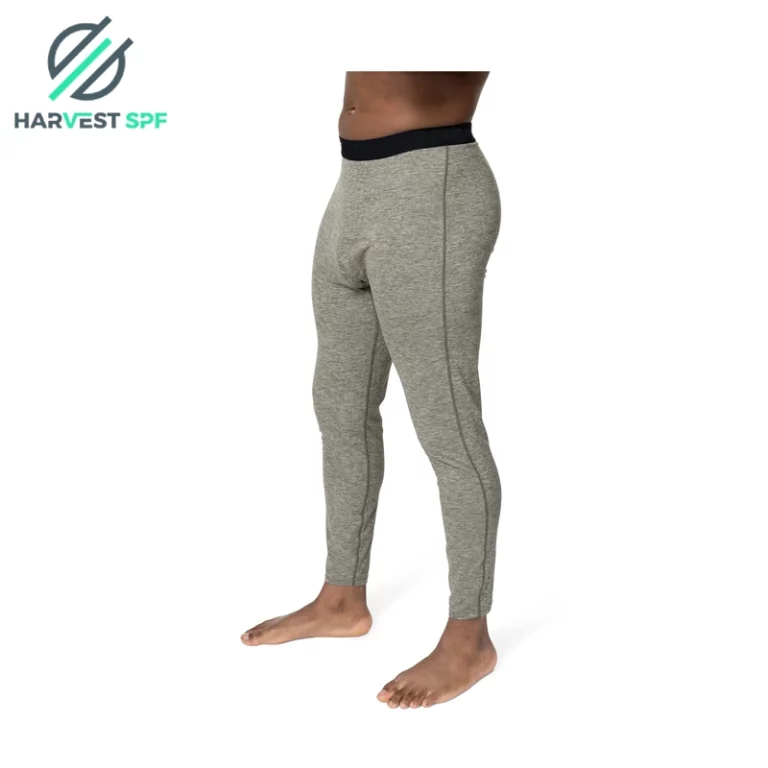
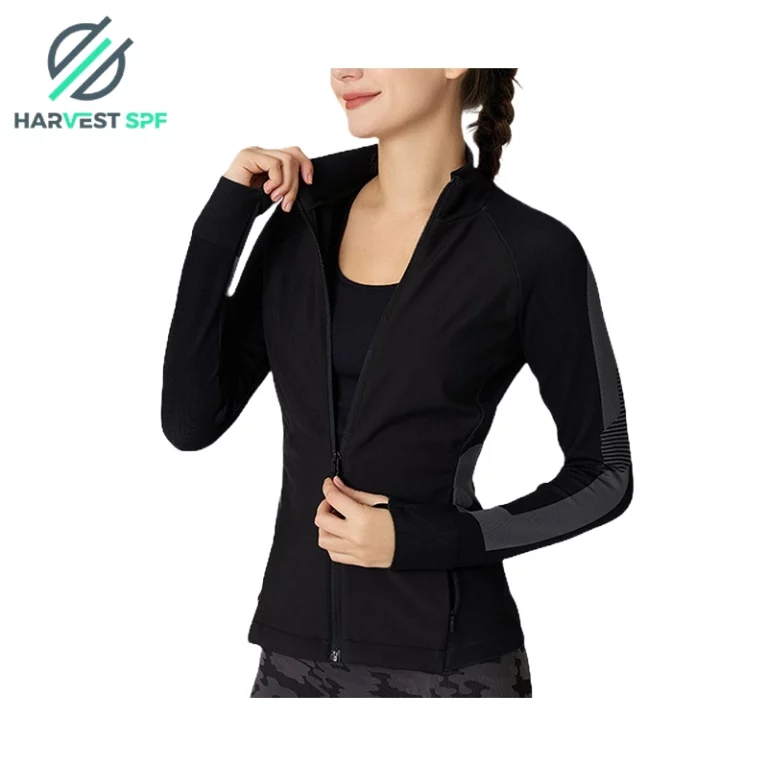
Custom sportswear can include teamwear, training tops, leggings, shorts, base layers, compression wear, sports bras, outer layers, socks, thermal layers, and other performance or athleisure products developed with custom fabric, fit, color, logo, packaging, or functional details.
What makes modern custom sportswear different from traditional teamwear?
Traditional teamwear focused mainly on team colors, logos, numbers, and identity. Modern custom sportswear also includes performance fabrics, moisture management, stretch recovery, ergonomic fit, wash durability, sustainable material options, and consistent bulk production.
Why are fabrics important in custom sportswear?
Fabric determines comfort, stretch, breathability, sweat management, durability, opacity, warmth, and recovery. A strong fabric choice improves both performance and perceived product value.
Which decoration method is best for custom sportswear?
The best decoration method depends on fabric type, stretch level, artwork complexity, order quantity, target price, and washing requirements. Common options include sublimation, heat transfer, screen printing, embroidery, woven labels, and silicone labels.
What is the difference between cut-and-trim and seamless sportswear?
Cut-and-trim garments are made by cutting fabric panels and sewing them together. Seamless sportswear is knitted directly from yarn with fewer seams, making it suitable for close-fitting activewear, base layers, and comfort-focused performance products.
Why is sampling necessary before bulk production?
Pre-production sampling checks fit, construction, fabric performance, decoration placement, garment size, and overall production feasibility before bulk production starts. This helps reduce avoidable production risks and quality problems.
Can Harvest SPF support private-label custom sportswear?
Yes. Harvest SPF can support fabric recommendation, tech pack review, prototype sampling, MOQ planning, production scheduling, inspection, packing, and delivery coordination for private-label custom sportswear programs.
Custom Sportswear Manufacturer & Supplier Partnership
Harvest SPF provides a practical development path for retailers, sourcing teams, private-label programs, sportswear labels, fitness apparel companies, and outdoor product lines seeking functional custom sportswear. With experience in textile R&D, material selection, ODM/OEM production, sampling, quality control, sustainable packaging, and global shipping support, Harvest SPF helps transform product concepts into scalable apparel programs.
For new custom sportswear projects, Harvest SPF can support fabric recommendation, tech pack development, prototype sampling, MOQ planning, production scheduling, inspection, packing, and delivery coordination. Manufacturer and supplier cooperation begins with project details, target category, fabric direction, quantity plan, artwork, sizing, and functional requirements.
Contact Harvest SPF to discuss fabric options, custom design requirements, logo application, sampling, MOQ, quality control, packaging, and ODM/OEM production for your next custom sportswear program.