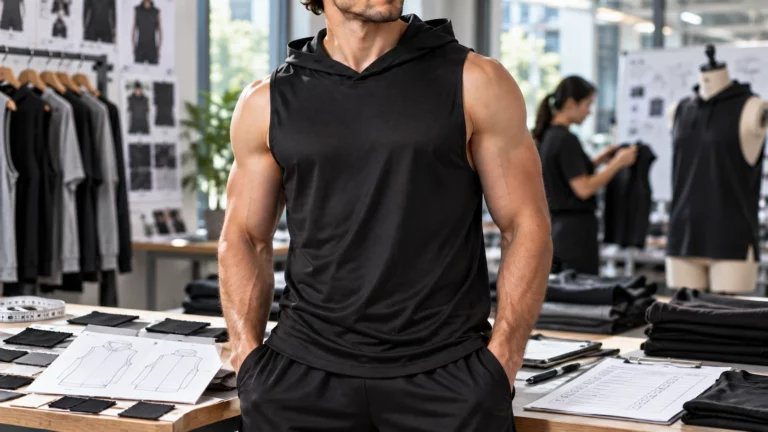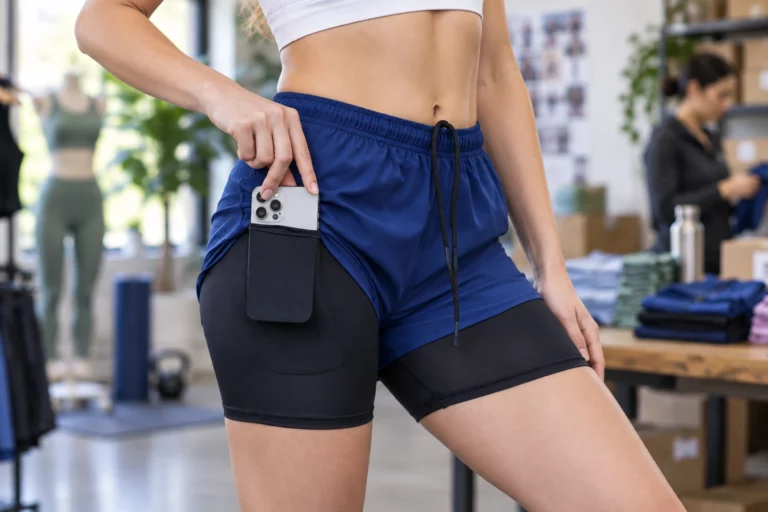

Gym outfits are no longer just basic workout clothes. For modern consumers, they need to provide comfort, confidence, support, mobility, sweat management, and style across different training scenarios.
A good gym outfit should be designed for physical activity, allowing the wearer to move freely, feel supported where needed, and stay cooler and drier during exercise. Because strength training, cardio, yoga, Pilates, and hybrid workouts all place different demands on clothing, gymwear should be developed around the movement, intensity, and fabric performance required for each activity.
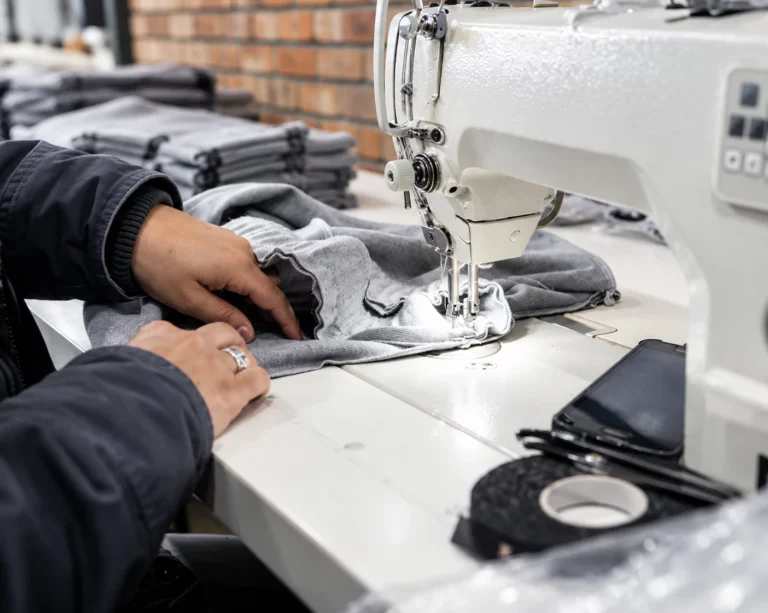
For activewear brands, retailers, and private-label teams, gymwear development should focus on practical product standards: fabric recovery, opacity, stretch, moisture management, seam comfort, fit consistency, size grading, wash durability, and reliable production quality. Harvest SPF develops functional textile and activewear solutions for these needs, combining fabric R&D, customization, ODM/OEM production, and international trade experience.
Choose Gymwear Based on Training Scenario
Not every gym outfit is suitable for every type of training. The best gymwear is designed around specific workout scenarios, movement patterns, intensity levels, and fabric requirements. For brands, creating products for defined training situations can help reach more customers, improve fit satisfaction, and reduce common issues such as rolling waistbands, visible sweat marks, chafing, poor opacity, or limited mobility.
What To Wear For Each Workout
Strength Training
Strength training requires gym clothes that stay in place during squats, hinges, presses, rows, and loaded movement. Bottoms should be squat-proof, supportive, and durable, with enough stretch for deep movement but enough structure to avoid sagging or sheerness.
Compression can create a secure, supportive feel, but it should not be so tight that it restricts movement, breathing, or comfort. Seam placement is also important because repeated lifting can cause friction at the inner thigh, waistband, shoulder, or underarm.
For strength training leggings and shorts, brands should pay close attention to squat-proof opacity, gusset construction, waistband recovery, abrasion resistance, flatlock seams, and seam durability in high-friction areas.
What to look for:
- Squat-proof leggings or shorts
- Durable stretch fabrics
- Supportive waistbands
- Gusset construction for movement comfort
- Flat seams, flatlock seams, or seamless construction
- Opaque darker colors
- Moderate compression without restriction
- Medium-to-high recovery fabrics
Cardio
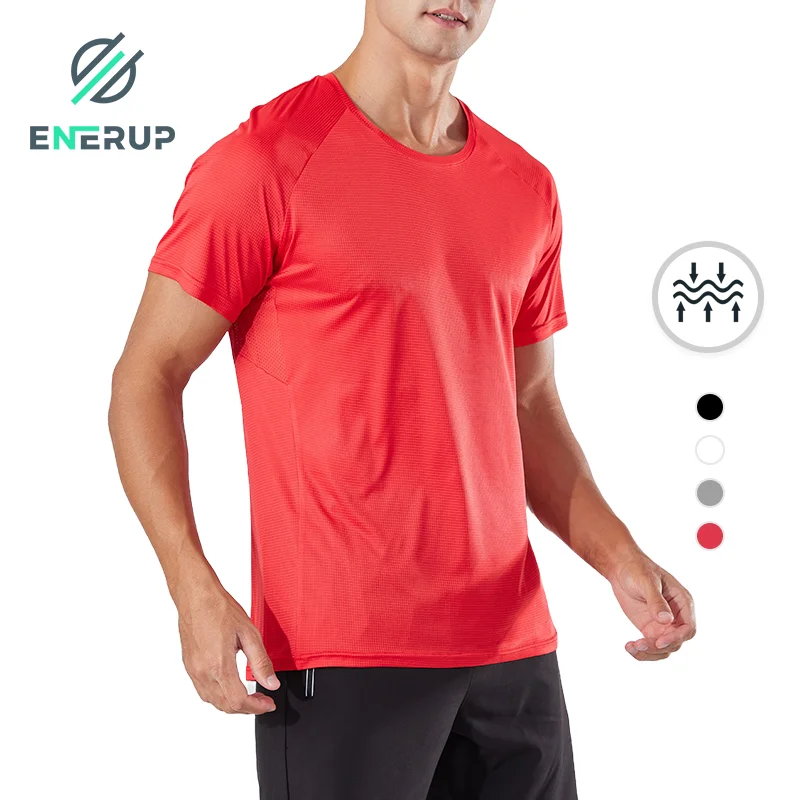
Cardio activities such as running, cycling, treadmill training, stair climbing, rowing, and HIIT generate heat and sweat quickly, so gymwear should be lightweight, breathable, and quick-drying.
For the upper body, the top should allow airflow while the bottom should remain secure to prevent rolling or slipping. Drying speed is especially important in high-sweat workouts because moisture retention can cause discomfort, odor buildup, and visible sweat marks.
Brands can also consider mesh panels, ventilation zones, anti-chafe construction, sweat-disguising color options, and reflective details for running or outdoor cardio pieces.
What to look for:
- Lightweight breathable fabrics
- Moisture-wicking technology
- Quick-dry construction
- Secure waistbands
- Anti-chafe seams
- Sweat-disguising color options
- Mesh panels or ventilation zones
- Reflective details for running pieces
Yoga and Pilates
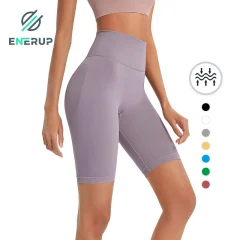
Yoga, Pilates, stretching, and mobility training need soft, flexible, skin-friendly fabrics. Clothing should support deep bends, twists, folds, and floor-based movement. A lower-compression feel is often more comfortable for these workouts.
Smooth hand feel, wide comfort waistbands, four-way stretch, and minimal seams can improve comfort and movement. Leggings, fitted tops, sports bras, and unitards should remain stable during inversions and stretching without feeling restrictive.
What to look for:
- Soft stretch fabrics
- Wide comfort waistbands
- Minimal seams
- Lightweight construction
- Four-way stretch
- Lower to medium support
- Smooth hand feel
- Stable fit during inversions and stretching
Hybrid Training
Hybrid training combines strength, cardio, mobility, and conditioning. This category requires versatile activewear that can perform across multiple movements. Multi-purpose leggings, 2-in-1 shorts, breathable tops, and light layering pieces are useful for mixed gym sessions.
A hybrid outfit should not feel too heavy for cardio or too thin for lifting. Balanced fabric weight, strong recovery, breathable structure, and flexible fit are key.
What to look for:
- Medium-weight performance fabric
- Sweat-wicking and breathable structure
- Stable stretch recovery
- Multi-purpose shorts or leggings
- Lightweight layers
- Secure but flexible fit
- Durable seams for mixed movement
Gymwear Product Development Guide
| Workout Type | Recommended Products | Fabric Focus | Key Development Points |
| Strength training | Leggings, shorts, fitted tops | Medium-weight stretch fabric | Opacity, recovery, waistband stability, gusset construction |
| Cardio / HIIT | Tanks, T-shirts, shorts | Lightweight quick-dry fabric | Breathability, sweat wicking, anti-chafe seams, ventilation zones |
| Yoga / Pilates | Leggings, bras, unitards | Soft four-way stretch fabric | Comfort, smooth hand feel, minimal seams, stable fit |
| Hybrid training | 2-in-1 shorts, leggings, tops | Balanced performance fabric | Versatility, durability, movement comfort |
| Warm-up / layering | Hoodies, pullovers, joggers | Fleece, French terry, thermal knit | Warmth, easy layering, shape retention |
Gym Essentials and When To Wear Them
A complete gymwear range usually includes tops, bottoms, bras, layers, socks, underwear, and accessories. Each product category has a different function and should be designed around training intensity, body movement, and fabric performance.
Sweat-Wicking Tops
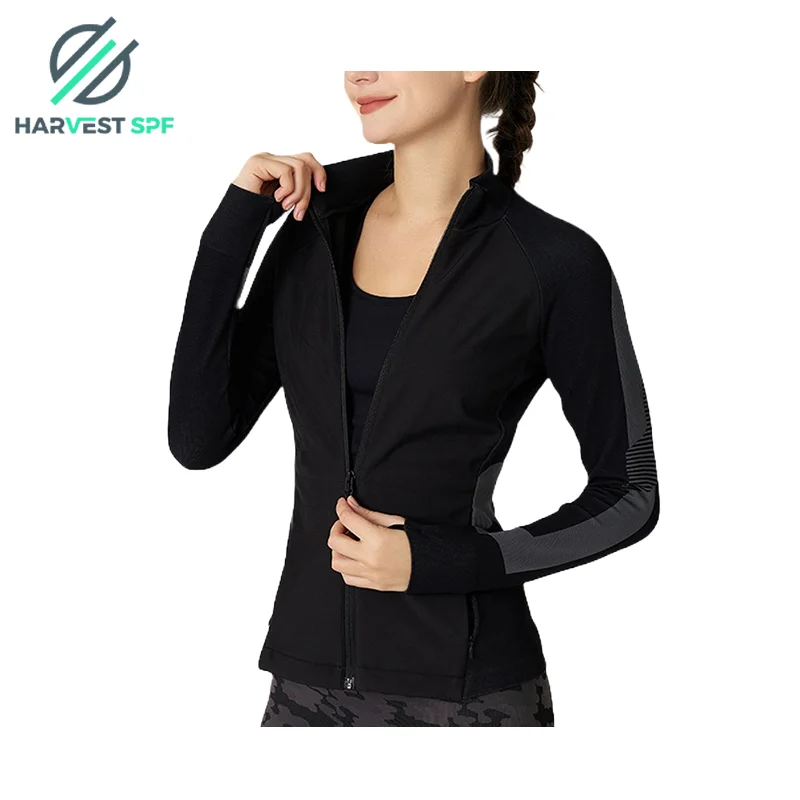
Sweat-wicking tops help move moisture away from the skin and support a cooler, drier feel. Tanks and sleeveless tops work well for cardio and high-heat training. Fitted T-shirts are useful for lifting because they reduce loose fabric around equipment. Long-sleeve tops and quarter-zip layers are suitable for warm-ups, cool gyms, outdoor training, or transitional weather.
For product development, fabric choice should balance softness, breathability, stretch, drying speed, and durability. Top construction can also include mesh panels, bonded seams, reflective details, raglan sleeves, or ventilation mapping depending on the product’s target use.
Breathable Bottoms
Gym bottoms need to support movement without slipping, rolling, or becoming transparent. Leggings are a core gym staple because they offer coverage, stretch, and support. Shorts are suitable for cardio, functional training, and warm environments. Joggers and sweatpants work well for warm-ups, cool-downs, modest styling, and lower-intensity gym sessions.
Key development points include waistband recovery, gusset design, short length, fabric opacity, stretch recovery, seam strength, and wash durability. These details help private-label gymwear perform well after repeated wear and washing.
Supportive Sports Bras
Sports bras should be developed by support level. Low-impact bras are suitable for yoga, Pilates, and stretching. Medium-impact bras support strength training and general gym workouts. High-impact bras are designed for running, jumping, and intense cardio.
A strong sports bra range should consider band stability, strap design, cup coverage, lining, fabric recovery, and size grading. Soft-touch materials can improve comfort, while compression and structure help control movement.
Additional Gymwear Categories to Consider
Pre- and post-training outfits can include warm-up layers such as hoodies, sweatshirts, pullovers, and joggers. Seamless underwear can help reduce visible lines and friction, while performance socks should be cushioned, breathable, and secure enough for training.
Accessories such as caps and headbands can support sweat management and keep hair away from the face during intense workouts. Training shoes are also part of the overall outfit context, but for apparel brands, the main product focus should remain on gymwear, layers, socks, and performance accessories.
Fabric Features That Matter In Gymwear
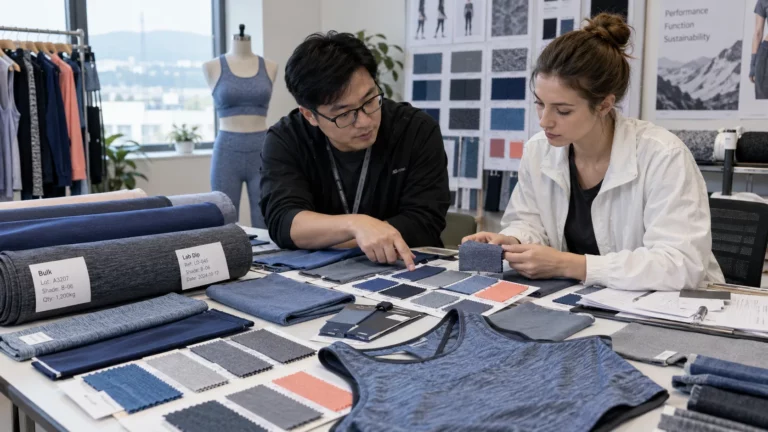
Performance gymwear is made possible by fabric engineering. Performance features such as moisture management, breathability, stretch recovery, opacity, softness, odor control, antibacterial options, and durability all impact customer satisfaction with gymwear.
Harvest SPF focuses on functional textiles using merino wool, modal, organic cotton, recycled synthetic fibers, and other performance blended fibers. Harvest SPF’s fitness and yoga products can support a range of functions, including moisture management, sweat wicking, cooling comfort, breathability, odor control, antibacterial options, and compression support.
For gym clothing production, important fabric checks include:
- Stretch and recovery testing
- Opacity under movement
- Pilling resistance
- Colorfastness
- Shrinkage control
- Seam strength
- Hand feel after washing
- Wash durability
- Fit consistency across sizes
How Gymwear Brands Can Build A Strong Product Line
A strong gymwear collection should not be made from one fabric or one silhouette. Instead, a practical collection should be planned around different workout scenarios, support levels, weather conditions, and customer needs.
New brands should avoid launching too many silhouettes at once. A focused product range makes sampling, fit testing, MOQ planning, inventory control, and marketing easier.
A starter gymwear collection may include:
- 1–2 core leggings
- 1 training short
- 1 lightweight training top
- 1 sports bra by support level
- 1 warm-up layer
- 1 seamless or compression item
A broader gymwear range may include:
- Strength leggings and shorts
- Lightweight cardio tops
- Yoga and Pilates sets
- Hybrid training shorts
- Sports bras by impact level
- Long-sleeve warm-up layers
- Seamless compression garments
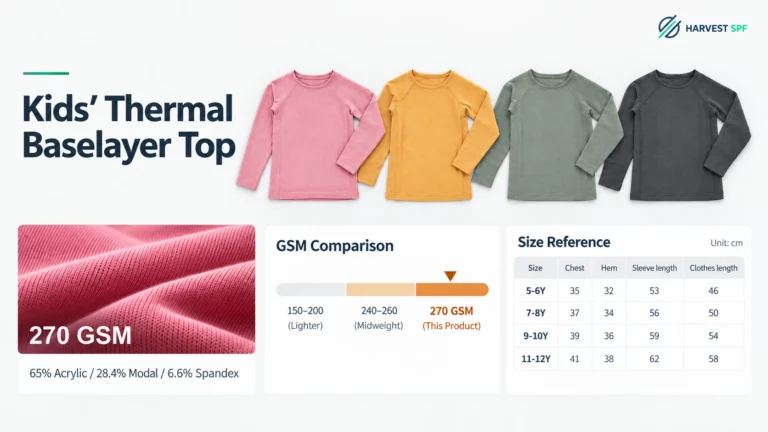
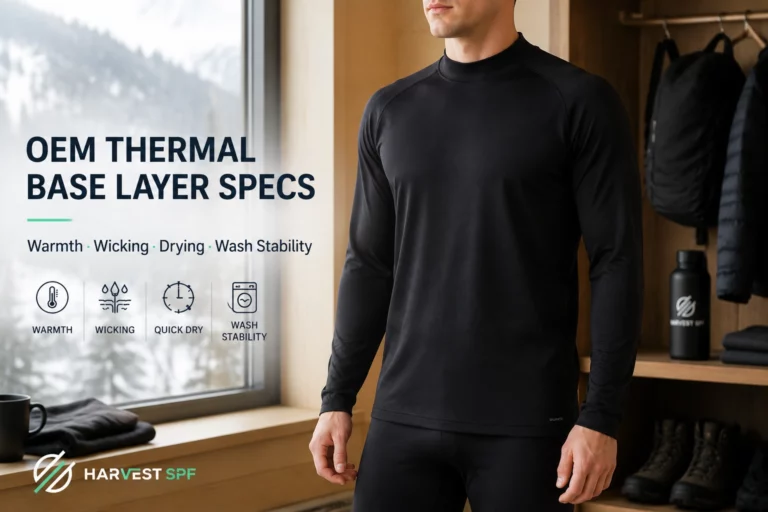
- Sweat-wicking base layers
Harvest SPF supports custom design, fast sampling, flexible minimum order quantity options, and full-package production. Harvest SPF is a functional textile and activewear manufacturer with over 30 years of experience, 30+ patents, and customers across North America, South America, Europe, and Australia.
FAQ
What is the best fabric for gym clothes?
The best fabric depends on the specific activity. Cardio requires lightweight, moisture-wicking fabrics to keep the wearer cool and dry. Strength training requires fabrics with support, stretch recovery, and opacity. Yoga requires soft, flexible fabrics with good recovery for better stretch and less restriction.
What should gym leggings include?
A good pair of gym leggings should include opacity, stretch recovery, a secure waistband, breathable fabric, durable seams, gusset construction, and wash-tested performance.
Are seamless gym clothes good for workouts?
Yes. Seamless workout clothes are designed to reduce friction and provide comfort for activities such as yoga, Pilates, cycling, and strength training. They can also create a smooth fit and reduce seam irritation during repeated movement.
What should brands test before launching gymwear?
Brands should test stretch recovery, opacity, pilling resistance, shrinkage, colorfastness, seam strength, wash durability, fit consistency, waistband recovery, and hand feel after washing before launching gymwear products.
What is the best first product for a gymwear brand?
The best first product depends on the brand’s positioning, but leggings, training tops, sports bras, and shorts are common core SKUs. New brands should start with a focused range that is easier to sample, test, market, and reorder.
Can gymwear be made with sustainable fabrics?
Yes. Gymwear can be developed with recycled nylon, recycled polyester, organic cotton, TENCEL™, modal, merino wool blends, and other sustainable material options depending on performance requirements and target price.
Can Harvest SPF support custom gymwear production?
Yes. Harvest SPF is a custom activewear manufacturer providing ODM/OEM services, sample development, fabric selection, fit adjustment, logo application, packaging support, and full-package production for apparel brands and private-label teams.
Harvest SPF helps apparel brands, retailers, and private-label teams develop functional gymwear from concept to production. With fabric R&D, fast sampling, flexible customization, sustainable material options, and vertical production support, Harvest SPF can support leggings, sports bras, gym tops, shorts, seamless garments, base layers, and performance activewear collections.
Contact Harvest SPF to discuss gymwear fabric options, product development, fit sampling, MOQ, logo application, packaging, and ODM/OEM production for your next activewear collection.