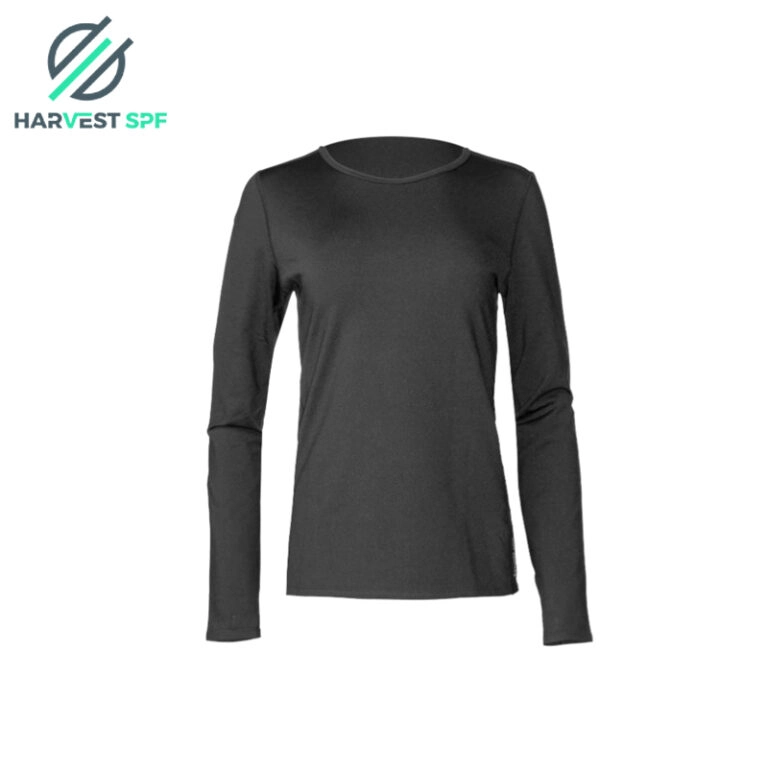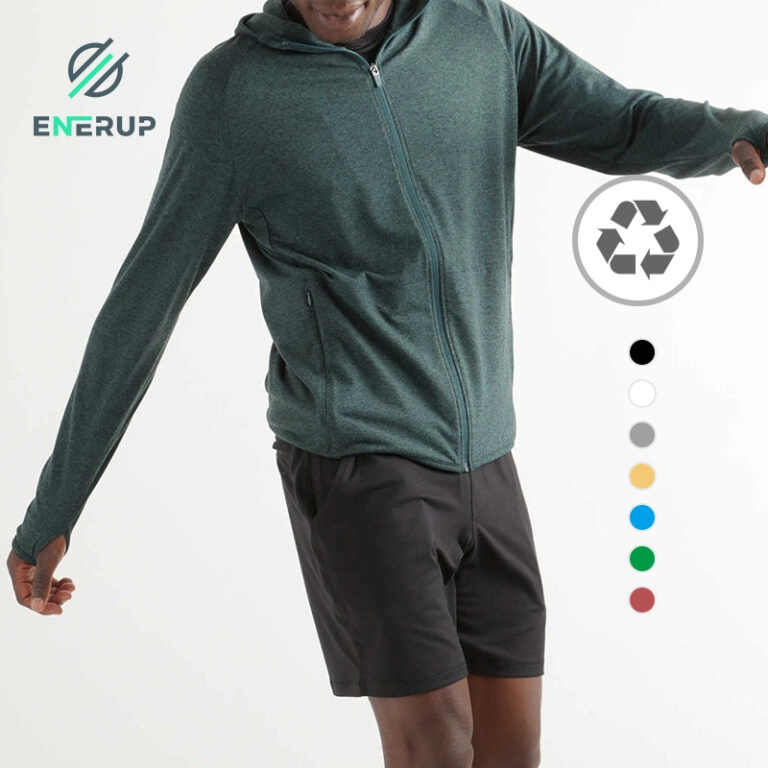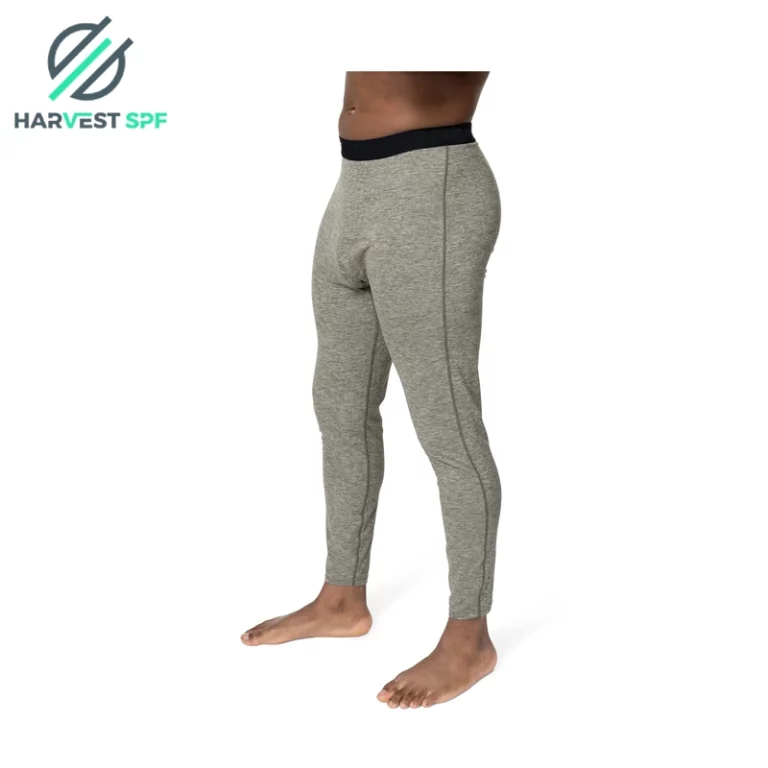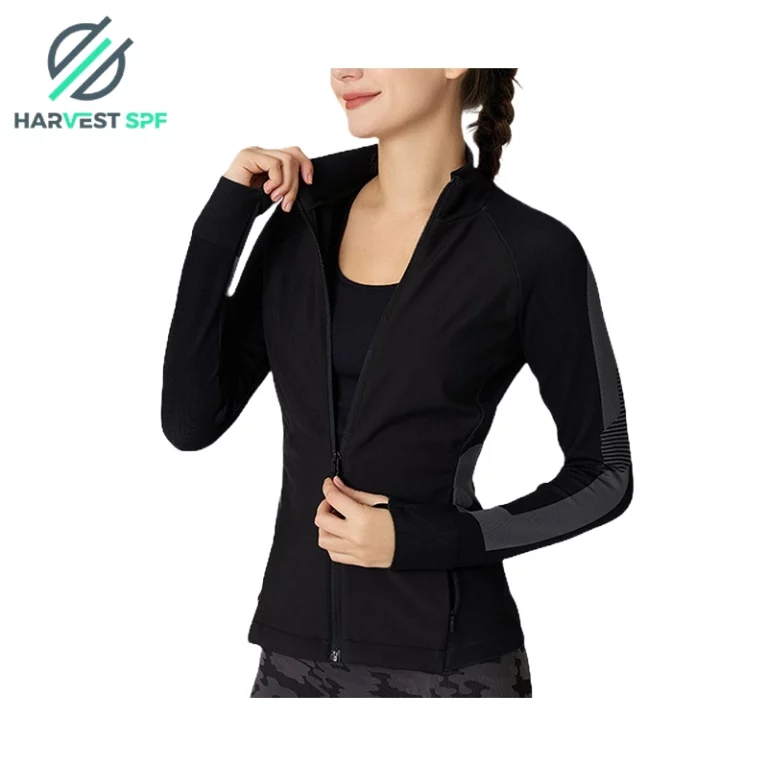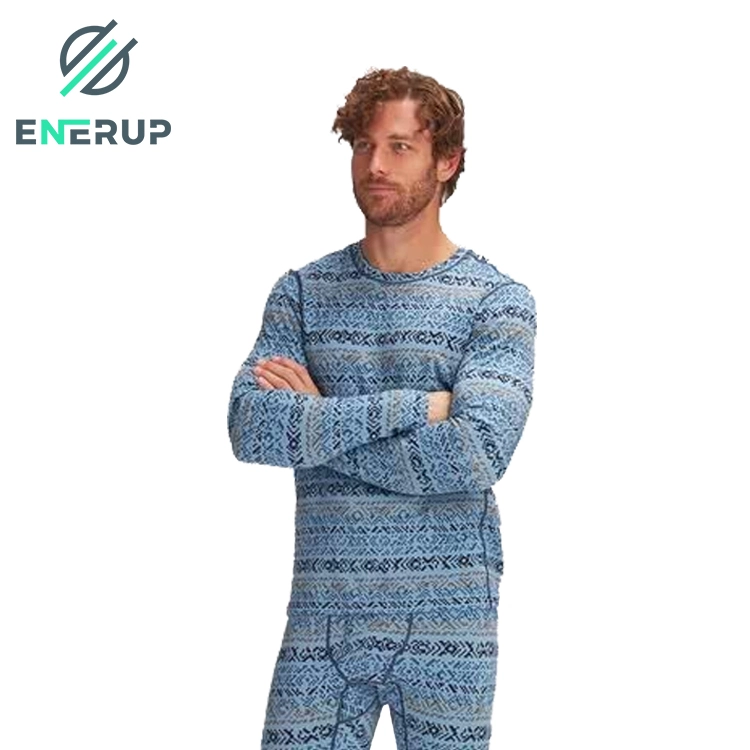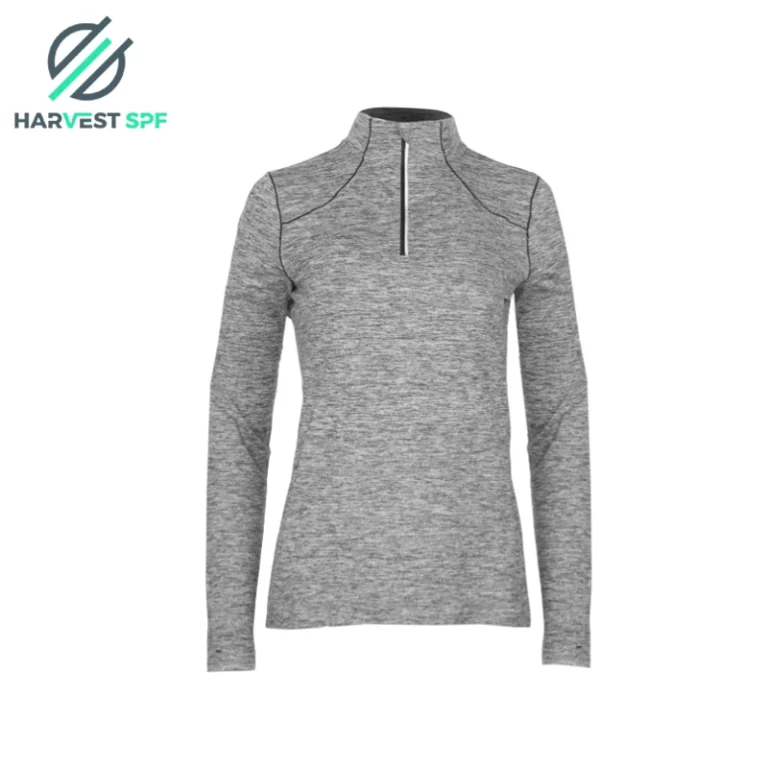

Choosing the right activewear starts with understanding movement. Running and weight training may both belong to the fitness category, but they demand different fabric performance, garment structure, and fit support. Running requires lightweight breathability, sweat control, and friction reduction. Weight training requires stretch recovery, opacity, stability, and durability under pressure.
For activewear brands, retailers, and product development teams, this difference matters. The design of a line of running activewear must facilitate movement through repetitive and impact-related activity. The design of a line of weight training activewear must accommodate squats, lunges, presses, and pulls.
For brands, designing one generic activewear style for every workout can lead to poor fit, weak performance, and higher return rates. A stronger product strategy separates running apparel, weight training apparel, and hybrid training styles based on how the garments will actually be used.
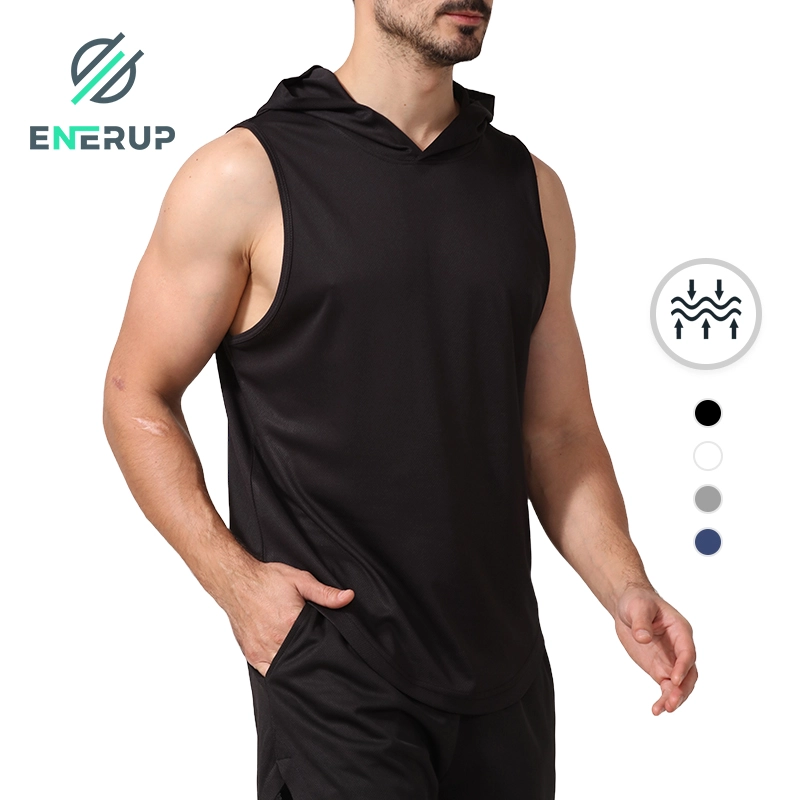
Running vs Weight Training: What Is the Difference?
Running is an endurance activity with continuous movement. The body heats up quickly, sweat builds fast, and fabric repeatedly rubs against the skin. Running activewear should feel light, smooth, and breathable.
Weight training is strength-focused. It includes deep bending, lifting, bracing, stretching, and contact with benches, mats, or equipment. Activewear for training should stay in place, provide coverage, and recover after repeated movement.
The main difference is movement pattern. Running requires repetition, shock, and heat production. Weight lifting needs multi-directionality, pressure, and coverage. Proper attire should be designed on this basis and not as a “one size fits all” item.
| Development Factor | Running Activewear | Weight Training Activewear |
| Main movement | Repetitive forward motion, impact, arm swing | Squats, lunges, lifting, bending, bracing |
| Fabric priority | Lightweight, breathable, quick-dry | Stretch recovery, opacity, durability |
| Fit priority | Streamlined, low-friction, non-flapping | Secure, supportive, squat-proof |
| Key risk | Chafing, overheating, sweat retention | Sheerness, waistband rolling, fabric bagging |
| Best products | Running tops, shorts, tights, sports bras | Leggings, compression shorts, fitted tops, training tanks |
| Testing focus | Chafe testing, drying speed, breathability | Squat-proof testing, recovery, abrasion resistance |
What to Look for in Running Activewear
Lightweight and Breathable Fabric
The primary purpose of running clothes is heat dissipation, moisture management, and friction reduction when moving. In addition, light technical materials, fast drying fibers, and breathable knits are perfect options for running t-shirts, pants, shorts, and base layers. Running clothes may have mesh panels, breathable back pieces, or ventilation areas.
Moisture transport materials will help to transport sweat away from the skin to the surface of the fabric where it is possible to dissipate. Good running clothing needs to dry fast, be soft on the skin, and does not have sticky feeling due to sweat accumulation.
Secure Fit Without Restriction
Running garments should stay close to the body without limiting movement. Loose fabric may flap or twist, while overly tight fabric may restrict stride length or breathing. A streamlined fit supports comfort during treadmill sessions, road running, interval training, and outdoor workouts.
For running bottoms, the waistband should remain stable without digging in. For tops, the shoulder and underarm areas should allow natural arm swing. For sports bras and compression layers, support should match the high-impact nature of running. Reflective trims, lightweight waistbands, and anti-ride-up construction can also improve performance for outdoor and endurance use.
Chafe-Reducing Construction
During long runs, repeated movement can turn poorly placed seams, rough labels, or stiff trims into major irritation points. Flat seams, smooth interior finishing, bonded edges, and ergonomic seam placement can help reduce friction.
Anti-ride-up features in shorts and leggings can provide benefits in running too. Gussets, inner short layers, lightweight liners, and recovery-focused stretch all help the garment stay in place during longer movement.
What to Look for in Weight Training Activewear
Durable Four-Way Stretch
There are numerous ways to move during weight training. Four-way stretch gives leggings, shorts, tops, and compression clothes freedom of movement during squats, lunges, hip hinging, and overhead exercises. But stretch is just one component – good recovery is another important aspect.
Good recovery helps prevent knee bagging, waistband sagging, and loss of compression after repeated movement. This is particularly important for products such as gym leggings, fitted tops, and compression shorts.
Squat-Proof Coverage
One of the main qualities to consider when selecting weight training bottoms is the level of opacity that the garment will provide. Stretchy training pants are meant to stretch with the body during squats, deadlifts, and mobility work. The fabric must remain opaque even when stretched across the hips, thighs, and seat.
How squat-proof a fabric is depends on several factors, including fabric weight, knit structure, fiber composition, dye shade, stretch level, and fit tension. Squat-proof testing should be done in multiple sizes and colors during sample development because opacity can change across fabric shades and size grades.
Supportive Waistbands
A stable waistband increases comfort and confidence when lifting. High-waist leggings are common in fitness because they offer core coverage and prevent slippage while performing deep moves. The waistband must not roll, dig in, or slip.
In private label development, issues such as waistband height, elastic properties, power mesh construction, interior drawcords, compression zones, and construction technique must be verified in sampling. In tops, the hems need to stay in place when performing overhead pressing, rows, and floor exercises.
Abrasion Resistance
Training apparel often touches benches, bars, mats, and machines. Fabric should resist pilling, snagging, and surface wear. Abrasion resistance is also important in inner-thigh areas where friction is common.
A strong training garment should balance softness, stretch, abrasion resistance, and long-term shape retention. This helps extend product life and improve user satisfaction after repeated gym sessions and washing.
Running Activewear vs Weight Training Activewear: Key Comparison
Running products should prioritize airflow, quick drying, and friction reduction. Weight training products should prioritize coverage, recovery, stability, and abrasion resistance. Hybrid products are possible, but they usually require trade-offs because one fabric structure rarely performs perfectly for every activity.
Leggings designed for running are generally made with lighter materials and lower-friction construction. Training leggings are often made with denser materials to provide more coverage and support. Running tops are designed for airflow and arm swing, while training tops must stay secure during lifting and floor work. Running shorts should reduce leg friction, while gym shorts should support deep movement and stay in place during intense workouts.
Each performance category has its own purpose. A single piece of apparel for all occasions may perform only moderately across different activities. A focused product strategy is more likely to deliver better results in fit, comfort, durability, and customer satisfaction.
Best Fabrics for Running and Weight Training
Very light materials, like polyester blends, nylon blends, spandex blends, breathable meshes, and fast drying knits are usually employed when one needs to run to aid moisture transfer and movement.
When one is involved in weight lifting activities, then nylon-spandex blends, polyester-spandex blends, seamless knits, and heavy-duty compression materials can be considered appropriate.
| Product Type | Suggested Fabric | Main Benefit |
| Running tops | Lightweight polyester/spandex, mesh knit | Breathability and quick drying |
| Running shorts | Woven stretch polyester, liner mesh | Low friction and movement comfort |
| Training leggings | Nylon/spandex, recycled nylon/spandex | Opacity, recovery, compression |
| Training tops | Polyester/spandex, nylon blends | Stretch and durability |
| Compression shorts | Dense stretch knit | Support and coverage |
| Hybrid activewear | Medium-weight performance knit | Balance between running and lifting |
Sustainable materials should be selected based on performance needs, not only environmental positioning. Recycled nylon, recycled polyester, merino blends, TENCEL™ blends, organic cotton blends, and other responsible material options may all serve different purposes depending on the garment category and end-use requirement.
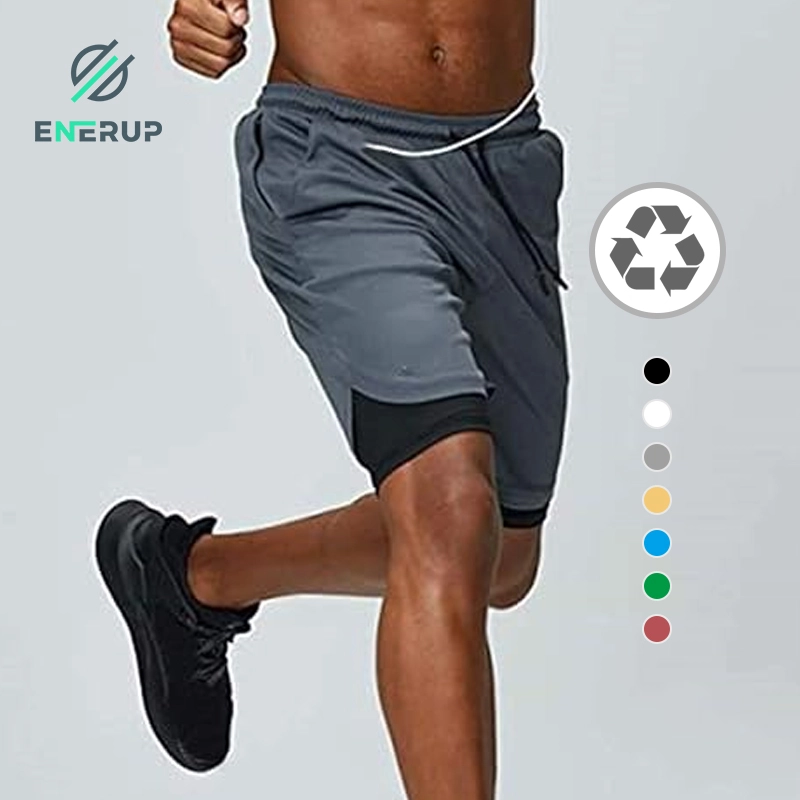
How Apparel Brands Can Build Better Activewear Collections
A good activewear collection should include separate products for running, gym work, yoga, compression wear, thermal base layers, and athleisure wear. One fabric is not suitable for all sports. Each product should have a specific use.
The design of running clothing should take into account factors like ventilation, low-friction seams, reflective material, moisture control, and high impact protection. The design of weight training clothing should consider squat-proof construction, waistband design, pressure mapping for compression, abrasion resistance, and stretch recovery.
New brands should avoid using one fabric for every product. A stronger collection may include lightweight running tops, anti-chafe running shorts, squat-proof training leggings, compression shorts, sports bras by impact level, and recovery or warm-up layers.
Sample testing helps identify common issues such as transparent bottom fabrics, rolling waistbands, seam friction, shrinkage, poor recovery, pilling, and uncomfortable fit before bulk production begins. These defects can be exposed through jogging, sprinting, squatting, lunging, stretching, lifting, sitting, and repeated washing before a production run starts.
FAQ
Is running activewear suitable for weight training?
For lighter gym sessions, running clothing can be adequate. For more intense lifting sessions, however, it may not offer enough opacity, compression, recovery, or abrasion resistance.
Is weight training activewear suitable for running?
Some training garments can be used for short runs, but heavier compression fabrics may feel too warm or restrictive during endurance workouts. Running apparel is usually made with lighter and more breathable materials.
Why is squat-proof testing important?
Squat-proof testing checks whether leggings or shorts remain opaque during deep movement. It is especially important for gym apparel because fabric tension, color, stretch level, and size grading can all affect coverage.
Can one activewear style cover both running and weight training?
Hybrid designs are possible, but separate designs for running and training usually perform better. Hybrid styles need a carefully balanced fabric weight, stretch level, waistband design, and seam construction.
What is the best fabric for running activewear?
Lightweight polyester/spandex, nylon blends, mesh knits, and quick-dry fabrics are commonly used for running because they support breathability, sweat movement, and low-friction comfort.
What is the best fabric for weight training leggings?
Dense nylon/spandex, recycled nylon/spandex, polyester/spandex, seamless knits, and compression fabrics are commonly used because they support opacity, stretch recovery, and durability.
What should brands test before bulk production?
Brands should test opacity, stretch recovery, drying speed, abrasion resistance, pilling, shrinkage, seam comfort, waistband stability, fit consistency, and wash durability before bulk production.
Can Harvest SPF develop separate products for running and gym training?
Yes. Harvest SPF can support fabric selection, sample development, fit testing, MOQ planning, quality control, packaging, and ODM/OEM production for running apparel, gymwear, compression products, yoga wear, thermal base layers, and functional activewear collections.
Harvest SPF develops activewear products such as running apparel, gymwear, yoga wear, compression sportswear, seamless activewear, thermal base layers, socks, sweatproof undershirts, and functional daily wear.
With experience in functional textiles, ODM/OEM production, fabric development, custom sampling, and international apparel supply, Harvest SPF helps brands, retailers, and sourcing teams build performance-ready activewear collections.
Harvest SPF can support fabric selection, design development, sample production, quality control, packaging, and ODM/OEM production planning. Contact Harvest SPF to discuss fabric options, fit development, sample testing, MOQ, and ODM/OEM production for your next running or training activewear collection.