
Winter thermal underwear sourcing is highly calendar-sensitive. For brands, retailers, importers, and sourcing managers, missing a fabric booking, sample approval, or production-capacity deadline can delay an entire winter launch. A practical apparel sourcing calendar should therefore work backward from the required warehouse date, covering material booking, sampling, PP approval, bulk production, QC, and shipping. Harvest SPF specializes in functional textile innovation, ODM/OEM development, and sustainable apparel solutions, supported by more than 30 patents.
Winter Thermal Underwear OEM Timeline at a Glance
For a seasonal program using custom materials and ocean freight, the following backward-planning framework gives sourcing teams an immediate view of the major commercial milestones. It is a planning framework rather than a guaranteed factory lead time.
| Timing | Key Action |
| T-24 to T-20 | Freeze line plan, forecast and production-ready tech pack |
| T-22 to T-18 | Confirm material route and book yarn or fabric |
| T-18 to T-14 | Develop prototypes and complete fit review |
| T-15 to T-12 | Finalize fit, color, trims, grading and packaging |
| T-12 to T-10 | Approve PP sample, confirm PO and lock production capacity |
| T-10 to T-6 | Run bulk production with in-line QC |
| T-6 to T-4 | Complete finishing, final inspection, packing and corrections |
| T-4 to T0 | Manage freight, customs, delivery and warehouse receiving |
Start With the Required Warehouse Date
Define T0 as the Commercial Deadline
T0 should be the date finished goods must reach the destination warehouse, fulfillment center, or nominated logistics point. Production planning should then work backward from that date rather than forward from the purchase order.
For seasonal programs involving custom fabric, multiple sample rounds, ocean freight, and peak-season manufacturing, a 20–24 week backward calendar can serve as a procurement risk-management framework rather than a fixed factory lead time.
Not Every Thermal Underwear Program Needs the Full 24 Weeks
The required calendar depends on how much development work is already complete. Repeat orders using established patterns, approved colors and available fabric can move substantially faster. A new style using an established fabric typically requires a moderate development window, while a new style combined with custom yarn, knitting, dyeing or functional finishing should be planned against the full 20–24 week framework or earlier when seasonal risk is high.
Separate Material Lead Time From Garment Lead Time
For OEM thermal underwear, the critical path can include yarn sourcing, knitting, dyeing, finishing, testing, sample development, PP approval, bulk production, inspection, packing, and transportation.
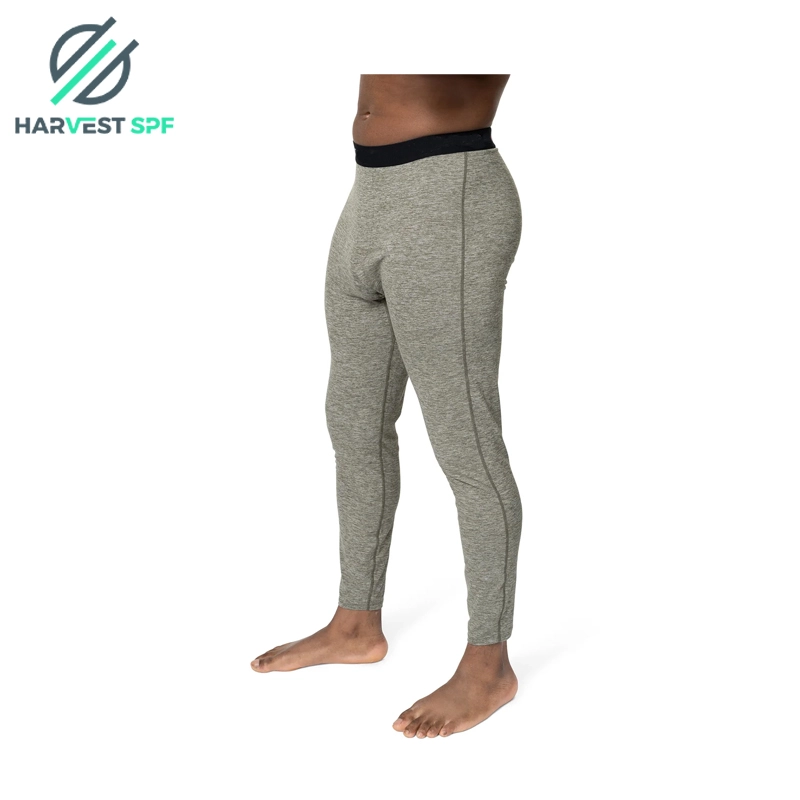
When approved fabric is ready, customized orders below 5,000 pieces may move through production in about 15–20 days. If new fabric must be produced, material preparation can add roughly 30 days. Material readiness should therefore be managed as a separate sourcing milestone.
T-24 to T-18 Weeks: Freeze the Tech Pack and Book Materials
Make the Tech Pack Production-Ready
Before a thermal underwear manufacturer begins serious sampling or material allocation, the tech pack should define measurements, grading, fabric composition and weight, stretch requirements, color standards, seam construction, trims, labels, branding placement, packaging, and functional performance targets.
Incomplete specifications can trigger repeated samples, costing changes, material rebooking, and delayed PP approval.
Book Yarn and Fabric Before the Seasonal Bottleneck
Material booking should begin once construction, composition, color direction, and forecast quantity are commercially stable. Custom knits, brushed structures, specialty blends, merino-containing materials, recycled fibers, and functional finishes can lengthen the critical path.
If fabric must be developed from yarn rather than selected from available stock, waiting until final garment approval to begin booking can create avoidable delay. For a winter apparel manufacturer, open sewing capacity offers limited protection if the approved fabric is still in knitting, dyeing, or finishing.
Material Booking Can Happen at Different Commitment Levels
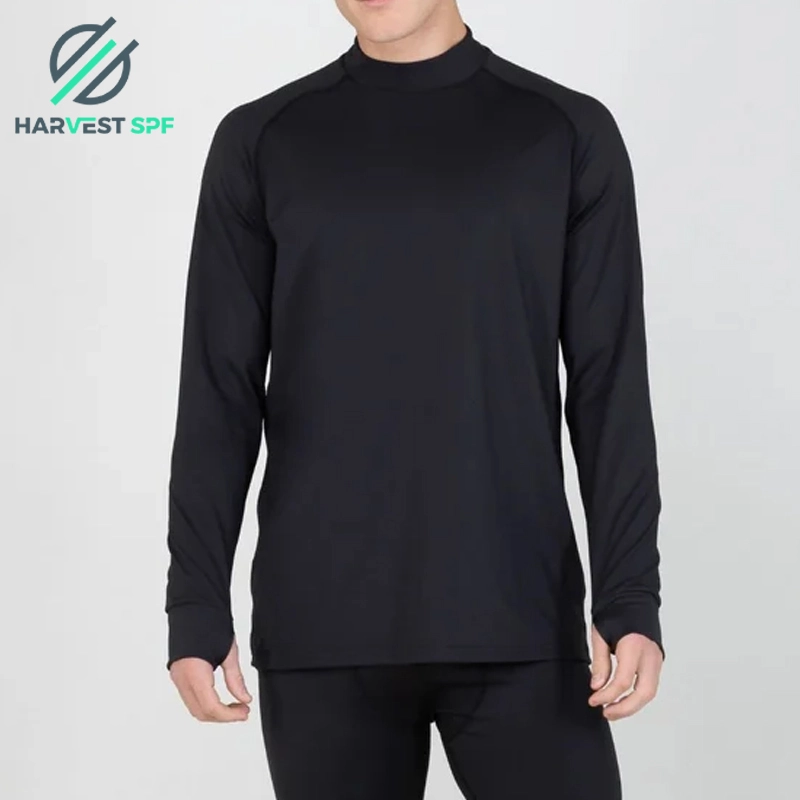
Seasonal programs do not always need to wait for every final detail before material planning begins. Depending on commercial certainty and product complexity, the sourcing team may reserve yarn, book greige fabric before final dye approval, or commit finished fabric once color and specifications are fully approved. The appropriate level of commitment should match forecast confidence, material risk and agreed commercial terms.
Forecasting Should Start Before the Final PO
A non-binding forecast can help the manufacturer assess yarn requirements, dyeing capacity and sewing-line demand before the final purchase order is released. Final material commitment and production-slot reservation should then be tied to confirmed specifications and agreed commercial terms. This is especially useful for winter programs competing for the same peak-season resources.
T-18 to T-12 Weeks: Complete Sampling and Approve the PP Sample
Allow for Two or Three Prototype Rounds
A seasonal plan should not assume that the first prototype will become the bulk standard. The first round normally validates fit, measurements, construction, stretch behavior, and workmanship. Later rounds close grading, fabric hand feel, color, trims, logos, labels, and packaging.
Two to three prototype rounds are a practical planning assumption. The calendar still needs time for technical review, fitting, corrections, courier movement, and possible re-sampling.
Run Fabric, Color and Garment Development in Parallel Where Possible
The fastest seasonal programs do not always develop every element sequentially. Fabric development, lab dips or color approval, and garment fit sampling can often progress in parallel once the key specification is stable. Coordinating these workstreams can shorten the critical path while still requiring all elements to be closed before PP approval and bulk release.
Treat the PP Sample as the Bulk Release Gate
The pre-production sample should represent the final approved manufacturing standard. Before bulk release, procurement teams should close bulk fabric, measurements and tolerances, grading, colors, trims, logos, labels, stitching details, packaging, carton requirements, and workmanship standards.
For thermal base layers, particular attention should be given to dimensional stability, stretch recovery, seam comfort, hand feel, color consistency, and size tolerance. Bulk production should not become the stage where unresolved design decisions are finalized.
PP Approval Checklist
Before bulk release, the PP approval package should close the following items:
| Approval Item | Bulk-Release Requirement |
| Garment / Fit | Approved PP sample, measurements and size tolerances |
| Bulk Fabric | Approved composition, GSM, hand feel, stretch and stability |
| Color | Approved lab dip or bulk shade standard |
| Grading | Confirmed size grading and measurement rules |
| Trims / Labels | Approved components, placement and wording |
| Logo / Artwork | Approved size, method, position and appearance |
| Packaging | Folding, bag, barcode, carton and pack-out requirements |
| Workmanship / Testing | Seam, appearance and required test criteria |
T-12 to T-5 Weeks: Lock Capacity and Control Bulk Production
Convert Capacity Discussions Into a Confirmed Production Slot
Peak-season capacity should be discussed early and formally secured once the order becomes commercially firm. Winter programs may compete for knitting, dyeing, brushing, cutting, sewing, finishing, and packing resources at the same time.
A technically approved style without protected capacity may still miss its delivery window. Production planning should therefore confirm order quantity, material allocation, production start date, finishing requirements, inspection window, packing schedule, and ex-factory target.
Build QC Into the Production Schedule
Quality control should run through production rather than being concentrated only at final inspection. Typical checkpoints include incoming fabric inspection, shade and shrinkage review, first-output measurement checks, in-line workmanship inspection, finishing review, packing verification, and final pre-shipment inspection.
These checks are especially important for winter base layers, where stretch, measurements, seams, and fabric stability can affect an entire size run.
Do Not Plan Every Milestone Back-to-Back
A sourcing calendar should contain management buffers rather than assume every sample, dye lot, test, inspection and freight booking succeeds on the first attempt. Time may be needed for re-sampling, shade correction, failed-test follow-up, rework, inspection correction or freight rollover. Building these buffers into the plan protects the required warehouse date.
T-5 Weeks to T0: Final Inspection, Shipping and Receiving
Leave a Correction Window Before Cargo Handover
Final inspection should take place early enough to allow corrective action. Measurement deviations, workmanship problems, packing errors, labeling issues, or carton discrepancies may require rework before cargo release.
Packing lists, shipping marks, carton ratios, export documents, and freight instructions should also be closed before handover. A buffer between final inspection and shipment protects the delivery date from depending on a perfect first inspection.
Match Freight Planning to Seasonal Risk
Indicative transit windows may be around 3–7 days for express, 5–10 days for air freight, and 15–25 days for sea freight before customs, port handling, inland delivery, and warehouse receiving are added.
For volume winter programs, air freight is better treated as contingency capacity than the default logistics model. The sourcing calendar should preserve enough time for the preferred commercial freight mode.
Transit Time Is Not the Same as Door-to-Warehouse Lead Time
Freight transit is only one part of the delivery calendar. Cargo handover, export handling, port or airport processing, international transit, customs clearance, inland delivery and warehouse receiving all add time. Seasonal planning should therefore work backward from the required warehouse date rather than from vessel departure or flight departure alone.
Manage Peak-Season and Spring Festival Risk
Reserve Winter Capacity Before the Rush
Seasonal capacity risk increases when multiple winter programs compete for the same manufacturing resources. Earlier material commitment and capacity reservation improve control over production sequence and reduce exposure to delays from extra sample rounds, color correction, material rework, inspection failure, or freight rollover.
Capacity planning should begin during quotation and sample development, not only after PP approval.
Treat Spring Festival as a Recurring Planning Risk
Spring Festival dates vary each year and should be checked during annual sourcing planning. In practice, manufacturing and logistics disruption can extend beyond the official public-holiday period because of worker travel, supplier shutdowns and gradual production restart.
Manufacturing and logistics effects can extend beyond the formal holiday period. Programs crossing January and February should therefore move critical material approvals and production reservations earlier.
Recommended Sourcing Start by Target Warehouse Month
Use the Warehouse Month as the Starting Point
| Target Warehouse Month | Recommended Planning Start | Key Procurement Priority |
| August | February–March | Lock fabric and sampling early |
| September | March–April | Complete material booking and prototype development |
| October | April–May | Secure PP approval and peak-season capacity |
| November | May–June | Protect bulk production and freight buffers |
Programs with extensive custom fabric development may need to begin earlier, while repeat orders using existing fabric, patterns, and packaging may support a shorter timeline.
Example: October Warehouse Delivery
Illustrative planning example only — not a guaranteed lead time. For a program targeting goods available in the destination warehouse in October, a typical backward plan may look like this:
| Approximate Timing | Illustrative Milestone |
| April–May | Finalize tech pack and begin fabric or yarn development |
| May–June | Run garment sampling, fabric approval and color development |
| July | Close PP approval and confirm peak-season capacity |
| July–August | Run bulk production with in-line QC |
| August–September | Complete final QC, packing and preferred freight plan |
| October | Customs, inland delivery and warehouse receiving |
Why Brands Use Harvest SPF for Seasonal Thermal Programs
Harvest SPF coordinates material and garment development against one seasonal critical path, including yarn or fabric planning, knitting, dyeing, finishing, garment sampling, PP approval, bulk production, QC and shipment coordination. Early material planning can help brands reserve critical inputs before peak-season bottlenecks, while parallel fabric, color and garment development can shorten the development path where practical. Production-capacity planning then aligns material readiness, PP approval and the factory production slot before bulk release.
FAQ
How Early Should a Winter Thermal Underwear Program Start?
For programs involving custom materials, multiple sample rounds, bulk production, inspection, and ocean freight, approximately 20–24 weeks before the required warehouse date is a useful planning framework.
When Should Yarn or Fabric Be Booked?
Booking should begin once composition, construction, weight, color direction, functional requirements, and forecast volume are stable enough for commercial commitment.
How Many Sample Rounds Should Be Planned?
Two to three prototype rounds are common for customized programs, depending on tech-pack accuracy, fit complexity, fabric development, and branding requirements.
What Must Be Approved Before Bulk Production?
The main release package should include the PP sample, bulk fabric, measurements, grading, colors, trims, labels, artwork, packaging, quantity, and confirmed production schedule.
How Should Spring Festival Affect Order Timing?
Programs overlapping January and February should move critical fabric approvals, sampling decisions, and capacity reservations earlier. Official holiday dates should be checked for each sourcing season.
Plan Your Next Winter Thermal Underwear Program
Send Harvest SPF your target warehouse date, product category, tech pack or reference sample, fabric composition and GSM, color plan, estimated quantity, target market and preferred freight method. Harvest SPF can work backward from the required warehouse date to identify recommended material-booking, sampling, PP approval, production, QC and shipping milestones.
Build My OEM Sourcing Timeline