What is a Baselayer? The Foundation of Outdoor Clothing
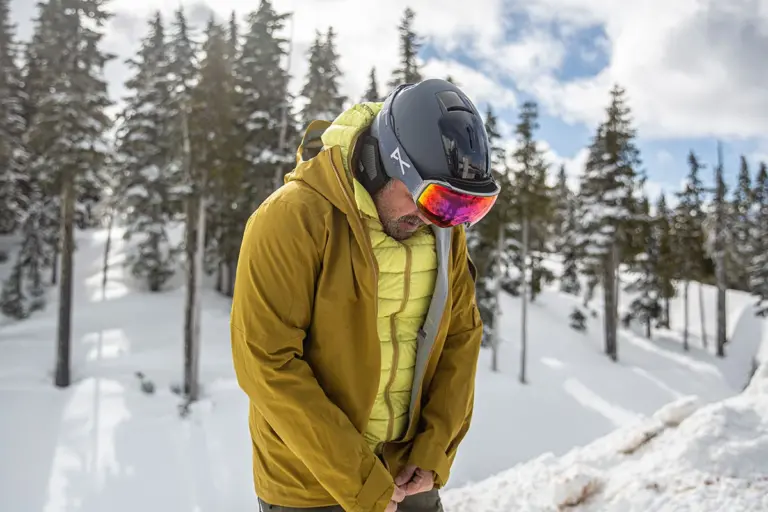
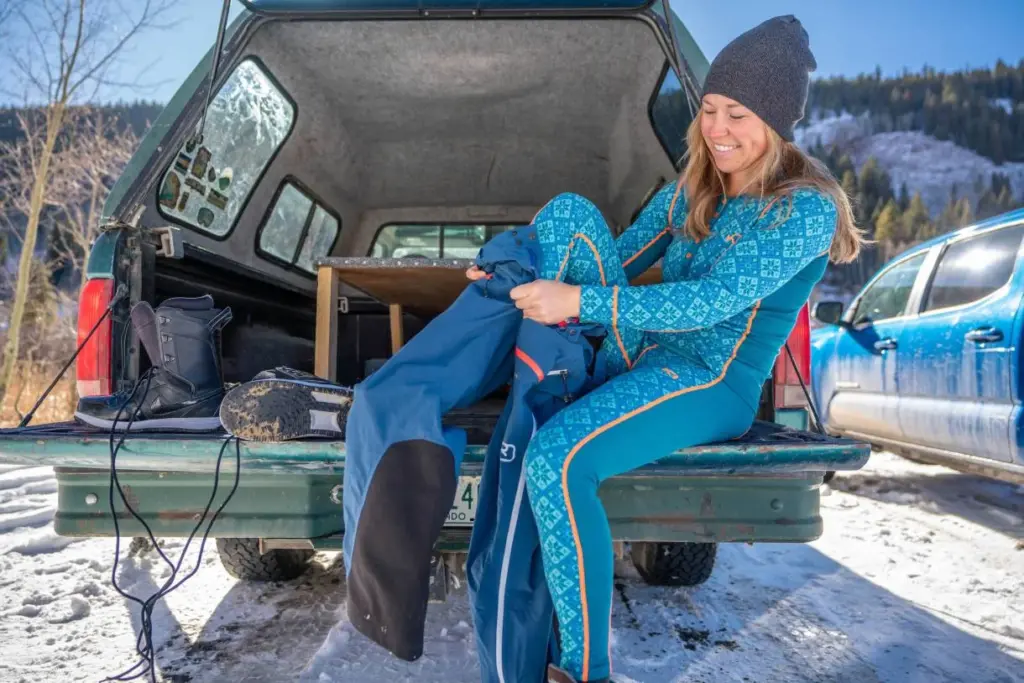
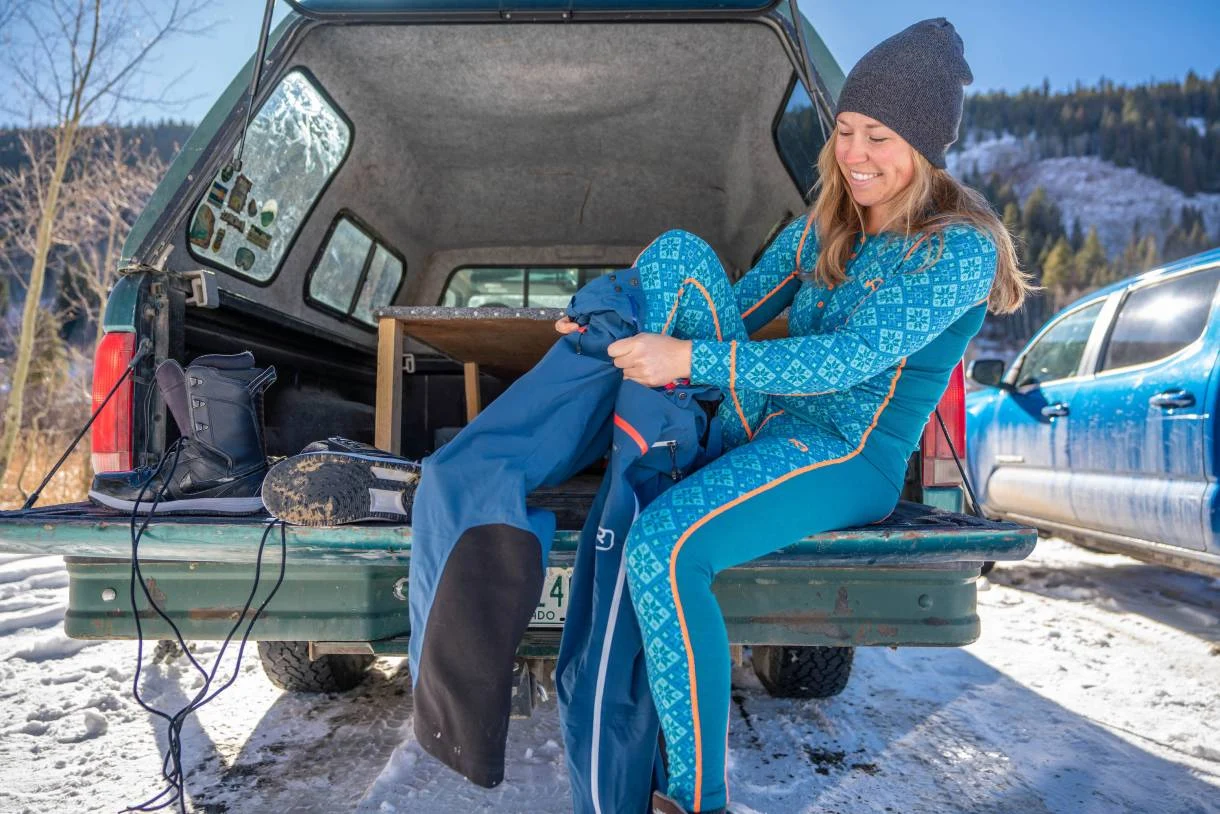
A base layer is the first clothing worn next to the skin. Many call it thermals or baselayers. Its big job is keeping the body at a nice temperature and managing sweat. It stays warm in cold weather and cool in hot places. These layers are often light, airy, quick to dry, sweat-moving, and smell-free. This makes them awesome for long outdoor trips.
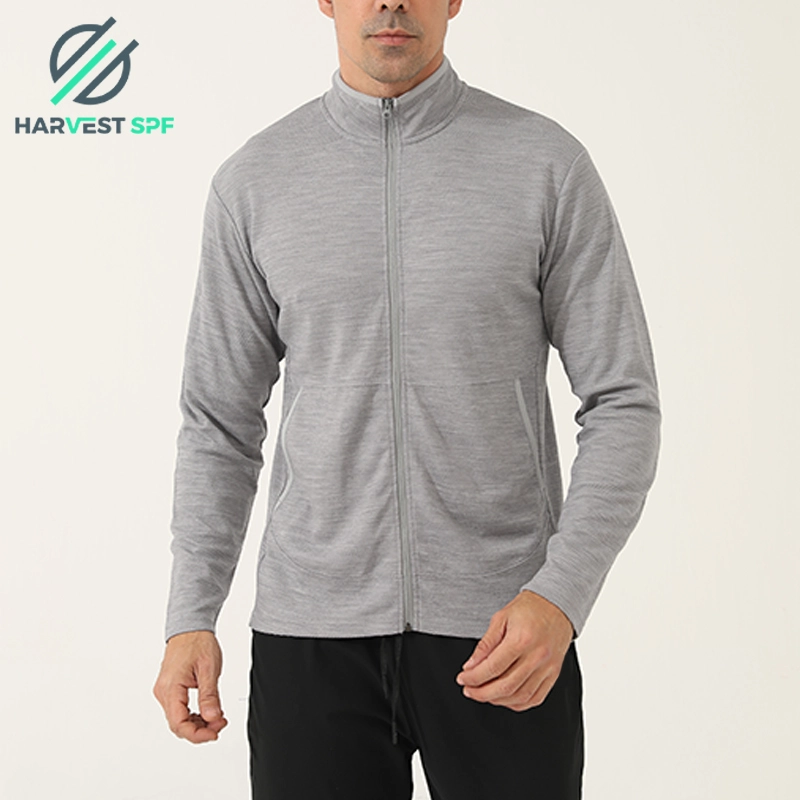
For businesses making these, base layers are not just clothes. They are key safety tools. They keep the body’s core temperature steady. Plus, they move sweat to the fabric’s top to dry fast. For example, Harvest SPF uses strong, top-notch fabrics in its outdoor thermal range. These handle tough outdoor tasks. Common materials are natural Merino wool and man-made ones like polyester and nylon. Styles include short-sleeve tees, long-sleeve tops, leggings, and underwear.
When Are Baselayers Essential?
Base layers are super important for activities like:
- Tough workouts that cause lots of sweat
- Facing very cold or hot weather
- Handling changing temperatures all day
- Rough areas like scrub or bush
For short, simple tasks, like a one-hour walk in a local park, base layers might not be needed. But for hard outdoor adventures, they’re highly recommended. Brands designing for active people should make base layers that work in these settings. For instance, Harvest SPF’s outdoor thermal collection blends comfort and function across different places.
A Complete Guide to Baselayers
This section explores the main things Brands and suppliers should consider when building base layers for outdoor use.
Weather Conditions
Understanding the weather users will face is very important for designing base layers. This helps pick fabric thickness, warmth, and special features.
Summer Baselayers
Spring/Autumn Baselayers
Spring and autumn weather can be unpredictable. It shifts a lot. Medium-thick fabrics are good for these mixed conditions. Or, mixing light and heavy layers adds flexibility. Harvest SPF’s medium-weight thermals, made with man-made blends, suit shoulder seasons well. They balance airiness and warmth nicely.
Winter Baselayers
Winter, especially in mountains, needs thick base layers. These must keep the body very warm yet still allow air through and move sweat away. A solid layering system is crucial for winter gear. Harvest SPF’s heavier thermals, built with strong polyester and nylon blends, provide warmth without losing function. They’re great for very cold weather.
Baselayer Weights
Base layers are sorted by weight, measured in grams per square meter (GSM). Higher GSM means thicker, warmer fabrics. But Brands must balance warmth with airiness.
- Lightweight (120–150 GSM):Perfect for warm weather or active tasks. They’re breezy and comfy for summer or gym use.
- Midweight (150–200 GSM):Great for mixed weather. They provide warmth without stopping movement.
- Heavyweight (Above 200 GSM):Built for super cold weather. They focus on warmth but may be less airy.
Harvest SPF’s thermal range includes all these weight types. This lets Brands choose products for specific weather and tasks. For most cases, medium-weight base layers work fine. But heavy ones are key for freezing, sub-zero spots.
Baselayer Fabrics: Merino vs. Synthetic
Picking between Merino wool and man-made fabrics is a major choice for Brands. Each has its own good points and challenges.
Merino Baselayers
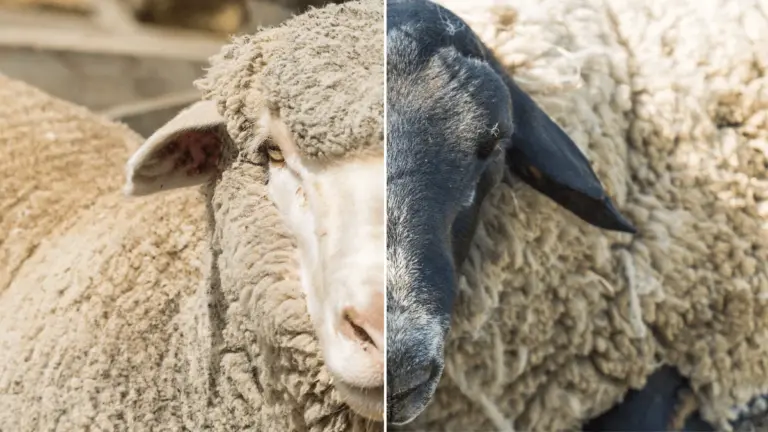
Merino wool comes from Merino sheep. It’s prized for its natural skills, making it a favorite for outdoor gear.
Merino Thermals Pros
- Temperature Control:Merino’s natural crimp traps air. This warms in cold weather and cools in heat.
- Sweat Handling:It holds up to 30% of its weight in sweat yet feels dry. This is awesome for sweaty tasks.
- Smell Blocking:It naturally stops odor-causing germs. This is perfect for multi-day trips.
- Soft and Nice:Its fine fibers feel smooth and non-itchy, even for long wear.
- Earth-Friendly:It attracts people who care about nature since it’s natural and ethically sourced.
Merino Thermals Cons
- Less Strong:Pure Merino wears out faster in rough spots or under heavy packs. Blending it with man-made fibers makes it tougher.
- Costly:It’s pricier to make due to careful harvesting work.
Harvest SPF fixes Merino’s strength issues with blended fabrics. These combine Merino’s natural benefits with man-made toughness for lasting performance.
Synthetic Baselayers
Man-made fabrics, like polyester and nylon, are made for performance and strength. They’re a cheaper option.
Synthetic Thermals Pros
- Quick to Dry:They dry faster than Merino, great for wet conditions.
- Strong:They resist wear and keep shape through many uses and washes.
- Affordable:Lower costs make them good for budget buyers.
- Adaptable:They can include special features like stretch or UV protection.
Synthetic Thermals Cons
- Odor Problems:They don’t naturally block smells. Special treatments are needed to control odors.
Harvest SPF’s synthetic thermals use neat features like bamboo charcoal. This improves airiness and odor control, solving common man-made fabric issues.
Is Merino Itchy?
Merino’s fine fibers are less itchy than regular wool. Still, some skin is very sensitive. Brands should provide samples or test runs to ensure comfort. Man-made fabrics may suit sensitive skin better.
Best of Both Worlds: Durable Merino Clothing
Blended fabrics mix Merino’s natural perks with man-made strength. Harvest SPF’s outdoor thermal range includes Merino-nylon blends. Their durable thermals are tested for excellent wear resistance. This offers Brands a tough, adaptable choice.
Moisture-Wicking Thermals
Sweat-moving is a vital feature for base layers. It pulls sweat from the skin to the fabric’s top, where it dries fast. This keeps the body comfy and temperature stable. Cotton is a poor choice for outdoor base layers. It holds sweat, which can chill the body in cold or windy weather. Both Merino and man-made fabrics are excellent at sweat management. Harvest SPF’s thermals are designed for top sweat-moving performance.
Baselayer Styles
A base layer’s style affects its look and function. Brands should consider these options:
- Baselayer T-Shirt:An all-year, flexible choice. It’s great for warm weather.
- Baselayer Long Sleeve:Offers extra warmth and UV protection. It’s often thicker for cooler weather.
- Baselayer Quarter-Zip:Blends warmth with a zipper for temperature control. It suits changing weather.
- Baselayer Hood:Warms the head and neck. Some have zips for more options.
- Baselayer Leggings:Light and stretchy, ideal for layering under pants or shorts in cold weather.
- Baselayer Underwear:Merino or man-made options improve comfort and odor control for long wear.
Harvest SPF’s thermal collection provides many styles. This helps brands meet various outdoor needs.
The Best Baselayer for Outdoor Adventures
Choosing the right base layer is a wise move for brands. The best base layer balances fit, warmth, and sweat control. This lets users do their best in changing conditions. Harvest SPF’s focus on strength, performance, and fresh ideas—shown in their well-tested outdoor thermals—offers a guide for making gear that excels outdoors. By picking weather-right weights, strong fabrics, and adaptable styles, brands can create base layers that help adventurers face any environment.
FAQ
What are the key considerations for selecting base layer fabrics?
Brand should examine weather, activity type, and user preferences. Merino wool provides natural temperature control and odor blocking but isn’t very strong. Man-made fabrics dry fast and are tough but need odor treatments. Blends, like Harvest SPF’s Merino-nylon thermals, combine the best of both.
How do base layer weights impact performance?
Lightweight (120–150 GSM) base layers suit warm weather. Medium-weight (150–200 GSM) are good for mixed conditions. Heavyweight (above 200 GSM) offer great warmth for cold places. Airiness decreases as GSM rises.
Why is moisture-wicking critical for base layers?
Sweat-moving fabrics pull sweat from the skin. This keeps the body comfy and temperature stable. Cotton holds sweat and should be avoided. Merino and man-made fabrics are better.
What styles should manufacturers prioritize for outdoor base layers?
T-shirts, long-sleeve tops, quarter-zips, hoods, leggings, and underwear meet various needs. Each provides benefits like UV protection or extra warmth, as seen in Harvest SPF’s thermal range.
Partner with Leading Base Layer Manufacturers
For brands seeking top-quality base layers manufacturers, Harvest SPF provides a reliable range of outdoor thermals customization options. They’re built for strength and function. Explore their unique Merino blends and man-made options at Harvest SPF. Contact Harvest SPF to discuss partnerships and enhance products with excellent thermal solutions.