
You have these cool designs in your mind. You see your clothing line just right. But when you chat with factories, they give the same answer. Your order is too tiny. Your money plan doesn’t fit them. It’s annoying, isn’t it? Lots of new brands hit this wall. It feels like solid factories only chase big names. But here’s the truth. That’s not the full picture. Good places exist that team up with small brands. You just need to find the spots. And you need to know how to chat with them. Some factories focus on helping brands that are growing. Take Harvest SPF Textile Co, Ltd for example. They’ve done this for over ten years. They get what small brands want. Their whole setup is about being a real teammate, not just another shop. If you want to learn more, peek at their website to see their style.
How Can You Mine Digital Platforms for Golden Contacts?
Let’s kick off with the web. Those huge B2B sites act like big directories for factories. But if you blast the same note to all, you’ll spin your wheels. You have to be clever. Picture yourself as a sleuth hunting hints. You’re digging for the true scoop behind each seller’s web page.
What Really Matters in a Supplier’s Online Profile?
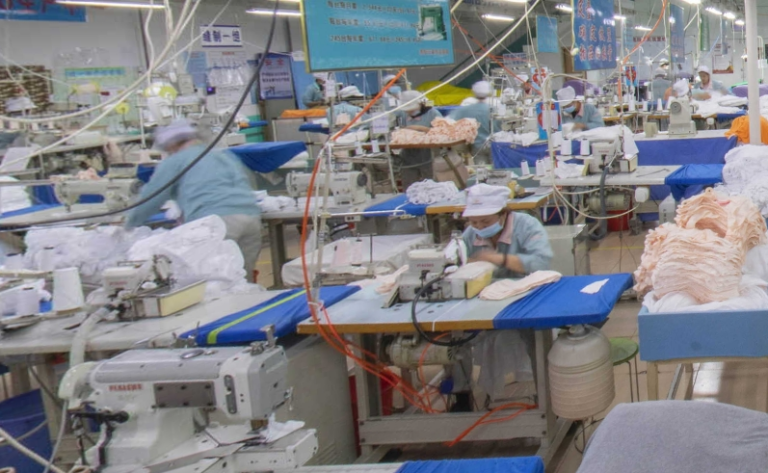
Skip the pretty pics. See how quick they answer notes. A fast reply often means they care about fresh deals. Now, dig into their item shots. Do they look sharp? Do they match stuff close to what you plan to build? If you’re doing cycling jerseys, a place with just wedding gowns isn’t ideal. Here’s a handy hint: hunt for factory walk-through clips. These show their real work area without a trip. You can spot tidy spots and up-to-date tools. Small bits like that help you sort top-notch shops from the weak ones.
How Do You Write an Inquiry That Actually Gets a Reply?
Your opening email counts big. Factories get tons of notes each day. Most just say “Hey, what’s your cost?” and stop. You need to pop out. Begin with a good intro to your brand. Then spell out your plan plain. Say you’re building cycling jerseys and what cloth you have in mind. Be straight about your cash limit and how many items for your first batch. This proves you’re for real and cuts time for all. A note like “I’m starting an activewear setup and need 200 pieces” beats a fuzzy greet. It seems basic. But tons skip this easy move.
What Are the Underused and Low-Cost Sourcing Avenues?
At times, the top picks hide off the main sites. They’re tucked in quieter corners. These take extra hunt time. But they can link you to fine partners who dig small brands.
Is Social Media a Legitimate Sourcing Tool?
Yep, it sure is! Spots like LinkedIn let you reach real folks who call shots. Try a direct note to a make manager over the group email. Instagram shines too. Lots of factories share their goods there. Look for ones that drop clips from their work floor. That means they’re glad about their stuff. Don’t skip Facebook clubs for clothing brands. Folks there swap true tips on factories they’ve tried. They’ll point out who’s solid and who’s a no-go. This kind of straight talk is gold.
How Can Your Own Backyard Help Your Search?
We chase far-off spots and miss what’s close. See if your town has clothing biz clubs or maker meet-ups. Local style schools often keep lists of factories that help fresh brands. Even tiny town trade fairs can hold good links. Here’s one more thought: chat with fabric shop owners nearby. They catch wind of all local factories. They know which handle small batches well. It’s about tapping the circle right by you.
By partnering with a clothing manufacturer like Harvest SPF Textile Co., Ltd and applying these cost-effective strategies, you can enhance your brand’s products while maintaining quality and staying within budget.
How Do You Vet a Factory Without Spending on Travel?
You spotted some okay leads. Now check who’s solid for sure, all from home. This step means asking wise questions and using test pieces to check work.
Building a lasting relationship with your clothing supplier is more than just completing business deals; it relies on fostering trust and transparency through clear, open communication to create a win-win partnership.
Which Questions Separate the Talkers from the Doers?
Your first deep talk should feel like a job chat. Show up ready with key questions. Always ask their Minimum Order Quantity rule. Is it by style or by shade? That counts a bunch. Ask if they can share samples of jobs like yours. Top factories have that set. And the big one: ask for a full cost split. What comes in their price? Cloth? Work? Tags? This stops shock fees down the line. If a factory dodges these, it’s a red flag.
What Can Your Prototype Tell You About the Factory?
Test runs are your top way to try a factory before full batches. Sure, you pay for tests. But it’s smart. Watch how they talk during this. Do they keep you in the loop? When the test piece lands, eye it all. Check the seams. See if shades hit your ask. Make sure sizes fit. A factory that nails tests on time shows they’re able and straight. This single move tells more than piles of notes. Hunting the right factory takes effort. You’re not after the lowest price. You’re after someone who does fine work and sticks as your brand grows. By hunting smart spots, asking sharp questions, and eyeing tests close, you’ll land a factory buddy for years.
FAQ
Q1: What is a realistic MOQ for a brand just starting out?
A: It varies, but many factories for new brands want 100 to 300 pieces per style. Some drop to 50 for easy items, but each piece costs more.
Q2: I found a manufacturer I like, but their website looks old. Is that bad?
A: Not every time. Some great factories flop at web pages. Focus more on how they chat and the work in their test pieces than site flash.
Q3: How many manufacturers should I contact before choosing one?
A: Kick off with 5 to 8 that seem okay. After first chats, aim for tests from 2 or 3 top picks.
Q4: Should I always pick the cheapest offer?
A: Mostly no. A rock-bottom price might mean junk cloth or sneaky add-ons later. The mid-range pick often gives better work for your buck.
Q5: What wastes the most time when looking for manufacturers?
A: Not saying clear what you need. If you skip good sketches and details, you’ll loop weeks on bad tests. Prep up front saves tons of time.