What Are Compression Socks?
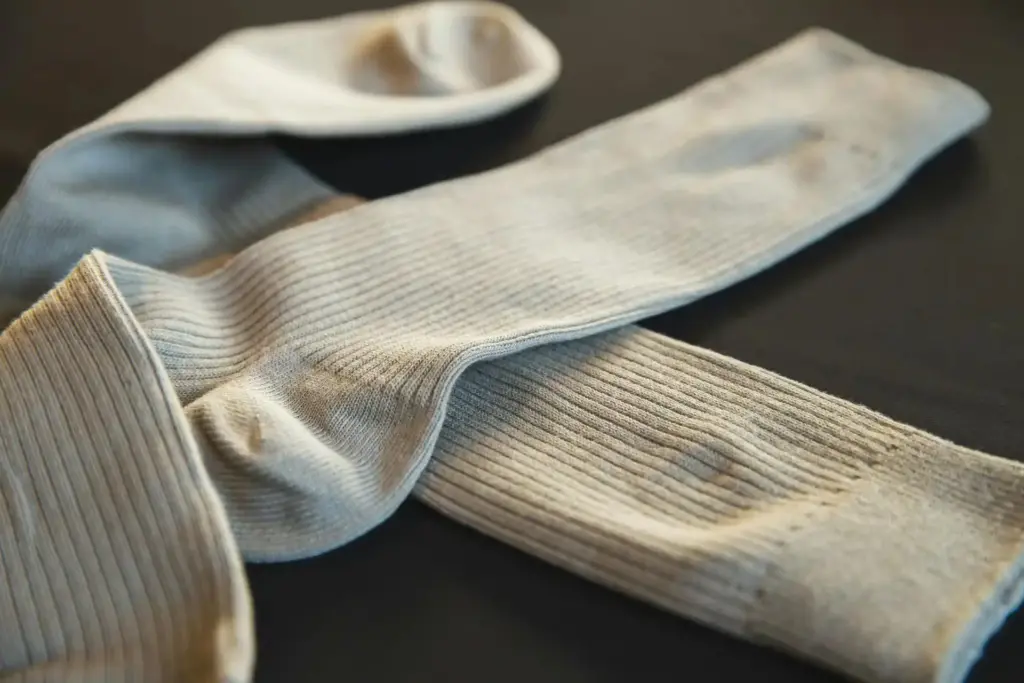
Let’s talk about what compression socks actually are. They’re not your regular socks – they’re specially designed to hug your legs, ankles, and feet with gentle pressure. You can find them in different lengths that go up to your knee or even your thigh. People choose them because they help blood move better through your legs. This can mean less discomfort and reduced swelling. I’ve seen them used in hospitals, but also by regular people going about their day. They’re really about giving your circulation some helpful support.
Types of Compression Socks
Graduated Compression Socks
These are interesting because they don’t squeeze evenly. They’re tightest down at your ankle and gradually get looser as they go up your leg. Why? It’s like they’re gently pushing blood back up toward your heart. This design works well for reducing that puffy feeling in your legs and dealing with vein issues. Doctors often suggest them for people who have jobs keeping them on their feet all day or sitting for long periods.
Anti-Embolism Compression Socks
These serve a specific purpose – they’re for people who can’t move around much. If you’re stuck in bed after surgery or for medical reasons, these socks provide steady pressure to prevent dangerous blood clots. Hospitals use them routinely because they’re proven to help keep patients safe during recovery.
Non-Medical Support Hosiery
Now these are the everyday version. They offer lighter pressure for when your legs just feel tired or slightly swollen. I know plenty of travelers who swear by them during long flights. Athletes use them too, and so do people who work on their feet all day. The nice thing is you don’t need any medical condition to benefit from them.
How Compression Socks Work
Here’s what’s happening when you wear compression socks. They create gentle pressure that helps your blood vessels work more efficiently. Think of it like this – they support your veins in moving blood upward instead of letting it pool in your legs. This not only reduces swelling but also lowers the risk of clots forming. Personally, I’ve found they make my legs feel less heavy and achy after long days.
Exploring Blood Pressure and Its Mechanism
What is Blood Pressure?
Blood pressure is the force of your blood pressing against the walls of your blood vessels. It’s shown as two numbers. The top number measures the pressure when your heart pumps. The bottom number checks it when your heart relaxes between pumps. Having both numbers in a healthy range is important for staying well.
Lifestyle Choices
The things you do every day really shape your blood pressure. What’s on your plate, how much you move your body, even whether you smoke – all these play a role. I can tell you from my own journey that when I cut down on salty snacks and make time for daily walks, my numbers stay much more consistent. It’s surprising how those small, steady choices can lead to meaningful improvements month after month.
Medical Conditions
Some health issues naturally affect blood pressure. Things like high blood pressure itself, diabetes, or kidney problems can throw your numbers off balance. These conditions often mean working closely with your doctor to find the right management plan.
Medications
This is important – some medicines directly impact your blood pressure. Blood pressure medications obviously lower it, but other drugs might unexpectedly raise it. That’s why I always remind friends to ask their doctors about medication effects.
Investigating the Relationship Between Compression Socks and Blood Pressure
Potential Impact on Blood Flow
From what I’ve seen, compression socks mainly help by keeping blood moving properly in your legs. They prevent that stagnant feeling and support better circulation back to your heart. For people with swelling or vein issues, this can be really helpful. But the effect depends on getting the right amount of pressure for your needs.
Research Findings on Blood Pressure Changes
The research here is pretty mixed. Some studies show benefits for people with specific circulation issues, while others find minimal impact on healthy people’s blood pressure. Honestly, we probably need more studies to get clearer answers about exactly how they affect blood pressure numbers.
Benefits for Specific Conditions
Many family members deal with these – those twisted, bulging veins that can ache and look unpleasant. Compression socks provide real relief by supporting the veins and reducing that heavy, uncomfortable feeling. They won’t make existing varicose veins disappear, but they definitely help manage symptoms.
Deep Vein Thrombosis (DVT)
This is a serious issue—blood clots in deep leg veins can be risky if they reach your lungs. Compression socks help by keeping your blood flowing nicely. That’s why you often see them in hospitals for people who might get these clots.
Chronic Venous Insufficiency
When the veins in your legs struggle to push blood back to your heart, compression socks step in to help. They reduce puffiness, soothe pain, and stop worse problems like skin sores from happening.
Health Conditions Benefiting from Compression Socks
If your legs have trouble pushing blood along, compression socks can really make a difference. They work well for issues like knotted veins, previous blood clots, or lasting vein troubles. These socks give your veins the extra boost they need.They provide that extra support your veins need.
Situations Where They Are Recommended
During Long Flights or Travel
I never travel without mine anymore. Sitting for hours on planes makes my legs feel swollen and uncomfortable. Compression socks keep that feeling at bay and reduce clotting risks during long journeys.
Post-Surgery Recovery
After operations, especially on legs, compression socks become part of the healing process. They support recovery while preventing dangerous clots from forming when you’re less mobile.
For Athletes and Active Individuals
Many athletes I know use compression socks for recovery after intense workouts. They seem to help muscles feel less sore and tired the next day.
Consulting Healthcare Providers
Before you start wearing compression socks every day, talk with your doctor. They’ll check if these socks are good for you and suggest the right pressure level. This step is key if you already have health issues.
Finding the Right Fit and Pressure Level
Getting the right fit matters more than people realize. The pressure is measured in mmHg, and you’ll want to choose based on your needs. Finding the Right Fit and Pressure Level
Picking the perfect size and strength is super important. Pressure is gauged in millimeters of mercury (mmHg), and you should pick what suits your body’s needs. For legs feeling worn out from everyday tasks, a gentle push (8-15 mmHg) works great. For more serious vein issues, a stronger hold (20-30 mmHg) could be better. Take careful measurements of your legs to ensure compression socks fit snugly and work properly.
Introducing Harvest SPF Textile Co., Ltd.
Harvest SPF Textile Co., Ltd. is known in the textile industry for focusing on quality and innovation. They put serious effort into making compression socks that actually work well, using good materials and proper manufacturing methods.
Range of Products Offered by
They offer various types of compression socks for different needs – from medical-grade options to everyday wear. Their products include graduated compression styles, anti-embolism socks, and lighter support versions for daily use.
Commitment to Quality and Innovation in Textile Manufacturing
What stands out about this company is their attention to manufacturing standards. They use quality materials and keep improving their designs to meet both medical requirements and user comfort needs.
Final Thoughts on Compression Socks and Blood Pressure
Compression socks definitely help with circulation and managing vein-related discomfort. Their effect on blood pressure varies from person to person, but they’re certainly valuable for specific leg health issues. Talking with your healthcare provider helps determine if they’re right for you. Companies like Harvest SPF Textile make reliable products that can support your leg health journey.
While we still have more to learn about their exact impact on blood pressure, compression socks remain a practical choice for better leg comfort and circulation support in daily life.