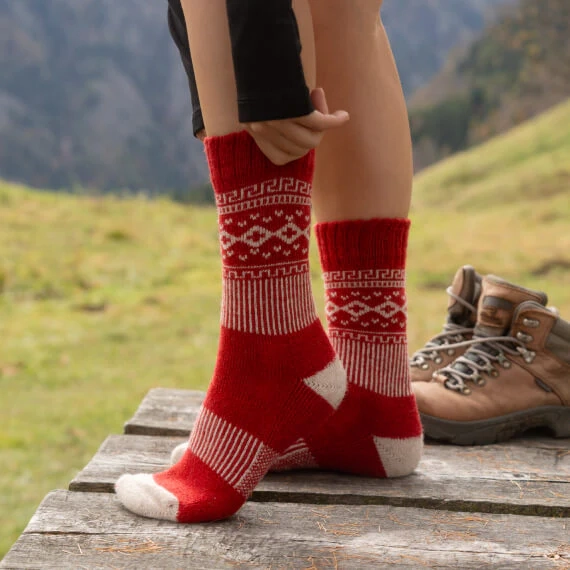
Most hiking socks stay away from 100% merino wool. They choose blends instead. These mixes add synthetic fibers to improve overall performance. The amount of merino wool changes between different models and companies. It affects things like comfort, strength, and how well the socks work.
Studies of many merino wool hiking socks show common patterns. These include socks from well-known brands. Good hiking socks usually have 40-75% merino wool. They mix in 20-50% nylon, polyester, or acrylic. Plus, they include 1-5% elastane, spandex, or lycra. Tests over long distances find almost no clear difference in performance. This holds true between 40% and 70% merino wool versions. It works as long as the mix stays in this range.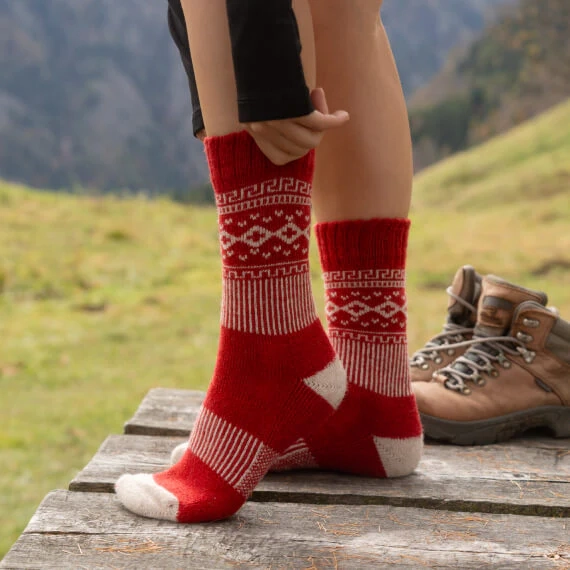
A Higher Percentage Of Merino Wool Results In A Less Durable Sock
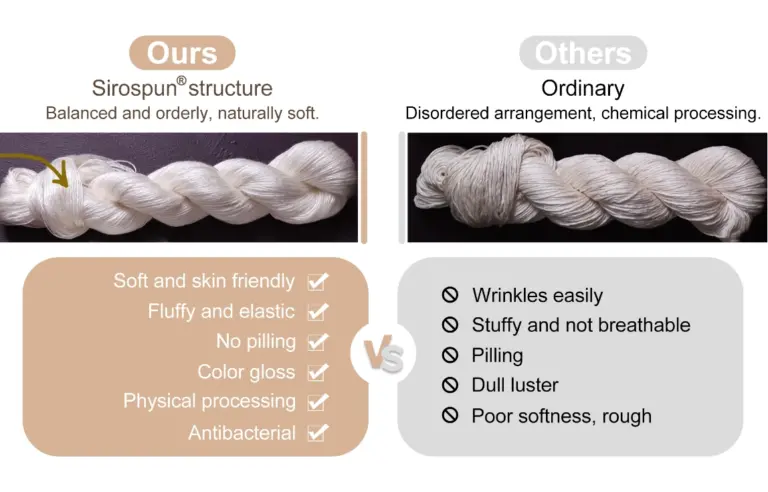
Merino wool comes from Merino sheep. These sheep have very fine and soft fibers. The fine fibers give better temperature control, sweat handling, and natural smell resistance than regular wool. But the thin fibers make the material less tough than synthetics.
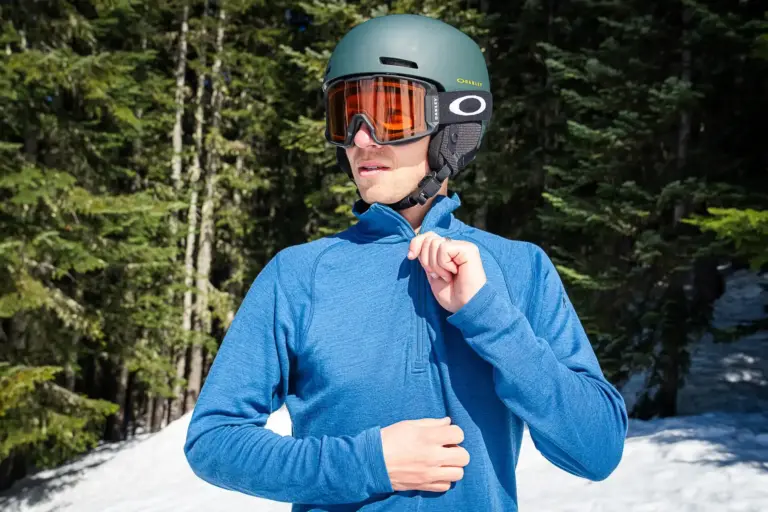
Materials like polyester, nylon, or acrylic offer stronger resistance to rubbing. They dry quicker too. They also pull moisture away better. Because of this, pure 100% merino wool mainly shows up in baselayers, hats, and glove liners. Those items face lower needs for toughness and performance in wet weather.
Higher amounts of synthetics help socks last longer. They also suit damp places better. Too many synthetics, however, reduce the good points of merino wool. This can cause less comfort and more chance of blisters.
People notice that socks with more merino wool often get holes earlier. They also show quicker wear after many washes.
How Much Merino Wool Should Be In Summer Hiking Socks
Hiking in spring, summer, and autumn works well with socks at 30-60% merino wool. Lower merino levels focus on fast drying and strength. These features matter a lot in warm weather and long trips.
Some socks have about 53% merino wool. They show great blister protection over 800 km. They dry quickly. They also control odor for several days without a wash.
Other points matter for summer hiking socks. They use light builds with less padding and thinner layers. Breathable panels improve air flow. No-show or ankle styles fit warm weather better than crew or knee-high ones.
How Much Merino Wool Should Be In Winter Hiking Socks
Winter conditions do better with 50-75% merino wool. This level gives up some strength and water resistance. But it improves air flow, temperature control, warmth, and smell control. These points become very important with insulated boots.
Crew or knee-high styles often come as midweight or heavyweight. They give the best coverage and heat.
What Other Materials Should Be In Hiking Socks In Addition To Merino Wool

Synthetics make up the main support for strength and moisture protection. Usual choices include nylon. It is the strongest and fights odor but holds more water. Polyester works great at pulling moisture and drying fast. Polypropylene and acrylic also appear. Acrylic feels warmest but wears out quickest.
Stretch comes from elastane, spandex, or lycra. These keep the sock snug and comfy. Merino and synthetics have little natural stretch on their own.
Some companies add silver yarn for germ-fighting power. It cuts down bacteria that cause smell and speed up blisters. The silver helps, but it is not the main factor. Socks without silver still perform well overall.
It’s Also Important To Choose Good-Quality Merino Wool
Merino wool works well because of fine fibers. Fineness affects temperature control, softness, smell resistance, and sweat handling. Fiber thickness changes with sheep type, age, and where they come from. Finer ones cost more even though all count as “merino.”
Trusted companies focus on top-quality merino wool. They provide steady results. Cheaper choices often fail in actual use.
Reliable merino wool socks cost $20-40. They come from brands that care about good sources and solid build.
Frequently Asked Questions
Which are the best merino wool socks?
Top ones use balanced mixes around 50-60% merino wool. They add nylon and a bit of elastane for strength and fit. Socks with germ-fighting parts and no seams do best for comfort and long life.
Why are merino wool socks so expensive?
Merino wool only comes from Merino sheep. Farmers raise them mostly in places like Australia and New Zealand. Strong demand for its great performance in outdoor clothes pushes prices up.
Are merino wool socks worth it?
Merino wool socks cut blister problems a lot on long hikes. They handle sweat well and keep feet dry. They take in plenty of moisture yet stay comfortable. They also slow bacteria growth so you can wear them longer without washing often.
Are merino wool socks good for sweaty feet?
Merino wool does great in very sweaty situations. Higher merino levels (50-75%) keep feet drier even during summer. Changing pairs each day helps keep things dry.
Partner with a Trusted Manufacturer for Custom Merino Wool Hiking Socks
Brands looking for high-performance merino wool hiking socks gain from working with experienced producers like Harvest SPF. The company started in 1993. Harvest SPF focuses on functional textiles with the idea of “Dress for Health, Dress for Energy.” It provides ODM and OEM services for merino wool socks. These include crew, midweight, fishing/hunting, and long ski types in the outdoor thermal group.
With more than 30 years of knowledge, Harvest SPF offers custom work from yarn choice to finished product. It mixes premium merino wool with synthetics for the best strength, moisture control, and comfort. Flexible MOQs begin at 500 pieces per style/color/size. It supports quick samples (as fast as 7 days), its own R&D, and approvals like RWS, OEKO-TEX, GRS, and Woolmark for green and high-quality materials.
Brands, retailers, Amazon sellers, and D2C companies in 60 countries count on Harvest SPF for fresh ideas in outdoor thermal items. Contact Harvest SPF today to talk about custom merino wool sock projects. These cover design advice, fabric creation, full manufacturing, and worldwide shipping. Check options at https://www.spftex.com/ to improve product lines with dependable, performance-focused merino wool hiking socks.