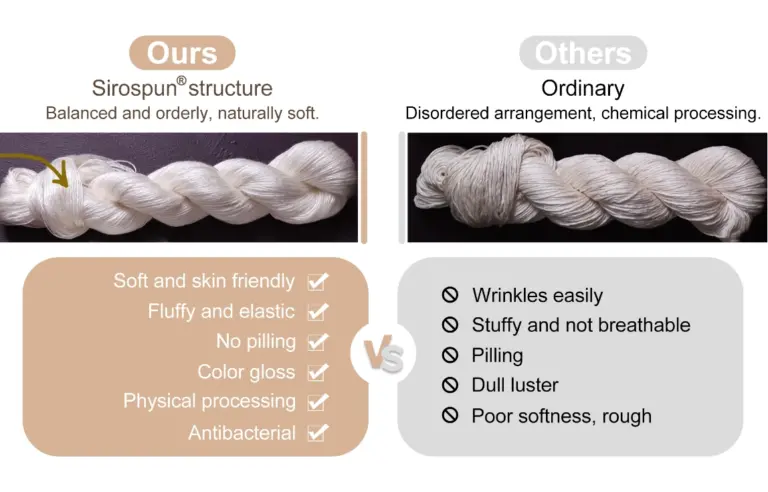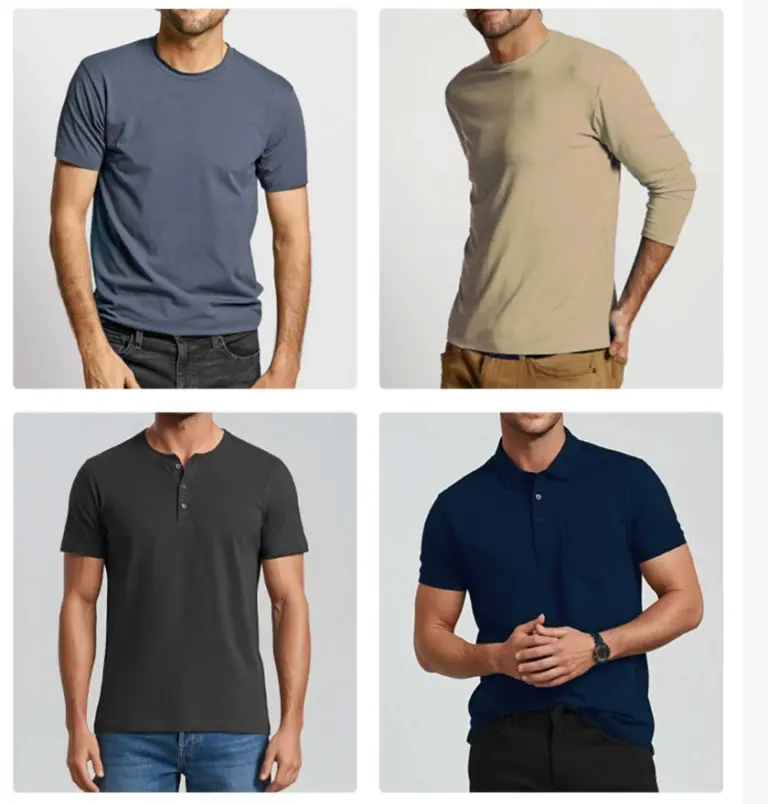
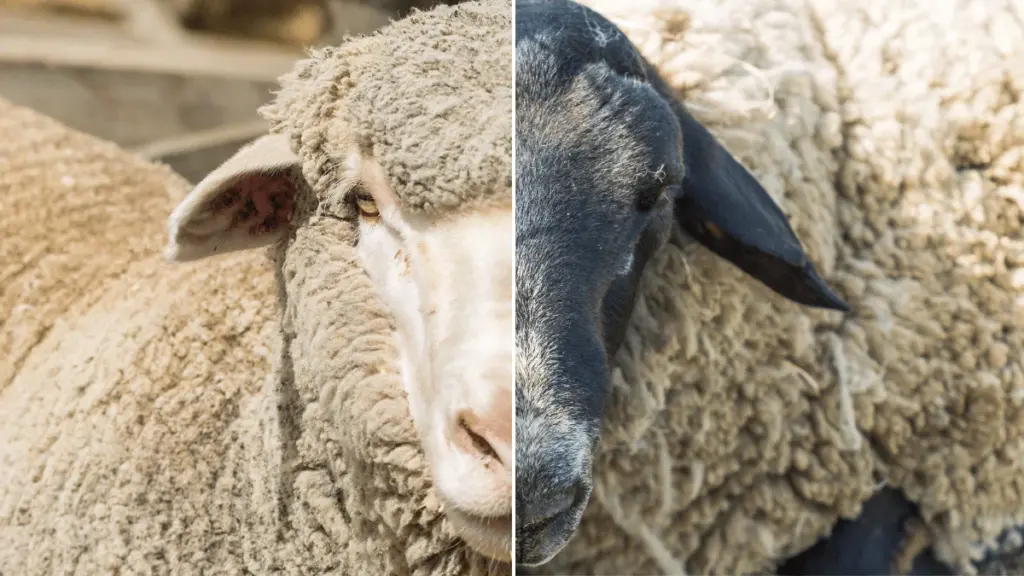
Wool stays a key material in performance clothing. People value its natural warmth, ability to handle sweat, and eco-friendly side. Among wool types, Merino wool stands out because of its very fine fibers, strong build, and useful features. These suit tough uses in outdoor fun, sports, and daily clothes. Makers and suppliers pick Merino wool more often now. It gives great comfort plus solid performance in baselayers, socks, thermal underwear, seamless clothes, cycling items, and extras.
Harvest SPF started in 1993. The company holds long experience in functional textiles. It offers fresh Merino wool options with green methods, certifications like Responsible Wool Standard, and full in-house making.
What Even Is Wool?
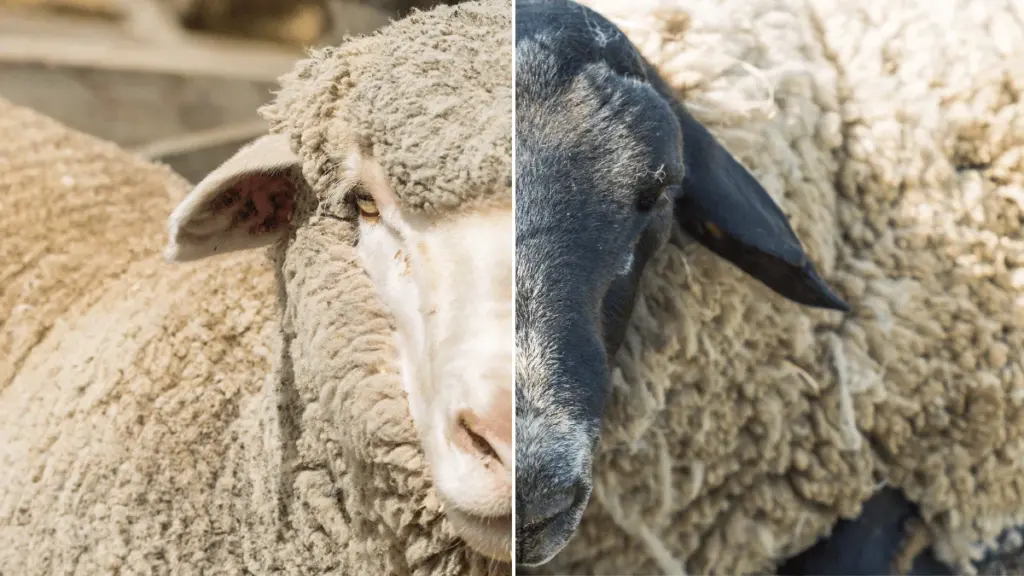
Wool grows on sheep from their skin follicles. Workers shear it now and then in a way that cares for the animals when done right. This fiber comes back year after year. It has met human needs for thousands of years, often following rules like the Responsible Wool Standard for clear tracking and kind care. The main thing that changes how wool works is fiber thickness, measured in microns. Fibers below 40 microns work well for clothes since they feel softer. Coarser ones go to other jobs. Human hair sits between 40 and 90 microns, so wool can get much finer. Wool traps air to keep warmth in. It holds heat even when wet. It soaks up 30-35% of its weight in water yet stays dry to touch. It fights fire on its own. Sheep grow more each year. These traits let wool fit thermal layers, active clothes, and safety gear.
What Is “Regular Wool” (aka Not Merino)?
Regular wool covers fibers from non-Merino sheep kinds. It often ends up thicker and rougher, like in old-style knits. It gives steady warmth, good sweat pickup, and fire block, so it fits strong uses such as outer layers or furniture covers. Regular wool traps heat well and deals with damp air to a point. This helps comfort in chilly spots. Yet thicker fibers—usually 25-40 microns or above—feel scratchy on skin. That can cause itch during long wear. Regular wool brings good basic work. Still, it lags in cases that need long comfort, light weight, or strong smell control next to finer choices.
What Is Lambswool?
Lambswool comes from the first shear of young lambs, often at about seven months. It gives short fibers around 2 inches or less. This makes softer and stretchier cloth than standard regular wool. It also breathes better and feels less prickly. Lambswool fits nice knits, scarves, and sweaters where soft touch counts. It keeps wool’s main perks like sweat move and heat control. But it changes a lot by sheep type. Without steady breed fineness or long fibers, lambswool may not reach the even thinness or lasting strength of special kinds. Still, it steps up from rougher regular wools.
What Is Merino Wool?
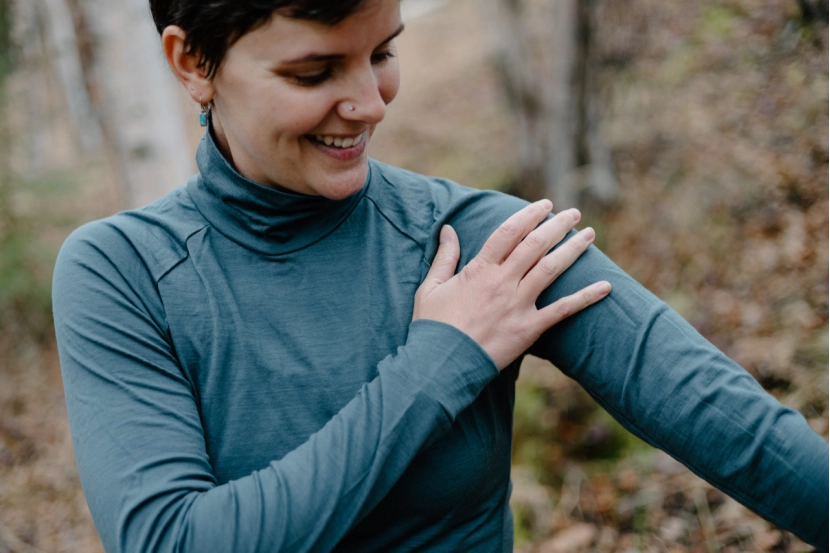
Merino wool comes only from Merino sheep. The breed began in old Spain and grew strong in high places of Australia and New Zealand. Careful breeding makes very thin fibers, mostly 17-22 microns. Top kinds go lower. With longer fiber lengths, Merino wool builds smooth and tough yarns. These fit light, high-work fabrics. This special fiber works for items that need soft feel on skin yet keep wool’s built-in wins. Today’s Merino goods often mix with other threads for better stretch and life. But pure or high-Merino amounts bring out the best natural perks.
The Benefits of Merino Wool
Merino wool brings clear edges that make it a top pick for work textiles. Thin fibers bend easy on skin. This cuts itch that coarser wools bring and gives smooth feel even in touchy spots. Longer fibers build steady, tough yarns. They handle twist—up to 20,000 times with no break—so less pilling and longer wear.
Merino wool controls temp well. It warms in cold and lets extra heat out during move. It pulls sweat fast to keep dry. Built-in germ block fights smells. This lets wear for days with little wash. Stretch back helps clothes hold shape after pull.
These traits show up in many items: Merino wool baselayers for steady temp in changing weather, thermal underwear for sure warmth, Merino wool socks with pad and air flow for long outdoor time, Merino wool seamless lines for free move, Merino wool cycling clothes for sweat control on hard rides, and extras like Merino wool beanies for cold guard without heavy feel.
Merino Wool vs Lambswool vs Regular Wool
All wool kinds share basic points like warmth hold, renew power, and damp control. Regular wool, from mixed breeds, brings sure heat and strength but often rough feel and less skin-fit use. Lambswool boosts soft and stretch from young fibers. Yet it misses steady thin size or even length across sources.
Merino wool beats both with thinner sizes (15-24 microns usually) for top soft, longer fibers for better strength and smooth, and stronger natural work like top temp control, fast wicking, and long smell block. In hard settings—long outdoor time, high-move sports, or touchy skin uses—Merino wool gives light but good warmth hold, tougher wear fight, and wider fit without losing comfort.
So Why Choose Merino Wool?
Merino wool mixes top soft, strength, sweat handle, temp control, and smell fight into one material. It meets today’s work needs. Its natural sides fit green making, backing eco designs with clear sources and certs. For items that face hard use—from baselayers and thermal to socks, cycling gear, and extras—Merino wool brings sure comfort and work that rougher picks find hard to match. This makes it the go-to for fresh apparel lines aimed at quality, user happy, and earth care.
FAQ
What makes Merino wool different from regular wool in terms of comfort?
Merino wool’s thinner fibers (usually 15-24 microns) bend easy on skin. This cuts itch a lot compared to thicker regular wool (often 25-40+ microns).
Is Merino wool warmer than regular wool?
Both hold warmth well. But Merino wool’s better temp control gives good heat in cold and cool in move. It fits more temp ranges.
Does Merino wool resist odors better than regular wool?
Yes. Merino wool’s natural germ block fights smells more. It supports days of wear with less wash.
Can Merino wool be used in various products beyond socks?
Merino wool does well in baselayers, thermal underwear, seamless apparel, cycling gear, extras like beanies, and more. It works thanks to air flow, strength, and comfort.
Is Merino wool suitable for sensitive skin?
Its thin, smooth fibers feel gentler. They irritate far less than regular wool. Often it fits direct skin use in base layers and underwear.
How does Merino wool handle moisture compared to regular wool?
Merino wool pulls sweat well and takes in lots without wet feel. It beats regular wool in active and changing settings.
Partner with a Trusted Manufacturer for Premium Merino Wool Solutions
Brands that want to add high-work Merino wool to their lines gain from Harvest SPF ‘s full ODM/OEM skills. With in-house making, over 30 patents, fast 7-day samples, low MOQs from 500 pieces per style, and certs like Responsible Wool Standard, OEKO-TEX, and Global Recycled Standard, Harvest SPF supplies custom Merino wool baselayers, socks, seamless series, cycling apparel, thermal underwear, and extras. Use clear green materials, fresh fabric work, and world supply know-how to build stand-out, ready products. Contact via spftex.com to check team-up chances, talk custom fixes, and push forward top Merino wool lines.