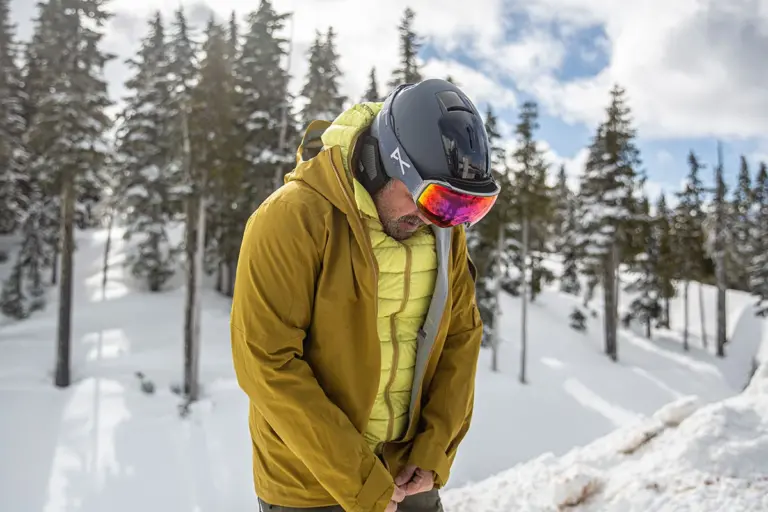

Ever had to do the leggings-hike mid-run? Or found yourself suddenly flashin’ the ceiling in downward dog because your shirt went rogue? We feel you. It’s more than a little awkward—it completely derails your focus. Suddenly, you’re not thinking about your form or your breath; you’re just fighting your clothes.
That’s the opposite of what activewear should do. Your gear shouldn’t be a distraction. It should be the one thing you don’t have to think about, moving with you so you can just get on with your workout in comfort and confidence.
Think of this as your go-to guide for cutting through the clutter. We’ll break down how to pick pieces that actually work, whether you’re stretching it out or sprinting for the finish line.
Great activewear clothes start with awesome fabric and smart design. Companies like Harvest SPF Textile Co., Ltd. really get it. They make special fabrics that athletes love, thinking about stuff like how the material handles sweat on a long run or how seams stay smooth when you’re moving a ton. If you’re serious about your workout gear, it’s worth checking out a company like this. Hop over to their website to see their cool activewear clothes and how they make them work so well.
Why Does a One-Size-Fits-All Approach Fall Short?
Activewear clothes aren’t just for looking cool at the gym. They’re built to help your body move the way it needs to. What’s awesome for running might be a total flop for yoga. It all comes down to how your body works during different activities.
Running is all about fast, bouncy steps. Your activewear clothes need to stick with you without rubbing or slowing you down. Yoga and Pilates, though, need clothes that stretch like crazy and don’t budge when you twist or flip upside down. Strength training calls for tough fabrics that let you move freely without squeezing you during squats. Picking the wrong gear can mess up your workout. To nail it, focus on three big things: the fabric, how it fits, and the neat design extras.
What Fabric Works Best for Your Sweat Session?
Fabric is like your workout’s best friend. It keeps you feeling good when you’re sweating buckets. The right fabric pulls sweat away from your skin. The wrong one traps it, leaving you soggy and gross.
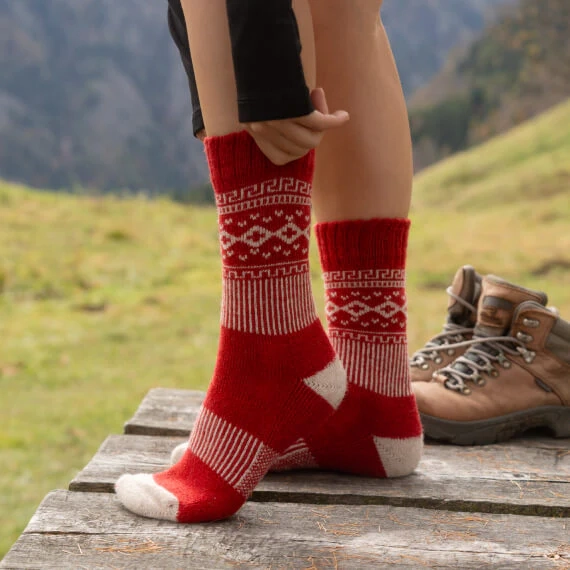
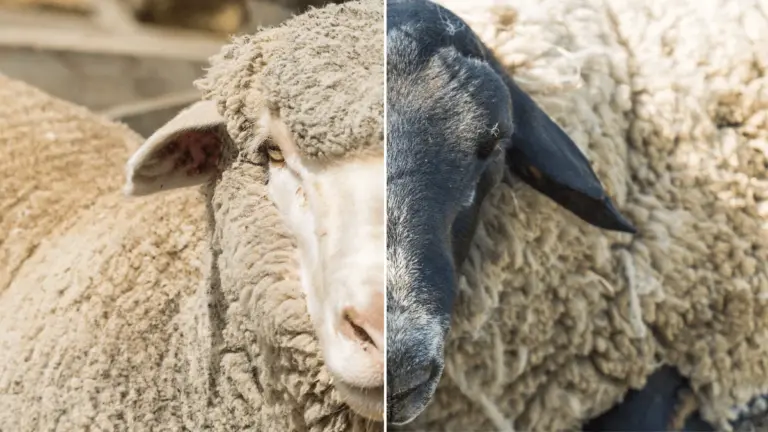
When you’re facing unpredictable conditions on long hikes or outdoor workouts, Merino wool proves surprisingly versatile. This natural fiber actually adjusts to temperature changes – it provides gentle warmth when a chill comes through, yet remains breathable enough to keep you comfortable when the sun emerges. What’s more, its natural properties help control odors, so you can wear it for extended periods without that typical workout smell setting in.
Now, about cotton. You might love your cozy cotton t-shirt, but it’s no good for sweating. It soaks up moisture like a sponge and holds onto it. That makes you feel heavy, cold, and even itchy. Save cotton for hanging out after your workout. Bottom line? Choose a fabric that matches how much you sweat.
How Should Your Activewear Fit for Maximum Performance?
Fit is everything. It’s not just about grabbing the right size. It’s about how your activewear clothes feel when you’re moving. A great fit supports you without holding you back. It stays in place so you can focus on nailing your workout.
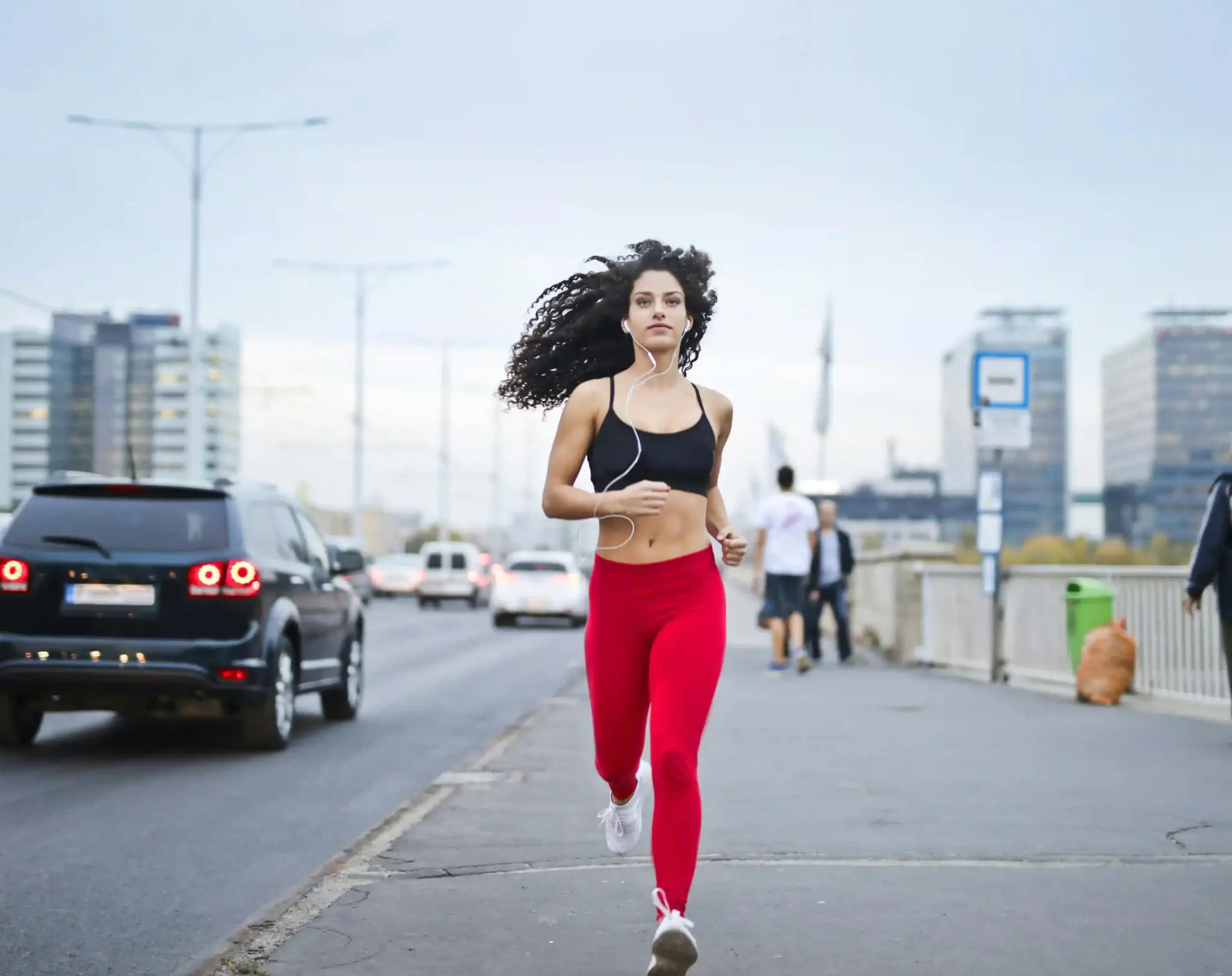
For high-energy stuff like running, go for a tight, snug fit. Running tights or shorts need a strong waistband that won’t slip. Your top should hug your body to avoid flapping in the wind, which slows you down. A snug fit also helps your muscles. For chill activities like yoga, you want stretchy, easy-moving clothes. Leggings need a high waist that stays put during poses like downward dog. Tops should be tight enough to not flip over your head when you bend.
When you try on activewear clothes, test them out. Do a couple of squats, stretch into a lunge, or raise your arms high. If anything pinches, slides down, or feels too tight, it’s not the right pick for that workout.
What Design Details Truly Matter?
Here’s where the fun stuff comes in. Little design tricks fix problems you didn’t even know you had. A few smart details can turn okay activewear clothes into your new favorite gear.
Start with the waistband. A wide, high waistband feels awesome and supports your middle. It’s great for running or yoga. Some have a drawstring so you can tweak the fit just right. Next, check the seams. Flatlock seams lie flat against your skin, not all bumpy. That’s a big deal for runners because it stops annoying rubbing.
Pockets matter too. A simple pocket is fine for yoga, but runners and hikers need zip-up pockets to keep keys or snacks safe. For runs at dawn or dusk, reflective strips are super important. They make sure cars and bikes can see you. These little extras make your activewear clothes work hard for you.
Your Sport-Specific Checklist
Let’s break it down. Here’s a quick guide to picking activewear clothes for your favorite activity.
For the Runner: Grab sweat-wicking leggings or shorts with a sturdy waistband. Tops should be light and snug. Look for reflective strips and zip-up pockets.
For the Yoga Enthusiast: Pick soft, super-stretchy fabrics. High-waisted leggings are a must. Tops need to stay put when you flip upside down. Try specialized gear like these ladies’ seamless yoga compression shorts, which mix stretch with support.
For the Strength Trainer: You need tough leggings or shorts that can handle gym gear rubbing. The fit should let you squat deep without feeling tight. A snug top helps you check your form in the mirror.
For the HIIT Lover: Your activewear clothes need to do it all. Choose tight, supportive leggings and super-breathable tops. The fabric should be strong for floor work but light for cardio jumps.
FAQ
Q1: Can I wear the same leggings for yoga and running?
A: You could, but it’s not ideal. Yoga leggings are soft and stretchy, but running leggings need to be tighter with a solid waist. One might not be great for the other.
Q2: Why do my clothes still smell after washing?
A: Synthetic fabrics can trap sweat and germs. Try a sports detergent or toss in half a cup of white vinegar during the rinse. It cleans them out.
Q3: How long should good activewear last?
A: With regular use, quality activewear clothes last about 1 to 2 years. Swap them out if the elastic gets loose, the fabric gets fuzzy, or it stops wicking sweat.
Q4: Is a cotton t-shirt really that bad for the gym?
A: Yup, for sweaty workouts, it’s not great. It gets heavy, cold, and can rub your skin raw. It’s okay for light lifting or stretching, but not for cardio.
Q5: What’s the most important thing in a sports bra?
A: Support. Pick a bra that matches your toughest workout. A yoga bra won’t hold up for running, which can hurt and feel yucky.