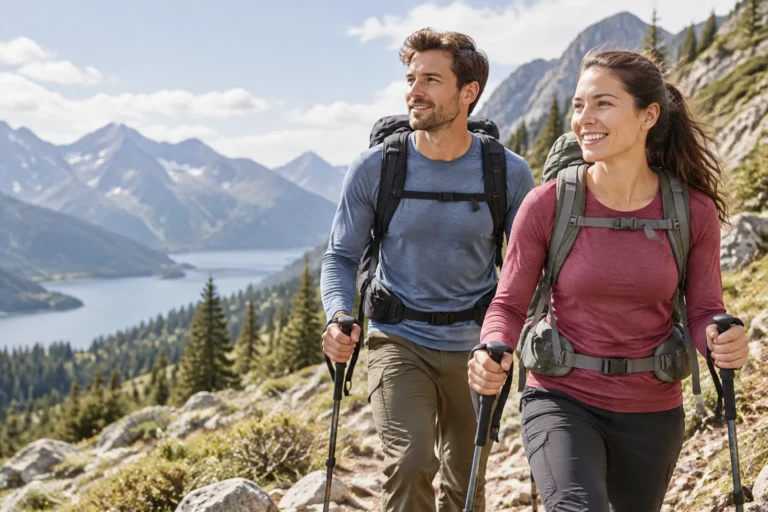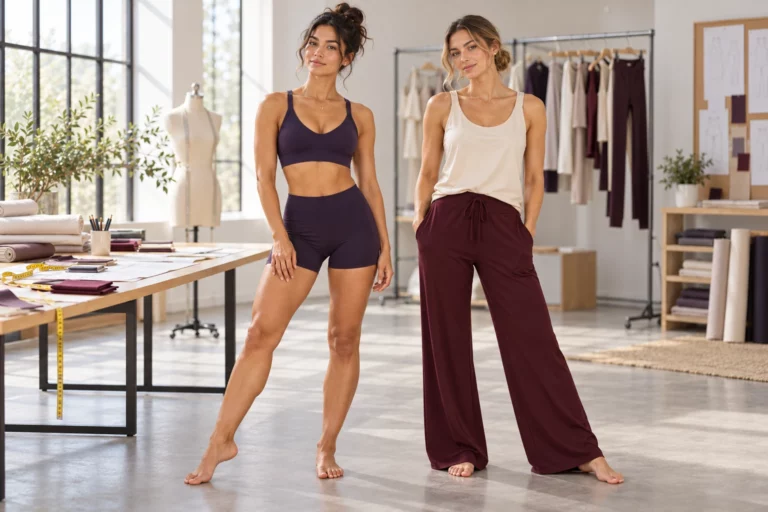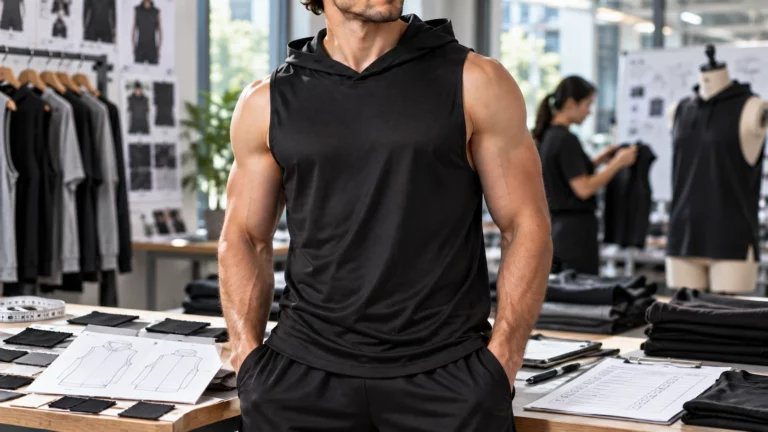

The activewear and performance apparel market continues to grow as consumers look for clothing that works for training, daily movement, travel, and casual wear. Today’s customers expect activewear to be comfortable, functional, versatile, and increasingly sustainable.
For new brands, launching an activewear line requires more than choosing a few styles. It requires market research, a clear product niche, fabric strategy, technical development, sampling, production planning, and a go-to-market strategy. With the right development process and manufacturing partner, a design concept can become a retail-ready collection for the U.S. and global markets.
Why Start an Activewear Line?
Activewear sits at the intersection of fitness, lifestyle, comfort, and everyday performance. Products such as training tops, leggings, shorts, sports bras, base layers, thermal layers, yoga wear, gymwear, and outdoor apparel can serve multiple use cases across gym training, yoga and Pilates, running, outdoor layering, travel wear, recovery wear, athleisure, and sustainable basics.
A well-planned activewear collection based on functional textiles and well-designed products can offer a clear value proposition in a competitive market. For brands, the opportunity is not only to create products that look good, but also to solve real consumer problems such as poor fit, see-through fabrics, slow drying, pilling, odor retention, inconsistent sizing, and lack of comfort during movement.
8 Steps to Start an Activewear Line From Scratch
1. Conduct Market Research
Market research forms the foundation of any successful activewear brand. Before creating samples or contacting a manufacturer, brands should identify who the product is for, what activities customers do, what price range they accept, which competitors they buy from, and what product gaps exist in the market.
For U.S. activewear startups and private-label brands, research should go beyond general trends. Review customer comments on Amazon, Shopify stores, Reddit, TikTok, competitor websites, and product review sections to understand common complaints such as poor fit, see-through leggings, fabric pilling, slow drying, odor retention, uncomfortable seams, or inconsistent sizing.
Key research areas include:
- Target customer profile and activity type
- Consumer performance needs, such as moisture-wicking, breathability, compression, thermoregulation, and odor control
- Target retail price and acceptable product quality level
- Competitor product features, pricing, reviews, and positioning
- Sustainability expectations, certifications, and material claims
- Preferred sales channel, such as Shopify, Amazon, wholesale, studios, gyms, or outdoor retailers
Understanding these strategic elements helps brands make better decisions about product mix, material selection, pricing, development priorities, and launch timing.
2. Select a Clear Product Niche
Activewear includes many subcategories, and choosing a clear niche helps a new brand avoid launching too many products at once. A focused niche also makes fabric sourcing, sampling, pricing, inventory planning, and marketing more efficient.
Possible activewear niches include:
- Yoga and Pilates apparel
- Gym training tops, shorts, and leggings
- Running apparel
- Outdoor base layers and thermal underwear
- Merino wool performance wear
- Seamless activewear
- Sweatproof undershirts and moisture-control garments
- Eco daily essentials
- Compression sportswear
Harvest SPF has identified a range of product categories that address different consumer needs. Fitness & Yoga, Eco Daily Essentials, Outdoor & Thermal Collections, Seamless Activewear, and Functional Daily Wear can all be developed into more specific product programs based on target customer, season, price point, and performance requirement.
3. Choose the Right Material Base
Fabric selection determines how an activewear product feels, fits, performs, washes, and supports the brand’s positioning. A good fabric strategy should balance comfort, stretch recovery, breathability, moisture management, durability, sustainability, and cost.
Performance material considerations include:
- Moisture management for intense workouts and high-sweat activities
- Stretch and recovery for leggings, compression wear, and close-to-body garments
- Thermoregulation for cold-weather activewear and outdoor base layers
- Odor control for travel, hiking, base layers, socks, and repeated wear
- Sustainable fibers such as Merino wool, TENCEL™, modal, organic cotton, recycled polyester, recycled nylon, and PLA blends where appropriate
Harvest SPF can support material recommendation for functional textiles and sustainable performance solutions. The goal is to select fabrics that enhance the wearer’s experience while supporting the brand’s performance claims and sustainability objectives.
Example product and material planning guide:
| Product Type | Common Fabric Options | Key Performance Needs |
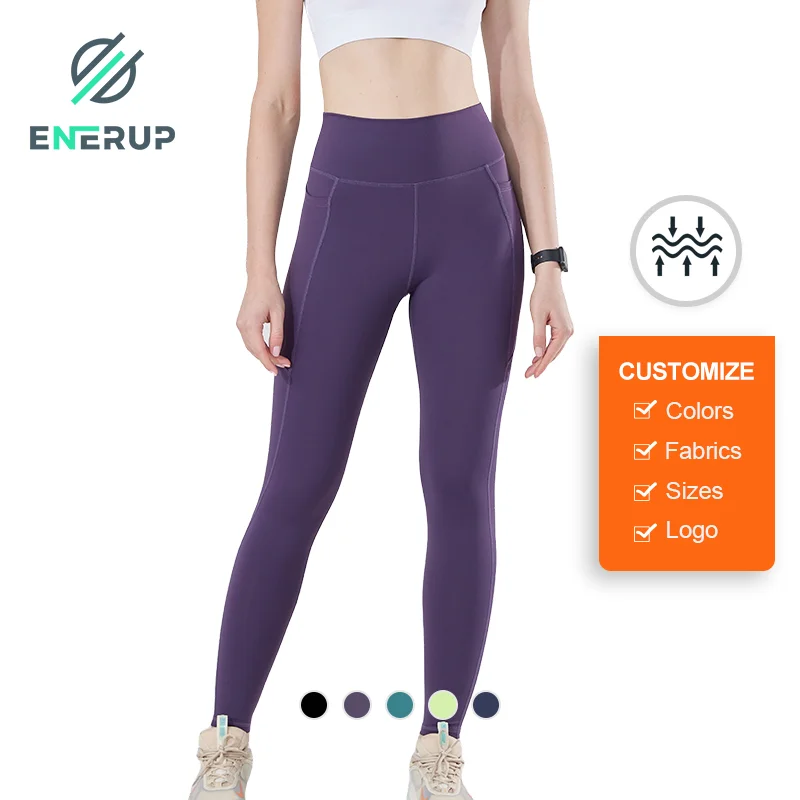
| Yoga leggings | Nylon/spandex, recycled nylon/spandex | Stretch, opacity, recovery, squat-proof performance |
| Training tops | Polyester/spandex, mesh knit, quick-dry blends | Moisture-wicking, breathability, fast drying |
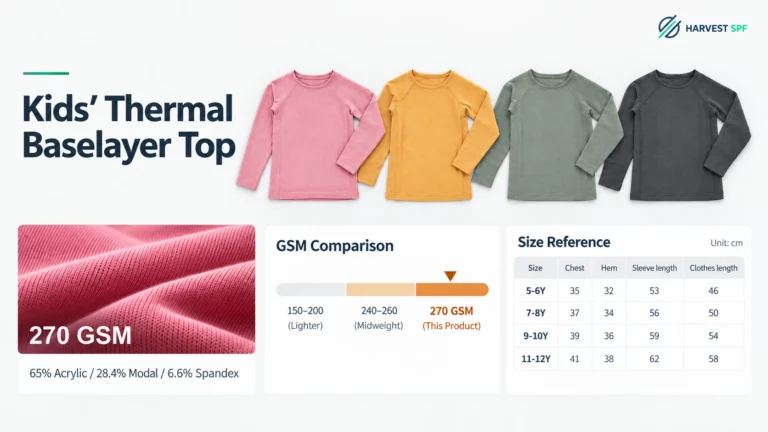
| Base layers | Merino wool blends, polyester blends, seamless knits | Thermoregulation, odor control, next-to-skin comfort |
| Thermal wear | Brushed knit, merino blends, fleece structures | Warmth, moisture movement, layering comfort |
| Eco basics | Organic cotton, TENCEL™, modal, recycled blends | Softness, sustainability, casual performance |
4. Partner with Experienced Apparel Engineering and Manufacturing
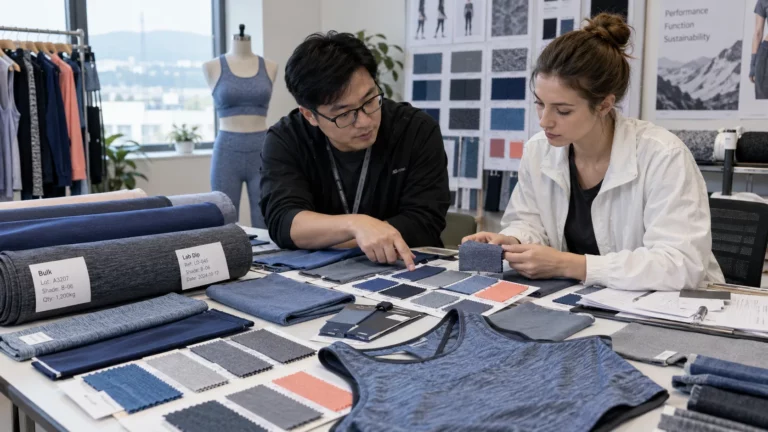
Effective activewear production requires technical expertise and a manufacturing partner with experience in stretch fabrics, functional textiles, pattern development, grading, sampling, fit correction, quality control, and production planning.
Key manufacturing capabilities to look for include:
- Activewear and performance apparel production experience
- Fabric sourcing and material recommendation capability
- Pattern development, grading, and fit correction
- Rapid prototyping and sample development
- Flexible MOQ and realistic production turnaround
- Quality control process and testing support
- Compliance, certification, and documentation support where required
- Clear communication and export experience
Harvest SPF offers development support including sampling, pattern development, material recommendation, customization, and quality control at each stage of production. This helps ensure that the final product meets the brand’s design, fit, performance, and commercial requirements.
5. Focus on Functional Design and Engineering
Activewear design should be based on movement, body mapping, fabric behavior, and end-use performance. A product that looks good on a hanger must also perform during stretching, running, lifting, sweating, layering, and repeated washing.
Functional design details may include:
- Strategic paneling and ergonomic seams
- Gusset construction for leggings, shorts, and close-fitting bottoms
- Flatlock or low-friction seams for next-to-skin comfort
- Compression zones, ventilation panels, or cooling zones
- Waistband stability and anti-roll construction
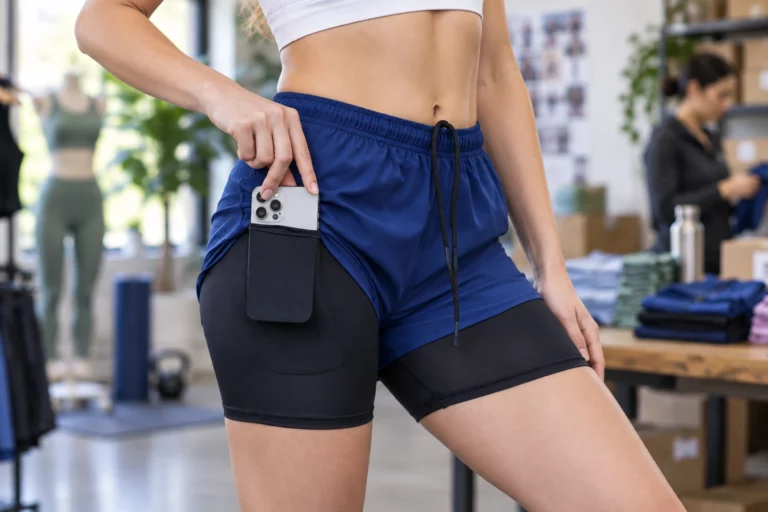
- Pocket placement for running, gym, or travel use
- Reflective details for outdoor and running apparel
- Sweat-control panels or moisture-management zones where needed
- Durable stitching and construction designed for repeated use
Designers and development teams should translate these features into clear tech packs, fit comments, sample requirements, and testing standards before moving into bulk production.
6. Finalize a Detailed Business Plan
A business plan should connect product development with pricing, sourcing, sales channels, inventory planning, and marketing budget. It should give the brand a clear roadmap from product concept to market launch.
Core elements of a business plan include:
- Target customer and brand positioning
- Product assortment and launch SKU plan
- Target retail price and estimated landed cost
- Margin target and cost structure
- MOQ and inventory planning
- Sample, testing, and production timeline
- Go-to-market and distribution strategy
- Marketing budget and launch assets
- Reorder plan and long-term product roadmap
This plan helps brands avoid overdevelopment, manage cash flow, and make better decisions throughout sampling, production, and launch.
7. Develop Strategic Marketing and Brand Messaging
Brands should develop clear messaging around product function, comfort, fit, fabric technology, sustainability, and use scenarios. The most effective activewear brands do not only sell garments; they explain why the product solves a specific problem for a specific customer.
Strategic marketing assets may include:
- A clear product story for the collection
- Technical benefit explanations, such as moisture management, stretch recovery, thermoregulation, or odor control
- Lifestyle use cases for gym, yoga, running, travel, outdoor, recovery, or daily wear
- Material claims supported by relevant documentation
- Sustainability messaging with credible certificates or supplier records
- UGC, creator content, product education, and retailer pitch materials
- Digital visibility across Shopify, Amazon, social media, and wholesale channels
Marketing should be planned early because the product story affects style selection, fabric choice, product photography, packaging, and sales channel positioning.
8. Plan Sales Channels and Retail Engagement
Sales channel planning should happen before production because channel choice affects packaging, MOQ, price point, labeling, size range, inventory depth, and marketing assets.
Common sales channels for activewear brands include:
- Shopify or a direct-to-consumer website
- Amazon or marketplace platforms
- Wholesale retailers and specialty stores
- Fitness studios, yoga studios, and boutique gyms
- Outdoor stores and running shops
- Corporate, teamwear, or uniform programs
- Influencer-led drops or limited capsule collections
- Retail partnerships and private-label programs
Establishing early retail connections and channel positioning helps brands plan product quantities, size curves, packaging, margins, and launch timing more accurately.
Understand Materials and Construction
Material choice affects how activewear fits, feels, performs, and holds up after repeated wear and washing. Below are several key material and construction factors brands should consider when developing an activewear collection.
Technical Fabrics
Performance apparel is often made with knitted structures and stretch fabrics that combine comfort, durability, breathability, and recovery. Common options include nylon/spandex for leggings and compression products, polyester/spandex for training tops and quick-dry apparel, merino wool blends for base layers, and seamless knits for body-mapped activewear.
Sustainability and Certifications
Sustainability claims should be supported by relevant documentation, such as recycled content certificates, organic fiber certification, OEKO-TEX®, RWS, FSC/PEFC, or other applicable standards depending on the material. Clear documentation helps brands make responsible claims and build trust with retailers and consumers.
Depending on the project requirements, Harvest SPF can recommend sustainable material options, certified fabrics, recycled fibers, and performance finishes supported by appropriate supplier documentation.
Fit and Sizing
Activewear fit should match the activity and customer expectation. Compression, regular, relaxed, and loose fits all serve different movement patterns and brand positions. Precision grading, fit samples, wear testing, and size-range planning are critical to ensure product satisfaction and reduce returns.
Harvest SPF Solutions for Activewear Launches
Harvest SPF can support activewear launches across multiple product categories:
- Fitness & Yoga: leggings, tops, sports bras, shorts, and breathable training apparel
- Outdoor & Thermal: merino wool base layers, thermal underwear, fleece layers, and cold-weather products
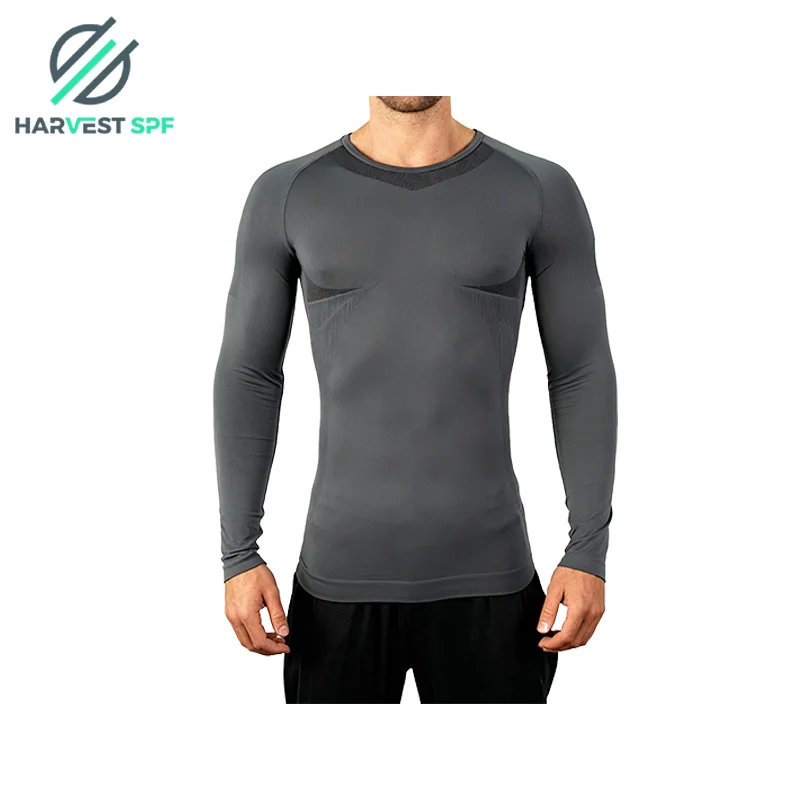
- Seamless Activewear: seamless tops, leggings, underwear, socks, and body-mapped products
- Eco Daily Essentials: sustainable T-shirts, base layers, and lifestyle basics
- Functional Healthcare Textiles: comfort-focused and wellness-oriented textile products
Support can include fabric recommendation, sample development, tech pack review, fit adjustment, MOQ planning, quality control, customization, and full-package ODM/OEM production. These solutions help brands move from concept to market-ready activewear more efficiently.
FAQ
What is the first step when planning an activewear line?
The first step is market research. Brands should understand target customers, activities, price range, competitors, product gaps, and common consumer pain points before developing samples.
How much money do you need to start an activewear line?
The budget depends on product quantity, fabric choice, sample rounds, MOQ, packaging, testing, marketing, and sales channel. A focused launch with fewer SKUs is usually easier to manage than a large collection.
What is the best first product for a new activewear brand?
Many new brands start with one to three core products, such as leggings, training tops, base layers, gymwear essentials, or a focused niche product that solves a clear customer problem.
What role does material selection play?
Materials determine comfort, fit, stretch, recovery, breathability, moisture management, durability, sustainability, and cost. Material selection is one of the most important factors in product value and differentiation.
Why is choosing a manufacturing partner important?
A partner with technical expertise, pattern development capability, sampling support, fit correction, and quality control can help improve product quality, reduce development mistakes, and support efficient production timelines.
How long does it take to develop an activewear collection?
The timeline depends on fabric availability, sample rounds, fit approval, testing, lab dips, customization, MOQ, and production schedule. Brands should allow enough time for sampling, revision, and pre-production approval.
What should brands prepare before contacting a manufacturer?
Brands should prepare reference products, target customer, target retail price, estimated quantity, product category, fabric preference, size range, branding requirements, packaging needs, and any performance or sustainability goals.
Can Harvest SPF help with private-label activewear?
Yes. Harvest SPF can support ODM/OEM activewear development, including fabric selection, sampling, customization, fit adjustment, production planning, quality control, and full-package manufacturing support.
Launch Your Activewear Line with Harvest SPF
Harvest SPF has the manufacturing and development capabilities to support activewear brands throughout the product development process. From selecting the right fabrics for a brand’s material strategy to developing patterns, adjusting fit, planning production runs, and managing quality, Harvest SPF helps brands create customized production plans that enhance product performance and marketability.
Whether you are launching your first collection or expanding an existing apparel line, partnering with a reliable manufacturer can help improve product quality, development efficiency, and production execution.
Contact Harvest SPF to discuss your activewear concept, fabric strategy, sample development, MOQ, fit requirements, sustainability goals, and ODM/OEM production plan.