
When developing a functional apparel collection, choosing between a 1/4-zip pullover and a sweatshirt is more than a style decision. Each garment serves a different purpose in terms of comfort, layering, ventilation, warmth, fabric selection, and market positioning.
Both styles are popular in activewear, outdoor apparel, athleisure, teamwear, corporate apparel, and casual lifestyle collections. However, they are built for different use cases. A 1/4-zip pullover is often positioned as a technical layering piece, while a sweatshirt is usually developed as a comfort-driven staple for everyday wear.
For apparel brands, private-label buyers, product developers, and sourcing teams, understanding the difference between these two categories can help you choose the right product for the right market. The final decision should depend on your target consumer, season, price point, fabric structure, performance requirements, and brand positioning.
What Is a 1/4-Zip Pullover?
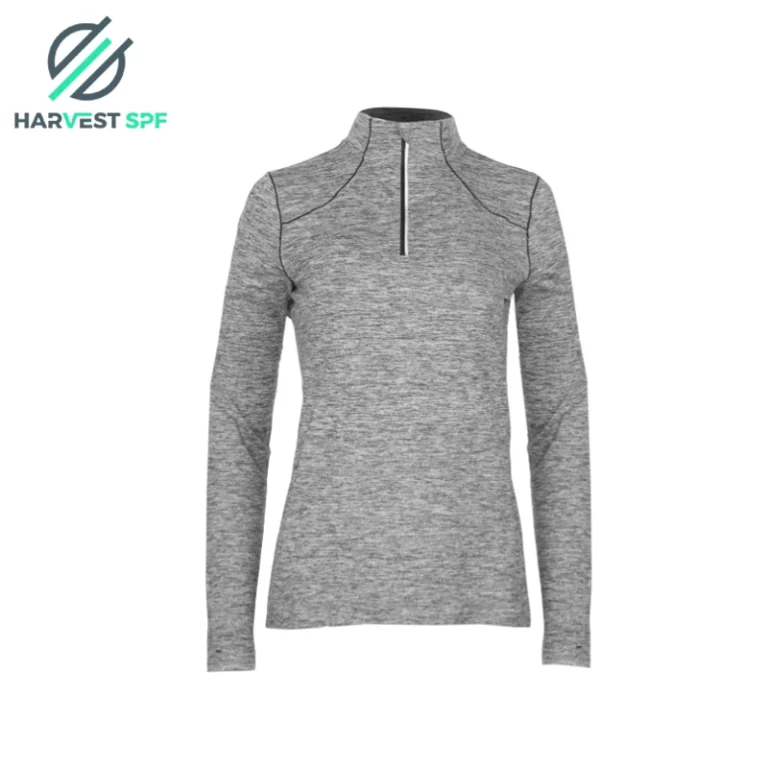
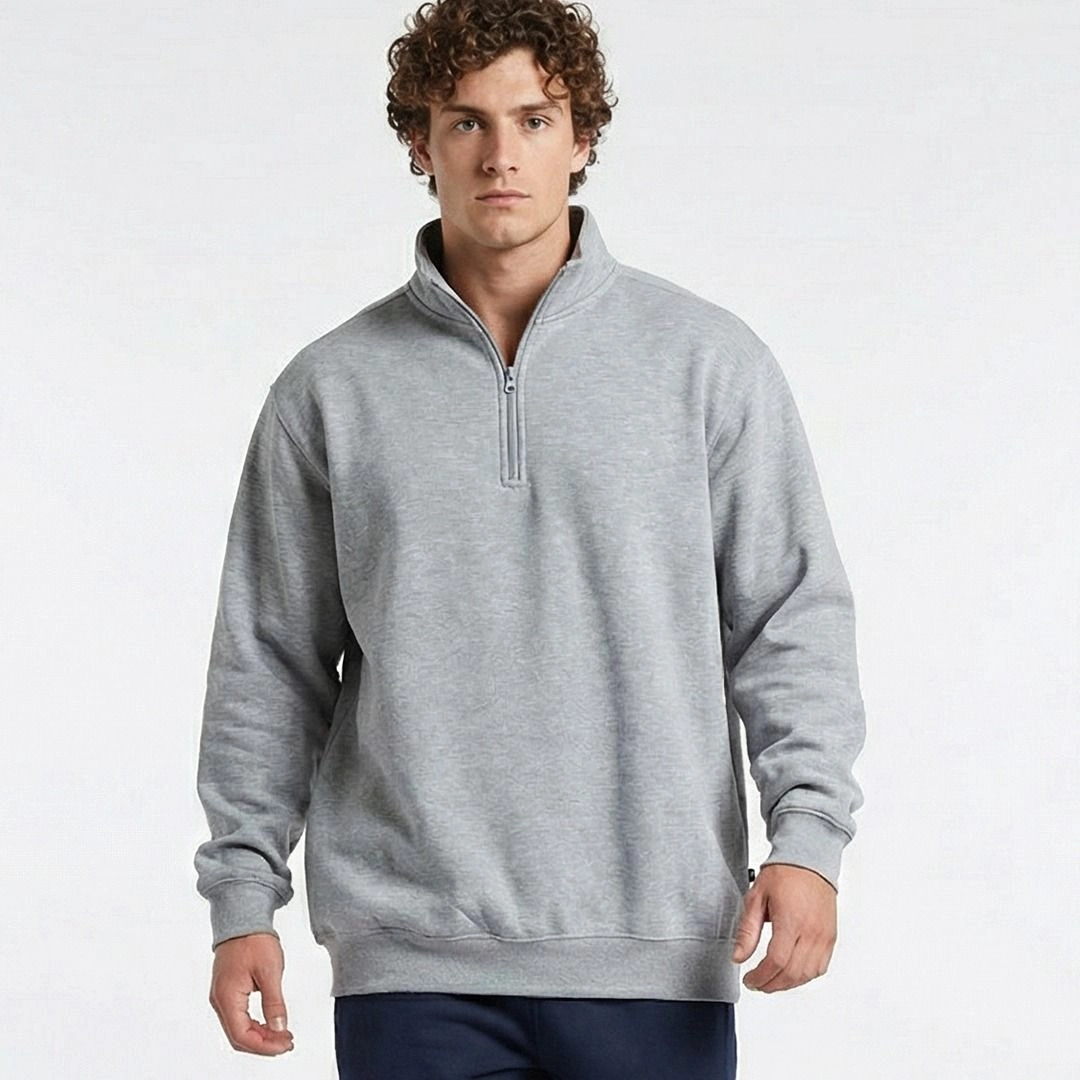
A 1/4-zip pullover is a long-sleeve knit or performance top with a short zipper running from the collar to the upper chest. The zipper allows the wearer to adjust ventilation, making the style useful for layering, outdoor activity, training, golf, running, hiking, and corporate activewear.
In the U.S. market, this style may also be called a quarter-zip pullover, 1/4-zip sweatshirt, performance quarter-zip, quarter-zip fleece, or quarter-zip active top. The exact name often depends on the fabric, fit, and target market.
A 1/4-zip pullover is commonly used in outdoor, athletic, golf, travel, uniform, and layering programs. It can be developed as a lightweight technical layer, brushed fleece midlayer, merino wool blend base layer, or performance athleisure piece.
Key Features of 1/4-Zip Pullovers:
- Adjustable neckline ventilation
- Strong layering capability
- Sport-oriented or performance silhouettes
- Suitable for technical fabrics and stretch blends
- Useful for outdoor, golf, running, hiking, teamwear, and corporate apparel
- Can include performance details such as a chin guard, zipper garage, thumbholes, reflective trim, or flatlock seams
For performance quarter-zips, development details such as zipper quality, collar height, chin guard, zipper garage, sleeve construction, seam placement, and optional thumbholes can significantly affect comfort and perceived value.
What Is a Sweatshirt?
A sweatshirt is a classic knitwear staple usually made from fleece, French terry, cotton blends, poly-cotton fleece, or performance fleece. It is typically designed for warmth, softness, and everyday comfort rather than adjustable ventilation.
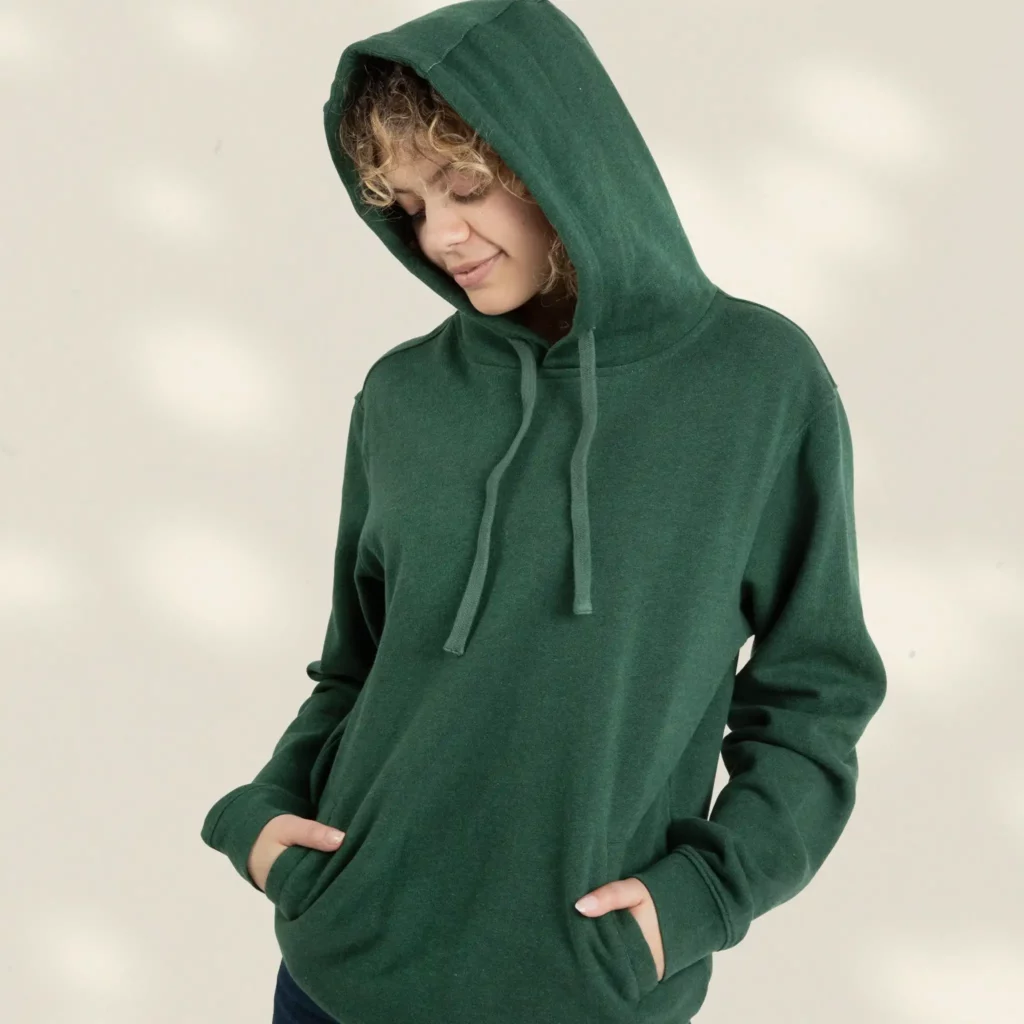
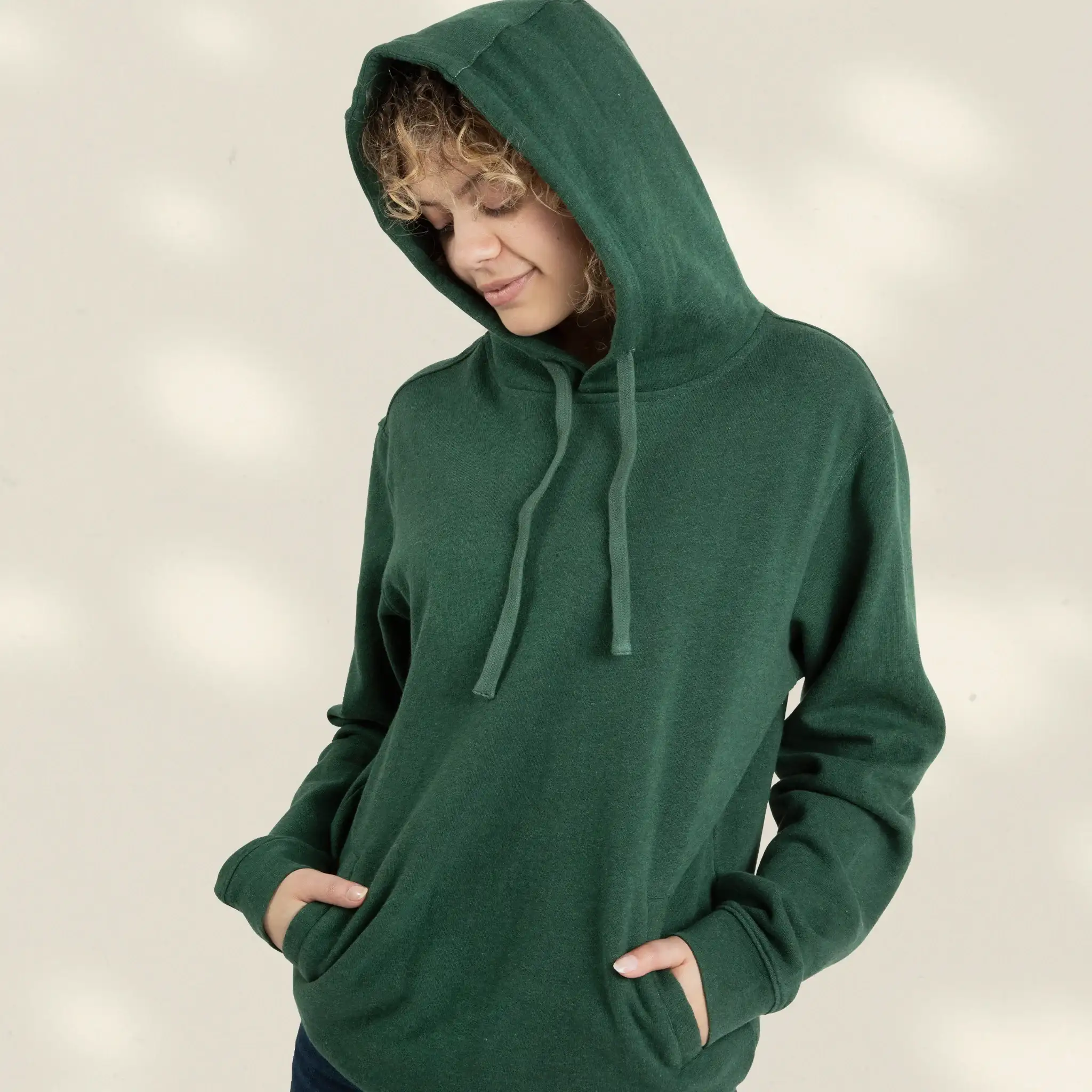
A sweatshirt usually has a pullover construction with no zipper. When a sweatshirt includes a hood, it is usually referred to as a hoodie. Sweatshirts may be developed in crewneck, oversized, relaxed-fit, cropped, heavyweight, lightweight, or performance-inspired versions depending on the brand’s positioning.
Sweatshirts are common in lifestyle apparel, athleisure, gym warm-ups, college-inspired collections, corporate merchandise, streetwear, and casual sportswear. Compared with a 1/4-zip pullover, a sweatshirt is usually less technical but often has broader everyday appeal.
Typical Characteristics of Sweatshirts:
- Soft fleece, French terry, or knit construction
- Comfortable relaxed or oversized fit options
- Ideal for casual wear, lounge, warm-ups, and simple layering
- Usually warmer and cozier than basic tees
- Works well for printing, embroidery, or branded merchandise
- Strong fit for lifestyle, streetwear, and athleisure collections
For sweatshirts, the key development points include fabric hand feel, shrinkage control, pilling resistance, rib quality, neckline stability, garment washing, and compatibility with screen printing, embroidery, or heat-transfer branding.
1/4-Zip Pullover vs Sweatshirt: Quick Comparison
| Feature | 1/4-Zip Pullover | Sweatshirt |
| Main Purpose | Performance layering, outdoor use, training, golf, teamwear, corporate activewear | Comfort, lifestyle, athleisure, casual wear, lounge, branded merchandise |
| Closure | Quarter zipper for adjustable ventilation | Pullover style, usually no zipper |
| Fabric Options | Stretch knits, brushed technical fleece, merino blends, recycled polyester blends, grid fleece, waffle knit | French terry, loopback fleece, cotton blends, poly-cotton fleece, brushed fleece, heavyweight fleece |
| Fit | Athletic, regular, or performance fit | Relaxed, oversized, regular, or casual fit |
| Best For | Outdoor training, golf, running, hiking, travel layering, teamwear, uniforms | Daily wear, gym warm-ups, college-inspired apparel, streetwear, loungewear |
| Development Focus | Zipper quality, collar shape, ventilation, layering fit, seam placement | Hand feel, warmth, shrinkage control, rib quality, print or embroidery compatibility |
| Market Position | More technical and performance-driven | More lifestyle and comfort-driven |
Design and Construction Differences
The biggest construction difference is the zipper. A 1/4-zip pullover includes a short zipper at the neckline, giving the wearer more control over airflow and comfort. This makes it especially useful for active situations where body temperature changes during movement.
A sweatshirt is simpler in construction. It is usually designed without a zipper and focuses more on warmth, comfort, surface feel, and styling. The construction may include ribbed cuffs, ribbed hem, crewneck collar, dropped shoulders, kangaroo pocket in hoodie versions, or oversized body shape.
For apparel brands, the choice between the two styles should not be based only on appearance. It should also consider fabric weight, target use, end-user lifestyle, garment cost, branding method, and retail channel.
Ventilation and Functional Control
The 1/4-zip design has a clear advantage in adjustable ventilation. When the zipper is opened slightly, the wearer can release heat during movement without removing the garment. This is useful for outdoor training, hiking, running, golf, travel, and transitional-weather layering.
A sweatshirt is comfortable and warm, but it does not offer the same level of airflow control. This makes it better suited for low-intensity activity, casual wear, lounge, gym warm-ups, and cooler indoor or outdoor environments.
For performance products, airflow control can be a key selling point. For lifestyle products, softness and comfort may matter more.
Warmth and Comfort
Sweatshirts are commonly made from fleece, French terry, or loopback knit constructions that provide softness and warmth. They are often chosen for everyday wear because they feel familiar, comfortable, and easy to style.
A 1/4-zip pullover can also provide warmth, especially when made with brushed fleece, grid fleece, merino wool blends, or thermal technical knits. However, its main advantage is that warmth can be balanced with ventilation and layering performance.
In general, sweatshirts are stronger for cozy comfort, while 1/4-zip pullovers are stronger for active temperature control.
Performance Fabric Considerations
Fabric selection has a major impact on the comfort, performance, and commercial positioning of both products.
For performance brands, fabric choice should be based on whether the garment is designed as a warm-up layer, a midlayer, a travel piece, a teamwear item, or a lifestyle staple.
Common Fabrics for 1/4-Zip Pullovers
1/4-zip pullovers often use technical or semi-technical fabrics, such as:
- Polyester/spandex performance knits
- Brushed technical fleece
- Recycled polyester blends
- Merino wool blends
- Grid fleece
- Waffle knit
- Lightweight interlock
- Moisture-wicking stretch knits
These fabrics can support breathability, stretch, recovery, thermoregulation, and faster drying. They are especially useful for outdoor, golf, running, hiking, and training products.
Common Fabrics for Sweatshirts
Sweatshirts usually use comfort-driven fabrics, such as:
- French terry
- Loopback fleece
- Cotton/poly fleece
- Brushed fleece
- Heavyweight fleece
- Organic cotton blends
- Recycled cotton blends
- Performance fleece
These fabrics are usually selected for softness, warmth, durability, and easy decoration. They are strong choices for lifestyle brands, teamwear, school-inspired apparel, gym merchandise, and athleisure programs.
Moisture Management and Breathability
Technical fabrics used in 1/4-zip pullovers can help move moisture away from the skin and support a more comfortable microclimate during activity. This is useful when the product is designed for movement, layering, or outdoor use.
Basic fleece sweatshirts can absorb moisture and feel heavier when wet. They are comfortable for casual wear, but may not dry as quickly as technical knits. If a sweatshirt is intended for active use, brands may consider lighter fleece, moisture-management yarns, stretch blends, or performance finishes.
Stretch and Recovery
Performance pullovers often include elastane or spandex to support stretch and recovery. This is important for mobility, layering comfort, and shape retention.
Classic sweatshirts may have limited stretch depending on the fabric structure. Their main focus is usually comfort rather than high mobility. However, sweatshirts can also be engineered with stretch fleece or blended yarns when the target market requires more movement.
Weight, Warmth, and Seasonal Suitability
Fabric weight helps determine the seasonal use and functional purpose of the garment.
Lightweight 1/4-Zip Pullovers
These are suitable for transitional seasons, golf, running, travel, and technical layering.
Midweight 1/4-Zip Pullovers
These work well as outdoor midlayers, teamwear pieces, or corporate activewear.
Lightweight Sweatshirts
These are suitable for spring, indoor wear, warm-ups, and athleisure collections.
Midweight or Heavyweight Sweatshirts
These are ideal for cool weather, comfort collections, streetwear, college-inspired apparel, and premium lifestyle programs.
When designing products, brands should balance GSM, warmth, drape, breathability, and intended use. Over-engineering a casual sweatshirt can increase cost unnecessarily, while under-engineering a performance pullover can reduce product value.
Market Positioning: Functional Layer vs Everyday Staple
A 1/4-zip pullover is often positioned as a functional layer. It is suitable for outdoor brands, golf apparel, running brands, corporate uniforms, teamwear, travel layering, and premium athleisure collections.
A sweatshirt is usually positioned as an everyday staple. It works well for DTC basics, gym lifestyle collections, college-inspired apparel, loungewear, streetwear, casual athleisure, and branded merchandise.
For U.S. brands, both styles can be commercially valuable. The key is to match the garment type with the right customer expectation. A technical brand may use quarter-zips to build credibility in performance layering. A lifestyle or merch-focused brand may use sweatshirts to build comfort, brand identity, and repeat purchases.
How to Choose Between a 1/4-Zip Pullover and a Sweatshirt
If the product is designed for outdoor training, golf, running, travel, hiking, teamwear, or layering, a 1/4-zip pullover may be the better choice. It provides adjustable ventilation, a more technical look, and stronger performance positioning.
If the goal is comfort, lifestyle styling, campus-inspired apparel, branded merchandise, or casual athleisure, a sweatshirt may be more suitable. It is familiar, easy to wear, and highly versatile for everyday use.
Before bulk production, brands should confirm:
- Target customer and retail channel
- Target price point
- Fabric type and GSM
- Fit direction and size grading
- Shrinkage tolerance
- Wash durability
- Pilling resistance
- Zipper quality for 1/4-zip pullovers
- Rib quality for sweatshirts
- Logo method, such as embroidery, screen print, heat transfer, or woven label
- Fabric MOQ and color MOQ
- Lab dip and sample approval process
- Packaging requirements
- Final production timeline
A clear product brief helps avoid overdevelopment, cost waste, and performance mismatch.
Harvest SPF’s Technical Apparel Capabilities
Harvest SPF offers functional apparel development and manufacturing support for activewear, outdoor layers, sweatshirts, performance pullovers, base layers, compression garments, seamless activewear, thermal products, athleisure wear, and innovative healthcare textile products.
With more than 30 years of experience in functional apparel and textile development, Harvest SPF can support brands with fabric selection, material sourcing, product design, sample development, fit adjustment, performance testing, and ODM/OEM production.
For 1/4-zip pullovers, Harvest SPF can help brands develop products using technical knits, stretch blends, moisture-management fabrics, brushed fleece, merino blends, recycled polyester blends, and thermal structures. Development details may include zipper selection, collar construction, chin guard, sleeve shape, flatlock seams, thumbholes, reflective details, and layering fit.
For sweatshirts, Harvest SPF can support French terry, fleece, cotton blends, recycled blends, brushed interiors, rib trims, garment wash effects, logo application, embroidery, printing, and private-label customization. Depending on the project requirements, Harvest SPF can also recommend sustainable material options, recycled fibers, certified fabrics, and performance finishes supported by relevant documentation.
With flexible development solutions and manufacturing experience, Harvest SPF helps brand partners create market-ready products that balance function, comfort, quality, and commercial positioning.
FAQ: 1/4-Zip Pullover vs Sweatshirt
Which is better for performance apparel: a 1/4-zip pullover or a sweatshirt?
A 1/4-zip pullover is usually better for performance layering because it offers adjustable ventilation, easier temperature control, and a more technical look. A sweatshirt is better for casual comfort, warmth, lifestyle collections, and everyday wear.
What is the difference between a quarter-zip and a sweatshirt?
A quarter-zip has a short zipper from the collar to the upper chest, allowing the wearer to adjust ventilation. A sweatshirt is usually a pullover garment without a zipper, designed mainly for softness, warmth, and comfort.
Can a sweatshirt be developed with performance features?
Yes. Sweatshirts can be developed with moisture-management fleece, stretch, recycled polyester blends, lighter technical fabrics, or performance finishes. However, they usually offer less ventilation control than a 1/4-zip pullover.
What fabrics work best for 1/4-zip pullovers?
Common fabric options include polyester/spandex technical knits, brushed fleece, grid fleece, merino wool blends, recycled polyester blends, waffle knit, and lightweight interlock. The best choice depends on the garment’s target use, season, and price point.
Which style is better for corporate or teamwear programs?
Both can work. A 1/4-zip pullover often looks more polished and technical, making it suitable for golf, corporate activewear, uniforms, and team outer layers. A sweatshirt is more casual and works well for branded merchandise, school programs, gym apparel, and lifestyle collections.
What should brands confirm before bulk production?
Brands should confirm fabric type, GSM, fit, size grading, shrinkage tolerance, wash durability, pilling resistance, zipper or rib quality, logo method, lab dip approval, MOQ, packaging, and production timeline before bulk production.
Can Harvest SPF develop custom quarter-zips and sweatshirts for private-label brands?
Yes. Harvest SPF can support custom 1/4-zip pullover and sweatshirt development, including fabric selection, design support, fit sampling, logo application, material sourcing, packaging, and ODM/OEM production.
Ready to Elevate Your Product Line? Partner with a Functional Apparel Manufacturer
Harvest SPF supports apparel brands, product developers, sourcing teams, and private-label buyers looking to develop technical pullovers, sweatshirts, activewear, outdoor layers, thermal products, and lifestyle apparel.
Whether you are building a performance quarter-zip collection, a premium sweatshirt program, or a broader functional apparel range, Harvest SPF can provide support from early product planning to sampling, fabric selection, fit development, and bulk production.
Contact Harvest SPF to discuss fabric options, quarter-zip construction, sweatshirt development, fit sampling, logo application, MOQ, and ODM/OEM production for your next functional apparel collection.